

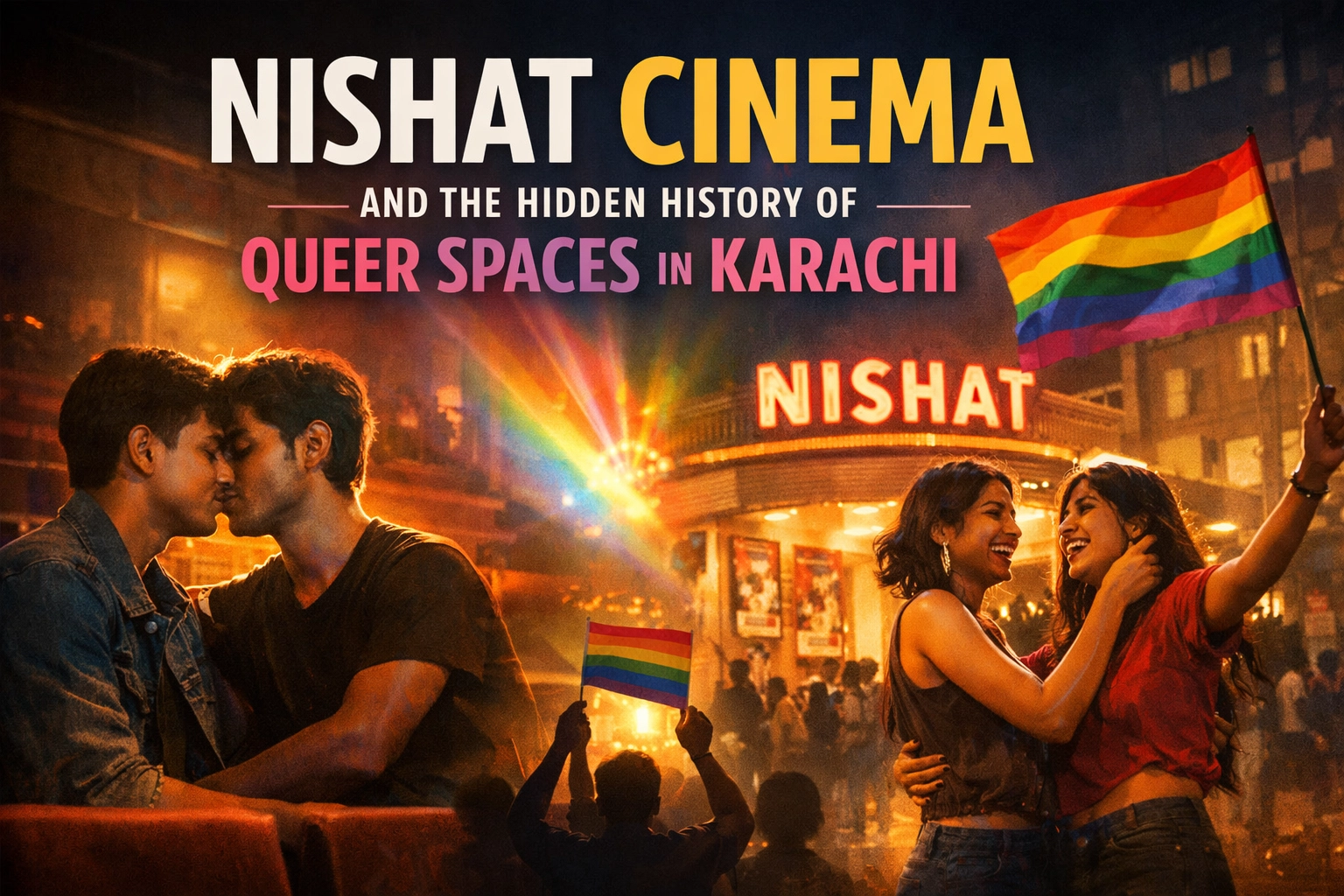
readwithpride.com
History isn’t always found in the shiny, preserved archives of a national museum. Sometimes, the most authentic parts of our story are written in the peeling paint of a balcony, the flicker of a 35mm projector, and the heavy velvet curtains of a darkened movie hall. For the queer community in Karachi, Pakistan, few places hold as much whispered significance as the Nishat Cinema.
While the "official" history books might remember Nishat as a casualty of civil unrest in 2012, those of us who look for the subtext know it was something more. It was a sanctuary, a meeting ground, and a living map of desire in a city that often demanded invisibility. At Read with Pride, we believe that every story: whether it's a contemporary MM romance or a piece of forgotten history: deserves to be told with authenticity.
Let’s dive into the neon-lit, slightly dusty, and deeply complex world of Karachi’s queer urban subcultures.
The Golden Age and the "Gaze"
In the decades following Pakistan's independence in 1947, Karachi was a different beast. It was a cosmopolitan hub, the "City of Lights," where jazz bars existed alongside traditional markets. The cinema culture was the heartbeat of the city. Nishat Cinema, located on the iconic M.A. Jinnah Road, was one of the crown jewels.
But for the queer community: the zananas, the khwaja siras, and men who loved men: the cinema wasn't just about the movie on the screen. It was about the "gaze." In a society where public displays of affection are strictly regulated, the darkness of a cinema offered a rare, shared anonymity.
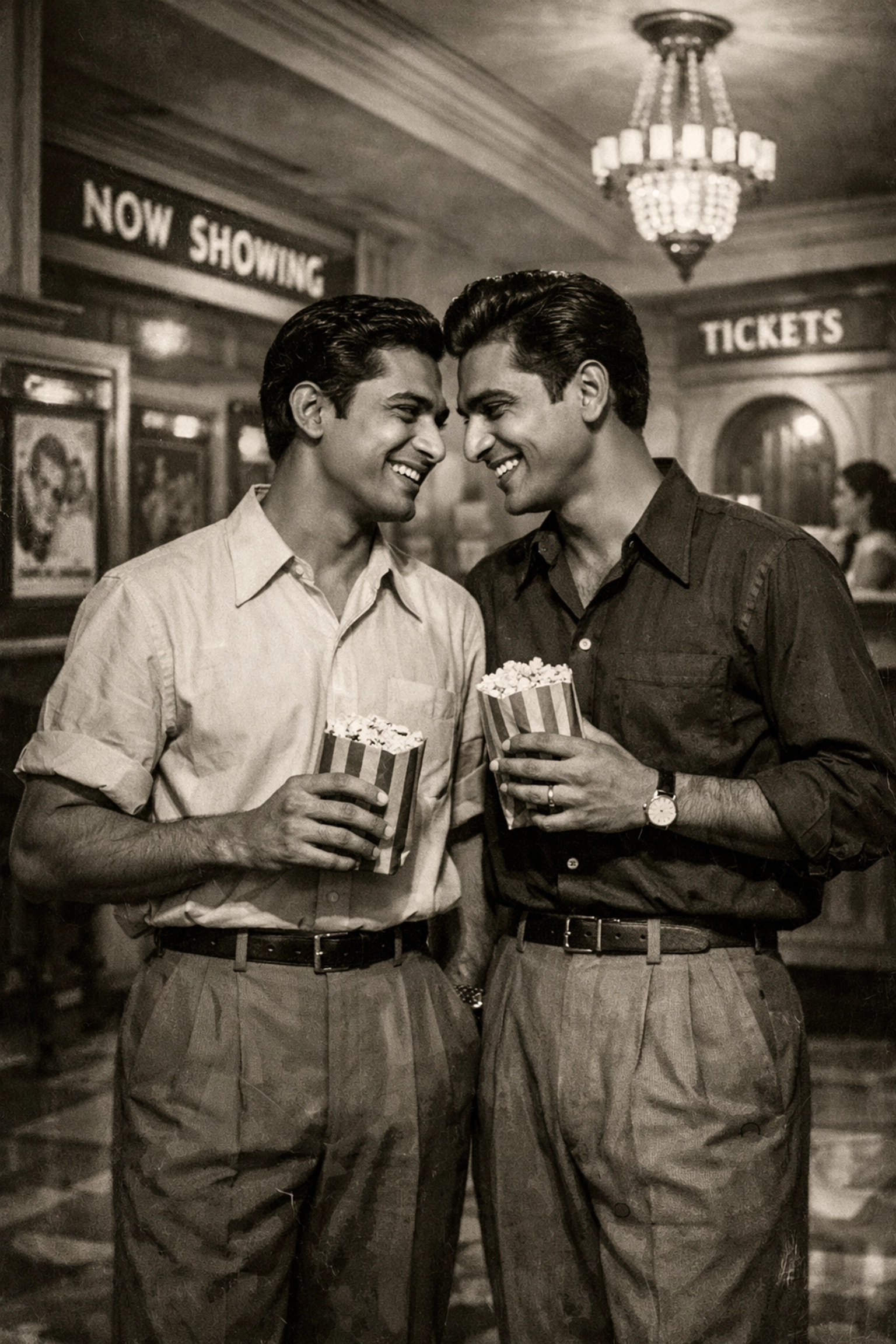
Visualizing the vintage aesthetic of Karachi's 1950s cinema culture.
The layout of these old cinemas often inadvertently catered to subcultures. The "Upper Circle" or the back rows weren't just for couples looking for privacy; they were spaces where glances were exchanged, and hand-holding happened under the cover of a loud musical number. It was a pre-digital version of a "safe space," long before we had apps or specialized LGBTQ+ fiction to help us navigate our identities.
The Architecture of a Secret
Why Nishat? Why not just any theater? Nishat had a specific vibe. It was grand enough to offer a crowd to get lost in, but lived-in enough to feel like home for those on the margins.
In the 70s and 80s, during the era of increased Islamization, public spaces for the queer community began to shrink. Bars closed, and the "moral police" became more active. Paradoxically, this made the cinema even more vital. Within the walls of Nishat, a complex social hierarchy of the queer community played out.
You had the older regulars, the younger seekers, and the khwaja sira community who navigated these spaces with a mix of visibility and guardedness. It was a "hidden history" in plain sight. If you knew the signs: a specific way of sitting, a lingering look near the canteen: you were part of the club. It’s the kind of high-stakes, "stolen moments" tension that makes gay historical romance so compelling to read today.
The Tragedy of 2012: When the Lights Went Out
On September 21, 2012, during a day of protests that turned violent, Nishat Cinema was set on fire. The images of the iconic building engulfed in flames were devastating for many Karachiites, but for the queer community, it felt like the burning of a library.
When the building fell, it wasn't just architectural heritage that was lost. It was a physical anchor for a community that already had so few places to call its own. The destruction of Nishat marked the end of an era of physical "cruising" and meeting grounds in Karachi’s city center, pushing the community further into private homes and, eventually, the digital world.
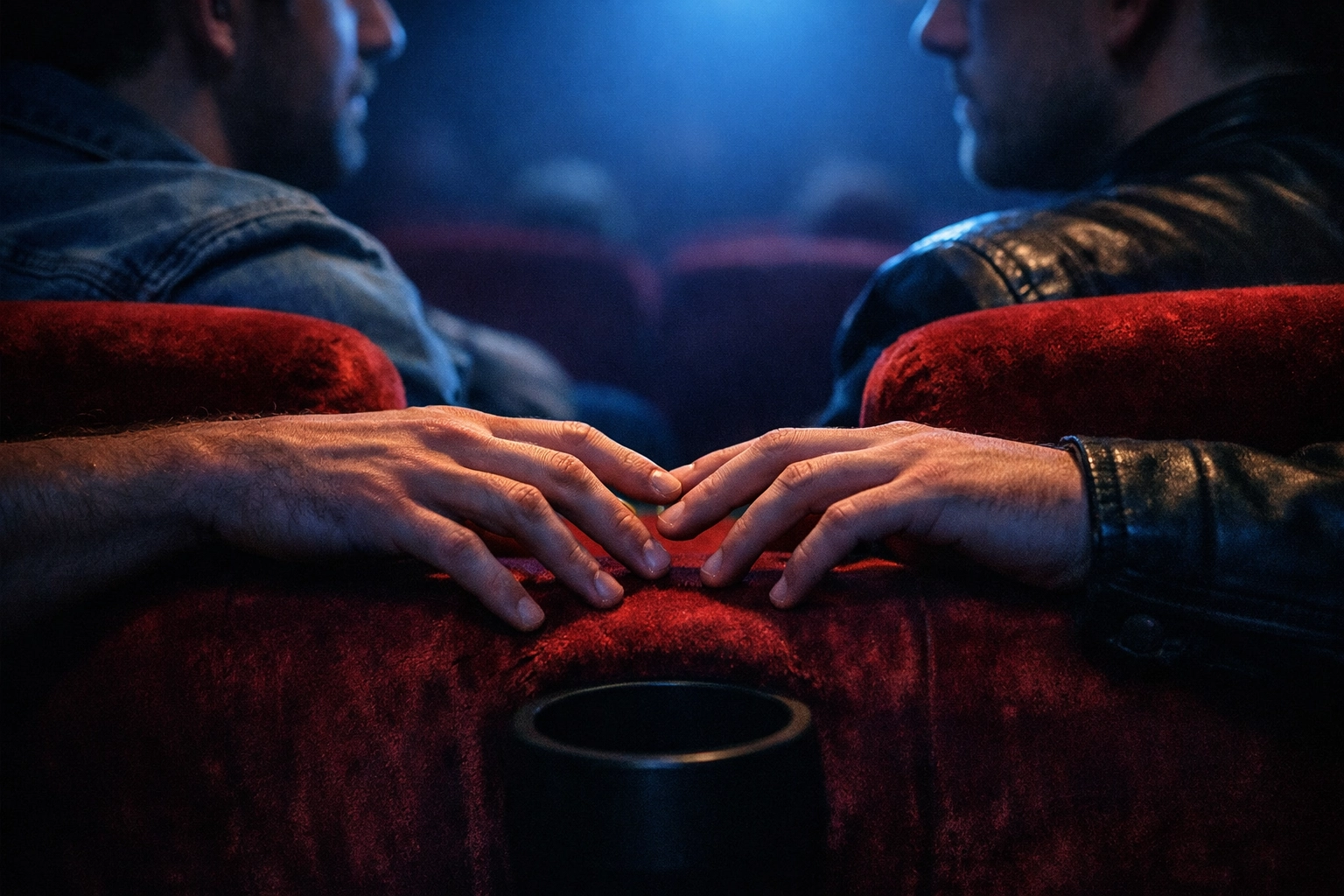
An artistic representation of a fading cinema sign, symbolizing lost queer history.
From Physical Balconies to Digital Sanctuaries
By 2026, the way we connect has changed drastically. The physical "cruising" spots of Karachi: the parks, the specific train station platforms, and the cinemas like Nishat: have largely been replaced by dating apps and encrypted chat groups.
However, there is a certain "digital nostalgia" emerging. Young queer Pakistanis are looking back at the stories of their elders, trying to piece together the map of a city that once allowed for a different kind of connection. This search for roots is reflected in the rise of queer fiction and gay novels that explore South Asian identities.
If you're looking for stories that capture that intense, world-against-us feeling of hidden love, you might find something that resonates in our collection of MM romance books. Many of these tropes: the "secret identity," the "forbidden meeting place": are lived realities for many in the Middle East and South Asia.
Why We Must Write the Hidden History
Representation matters, not just in the "happily ever afters" of gay romance novels, but in the gritty, complicated truths of our history. When we talk about Nishat Cinema, we aren't just talking about a building; we're talking about the resilience of a community that found a way to exist in the shadows.
At Readwithpride.com, we want to bridge that gap between history and literature. Whether it's through popular gay books or deep dives into urban history, keeping these stories alive is an act of resistance.
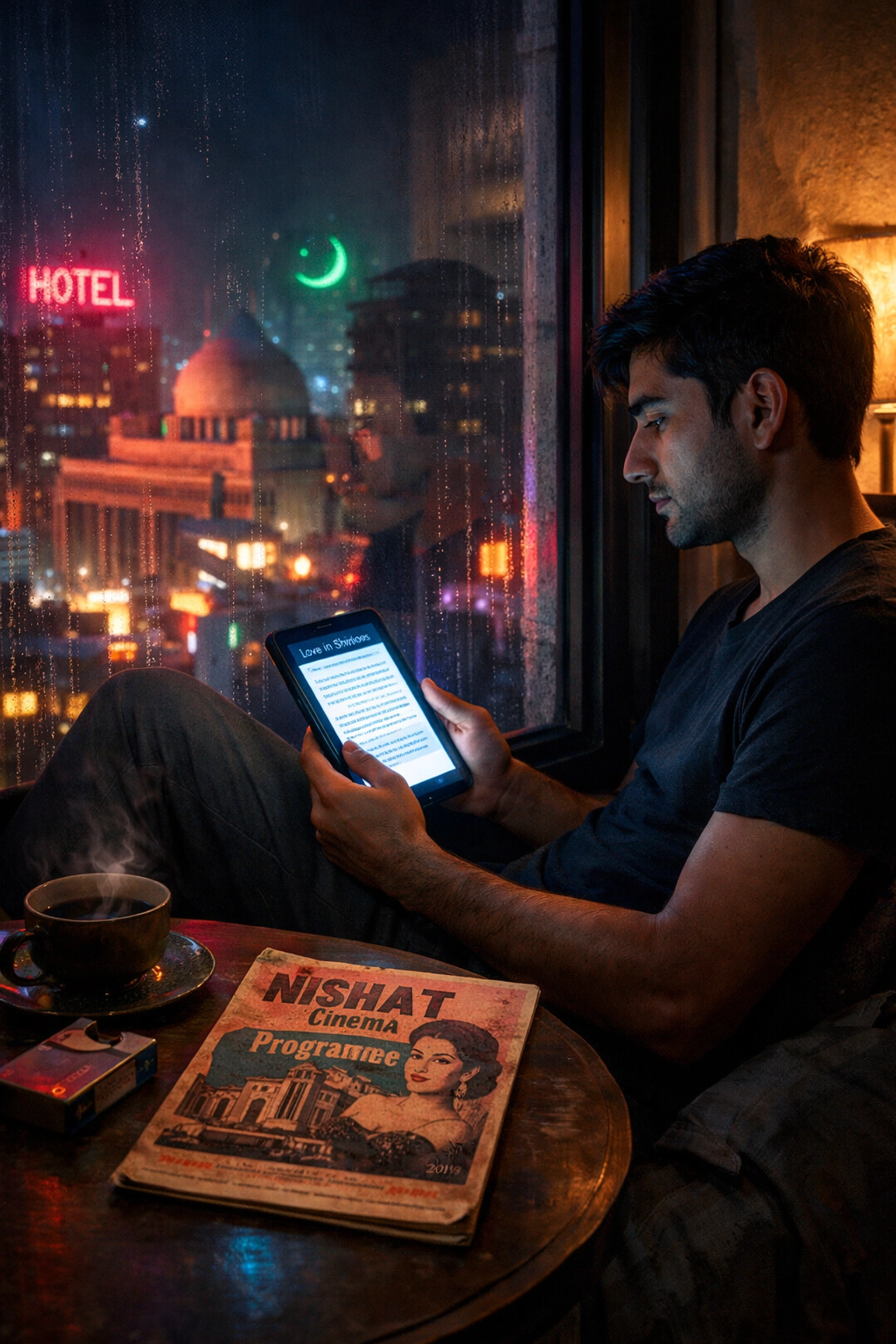
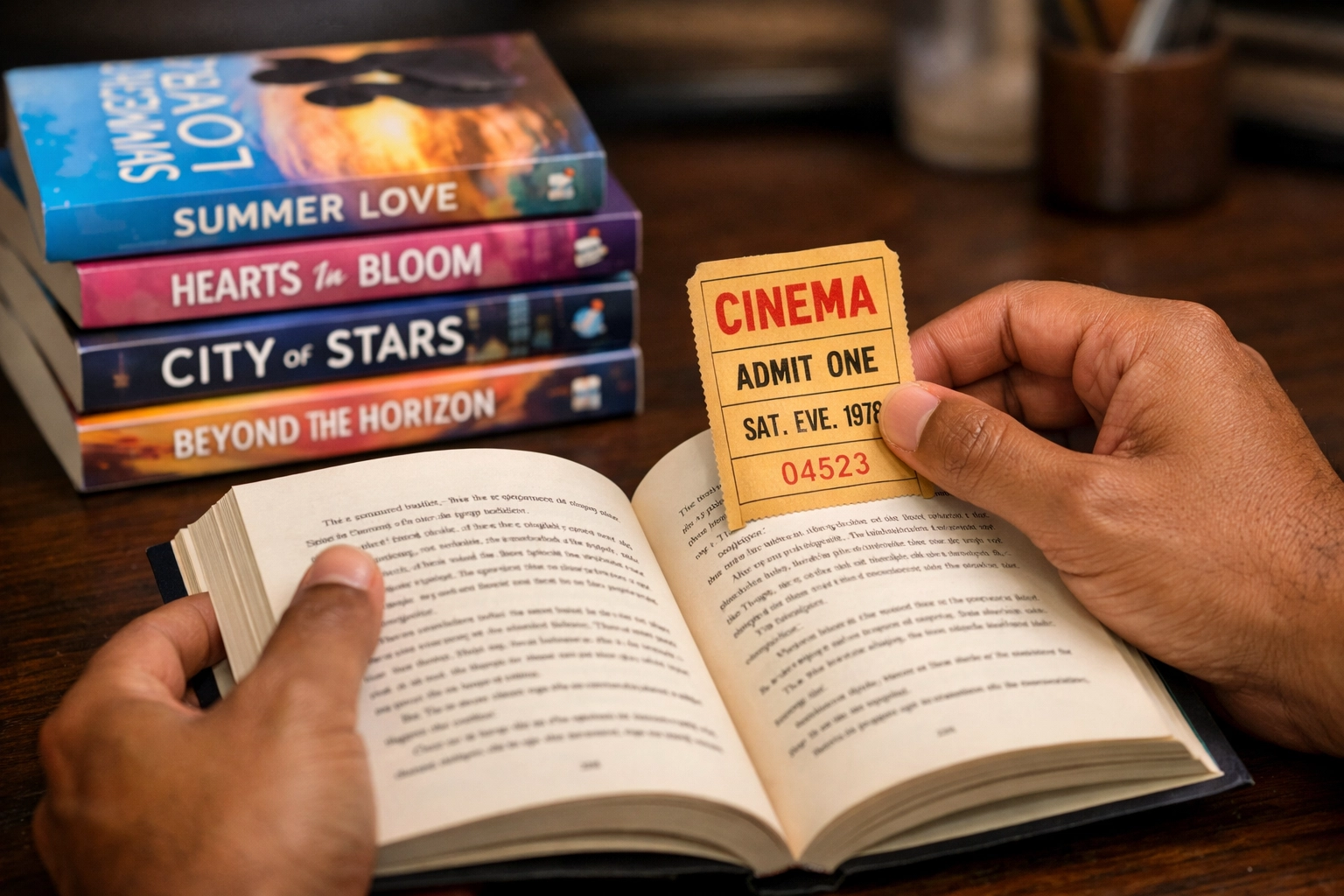
A cozy reading nook featuring an open book, representing the bridge between history and modern queer literature.
Exploring Queer South Asia in 2026
If you’re interested in how these histories translate into modern storytelling, check out some of the new gay releases that are reshaping the landscape of LGBTQ+ fiction. We are seeing a surge in "own voices" narratives from Pakistan and the diaspora that move beyond the tragedy and into the joy, the wit, and the complexity of modern queer life.
For authors looking to capture this nuance, avoiding tropes and focusing on authentic setting is key. Check out our guide on 7 mistakes you’re making with LGBTQ+ character development to ensure your stories do justice to the communities they represent.
The Legacy Lives On
Nishat Cinema may be a shell of its former self, but the subcultures it nurtured haven't disappeared: they've evolved. The spirit of those hidden meetings, the coded language, and the bravery of existing in a space not meant for you is still very much alive in Karachi today.
As we look toward the future of MM romance and queer literature, let's remember the cinemas, the parks, and the street corners that paved the way. They were our first chapters.
The Read with Pride logo, symbolizing the ongoing mission to share LGBTQ+ stories.
Stay connected with us for more deep dives into queer history, book recommendations, and the latest in LGBTQ+ ebooks.
- Website: Readwithpride.com
- Facebook: Follow our community
- Twitter/X: Join the conversation
- Instagram: See our latest picks
Whether you're looking for a steamy MM romance or a heartfelt gay love story, we've got you covered. History is being written every day: make sure you're part of the story.
#QueerHistory #Karachi #NishatCinema #ReadWithPride #LGBTQBooks #MMRomance #SouthAsianQueer #GayLiterature #HiddenHistory #2026GayBooks

Leave a Reply
You must be logged in to post a comment.