

readwithpride.com
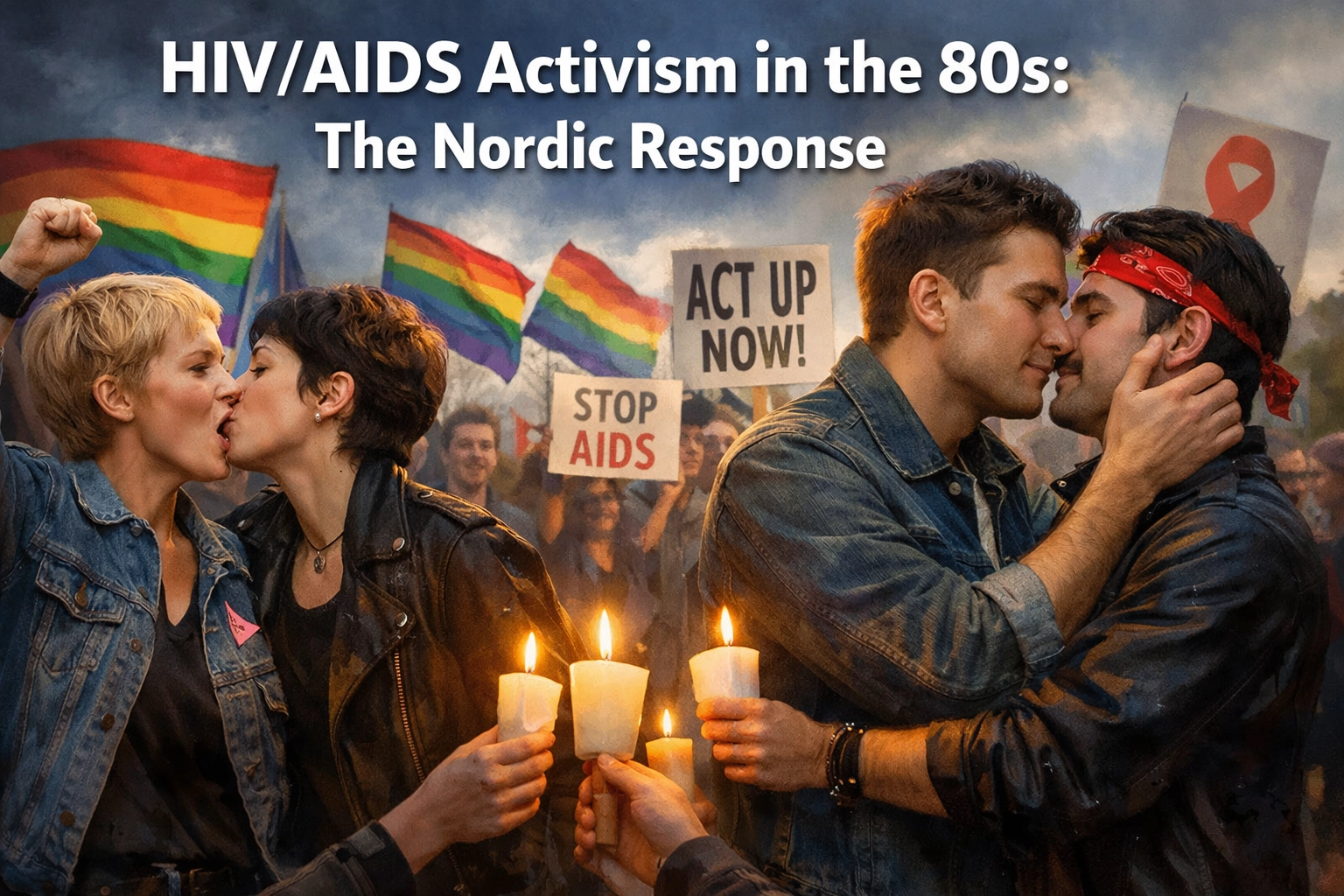
When we think of the 1980s, our minds often drift to synth-pop, neon leg warmers, and the rise of the blockbuster. But for the LGBTQ+ community, the 80s were defined by a different, much darker reality: the HIV/AIDS crisis. While the history of activism in places like New York and San Francisco is well-documented in many gay historical romance novels and documentaries, the story of how Northern Europe handled the plague is just as dramatic, complex, and filled with a unique brand of "Nordic" resilience.
At Read with Pride, we believe that understanding our history is the key to writing: and reading: our future. Whether you’re a fan of MM romance books or deep-dive gay literature, the political and social landscape of 1980s Sweden, Norway, and Denmark offers a masterclass in how community action can change the world.
The Nordic "Model" of Crisis Management
The Nordic countries are famous for their social safety nets and "middle way" politics. But when the virus hit, that famous consensus was put to the test. The response wasn't a monolith; instead, it was a fascinating mix of state-funded radicalism and, in some cases, surprisingly restrictive government control.
If you’re looking for gay historical romance inspiration, this era provides the perfect backdrop: a world where fear and love collided in the streets of Stockholm and Oslo.
Sweden: The Rise of the Professional Activist
Sweden’s response was a bit of a paradox. On one hand, the government was incredibly quick to fund civil society. On the other, they were prone to using "militarist rhetoric" that could feel quite stifling.
By the mid-80s, the Swedish community realized they couldn't just wait for the state to act. In 1985, Posithiva Gruppen was founded: a group specifically for people living with HIV. A year later, Noaks Ark launched, focusing on prevention and supporting families. These weren't just grassroots protest groups; they became professionalized organizations that worked alongside the state.
One of the coolest initiatives was the "Love Power" campaign. Aimed at young adults, it was a collaboration between the RFSL (The Swedish Federation for Lesbian, Gay, Bisexual, Transgender, and Queer Rights) and the RFSU (the sex education union). It focused on empowerment rather than just fear: a trope we often see in heartfelt gay fiction where the community comes together to shield its own.

A symbolic representation of 1980s Stockholm activism, blending protest posters with the cold, sharp aesthetic of Nordic winter.
However, Sweden also had a darker side. While Denmark and Norway kept gay social spaces open, Sweden took a more restrictive route, even closing down gay saunas. It’s a tension that many gay psychological thrillers or historical dramas explore: the fine line between "public health" and "public control."
Norway: Harm Reduction and Radical Empathy
If Sweden was the professional older sibling, Norway was the radical, empathetic cousin. Norwegian health authorities took a fundamentally different approach: they decided that the best way to fight the virus was to empower the people most affected by it.
Instead of moralizing, the Norwegian government started handing out cash. Seriously. From the mid-1980s, the government provided direct funding to gay activists, essentially saying, "You know your community best; tell us how to help."
They also pioneered harm reduction. While other countries were debating the "morality" of drug use, Norway was busy installing syringe vending machines and ensuring clean needles were available in pharmacies nationwide. This focus on "human contact" and addressing grief and stress is something we see reflected in the emotional MM books of today: stories that prioritize the dignity of the individual over the judgment of society.

The concept of 'Harm Reduction' in 80s Norway: a focus on community care and medical support.
Denmark: The Liberal Vanguard
Denmark often led the way in terms of social liberalism. Like Norway, they avoided the heavy-handedness seen in Sweden. The Danish approach was rooted in the idea that you can't help a community if you're busy policing its sex life. By keeping saunas and social clubs open, they maintained a line of communication with the men most at risk.
For readers of gay romance novels, this period in Copenhagen is a treasure trove of "found family" narratives. The activism wasn't just about medicine; it was about preserving the spaces where queer joy lived.
From the Streets to the Bookshelf
Why does this matter for us in 2026? Because the activism of the 80s paved the way for the stories we tell today. The bravery of those activists is the reason we have the freedom to write steamy MM romance, gay fantasy romance, and new gay releases that don't always have to end in tragedy.
When you browse the Read with Pride store, you’ll find echoes of this history in our MM historical romance section. These books aren’t just about the "happily ever after"; they are about the struggle it took to get there.
Why You Should Read Gay Historical Fiction
- Perspective: It reminds us that our rights were won through community organizing.
- Emotional Depth: There is something incredibly moving about a gay love story set against a backdrop of high stakes and social change.
- Honoring Ancestors: Reading these stories is a way of keeping the memory of 80s activists alive.
If you're looking for recommendations, check out our blog sitemaps for curated lists of the best MM romance books of 2026 and beyond that touch on these historical themes.

A cozy reading nook featuring a stack of LGBTQ+ novels and a rainbow bookmark, symbolizing the connection between history and literature.
The Legacy of the Nordic Response
By the end of the 1980s, the Nordic region had transformed its voluntary organizations into professional service providers. This "hybrid welfare" model ensured that queer people were seen as partners in public health, not just victims or villains.
This era proves that even in the darkest times, the LGBTQ+ community finds a way to organize, celebrate, and love. Whether it’s through the radical harm reduction of Norway or the professional advocacy of Sweden, the Nordic response was a testament to the power of showing up for one another.
Connect with the Community
At Readwithpride.com, we’re more than just a place to find popular gay books. We’re a community. If you love gay contemporary romance or want to dive deep into queer fiction, follow us on our social channels to stay updated on the latest releases and historical deep-dives:
- Facebook: Read with Pride
- X (Twitter): @Read_With_Pride
- Instagram: @read.withpride
Whether you are looking for free gay romance, award-winning gay fiction, or the next big MM romance series, we’ve got you covered. Let's keep reading, keep learning, and always: read with pride.
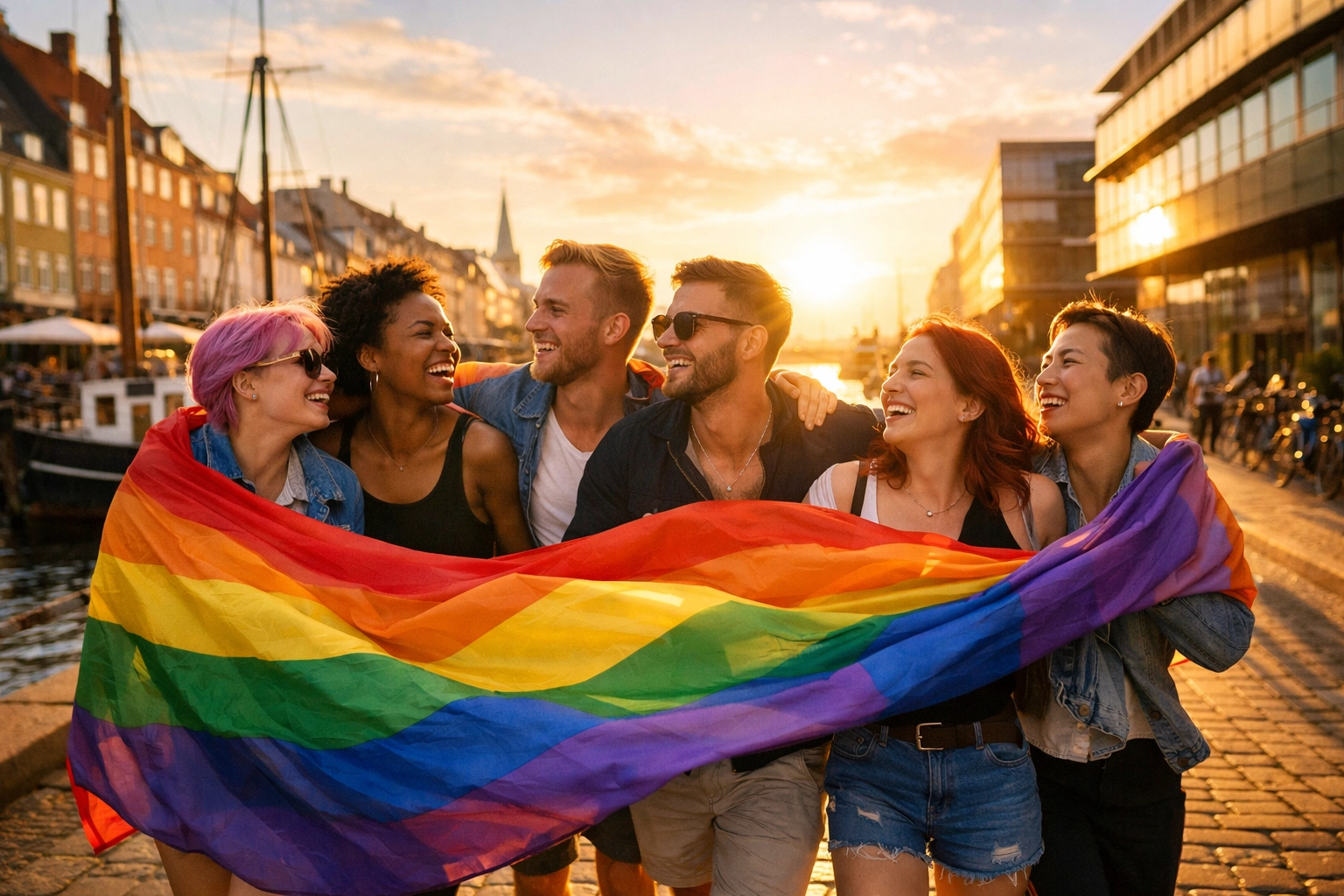
A diverse group of people in a modern-day Nordic city, holding hands and celebrating Pride, showing the long-term success of early activism.
#ReadWithPride #LGBTQHistory #NordicPride #MMRomanceBooks #GayHistoricalRomance #QueerLiterature #80sActivism #GayBooks2026 #MMRomance #GayRomanceNovels
Looking for more? Explore our product sitemaps to find your next favorite read!

Leave a Reply
You must be logged in to post a comment.