

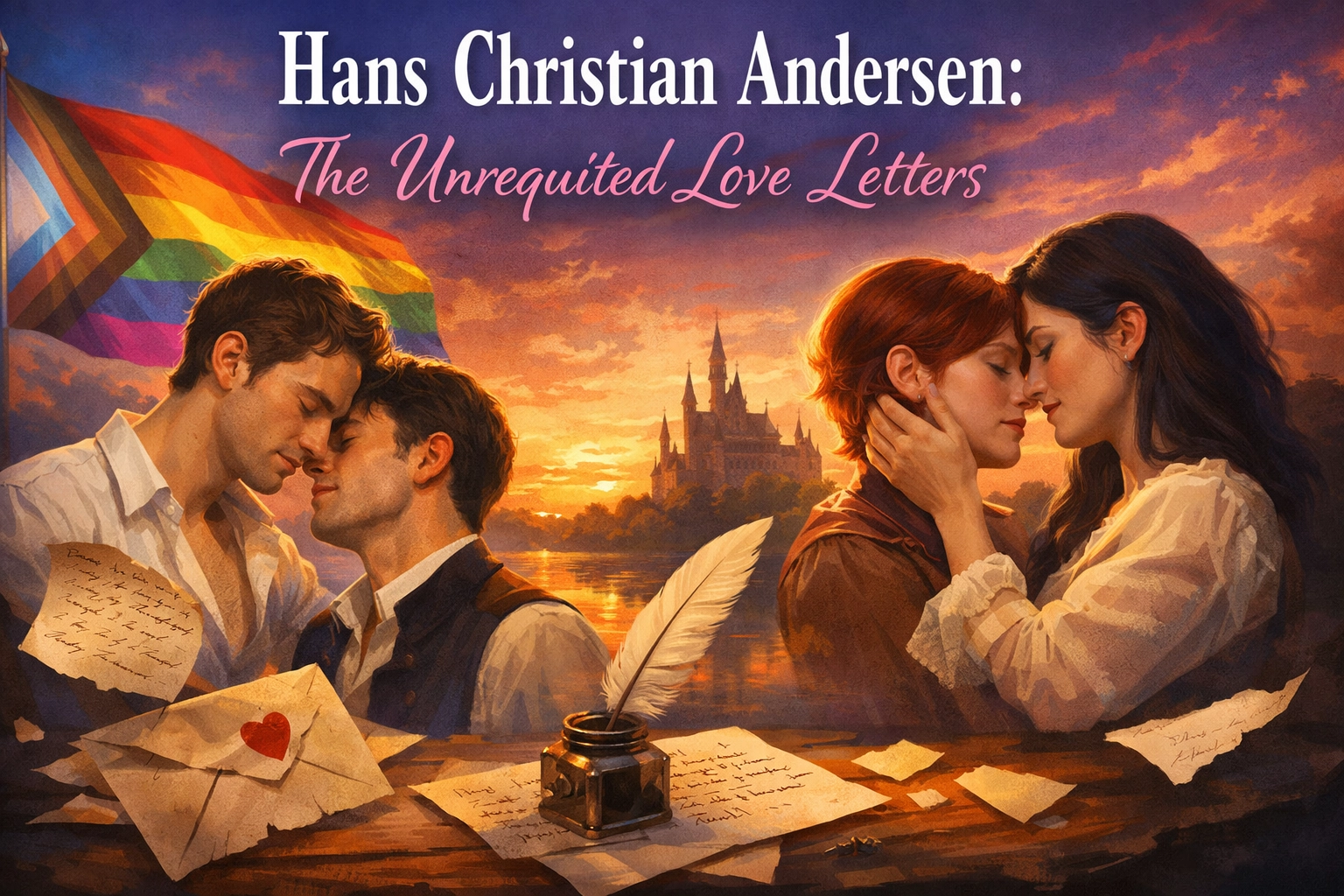
readwithpride.com
We all know the Disney version. A red-headed mermaid, a catchy tune about being "under the sea," and a happy ending where the girl gets the prince and everyone lives happily ever after. But if you’ve ever cracked open a book of the original fairy tales by Hans Christian Andersen, you know that’s not how the story goes. The original Little Mermaid doesn't get the guy; she watches him marry someone else, dissolves into sea foam, and becomes a spirit of the air. It’s heartbreaking, it’s lonely, and as it turns out, it’s deeply, profoundly queer.
At Read with Pride, we’re obsessed with uncovering the hidden histories behind the books we love. While we spend a lot of time reviewing the latest MM romance books and gay romance novels, sometimes we have to look back at the classics to see where our modern tropes of longing and unrequited love actually started. Hans Christian Andersen (HCA) wasn't just a storyteller for children; he was a man who lived his life in a state of perpetual, agonizing desire for men who could, or would, never love him back.
The Man Behind the Fairy Tales
Born in 1805 in Denmark, Andersen was a tall, awkward, and highly sensitive man. He didn't fit the mold of a "traditional" man of his time. He was emotional, theatrical, and prone to intense crushes. While he did occasionally pursue women (most notably the singer Jenny Lind), his most intense, life-altering obsessions were directed toward men.
In the world of gay historical romance, we often look for "coded" language, but Andersen’s letters weren't even that coded. They were raw, desperate, and frankly, a bit of a "mood" for anyone who has ever fallen for a straight best friend.
The Edvard Collin Obsession: A Masterclass in Heartbreak
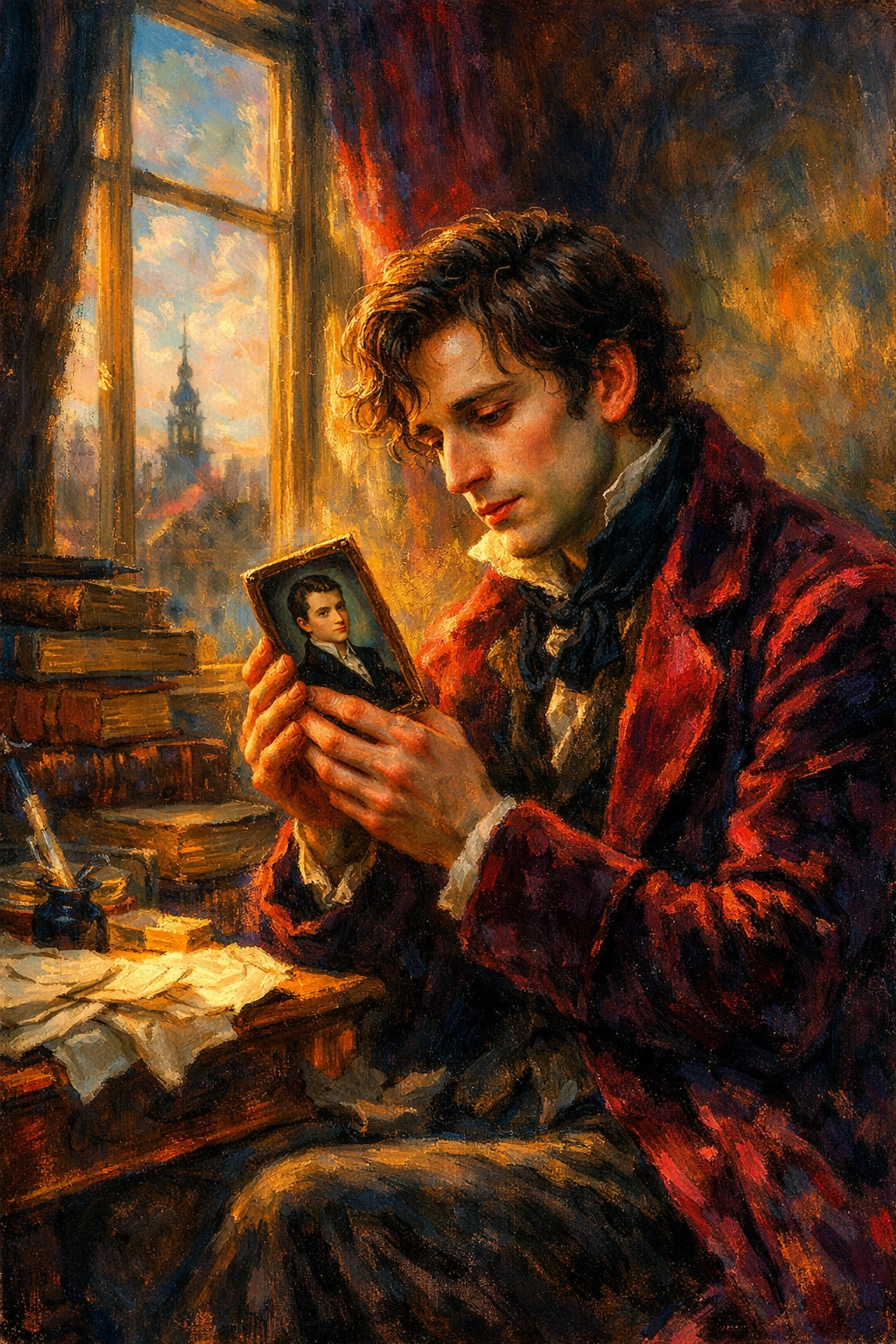
If Hans Christian Andersen’s life were a modern gay romance book, Edvard Collin would be the "emotionally unavailable straight guy" archetype. Edvard was the son of Andersen’s patron, and the two grew up in close proximity. Andersen fell for him hard. We’re talking "writing letters every five minutes" kind of hard.
The correspondence between the two is a legendary example of unrequited queer longing. Andersen desperately wanted Edvard to acknowledge their bond as something deeper than a casual friendship. In 19th-century Denmark, there was a specific social distinction between the formal address ("De") and the intimate address ("Du"). Andersen begged Edvard to use "Du" with him, a sign of true intimacy.
Edvard’s response? A cold, hard "no." He told Andersen their relationship was "very pleasant" as it was and saw no reason to change it.
Andersen didn't take it well. He wrote back: "I feel there is something beggarly, something grim in this paining for sympathy, but my pride gives in to my love for you! I do care for you so much, and despair that you cannot, do not want to, be the friend I would be to you."
If that doesn't sound like the emotional climax of a contemporary MM romance, I don't know what does. Andersen even went as far as to tell Edvard, "I languish for you as for a pretty Calabrian wench… my sentiments for you are those of a woman." In an era before modern LGBTQ+ labels, Andersen was trying to find the language to describe a love that his society hadn't yet named.
The Little Mermaid: A Queer Allegory
The most famous connection between Andersen’s private life and his public work is The Little Mermaid. Written shortly after Edvard Collin announced his engagement to a woman, the story is essentially a 19th-century "vent post."
Think about the themes:
- The Outsider: A being who doesn't belong in the world she desires.
- The Sacrifice of Voice: To enter the human world (the "straight" world), the mermaid must give up her voice. This is a powerful metaphor for the closet: having to hide your true self to be near the person you love.
- Physical Pain: Every step the mermaid takes on land feels like walking on sharp knives. This mirrors the psychological pain Andersen felt trying to navigate a society that rejected his natural desires.
- The Unattainable Prince: The Prince loves the mermaid, but only as a "friend" or a "foundling." He never sees her as a romantic partner and eventually marries a "proper" princess.
When we read queer fiction today at readwithpride.com, we often see these themes reflected in stories of forbidden love and the struggle for acceptance. Andersen was doing it in 1837, using sea hags and magic potions as a cover for his very real, very human gay grief.
Beyond Edvard: A Pattern of Longing
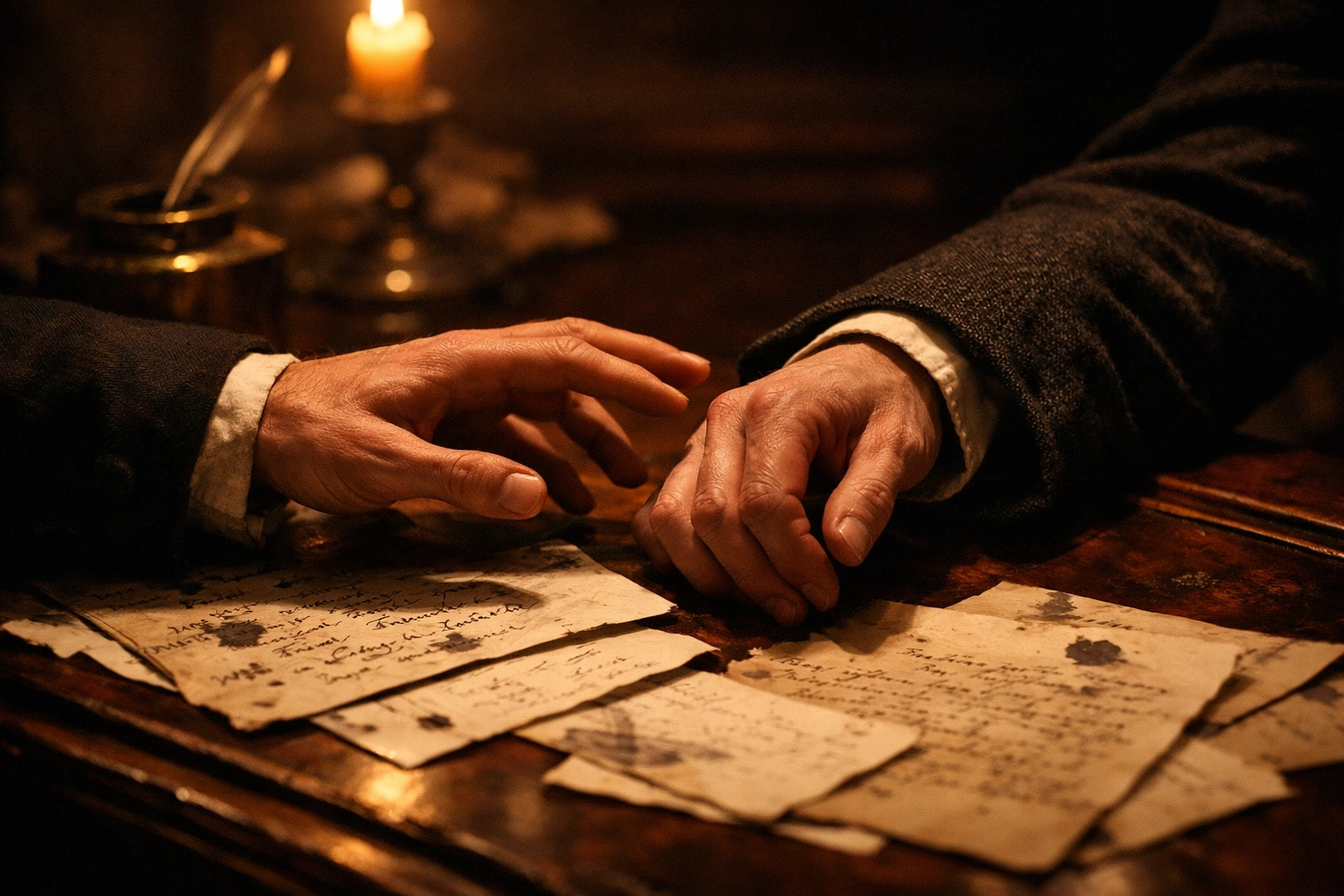
Edvard wasn't the only man to catch Andersen's eye. There was the young dancer Harald Scharff, with whom Andersen had a much more intense and possibly physical relationship later in life. During the 1860s, Andersen’s diaries are full of references to Scharff, and for a while, it seemed like the storyteller might have finally found the reciprocal love he craved.
However, like so many gay love stories of the past, it ended in separation. Scharff eventually left the relationship, leaving Andersen once again in his familiar state of solitude.
He also had a deep fascination with the Duke of Saxe-Weimar-Eisenach. Their relationship involved a lot of hand-holding and declarations of "brotherly" love that, by today’s standards, read as incredibly queer. Andersen wrote to the Duke: "I love you as a man can only love the noblest of hearts."
Why Hans Christian Andersen is a Queer Icon for 2026
In 2026 gay books, we see a lot of "happily ever afters." We love a good slow burn or a forced proximity trope that ends in a wedding. But Andersen represents a different part of the queer experience: the resilience of the heart in the face of rejection.
He took his pain: his "medicine," as he called it: and turned it into art that has lasted for centuries. He showed us that even if the world doesn't have a place for your love, your voice can still reach across generations.
At Read with Pride, we believe that every gay historical romance or MM contemporary novel owes a debt to Andersen. He proved that queer longing is universal. He was a master of the "pining" trope long before it had a name on BookTok.
Reading Between the Lines
If you’re looking to dive deeper into the world of queer literature, we’ve got plenty of recommendations. Whether you want a steamy MM romance to take the edge off HCA’s tragedy or you want more gay literature that explores the nuances of history, check out our collections:
- Explore our latest releases: New 2026 Gay Books
- Find your next favorite author: Author Directory
- Check out our specialized categories: Queer Fiction Categories
Hans Christian Andersen might never have gotten his Prince, but he gave us something just as valuable: a map of the queer heart. He showed us that even in the depths of unrequited love, there is beauty, there is magic, and there is a story worth telling.
Conclusion: Don't Let Your Voice Be Silenced
The next time you see a mermaid or hear a fairy tale, remember the man who wrote them. Remember the letters he sent to Edvard, the tears he shed for the Duke, and the way he poured his soul into stories of outcasts and dreamers.
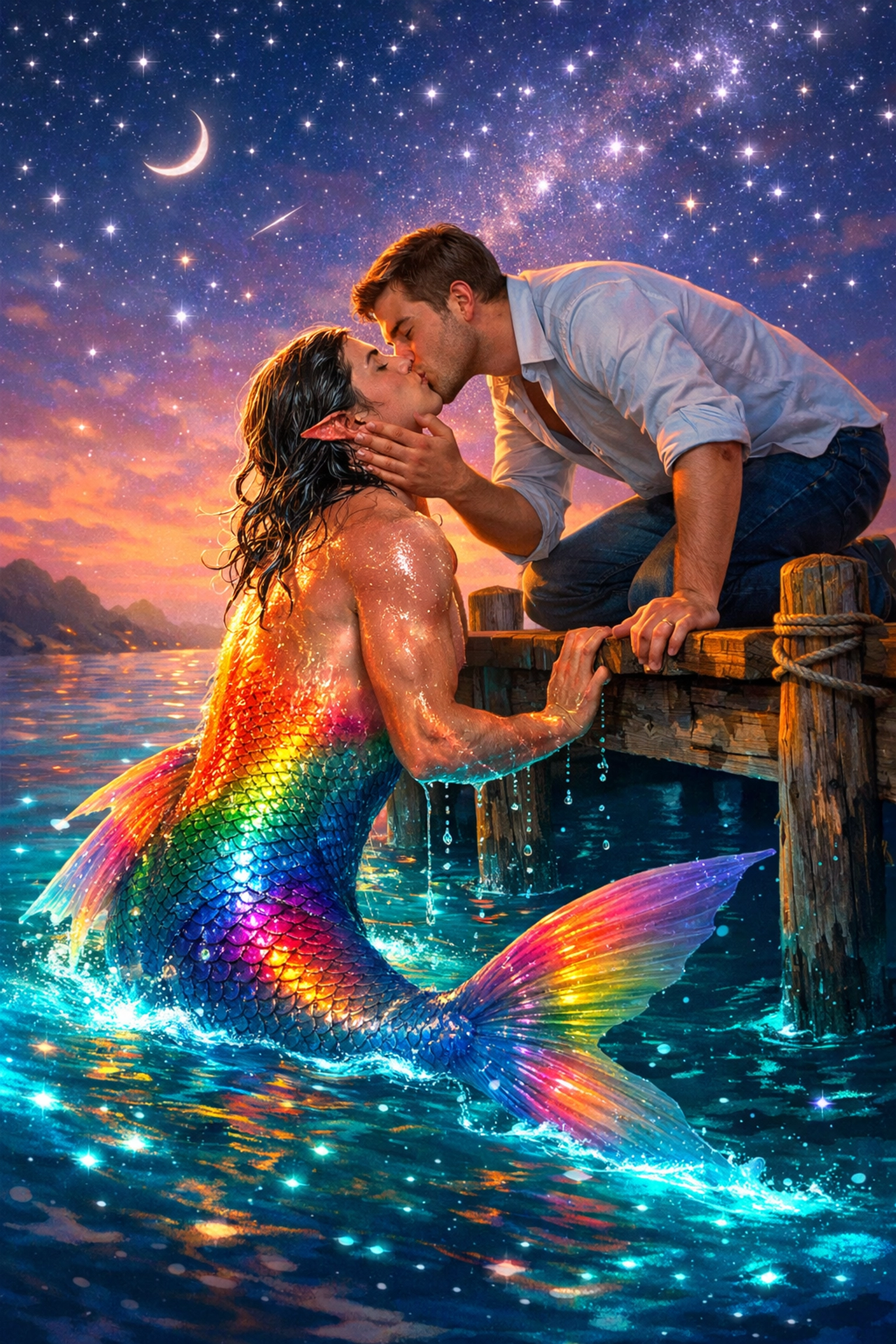
We don't have to give up our voices anymore. We have the freedom to write our own endings, to publish our own LGBTQ+ fiction, and to read stories where the "merperson" actually gets to keep their tail and the guy.
Stay proud, stay curious, and keep reading.
For more queer history and the best in MM romance, follow us on our socials:
- Facebook: Read with Pride
- Twitter/X: @Read_With_Pride
- Instagram: @read.withpride
Visit us at readwithpride.com for more.
#ReadWithPride #MMRomance #GayHistory #HansChristianAndersen #QueerLiterature #LGBTQBooks #GayRomanceNovels #TheLittleMermaid #UnrequitedLove #2026GayBooks #GayFiction

Leave a Reply
You must be logged in to post a comment.