

readwithpride.com
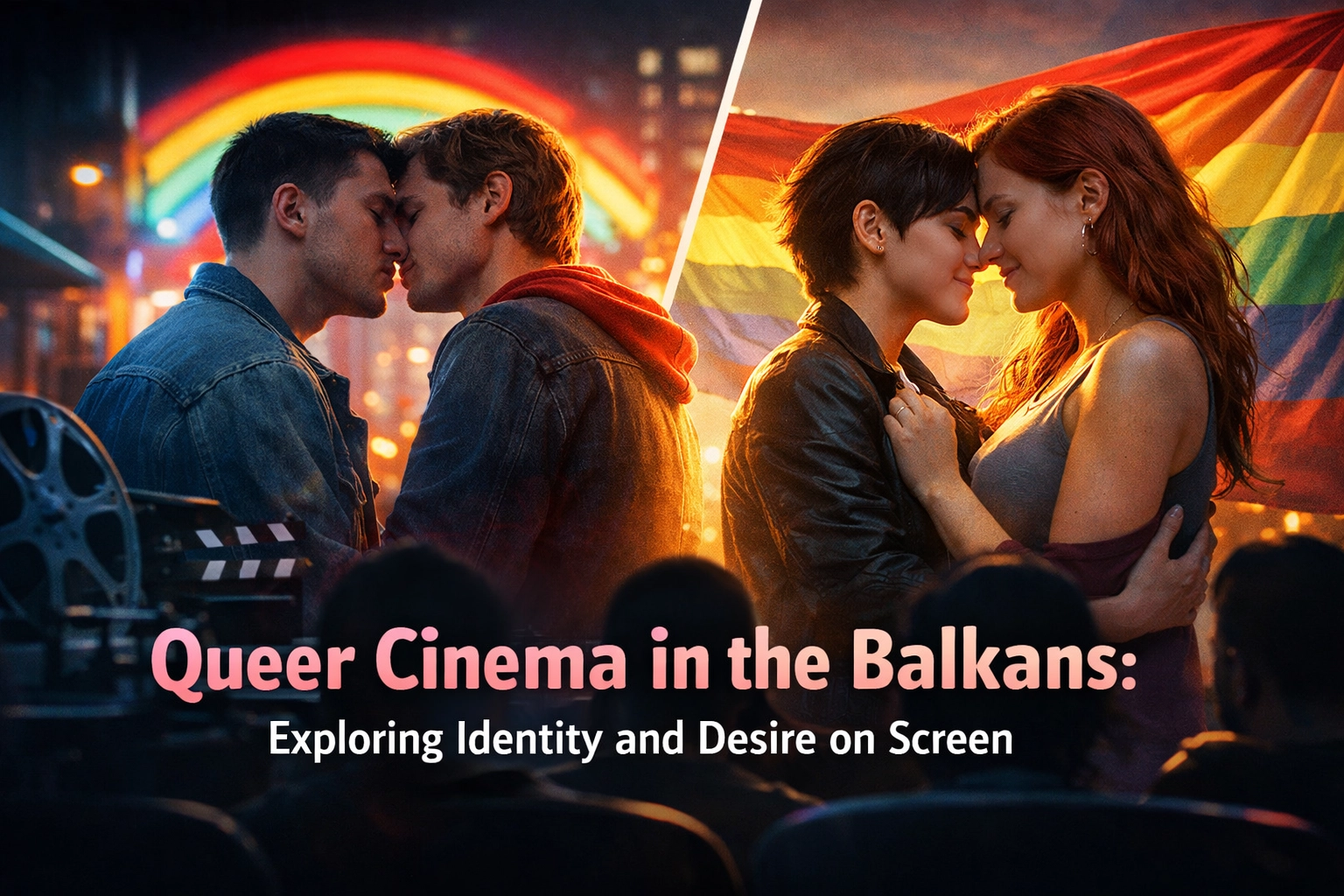
When we think about the Balkans, the conversation often shifts toward complex history, stunning coastlines, and a resilient spirit. But for us in the LGBTQ+ community, there is a deeper, more nuanced story being told through the lens of a camera. Queer cinema in the Balkans isn’t just about "coming out": it’s about survival, historical intervention, and reclaiming a narrative that has been suppressed for decades.
At Read with Pride, we’re obsessed with how stories shape our reality. Whether it’s a spicy MM romance set in a bustling city or a gritty gay historical romance that explores the shadows of the past, we know that representation matters. Today, we’re stepping away from the bookshelf for a moment to look at the silver screen. Balkan queer cinema is having a massive moment, and if you haven't been paying attention, you're missing out on some of the most authentic, raw, and moving stories in the world of gay fiction and film.
The "Black Wave" and the Seeds of Rebellion
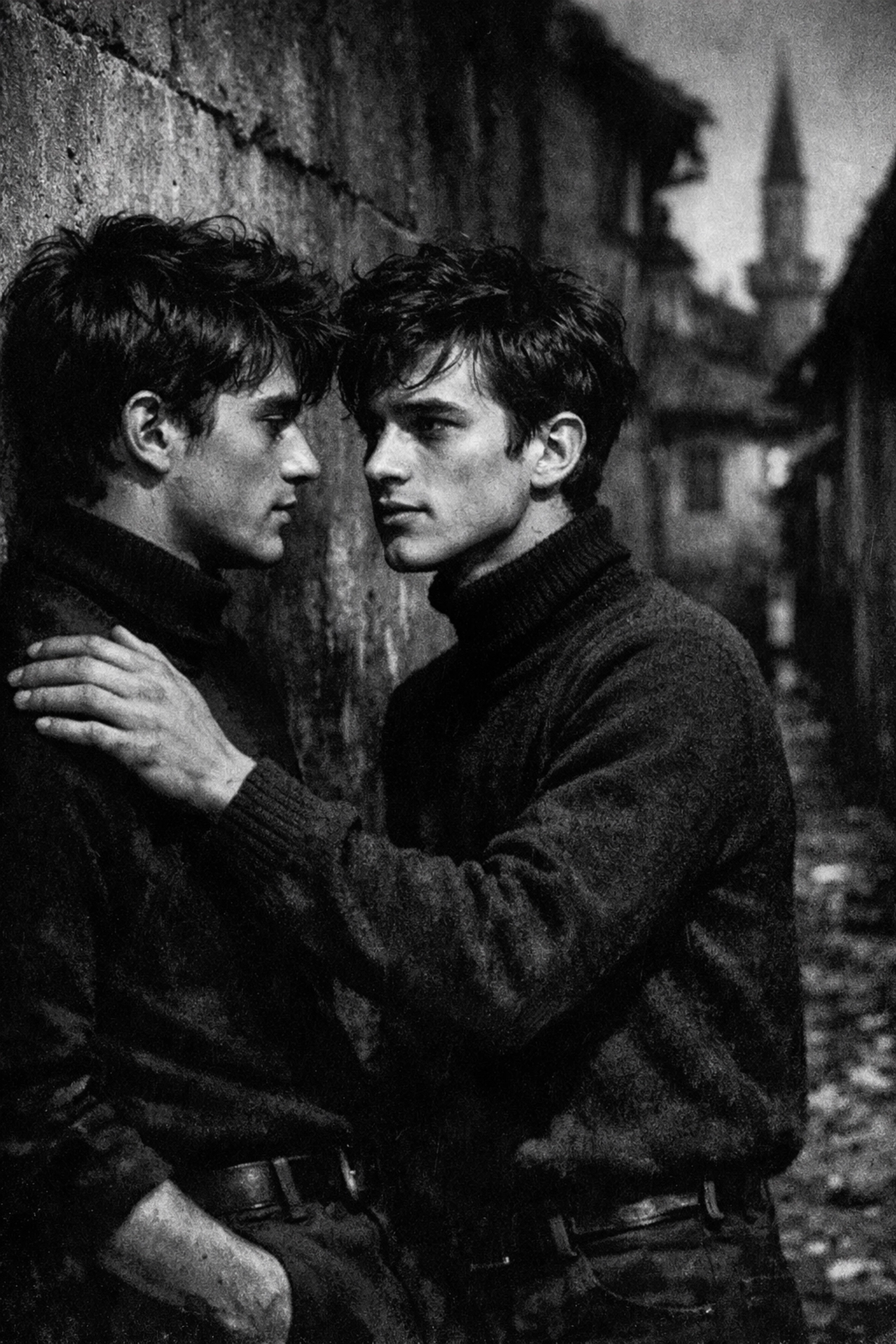
To understand where we are now, we have to look back at the Yugoslav "Black Wave" of the late 1960s and early 70s. This was a time of intense artistic rebellion. While the rest of the world was experiencing the sexual revolution, filmmakers in the former Yugoslavia were using subtext to challenge official ideologies.
Interestingly, homosexuality first entered the scene as a form of non-conformity. It wasn't always a "gay love story" in the way we recognize it today; rather, it was a tool used by directors to show the "otherness" of people living on the margins. Films like Crows (1969) pushed boundaries so hard they were actually banned, despite making it all the way to Cannes. They dared to show desire that didn't fit the state's rigid definitions of a "productive citizen."
If you love gay literature that features a bit of rebellion and counter-culture, the history of the Black Wave is your cinematic equivalent. It laid the groundwork for the bold, unapologetic stories we see coming out of the region today.
Post-War Transformation and the 90s Shift
The 1990s were a period of immense trauma and transition for the Balkan region. As the old systems collapsed, a new wave of activism was born. This era saw the first organized gay-lesbian initiatives in countries like Serbia, Croatia, and Slovenia.
Filmmakers began to use queer figures to explore the feeling of being "in-between." They weren't just telling stories about sexuality; they were using the queer experience to talk about moving across borders, the struggle of post-socialist life, and the search for a home in a changing world. It reminds me a lot of the themes we see in genre-bending MM romance: where the external world is just as much of a character as the protagonists themselves.
Essential Balkan Queer Films You Need to Watch
If you’re looking to dive into the world of Balkan cinema, here are a few standouts that challenge traditional norms and showcase the incredible diversity of the region:
1. The Marriage (Martesa) – Kosovo (2017)
Directed by Blerta Zeqiri, this film is a powerhouse of emotional storytelling. It centers on a love triangle on the eve of a wedding, but at its heart, it’s about the hidden love between Bekim and Noli. This film acts as a "historical intervention," showing how the trauma of the Kosovo war and societal expectations of Izzat (honor) and family dynamics force queer love into the shadows. It’s as gut-wrenching as any emotional MM book you’ve ever read.
2. The Parade (Parada) – Serbia (2011)
If you like your gay fiction with a side of dark humor and a "grumpy/sunshine" dynamic, The Parade is a must-watch. It tells the story of a group of activists trying to organize a Pride march in Belgrade, who end up hiring a group of former war enemies (macho veterans) to provide security. It’s witty, loud, and surprisingly moving, showing how common ground can be found in the most unlikely places.
3. Strella (A Woman's Way) – Greece (2009)
While technically a Greek film, its influence and themes resonate deeply across the Balkan peninsula. It follows an ex-convict who falls in love with a young trans sex worker, only to discover a shocking connection to his past. It’s a bold exploration of identity and desire that refuses to play by the rules.

Why Cinema Mirrors Our Favorite MM Romance Tropes
At Readwithpride.com, we see a lot of overlap between the stories on screen and the popular gay books we publish. Many Balkan films lean into the "forbidden love" and "star-crossed lovers" tropes because, for many in the region, that is the lived reality.
In countries like Poland and parts of the Balkans, the concept of "LGBT-free zones" or heavy religious influence means that simply existing as a queer person is an act of defiance. This makes for high-stakes narratives that feel incredibly urgent. When we read a gay contemporary romance set in these regions, the "slow burn" isn't just a plot device: it's a reflection of the caution required to navigate safety and disclosure.
If you're interested in how to write these complex dynamics yourself, check out our guide on 7 mistakes you’re making with LGBTQ+ character development.
Reclaiming History Through Art
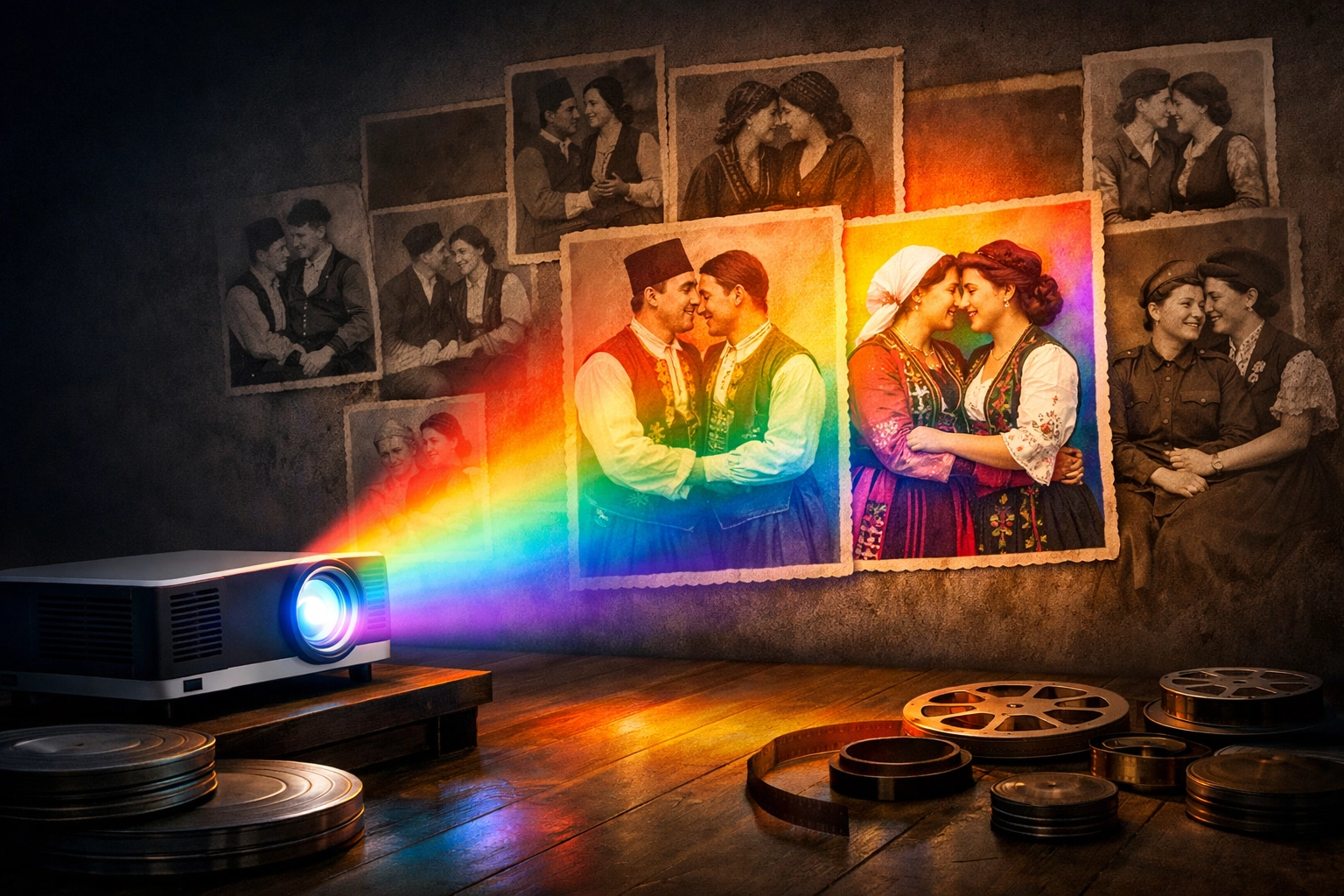
One of the most exciting trends in contemporary Balkan filmmaking is the use of documentary and archival footage. Directors are digging through the past to find the queer lives that were erased by "totalitarian and propagandistic" frameworks.
They are showing us that we have always been here. Whether it’s through a queer lens on the Balkan wars or uncovering the underground spaces of the 1980s, these films provide a sense of lineage. This is exactly why we love gay historical romance: it grounds our present in a rich, albeit often hidden, past.
Looking Forward: 2026 and Beyond
As we move through 2026, the landscape for LGBTQ+ fiction and film in the Balkans, Poland, and Ukraine is changing rapidly. Despite political pushback in some areas, the creative output is stronger than ever. Film festivals like Merlinka in Belgrade continue to provide a platform for these essential voices.
We’re seeing more intersectional stories that include trans and non-binary characters, as well as stories that explore the queer experience in rural areas, moving away from the "urban bubble." It’s an exciting time for queer authors and filmmakers alike.
Join the Conversation
The beauty of queer cinema (and gay novels) is that it allows us to step into someone else's shoes, to feel their heartbeat, and to understand that our struggle for love and recognition is universal. Whether you're watching a film from Kosovo or reading a steamy MM romance set in Warsaw, you're part of a global community that values authenticity.
What are your favorite queer films from the region? Have you found any MM romance books that perfectly capture the vibe of the Balkans? We’d love to hear your recommendations!
Stay tuned to Read with Pride for more deep dives into international queer culture. Don't forget to follow us on our socials to keep up with the latest 2026 gay books and releases:
- Facebook: Read With Pride
- X (Twitter): @Read_With_Pride
- Instagram: @read.withpride
For the best in LGBTQ+ ebooks and gay romance series, visit our store or browse our sitemaps to find your next favorite read.
#QueerCinema #BalkanFilm #LGBTQHistory #ReadWithPride #MMRomance #GayFiction #GayLiterature #2026GayBooks #LGBTQAuthors #QueerStories #BalkanLife #GayCulture

Leave a Reply
You must be logged in to post a comment.