

readwithpride.com
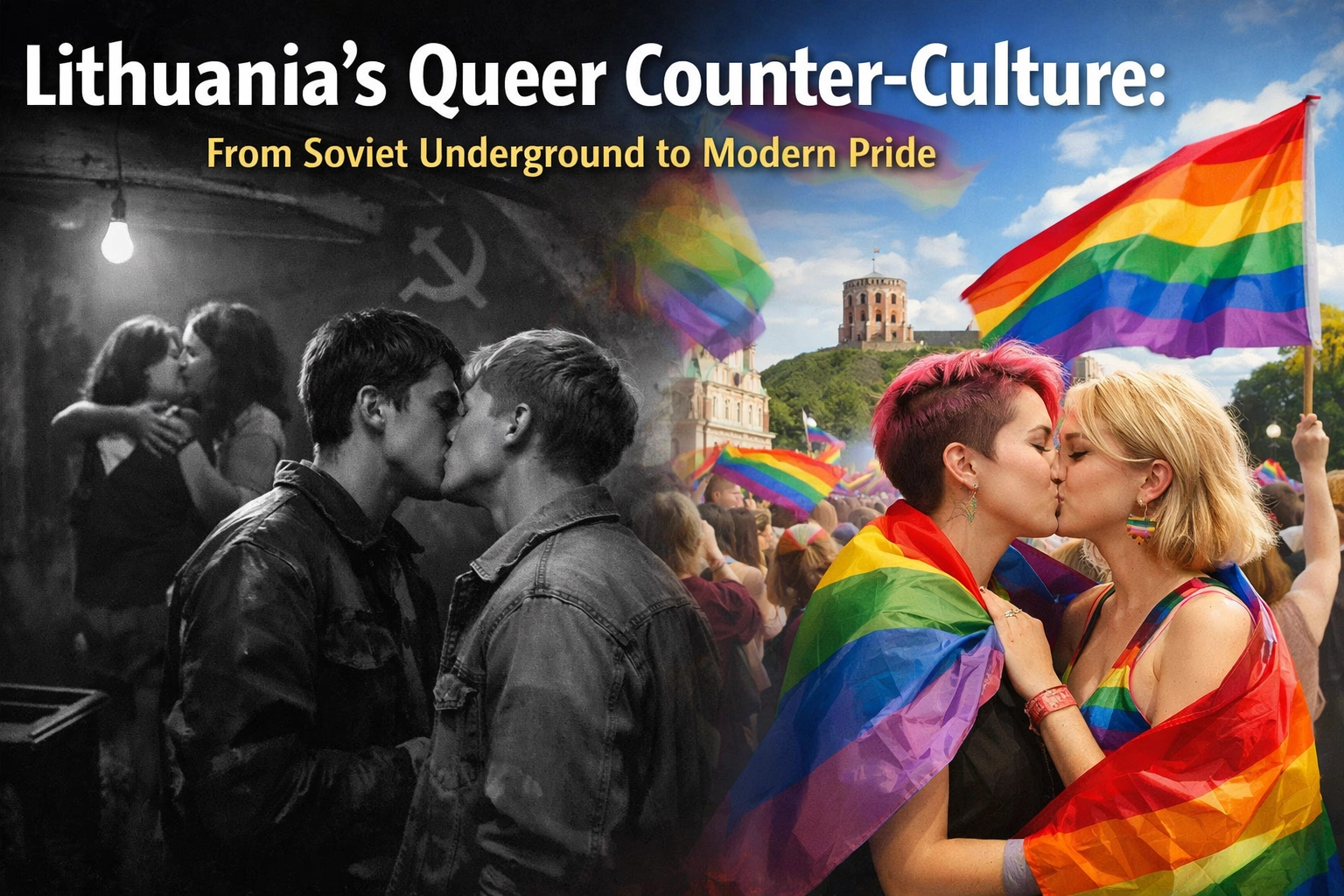
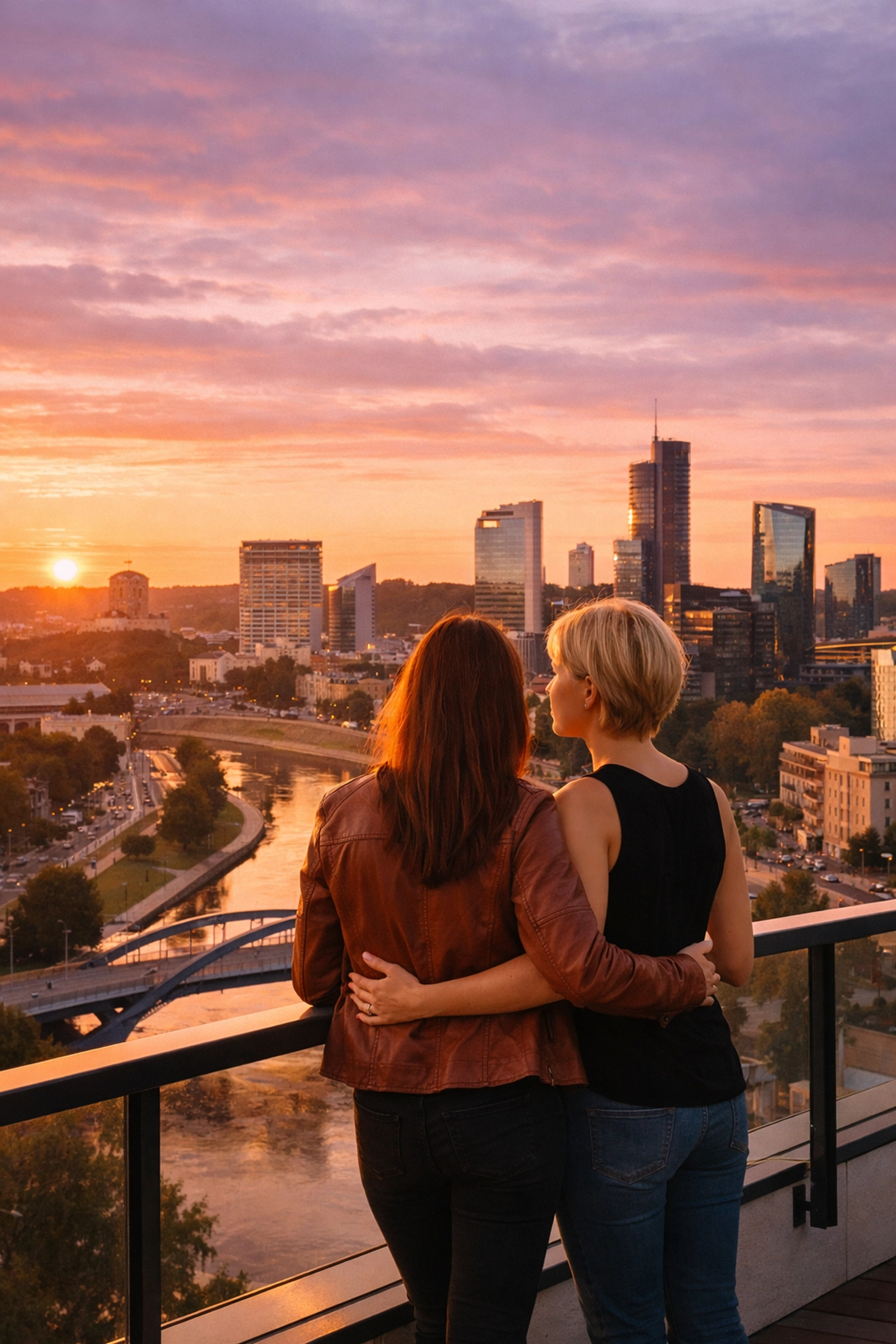
Imagine walking through the cobblestone streets of Vilnius today. You’ll see rainbow stickers on cafe windows, hear about the latest queer film screenings, and maybe even spot a couple holding hands in Užupis. But if we hopped in a time machine and dialed it back to the mid-1980s, the vibe would be entirely different. Back then, being queer wasn't just a social taboo; it was a ticket to a Soviet prison cell.
At Read with Pride, we’re obsessed with the stories that shaped us. Whether it’s the high-stakes drama of gay historical romance or the gritty reality of queer survival, understanding where we came from is vital. Lithuania’s journey from the "invisible" Soviet underground to the loud, proud movement of 2026 is one of the most intense glow-ups in European history.
The Era of "Article 121" and the KGB Shadow
Under the Soviet occupation, Lithuania was governed by the Soviet Penal Code. Specifically, Article 121 made "muzhelonstvo" (sexual relations between men) a crime punishable by up to three years in prison. Interestingly, the law ignored women entirely: not because of some progressive loophole, but because Soviet authorities literally couldn't conceive of lesbianism as a thing that existed.
Between 1961 and 1989, over 200 men were convicted under this law in Lithuania. While that number might seem small compared to the population, the real weapon wasn't the prison sentence: it was the blackmail. The KGB loved a good scandal. If they found out a man was gay, they didn't always arrest him immediately. Instead, they’d use that information to force him into becoming an informant. It was a culture of deep paranoia, where your most intimate secrets could be weaponized against your friends and family.
Living Without a Language
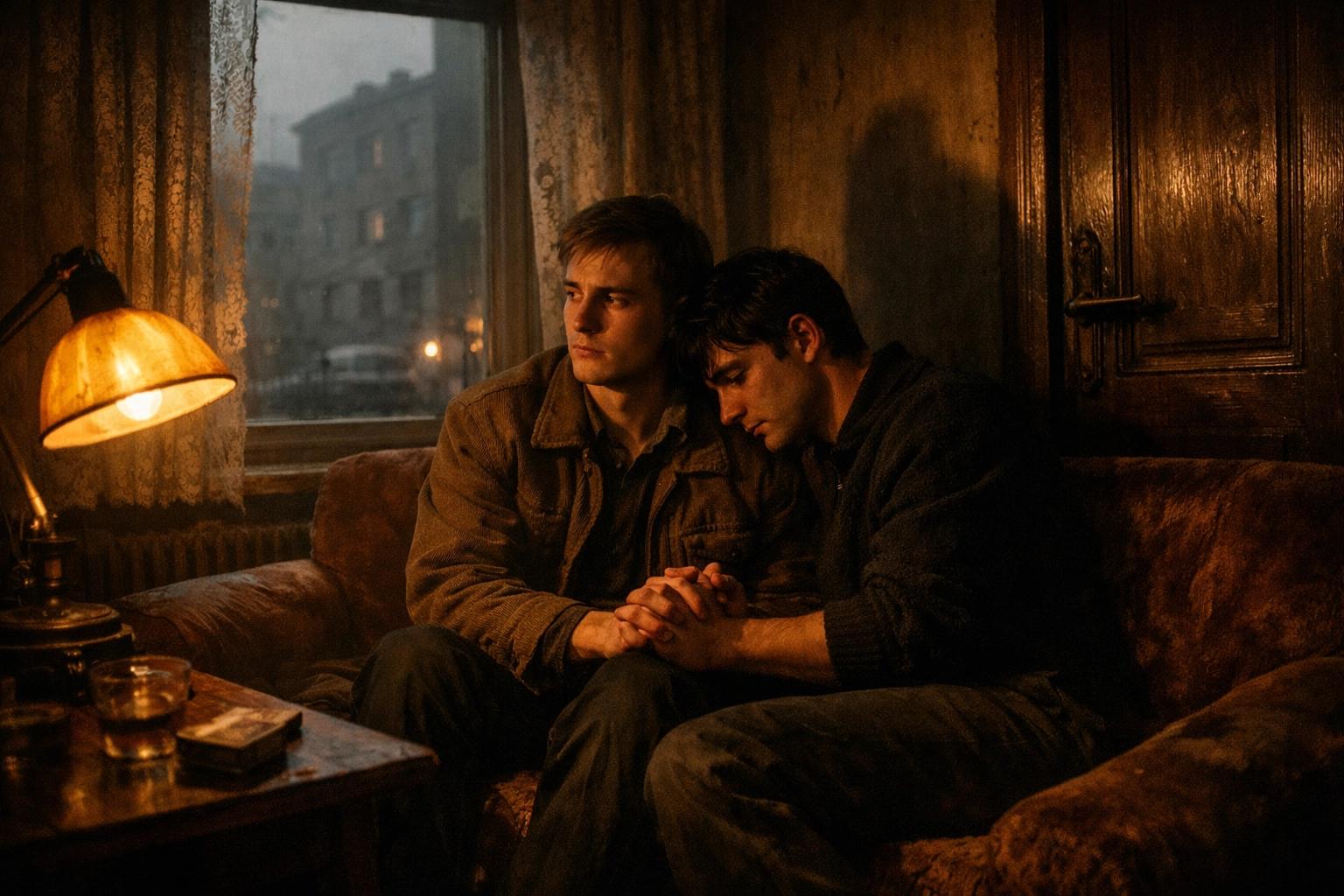
One of the most heartbreaking parts of Soviet queer life wasn't just the fear; it was the silence. The word "gėjus" (gay) didn't even exist in the Lithuanian vocabulary until after independence in 1990. Before that, the only words available were medical or derogatory.
Imagine trying to navigate your first crush or a deep soul-connection without having a single positive word to describe it. It’s the kind of premise you’d find in a heartbreaking MM romance book: two people finding each other in a world that refuses to give them a name. This linguistic void meant that many queer Lithuanians grew up feeling like they were the only person in the world who felt this way. They had the feelings, but no framework to explain them.
The Underground: Bathhouses and "Cruising" in the Grey
Despite the risks, humans are wired for connection. In the larger cities like Vilnius and Kaunas, a hidden world flourished. Men found ways to identify each other through subtle codes: a specific way of wearing a scarf, a lingering look in a park, or frequenting certain "safe" cafes.
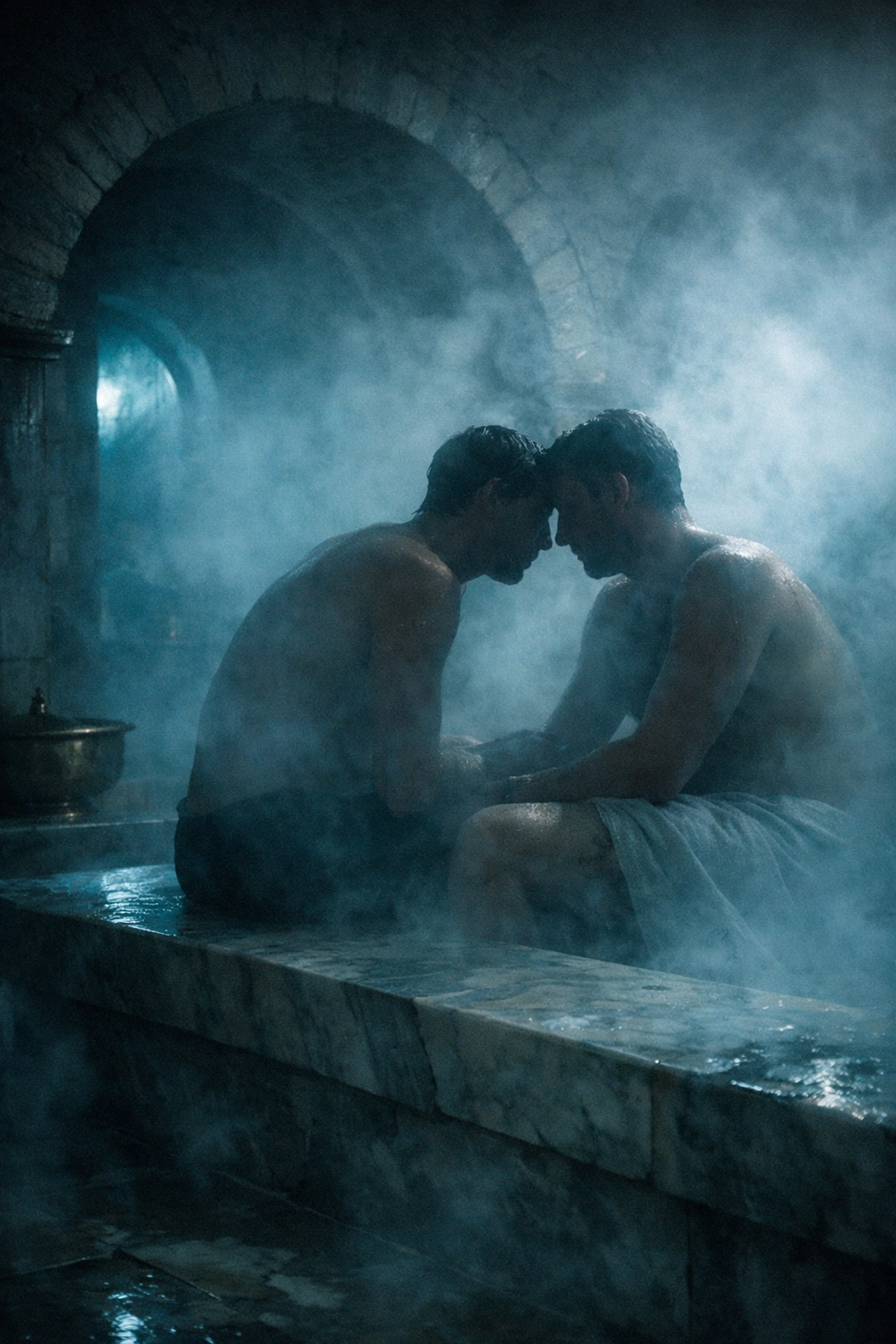
Public bathhouses were the heartbeat of the underground scene. They offered a rare space where men could be physically close without immediate suspicion. These weren't the glamorous queer clubs we see today; they were damp, steamy, and often dangerous. But for many, they were the only places where the mask could slip, even for an hour. This "double life" created a unique counter-culture that was as much about survival as it was about desire.

1993: The Great Decriminalization
When Lithuania regained its independence in 1990, the world changed overnight. But for the LGBTQ+ community, the "freedom" of the early 90s was a mixed bag. In 1993, Lithuania finally decriminalized homosexuality, two years after the Soviet collapse. It was a massive win, but as any reader of gay fiction knows, changing a law doesn't immediately change a heart.
The 90s were a "Wild West" period. The Lithuanian Gay League (LGL) was founded in 1995, but they were met with extreme hostility. Their offices were attacked with Molotov cocktails, and public discourse was still heavily influenced by the "pathological" view of homosexuality inherited from the Soviet era. The community was no longer being hunted by the KGB, but they were still being shamed by society.
The EU Turning Point and the Birth of Pride
Everything changed in 2004 when Lithuania joined the European Union. Suddenly, the country had to play by a new set of rules regarding human rights and equality. This wasn't always a smooth transition. To this day, Lithuania sits around 37th out of 49 European countries on equality scales.
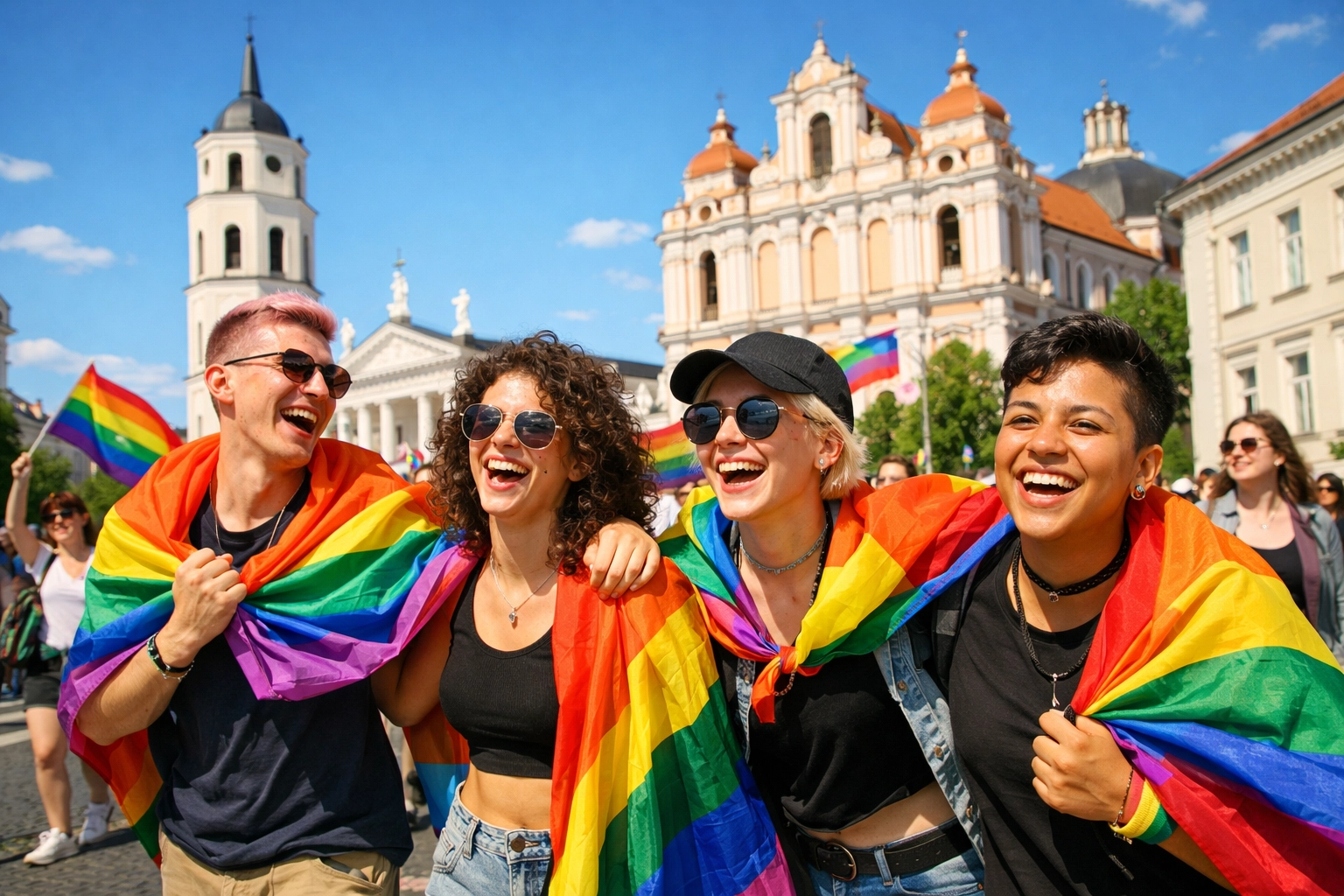
The first Baltic Pride in Vilnius in 2010 was a literal battleground. There were more police than marchers, and the air was thick with tension. But fast forward to the 2020s, and the narrative has shifted. Pride is no longer just a protest; it’s a massive cultural event. While legal hurdles like same-sex partnership and gender recognition remain (often tied up in long court battles), the social visibility is at an all-time high.
Why We Tell These Stories
At Readwithpride.com, we believe that stories are the ultimate tool for decolonizing the mind. For decades, the "official" story of Lithuania was one that excluded queer people. By writing gay romance novels, MM historical romance, and queer fiction, we are reclaiming that lost history.
When you read a story about a hidden love in a Soviet-era apartment block, you’re not just consuming entertainment: you’re honoring the real people who lived those lives in the shadows. The transition from the underground to the spotlight is a testament to the resilience of the human spirit.
If you’re looking for stories that capture this blend of grit and hope, check out our collection of popular gay books. We specialize in gay love stories that don’t shy away from the struggle but always prioritize the heart.
The Modern Movement and the 2026 Outlook
As we move through 2026, the Lithuanian queer scene is more vibrant than ever. Young activists are no longer content with just "not being arrested." They are demanding full equality, from marriage rights to better healthcare for trans individuals. The influence of global queer culture: drag shows, queer literature, and digital safe spaces: has made it impossible to push the community back into the closet.
The "Family Values" rhetoric still exists, and it’s a major talking point in the Seimas (Lithuanian Parliament), but the younger generation isn't buying it. They grew up with the internet, with Read with Pride, and with the understanding that love is a human right, not a political debate.
Finding Your Own Pride
Whether you’re in Vilnius or Virginia, the lesson of Lithuania’s counter-culture is clear: you cannot erase a community. You can hide it, you can silence its language, and you can threaten it with laws, but it will always find a way to bloom in the cracks of the pavement.
If you want to dive deeper into the world of LGBTQ+ storytelling, why not explore our latest releases? From steamy MM romance to heartfelt gay fiction, we have something for every mood. We are proud to be an LGBTQ+ ebook publisher that puts our community’s voices first.
Check out some of our top picks for 2026 gay books and join the conversation. Our history is long, our present is loud, and our future is looking brighter than ever.
Keep reading, keep dreaming, and always read with pride.
Explore more from Read with Pride:
- Browse our Author sitemap for your favorite writers.
- Learn about keeping your profits as a queer creator.
- Discover why Readwithpride is for the soul.
Follow our journey:
#Lithuania #QueerHistory #LGBTQ #ReadWithPride #BalticPride #GayRomance #MMRomance #GayFiction #SovietHistory #QueerResistance #2026Books

Leave a Reply
You must be logged in to post a comment.