

readwithpride.com
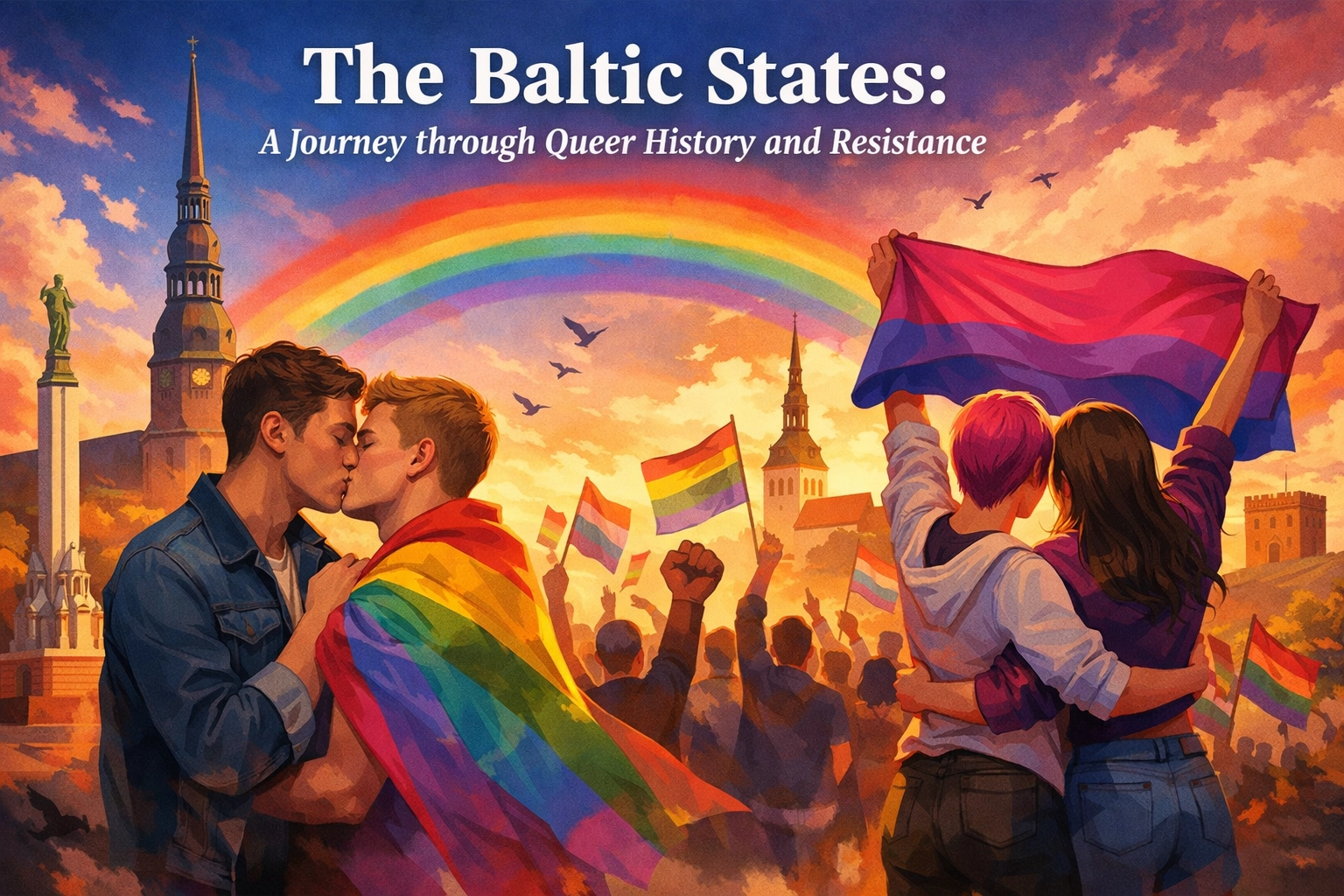
When we think of the "hubs" of queer life, our minds usually jet off to the neon lights of Berlin, the historic streets of Greenwich Village, or the sun-drenched beaches of Mykonos. But there’s a trio of countries in Northern Europe that have been quietly: and sometimes loudly: fighting for their place in the rainbow sun. Estonia, Latvia, and Lithuania, often grouped together as the Baltic States, have a history that is as complex, resilient, and fascinating as any gay historical romance you might find on your Kindle.
At Read with Pride, we believe that every story matters, and the story of the Baltics is one of moving from total erasure to vibrant, defiant visibility. Whether you’re here for the history or looking for your next LGBTQ+ ebooks fix, let’s take a deep dive into the Baltic soul.
The Inter-War "Golden" Years: Whispers in the Dark
Before the iron curtain fell and the world went grey for a few decades, the Baltic States actually had a burgeoning underground scene. In the 1920s, after the first period of independence from the Russian Empire, cities like Riga and Tallinn were surprisingly cosmopolitan.
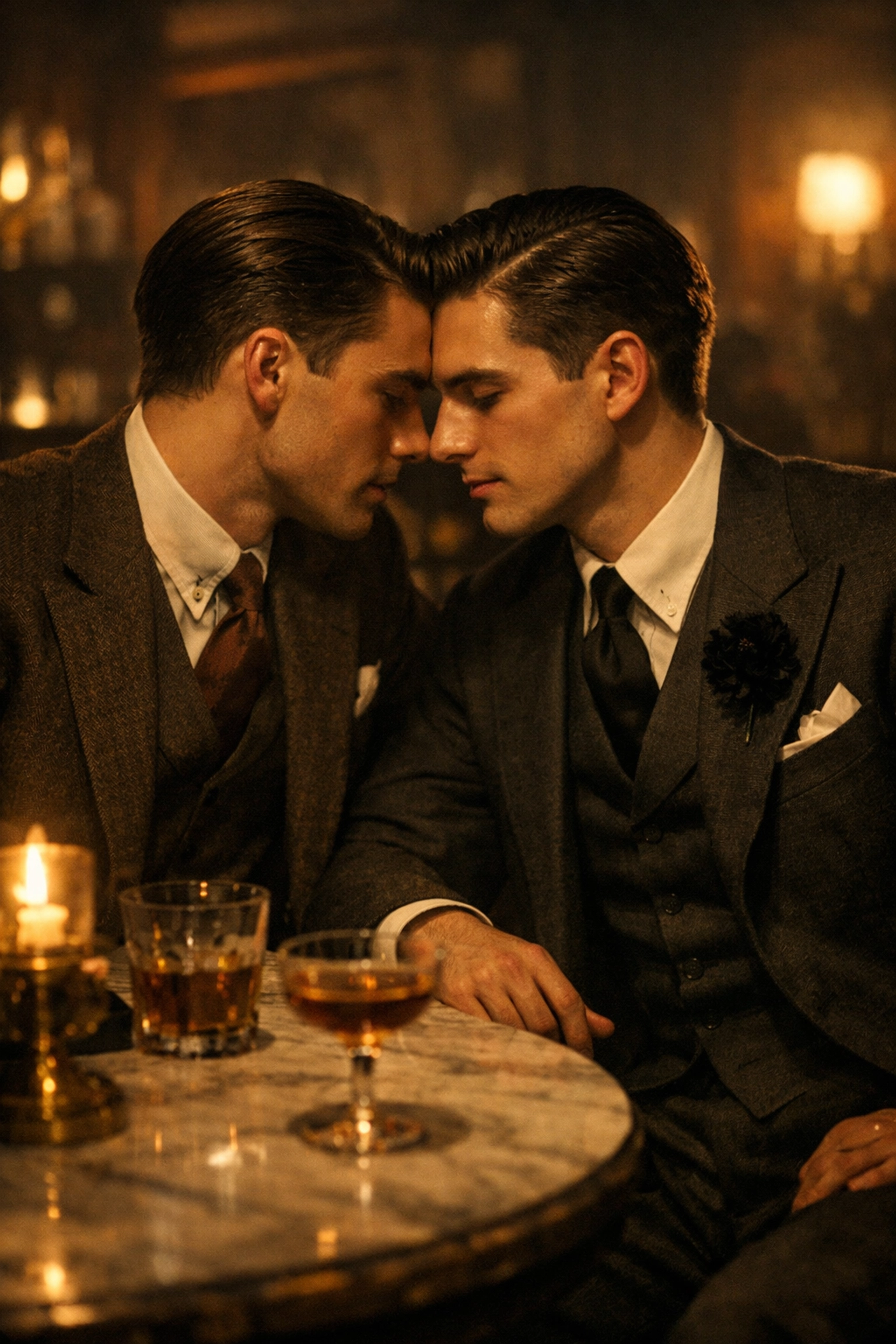
In 1926, the "Black Carnation club" scandal rocked Riga. Imagine a dimly lit room, the smell of expensive tobacco, and men in sharp suits: essentially the perfect setting for an MM historical romance. When police raided the club following lectures by the famous German sexologist Magnus Hirschfeld, it was the first time many locals realized that "people like that" lived right next door.
While it wasn't exactly "Pride" in the modern sense, there was a network of social spaces and underground venues. Estonia even had a period of decriminalization between 1929 and 1935. It was a time of exploration, even if it had to stay largely under the radar.
The Long Winter: Soviet Repression and the Myth of the "Foreign Import"
Everything changed in 1940. The Soviet occupation didn't just bring political change; it brought a systematic attempt to erase queer identity. Under the Soviet penal code, "male homosexuality" was a crime punishable by years of hard labor in Siberian GULAGs.
The most damaging part of this era wasn't just the prison sentences; it was the silence. Because no one could talk about being gay, the idea started to spread that LGBTQ+ identities were a "Western bourgeois decadence." This myth persists today, with some conservative voices still claiming that being queer is a "foreign import" rather than a fundamental part of human history.
For fans of gay psychological thrillers or gay spy romance, this era provides a chilling backdrop. The constant fear of the KGB and the necessity of "passing" in a society that demanded total conformity created a lived experience that was both terrifying and incredibly resilient.
1991: The Great Awakening
When the Soviet Union collapsed and the Baltics regained their independence in 1991, the race to rejoin Europe was on. A huge part of that meant aligning with European human rights standards.
Decriminalization happened quickly: Latvia in 1992 and Lithuania in 1993. But as any reader of heartfelt gay fiction knows, legal change doesn't always mean social acceptance. The 90s and early 2000s were a "wild west" period. People were finally free to speak, but the backlash from religious and conservative groups was intense.
Baltic Pride: Resilience in Motion
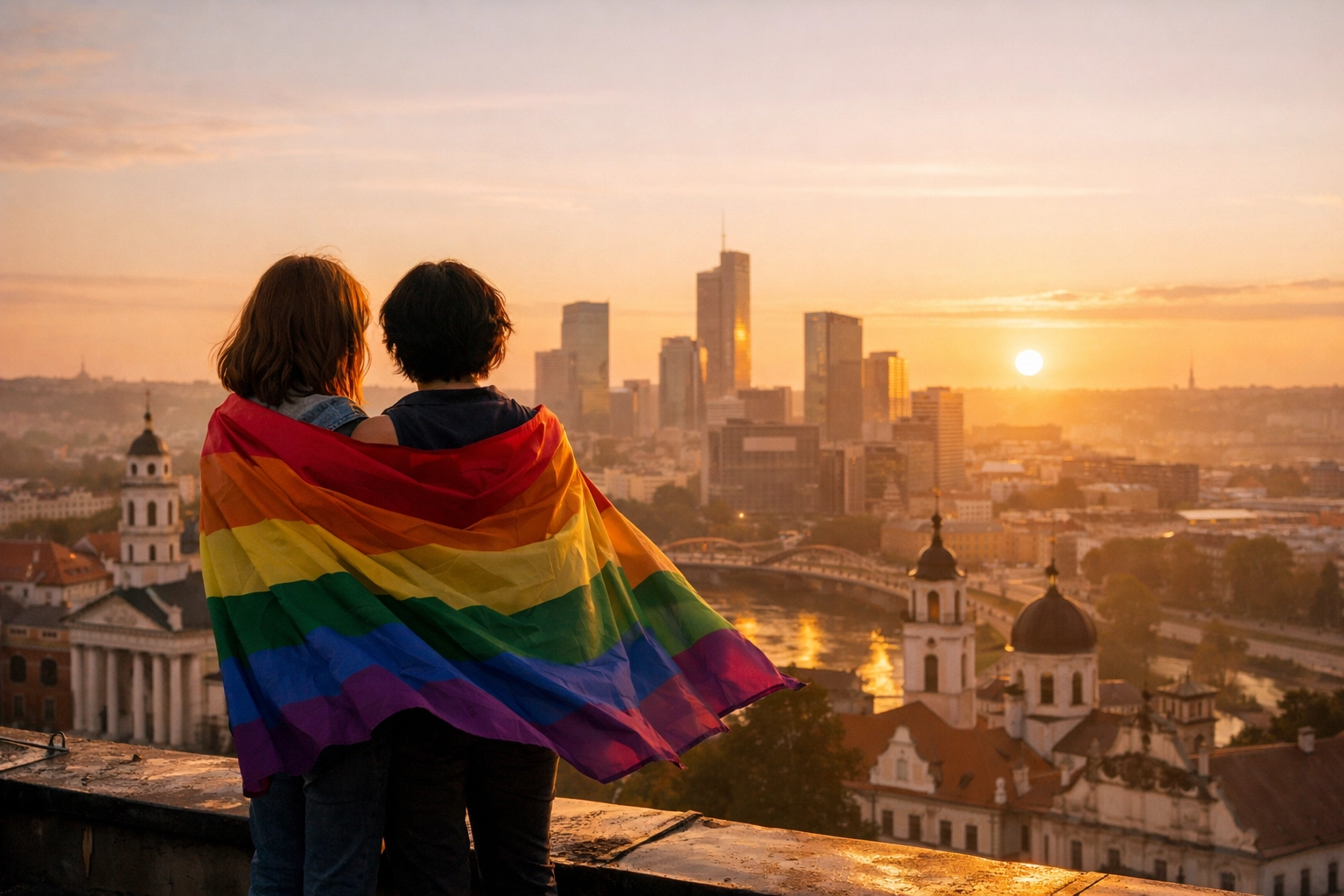
If you want to see what true bravery looks like, look at the history of Baltic Pride. It started in 2009, born out of a meeting between activists from all three countries who realized they were stronger together.
The early years weren't pretty. Marchers in Riga and Vilnius were met with protestors throwing eggs, smoke bombs, and worse. But they didn't stop. They kept marching, year after year, rotating the host city between Tallinn, Riga, and Vilnius.
By 2018, the "100 Days of Pride" linked the centenary of Baltic independence to the fight for individual freedom. It sent a clear message: you cannot celebrate national liberty while denying personal liberty. This spirit of resistance is exactly what we celebrate at Readwithpride.com.
The 2026 Landscape: A Tale of Three Sisters
As of March 2026, the "three sisters" are moving at different speeds, creating a landscape that is as varied as our favorite MM romance tropes.
Estonia: The Trailblazer
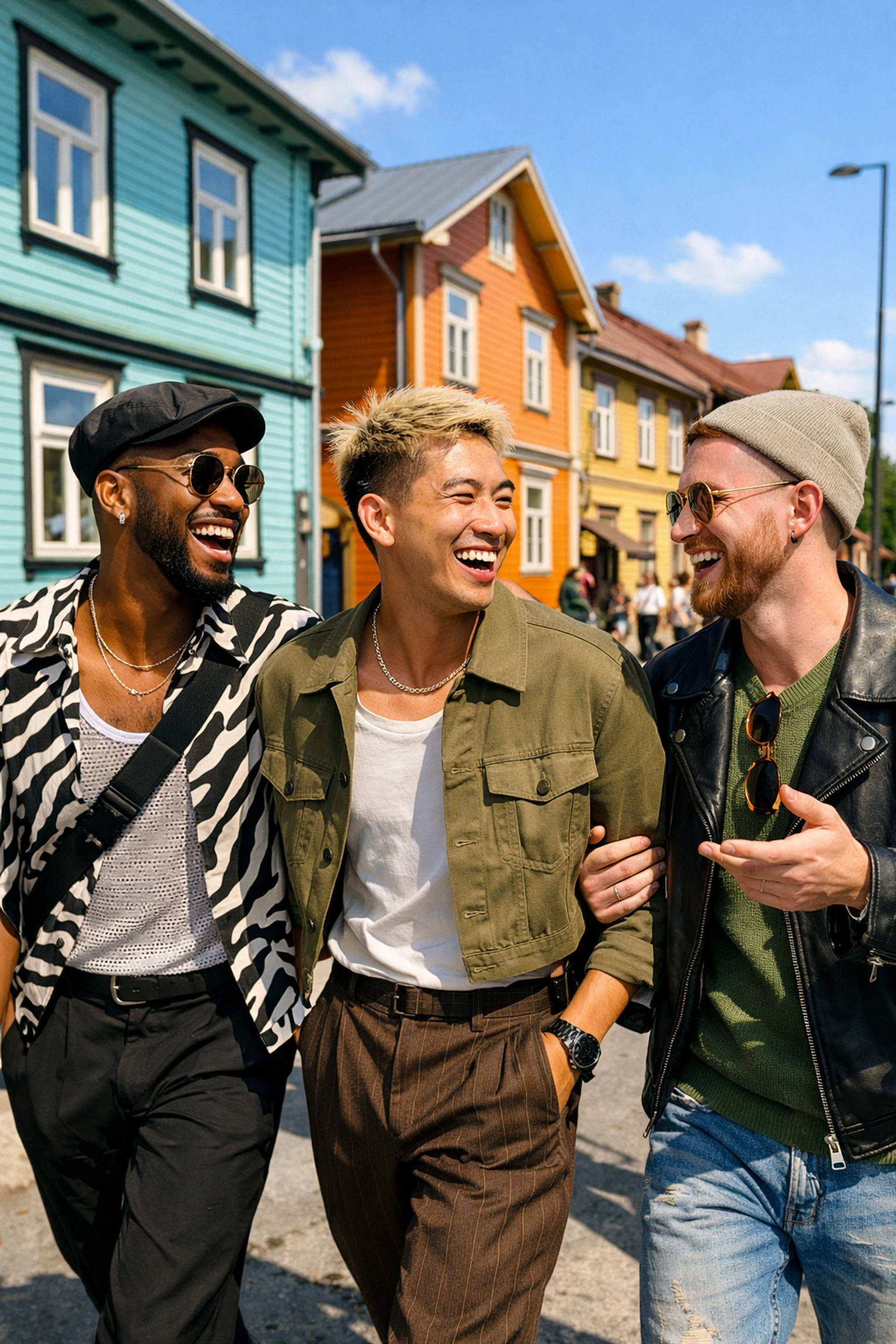
Estonia has firmly planted its flag in the "Nordic" camp. In 2023, it became the first former Soviet-occupied country to legalize marriage equality. Today, walking through the hipster district of Kalamaja in Tallinn, you’ll see rainbow flags in cafe windows and queer couples holding hands. It’s a massive win for LGBTQ+ fiction come to life.
Lithuania: The Fight for the Partnership
Lithuania is in the middle of a heated battle. While the younger generation is overwhelmingly supportive, the influential Catholic Church and conservative politicians have stalled civil partnership laws multiple times. However, the cultural scene is booming. From queer film festivals to "From Dusk to Dawn" art exhibitions, the community is making its presence felt in every gallery and bookstore.
Latvia: The Complicated Middle
Latvia remains a challenge. It is often cited as one of the less hospitable EU countries for LGBTQ+ rights, yet Riga remains a hub for queer activists from across the post-Soviet space, including those fleeing persecution in Russia and Belarus. It’s a place of intense struggle but also intense solidarity: the kind of grit you find in a gay adventure romance.
Reading the Resistance: Queer Culture and Literature
At Read with Pride, we know that literature is often the first "safe space" for many. In the Baltics, contemporary writers and artists are finally reclaiming their history. They are moving away from the "tragic gay" trope and into stories of joy, mundane life, and radical self-love.
If you’re looking for popular gay books or the best MM romance that captures this spirit of survival and triumph, we have you covered. Whether it’s a gay contemporary romance set in the cobblestone streets of Vilnius or a gay fantasy romance inspired by Baltic folklore (think forest spirits and ancient myths), the region is a goldmine for storytelling.
Why Baltic Stories Matter in 2026
In a world where rights can sometimes feel fragile, the Baltic experience reminds us that progress isn't a straight line: it’s a circle of resistance, community, and storytelling. When you support queer authors and buy gay eBooks, you’re participating in that global conversation.
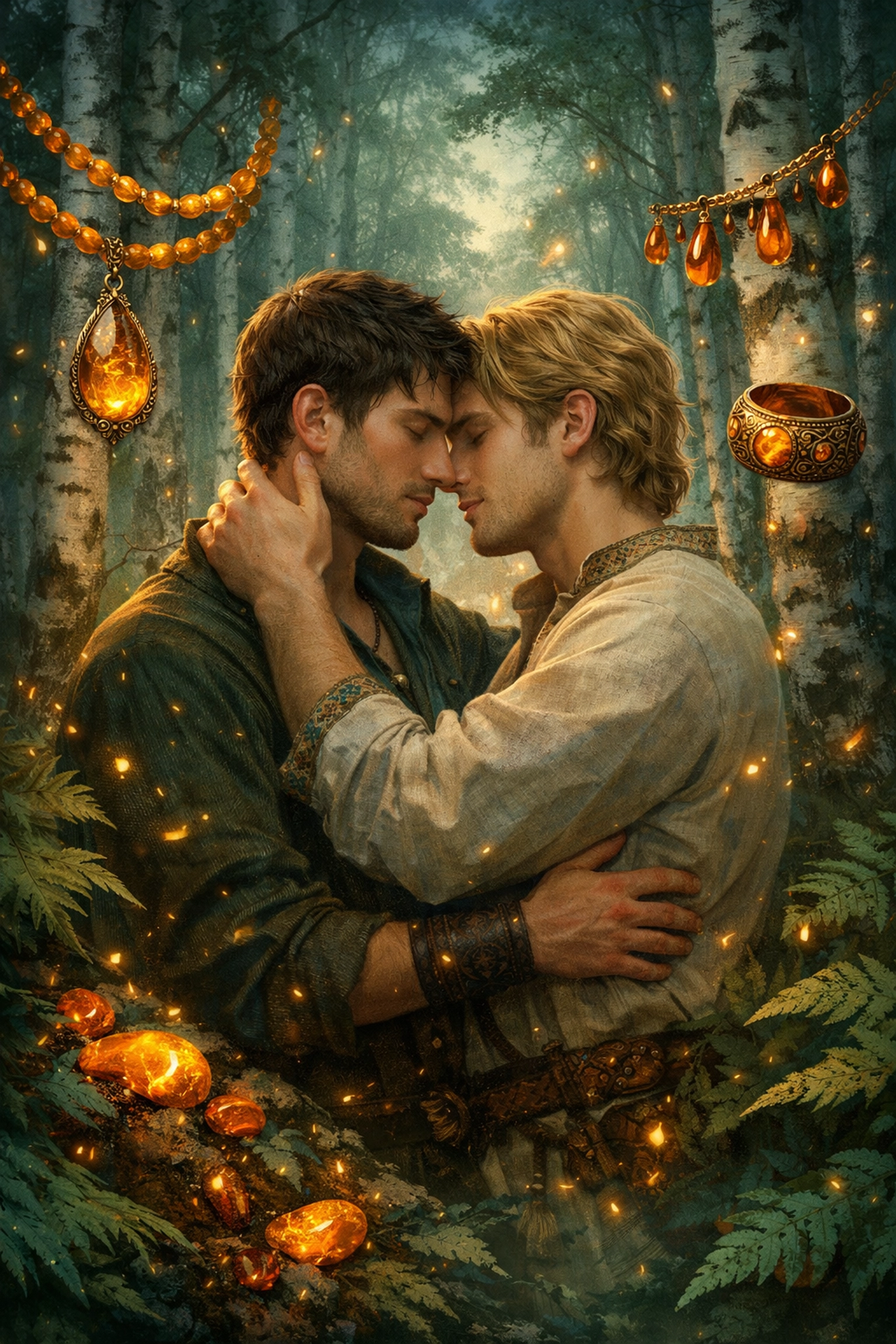
Join the Community
The journey of the Baltic States is far from over. There are still battles to be fought over trans rights, inclusive education, and social stigma. But if history has taught us anything, it’s that the Baltic queer community isn't going anywhere.
Want to dive deeper into the world of LGBTQ+ literature? Check out our latest collections and find your next favorite read:
- Browse our full catalog of MM romance books.
- Discover new voices in gay fiction.
- Check out our FAQ for info on how to get started with our LGBTQ+ Kindle books.
The history of the Baltics proves that even in the deepest silence, a story is waiting to be told. Let’s make sure those stories are heard.
Stay connected with the Pride:
- Follow us on Facebook
- Catch the latest updates on X (Twitter)
- See the beauty of queer life on Instagram
#Readwithpride #LGBTQBooks #MMRomance #BalticPride #GayHistory #QueerLiterature #2026GayBooks #GayRomanceNovels #SupportQueerAuthors

Leave a Reply
You must be logged in to post a comment.