
readwithpride.com
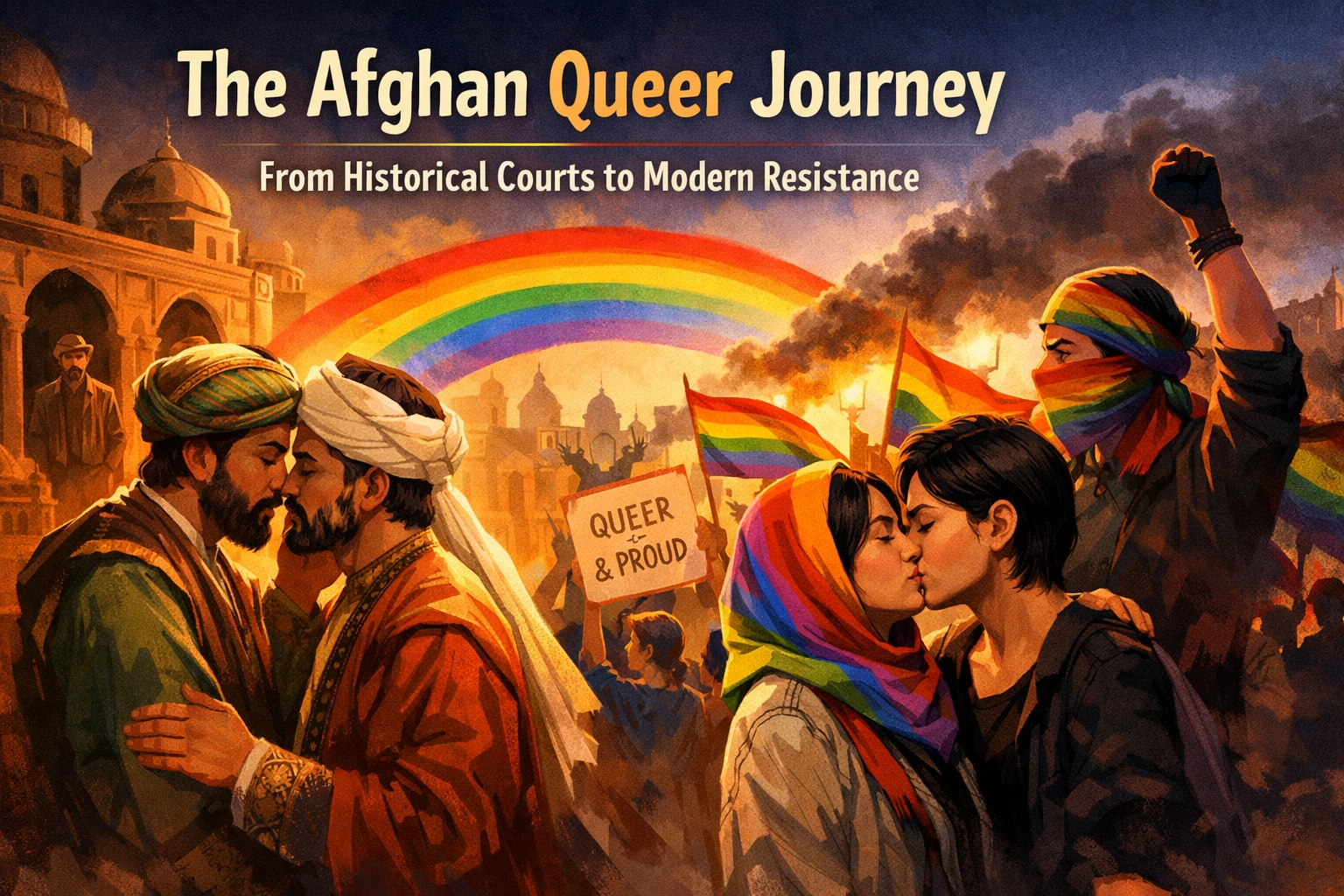
When we talk about queer history, we often gravitate toward the neon lights of Stonewall or the secret diaries of Victorian gentlemen. But if we turn our gaze toward the rugged beauty of Afghanistan, we find a narrative that is as complex as it is heart-wrenching. At Read with Pride, we believe every story deserves to be heard, especially those that are currently being silenced. The journey of LGBTQ+ Afghans isn't just a story of modern-day struggle; it’s a saga that spans centuries, from the poetic tolerance of ancient courts to the underground resistance of today.
Understanding this journey helps us appreciate the freedom we find in our favorite MM romance books and the vital importance of gay literature that speaks truth to power. So, let’s take a deep dive into a side of history and current events that you won't always find in the mainstream headlines.
A Legacy of Poetry and Hidden Passions
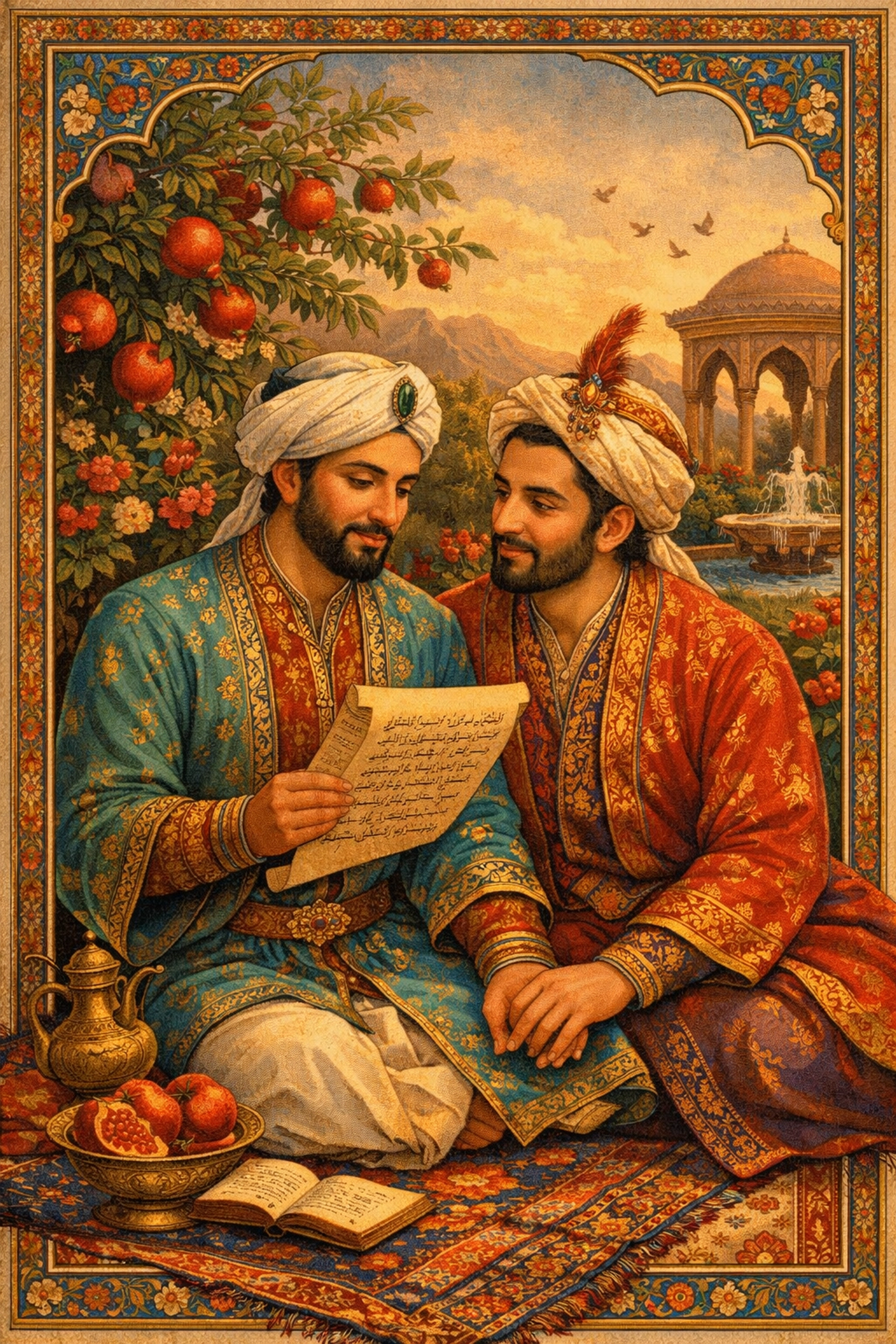
Long before the headlines of the 21st century, the region we now call Afghanistan had a much more nuanced relationship with same-sex desire. In the medieval and early modern periods, Persianate culture: which deeply influenced Afghan society: frequently celebrated the beauty of young men in poetry and art. Sufi mystics and court poets wrote extensively about the "beloved," often blurring the lines between divine love and earthly, same-sex attraction.
While it wasn't "gay identity" in the way we define it today at readwithpride.com, it was a space where male-male affection was a recognized, and sometimes even celebrated, part of the social fabric. These historical roots provide a stark contrast to the rigid, violent interpretations of morality that would later take hold. When we read gay historical romance, we often look for these hidden pockets of time where love found a way to breathe despite the odds.
The Dark Descent: The First Taliban Era
The 1990s marked a terrifying shift. When the Taliban first rose to power, they introduced a brand of extremism that sought to erase any trace of queer existence. Under the decree of Mullah Omar in 1994, consensual sodomy became a capital crime. The methods of execution were designed to be as public and gruesome as possible: ranging from stoning to the horrific practice of toppling stone walls onto those accused of "deviance."
During this time, the community was forced into total invisibility. To even be suspected of being gay was a death sentence, often carried out as an "honor killing" by one’s own family members to avoid the shame brought upon the household. It was a period of absolute darkness, where the only survival strategy was silence.
A Glimmer of Hope: The Republic Years (2001–2021)
Following the fall of the first Taliban regime, the two decades of the Republic offered a strange, contradictory kind of freedom. While homosexuality remained technically illegal under the penal code, the systemic, state-sponsored executions stopped. In Kabul and other urban centers, a fragile underground scene began to emerge.
Gay men and trans women could occasionally find safe houses or private parties where they could be themselves. This era also saw the rise of public-facing activism. In 2013, Nemat Sadat made history by becoming one of the first prominent Afghan figures to publicly come out. His courage sparked a conversation about gender freedom and LGBTQ+ rights that the country hadn't seen in generations.
For many, this was a time of exploration. The availability of the internet allowed younger Afghans to discover gay fiction, M/M books, and international queer culture. It felt like the beginning of a long road toward visibility.
The 2021 Takeover and the Return of the Shadow
Everything changed in August 2021. The return of the Taliban sent shockwaves through the global queer community. For LGBTQ+ Afghans, it wasn't just a political shift; it was a return to a nightmare. Reports from organizations like Human Rights Watch documented a swift and brutal crackdown. Taliban judges openly spoke about the return of "falling walls" and stoning as punishments for gay men.
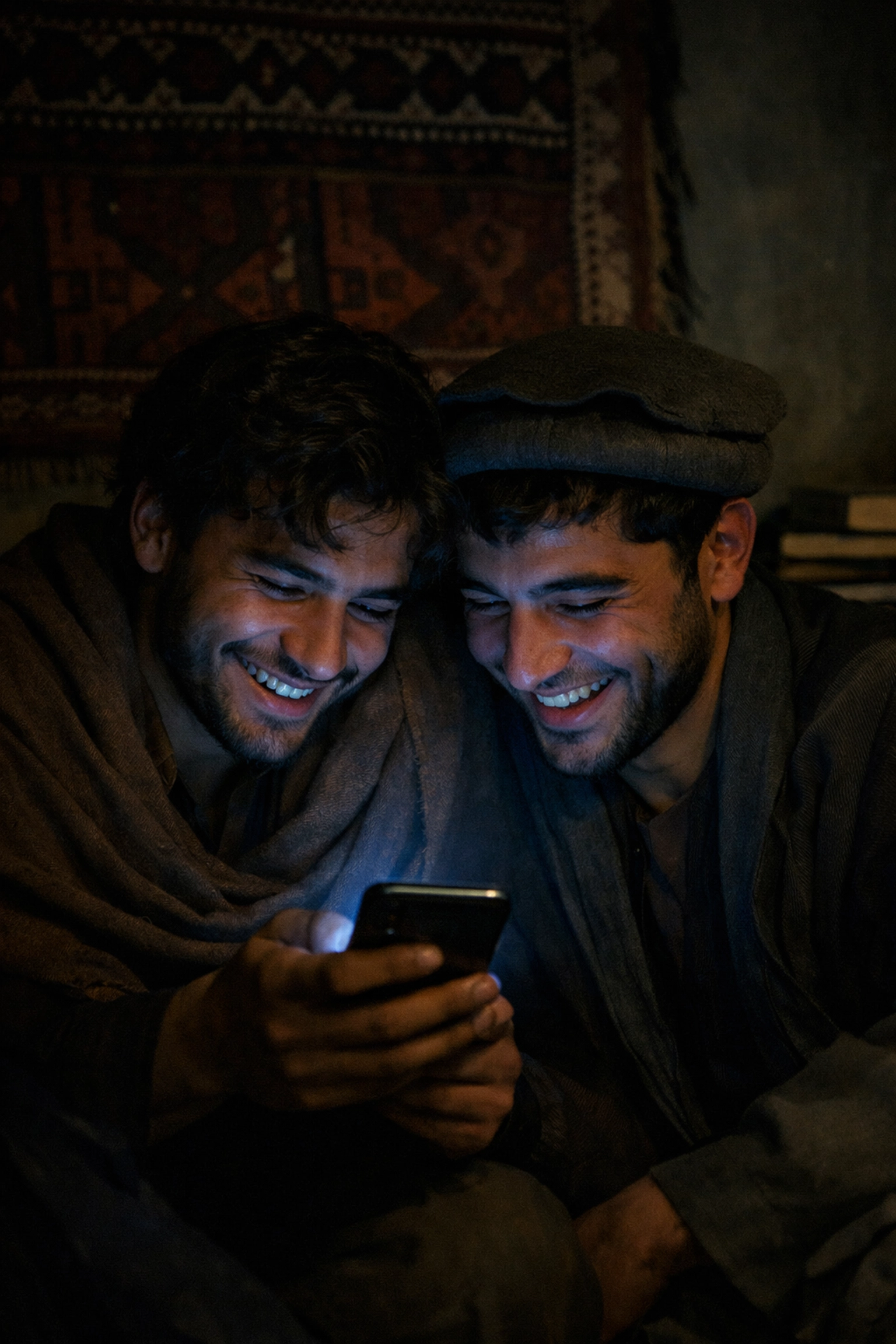
The systematic hunting of queer individuals became a reality. Taliban security forces began using "lure" tactics: setting up fake dates on social media to trap and arrest gay men. Many within the community were forced to burn their documents, delete their digital lives, and go into deep hiding.
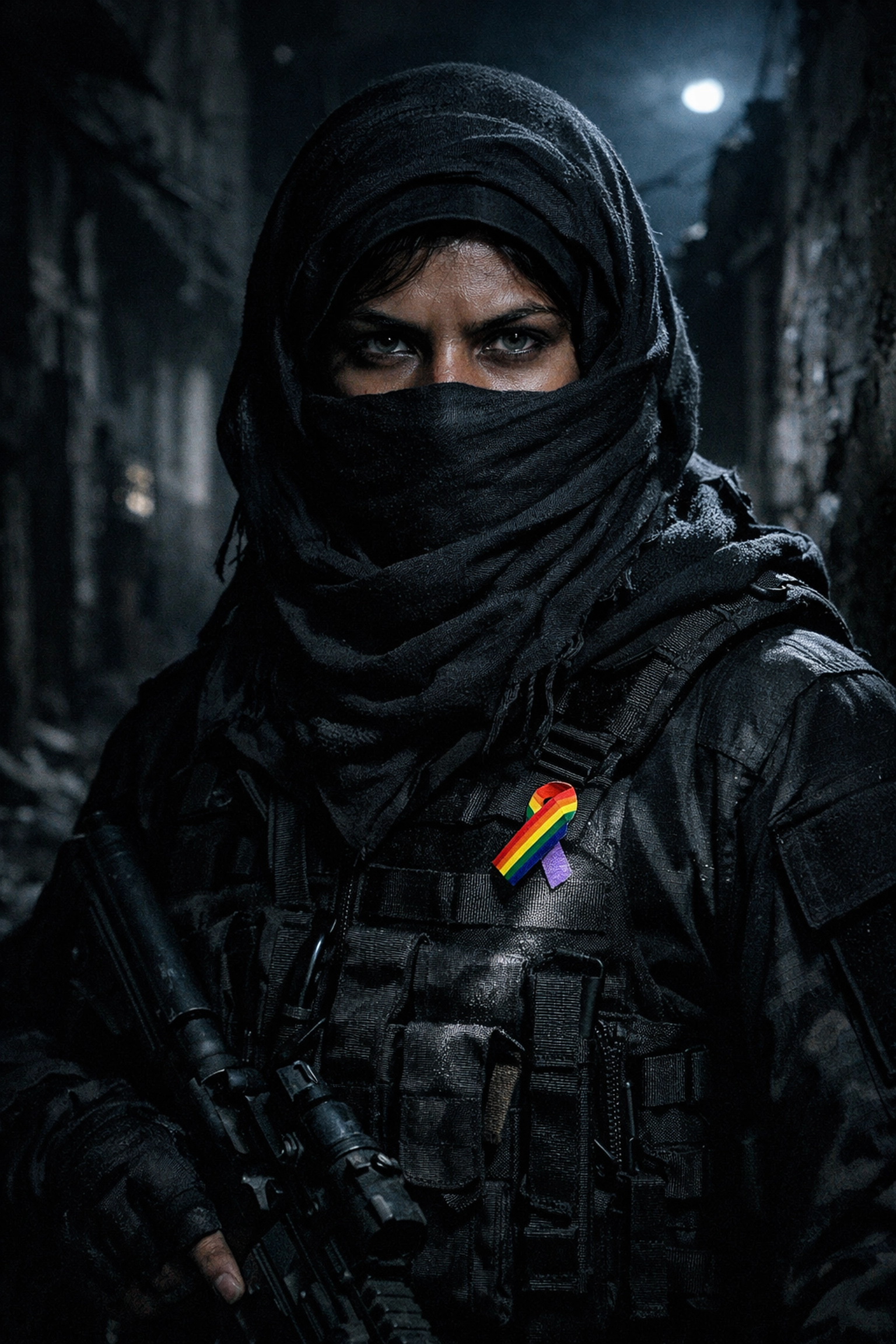
Despite the terror, the spirit of resistance remains. We’ve seen the rise of the "Unicorns": LGBTQ+ individuals who served in the Afghan military and now continue to fight for their lives and their country's future from the shadows. Their bravery is the stuff of gay adventure romance novels, but for them, the stakes are life and death.
Finding Strength in Stories and Solidarity
In times of extreme persecution, the stories we tell matter more than ever. At Read with Pride, we know that gay novels and queer fiction serve two purposes: they offer a window into lives different from our own, and they offer a mirror to those who feel invisible.
For many LGBTQ+ refugees who have managed to escape Afghanistan, finding community through popular gay books and gay book clubs has been a part of their healing process. Seeing their identities validated in print: something that was once a death sentence: is a powerful form of reclamation.
If you’re looking to support the community or stay informed, checking out the latest new gay releases 2026 often includes memoirs and social commentaries that highlight these global struggles. You can find more resources and stories at our blog-category-sitemap.
How the Global Community Can Help
The resistance isn't just happening inside Afghanistan; it's a global effort. NGOs and activist groups are working tirelessly to provide safe passage for queer Afghans. As readers and writers of MM romance, we have a platform to keep these stories alive.
Here is how you can stay involved:
- Stay Informed: Follow human rights reports specifically focusing on LGBTQ+ issues in the Middle East.
- Support LGBTQ+ Refugees: Donate to organizations like Rainbow Railroad that specialize in getting queer people out of harm's way.
- Read and Share: Diversify your reading list. Look for gay literature from Middle Eastern authors to understand the cultural nuances of their journey.
- Spread the Word: Use your social media presence to ensure the world doesn't forget the "Unicorns" of Kabul.
Looking Forward: The Future of Afghan Queer Resistance
As we move through 2026, the situation remains dire, but the voice of the Afghan queer community has never been louder on the international stage. Through underground networks and the digital diaspora, they are documenting every abuse and every small victory.
The journey from the historical courts of the poets to the modern struggle for basic human rights is a testament to the fact that queer people have always been, and will always be, a part of the Afghan story. No regime can truly erase a history that is written in the hearts of its people.
At Read with Pride, we will continue to highlight these stories alongside our favorite steamy MM romance and gay contemporary hits. Because pride isn't just a celebration; it's a protest, a remembrance, and a promise that love will eventually win.
For more stories of resilience and the latest in LGBTQ+ fiction, visit us at readwithpride.com. Let’s keep reading, keep fighting, and keep sharing the truth.
Join the Conversation
What are some of the most impactful gay books you’ve read that deal with global queer issues? Let us know on our socials!
- Facebook: Read with Pride on Facebook
- Instagram: @read.withpride
- X (Twitter): @Read_With_Pride
#ReadWithPride #AfghanQueerHistory #LGBTQRights #GayLiterature #MMRomanceBooks #QueerResistance #GayBooks2026 #HumanRights #LoveIsLove #ReadWithPride2026
Quick Links:

Leave a Reply
You must be logged in to post a comment.