

readwithpride.com
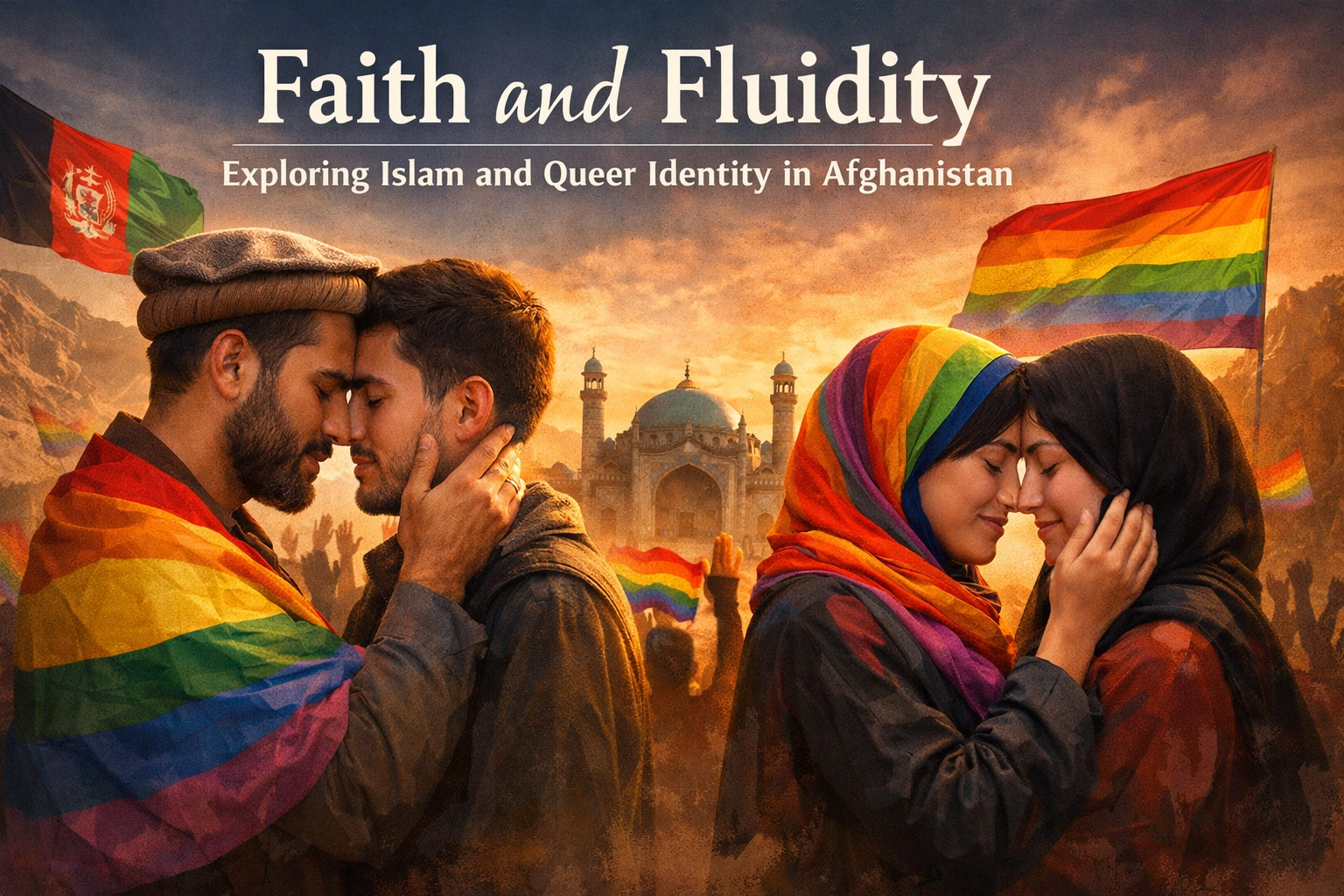
Hey everyone, it’s Penny here from Read with Pride. Today, we’re stepping away from our usual lighthearted tropes of "enemies to lovers" or "fake dating" to talk about something that hits close to home for many in our community, yet often remains shrouded in silence. We’re traveling: mentally and historically: to Afghanistan.
When we think of gay fiction or MM romance books, we often picture cozy cafes in London or sun-drenched vineyards in Italy. But queer stories exist everywhere, even in the places where the shadows are longest. In Afghanistan, the intersection of faith, culture, and identity creates a landscape that is as beautiful as it is heartbreaking. As we look at the landscape of 2026 gay books, there’s a growing movement to document these lived experiences, moving beyond just the "trauma" narrative to find the pulse of authentic Afghan queer life.
The Ghost of a More Fluid Past
It’s a common misconception that Afghanistan has always been a monolith of hyper-conservative values. If we look back at the history of the region: stretching back to the Persian influence and the Silk Road: the boundaries of gender and sexuality were often much more fluid than they are today.
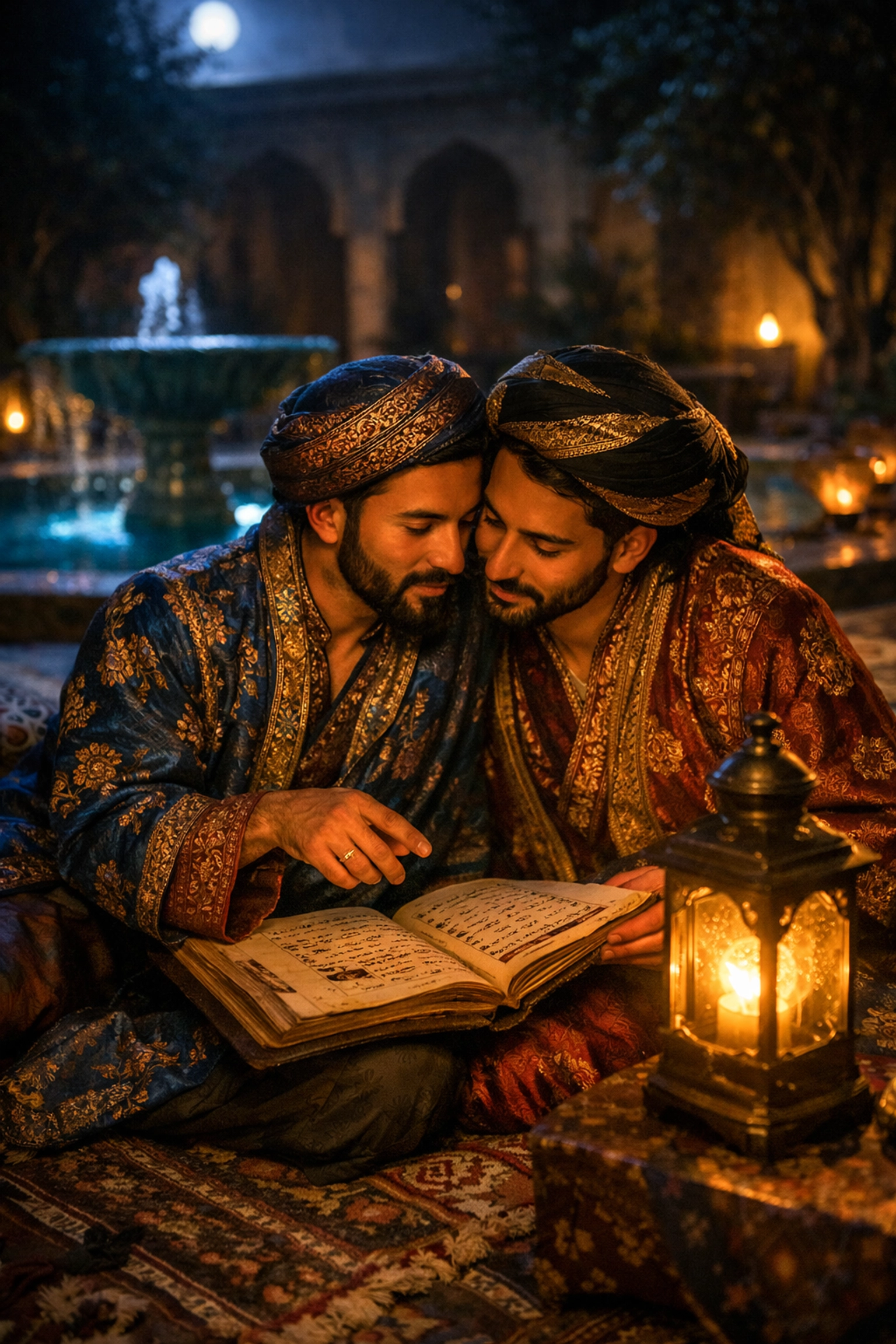
In classical Persian poetry, which remains the heartbeat of Afghan culture, the "beloved" was often gender-ambiguous. Poets like Rumi and Hafiz wrote verses that transcended the binary, describing a love for a beautiful youth that was both spiritual and physical. This isn't just "queer coding"; it’s a deep-rooted historical precedent for gay historical romance that long predates Western labels.
Before the decades of war began in the late 70s, Kabul was a vibrant hub on the "Hippie Trail." While it wasn't exactly a haven for Pride parades, there was a level of social tolerance and a thriving underground culture that allowed for a "don't ask, don't tell" existence. People lived their lives, found their partners, and existed within the fabric of their communities.
The Reality of "The Fake Life"
Fast forward to 2026, and the reality is starkly different. Since the Taliban regained control in 2021, the legal framework has shifted back to a literal and extreme interpretation of Sharia law. For our siblings in Kabul, Herat, and Kandahar, the risk isn't just social ostracization: it's execution.
As our research shows, the punishments discussed by Taliban judges: from stoning to the horrifying "toppling wall": are designed to instill absolute terror. This has forced the LGBTQ+ community into what many call a "fake life." Imagine having to go through the motions of a traditional marriage, hiding your phone, scrubbing your digital footprint, and never being able to speak your truth, even to your own family.
At Read with Pride, we believe that stories are a form of resistance. When the world tries to erase you, staying alive and holding onto your identity is a revolutionary act. Whether you are reading popular gay books in the safety of your home or writing secret journals in a basement in Kabul, your narrative matters.
Reconciling Allah and the Heart
One of the most profound struggles for queer Afghans is the intersection of their sexuality and their Muslim faith. Western narratives often suggest that you have to "choose" one or the other: that you must abandon your religion to embrace your queerness.
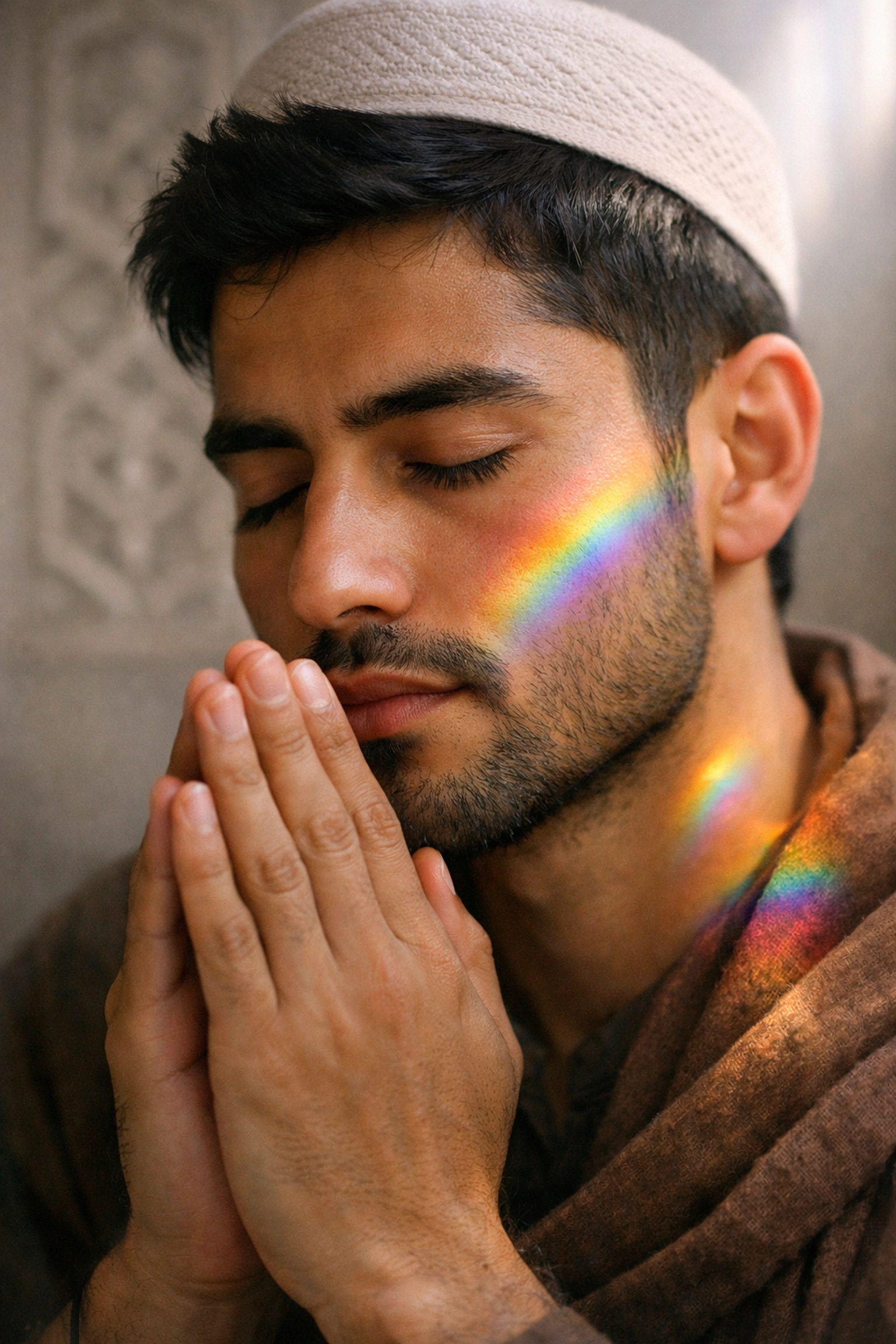
But for many Afghan LGBTQ+ individuals, Islam is not just a set of rules; it is their culture, their family, and their spiritual home. I’ve spoken with activists and individuals in the diaspora who describe a deeply personal, "fluid" relationship with faith. They find solace in the Sufi traditions of divine love, or they interpret the Quran through a lens of mercy and justice rather than condemnation.
Reconciling these two parts of oneself is a journey of extreme bravery. It involves carving out a space where "Allah knows my heart" becomes a shield against the homophobia of the world. In the world of top LGBTQ+ books, we are seeing more authors explore this intersection, showing that being queer and being Muslim aren't just compatible: they can be a powerful, unified identity.
The "Double Violence" Against Women and Trans Folks
We can't talk about Afghanistan without talking about the intersectional struggle of queer women and trans individuals. Under the current regime, women have been systematically erased from public life: banned from education, parks, and most workplaces. For a lesbian or a trans woman, this is "double violence."
They are oppressed because they are women, and they are hunted because they are queer. The "sworn virgins" or those who lived in the margins of gender have found their spaces of survival shrinking to almost nothing. This is why supporting queer fiction and memoirs from Afghan voices is so vital; it’s often the only way their specific struggles are documented for the world to see.
Finding Hope in the Diaspora and Literature
While the situation on the ground remains dire, the Afghan diaspora is doing incredible work. From Berlin to Toronto, Afghan activists are creating safe spaces and ensuring that the "unicorns" (a term often used for LGBTQ+ Afghans) are not forgotten.
In the realm of MM romance books and gay romance novels, we are starting to see a shift. Readers are looking for more than just a happy ending; they are looking for representation that feels real. We are seeing stories about Afghan refugees finding love while navigating the complexities of their past. These aren't just "gay love stories"; they are stories of survival, cultural pride, and the enduring human spirit.
If you’re looking to dive deeper into these themes, check out some of the genre-bending works we’ve been highlighting lately. For example, our post on why everyone is talking about genre-bending MM romance touches on how we can tell these complex stories with the nuance they deserve.
How You Can Help
It’s easy to feel helpless when reading about the situation in Afghanistan, but our community is built on solidarity. Here’s how you can make a difference:
- Support Organizations: Groups like Rainbow Railroad and various Afghan LGBTQ+ underground networks are literally saving lives.
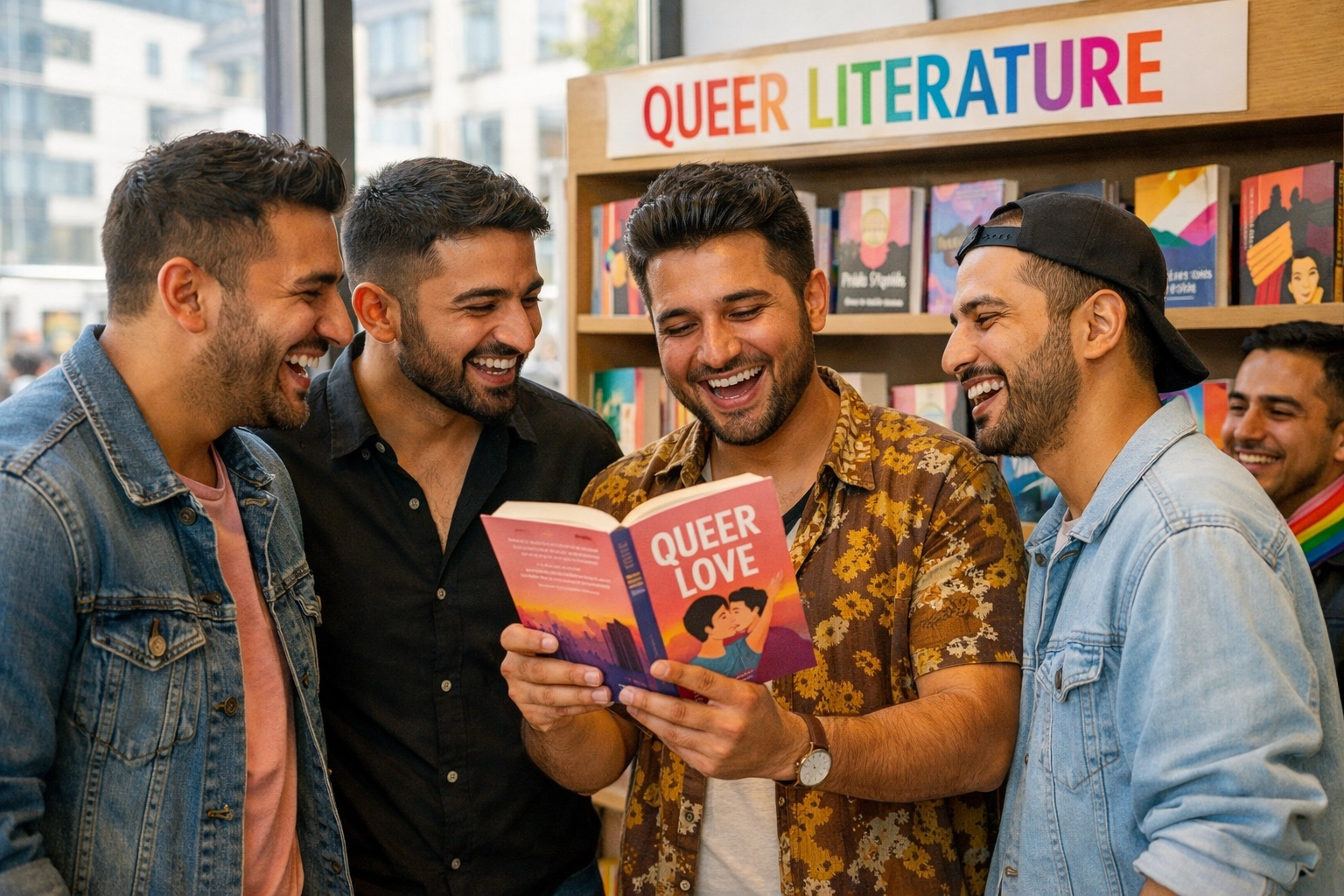
- Read and Share: Seek out queer authors from the Middle East and Central Asia. Your curiosity and support keep their stories alive. Check out our author sitemap for recommendations.
- Stay Informed: Don't let the headlines fade. Keep the conversation going on social media.
At Readwithpride.com, we are committed to being a platform for all voices. Whether it's a steamy MM romance or a heavy historical analysis, we believe every queer story is a step toward a more inclusive world.
Final Thoughts
The story of LGBTQ+ Afghanistan isn't over. It’s written in the secret whispers between friends, the hidden messages on encrypted apps, and the defiant resilience of those who refuse to let their light be extinguished. As we move through 2026, let’s make sure we are reading with pride, but also with purpose.
Stay brave, stay authentic, and keep reading.
Follow us for more stories and updates:
#ReadWithPride #LGBTQAfghanistan #QueerHistory #MMRomance #GayFiction2026 #FaithAndIdentity #InclusiveLiterature #GayBooks #QueerResilience
Looking for your next read? Explore our product sitemap or discover new releases in MM contemporary romance.

Leave a Reply
You must be logged in to post a comment.