

readwithpride.com
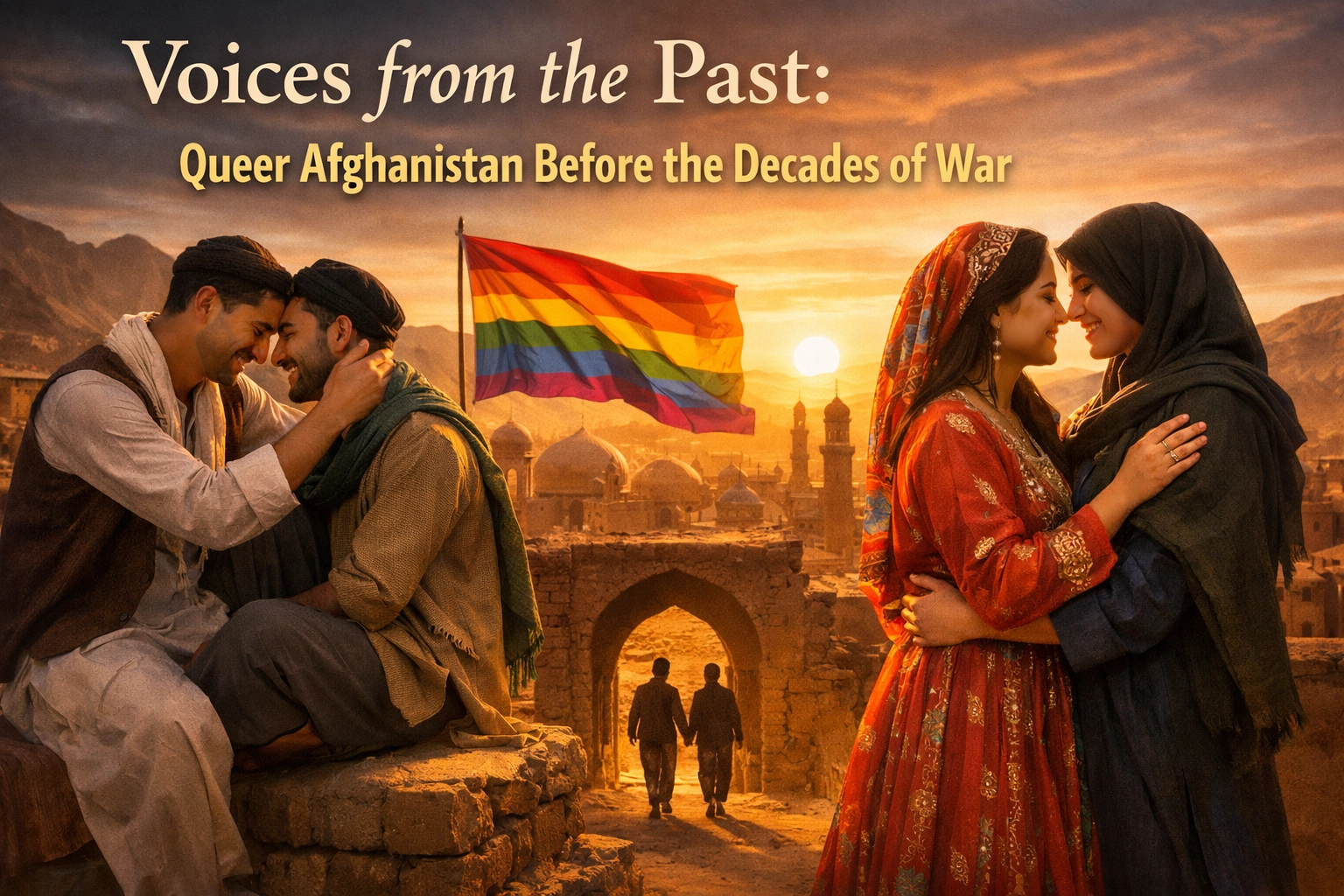
When we talk about queer history, our minds often drift to the Stonewall Inn, the bars of Berlin, or perhaps a Victorian-era gay love story whispered in a London alleyway. But there is a whole world of stories, vibrant, complex, and deeply human, that have been buried under the weight of geopolitics and conflict. Today, we’re taking a journey to a place that many only know through the lens of news reports: Afghanistan.
But we’re not looking at the Afghanistan of today's headlines. We’re stepping back into the 1960s and 70s, a time of "The Hippie Trail," mini-skirts in Kabul, and a cultural landscape where the lines of gender and desire were often more blurred than history books like to admit. At Read with Pride, we’re all about uncovering those hidden narratives, whether they’re in MM romance books or the real-life accounts of our elders.
The "Golden Age" of Kabul
Before the Soviet invasion of 1979 and the subsequent decades of turmoil, Afghanistan, particularly Kabul, was a drastically different place. It was a hub of intellectualism and a stop on the famous "Hippie Trail" for western travelers. But for the locals, it was a period of relative secularism under the monarchy of Mohammad Zahir Shah.
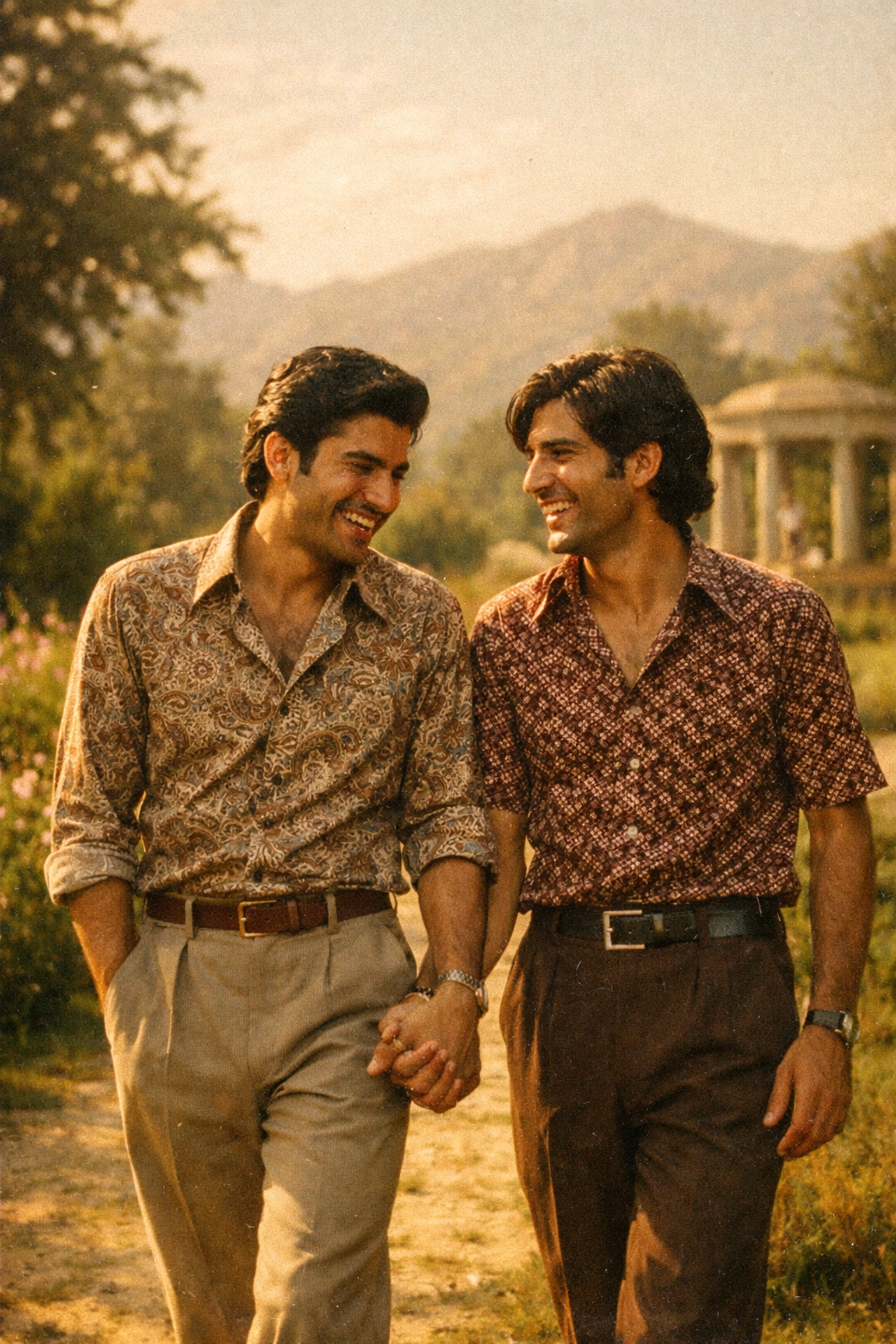
In the 1960s, the Afghan constitution was liberalized, and for a brief window, there was a sense of "anything is possible." While "coming out" in the Western, modern sense wasn't really a thing, the social fabric allowed for a unique kind of visibility. Men held hands in the street, a sign of friendship, yes, but also a shield for those whose bonds went deeper. In the tea houses (chai khanas) and the lush gardens of Paghman, queer life existed in the spaces between the lines.
If you’re a fan of gay historical romance, you know that the most intense stories often happen in the shadows of a society that doesn't quite have a name for your love yet. That was the vibe in 70s Kabul.
Roots in the Persian Literary Tradition
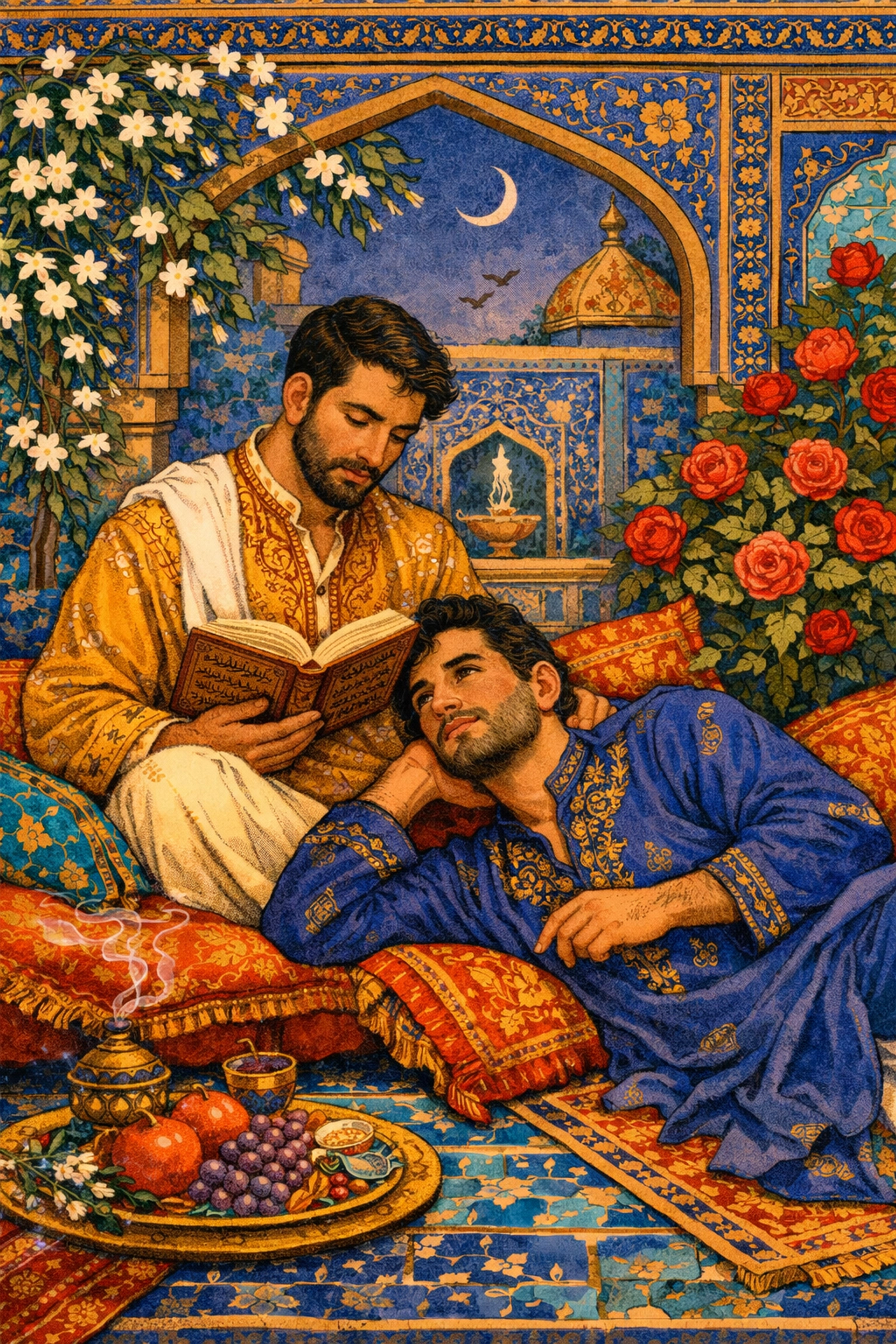
To understand queer life in Afghanistan, you have to look at the poetry. The Persian language, which has dominated Afghan culture for centuries, is gender-neutral. When Rumi or Hafez wrote about the "Beloved," it wasn't specified if that beloved was a man or a woman. This created a massive cultural loophole.
Historically, the Persian courtly tradition was filled with narratives of male-male affection. This wasn't just "subtext"; it was the text. These weren't just gay novels; they were the foundation of the culture’s literature. This long-standing Islamic tradition of tolerance toward same-sex attraction was part of the Afghan DNA before more rigid, fundamentalist interpretations were imported during the later years of war.
It’s a reminder that queer identity isn't a "Western export." It’s been there, in the ghazals and the gardens, for over a thousand years.
Oral Histories: Whispers from the 1960s
Gathering oral histories from this period is a race against time. Many of the men and women who lived through the liberal 60s and 70s are now in the diaspora, carrying memories of a Kabul that felt like a "Central Asian Paris."
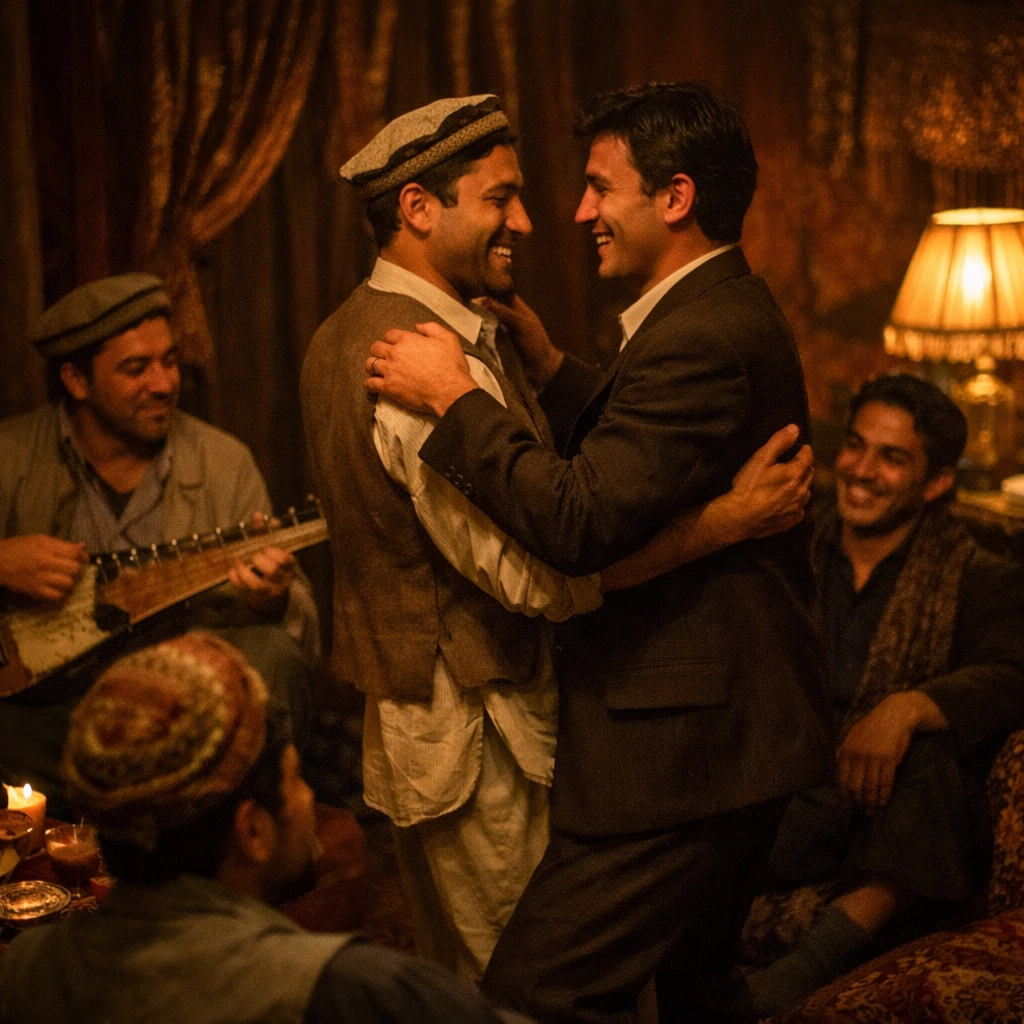
One account from an elder living in London describes the "shauq" (a term for passion or hobby) of the 1970s. He recalls a circle of artists and students who met in private homes to discuss forbidden poetry and share lives that were remarkably queer. There was no "Pride parade," but there were "Pride parties": clandestine, joyful, and filled with music.
This is the kind of heartfelt gay fiction we love to see, but it was their reality. They lived in a world where you could be a "bachelor" your whole life and, as long as you remained a respected member of the family, people didn't ask too many questions. It wasn't perfect, but it was a lived experience of community that has been largely erased by the radicalization that followed.
The Erasure and the "Invisibility"
So, what happened? The transition from the 1970s to the 1980s was a tectonic shift. As the country became a proxy battlefield for the Cold War, the social fabric began to tear. The rise of extremist ideologies as a tool of resistance meant that "moral purity" became a political weapon.
By the time we get to the post-2001 era, queer Afghans had become "invisible" by design. Even the transitional governments, backed by the West, excluded LGBTQ+ people from the national discourse to avoid upsetting conservative power brokers. For many queer Afghans, the "freedom" promised in the 2000s didn't apply to them.
At Readwithpride.com, we think it's vital to highlight that the struggle for queer rights in these regions isn't just about moving forward: it's about reclaiming a past that was stolen.
Finding Our Stories in 2026
As we navigate the best MM romance books of 2026, we’re seeing a beautiful trend of authors digging into these diverse backgrounds. We need more gay fiction set in the pre-war Middle East and Central Asia. We need stories that show us that queer joy isn't a modern invention.
If you’re looking for stories that challenge your perspective, check out some of the new gay releases on our platform. From gay thriller plots set in international locales to steamy MM romance that crosses borders, we are committed to being the home for LGBTQ+ fiction that matters.
Check out our latest collections to find your next favorite read.
Why These Voices Matter Now
Why should we care about what a gay man in Kabul felt in 1972? Because his story proves that we have always been here. In a world where some try to claim that being queer is a "lifestyle choice" or a "foreign influence," history is our greatest defense.
The "Unicorn" soldiers of Ukraine (which we've discussed in our other recent posts) and the hidden poets of Afghanistan are part of the same global tapestry of resilience. Whether it’s MM contemporary stories or gay historical romance, every narrative we read and share helps bridge the gap between "us" and "them."
Supporting the Narrative
At Read with Pride, we don't just sell gay eBooks; we champion the right for every story to be told. Whether you’re into enemies to lovers MM romance or deep, emotional MM books, remember that behind every trope is a grain of human truth that someone, somewhere, has lived.
If you want to keep your own creative profits and see how we’re changing the game for queer authors, take a look at our Royalties Revolution post. We’re building a space where queer authors can thrive without the gatekeepers.
Let’s keep the conversation going. Follow us on our socials and join the community of readers who believe that every voice deserves to be heard.
- Facebook: Read with Pride
- Instagram: @read.withpride
- X (Twitter): @Read_With_Pride
Stay authentic, stay curious, and most importantly: Read with Pride.
#QueerHistory #Afghanistan #LGBTQStories #ReadWithPride #MMRomance #GayBooks2026 #HiddenHistory #GayLiterature #QueerGlobalHistory #2026Books
Looking for more? Explore our sitemaps to find everything from gay fantasy romance to the top LGBTQ+ books of the year. Your next adventure is just a click away.

Leave a Reply
You must be logged in to post a comment.