

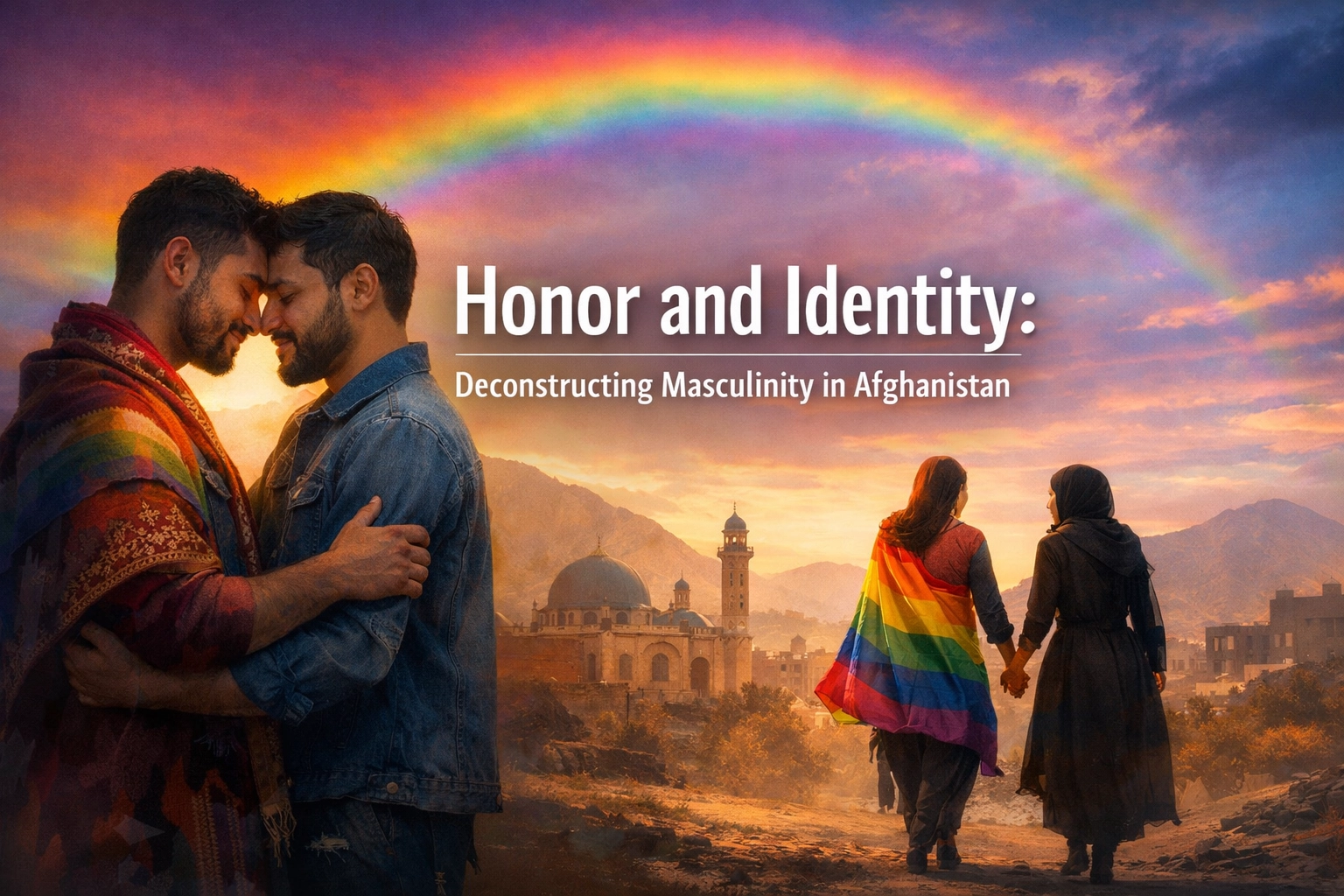
readwithpride.com
When we talk about queer life in the 2020s, our minds often drift to the neon lights of Pride parades or the latest MM romance books hitting the top of the charts in 2026. But at Read with Pride, we know that the global queer experience is a massive, complex tapestry. Today, we’re zooming in on a part of the world where the stakes for being your authentic self are incredibly high: Afghanistan.
To understand what it means to be queer in Afghanistan: both historically and now: we have to talk about "The Man." Not just any man, but the rigid, armor-plated construction of masculinity that defines life in the region. It's a story of honor, war, and the quiet, revolutionary act of simply existing.
The Foundation of Afghan Manhood: Nang and Namus
In Afghan culture, masculinity isn’t just a gender identity; it’s a performance of power. The concepts of Nang (honor) and Namus (reputation/virtue, specifically regarding women and family) are the twin pillars of the male identity. To be a "real man" in this context is to be the ultimate protector and the absolute authority.
For decades, research has shown that Afghan masculinity is fundamentally tied to dominance. If you want the world to see you as a man, you have to prove you have total control over your household. It’s a "boss" mentality that leaves very little room for vulnerability, let alone the soft, emotional intimacy we often see in our favorite gay love stories.
Boys are raised with a specific set of instructions: be brave, be fearless, and be someone others fear. When mothers tell their sons to "be a person that others will fear," they aren't just giving parenting advice; they are passing down a survival mechanism in a land that has seen too much conflict.
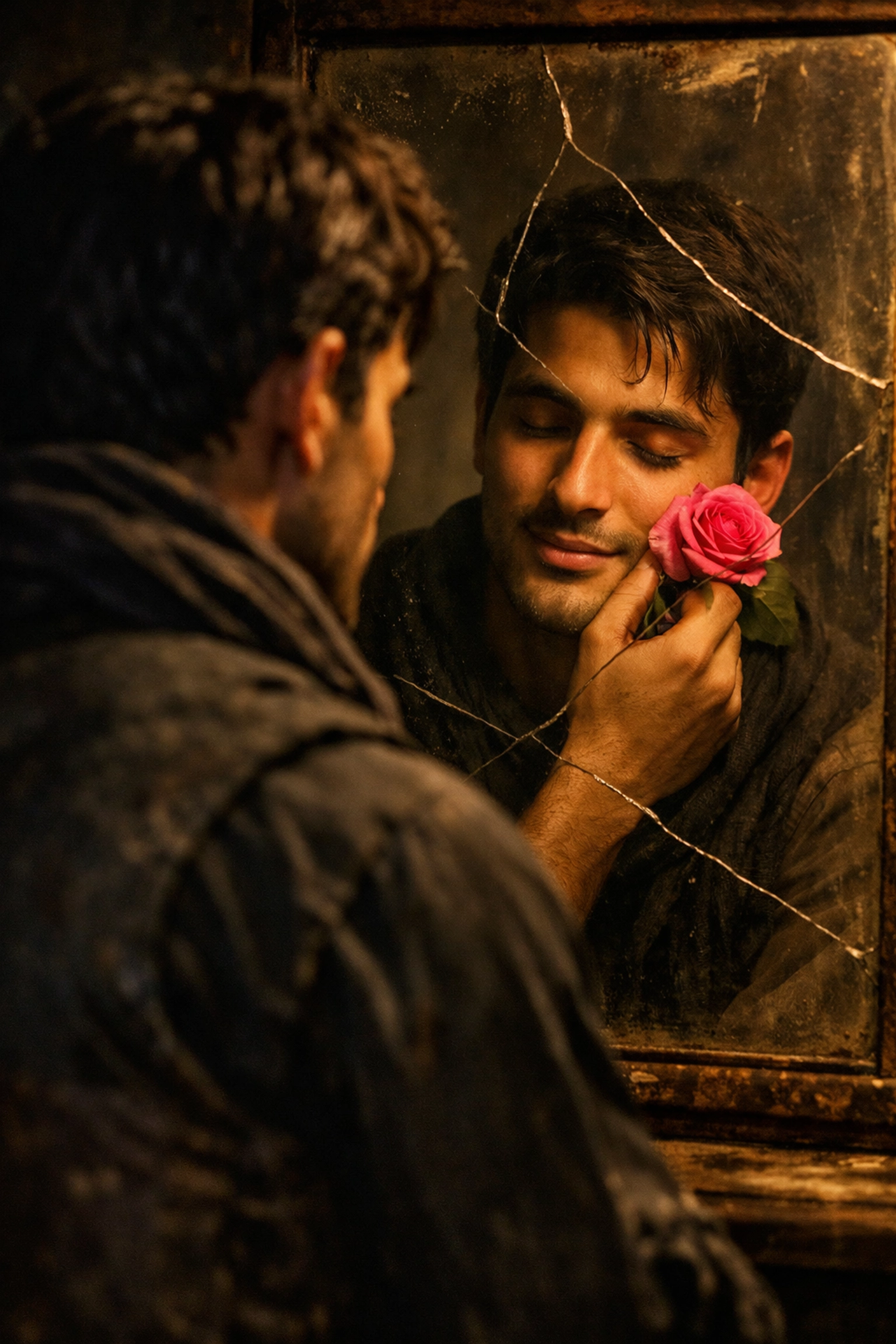
The War Machine: How Conflict Changed "The Man"
Afghanistan hasn’t had a break. Four decades of continuous conflict have done more than just damage infrastructure; they’ve warped the soul of what it means to be a man. This is what experts call "militarized masculinity."
When violence becomes the only way to resolve a conflict or prove your worth, the definition of manhood narrows until it’s the shape of a rifle. For adolescent boys growing up in these environments, violence becomes a rite of passage. It’s normalized in schools, in mosques, and in the home.
This militarized version of masculinity is the natural enemy of queer identity. In a world where manhood is measured by your ability to inflict or withstand violence, the idea of a man loving another man: or a man expressing a "feminine" identity: isn't just seen as a personal choice; it’s seen as a direct threat to the social order. It is viewed as "dishonorable," a word that carries a heavy, sometimes lethal, weight in Afghan society.
Being Queer in the Shadows: History vs. Modernity
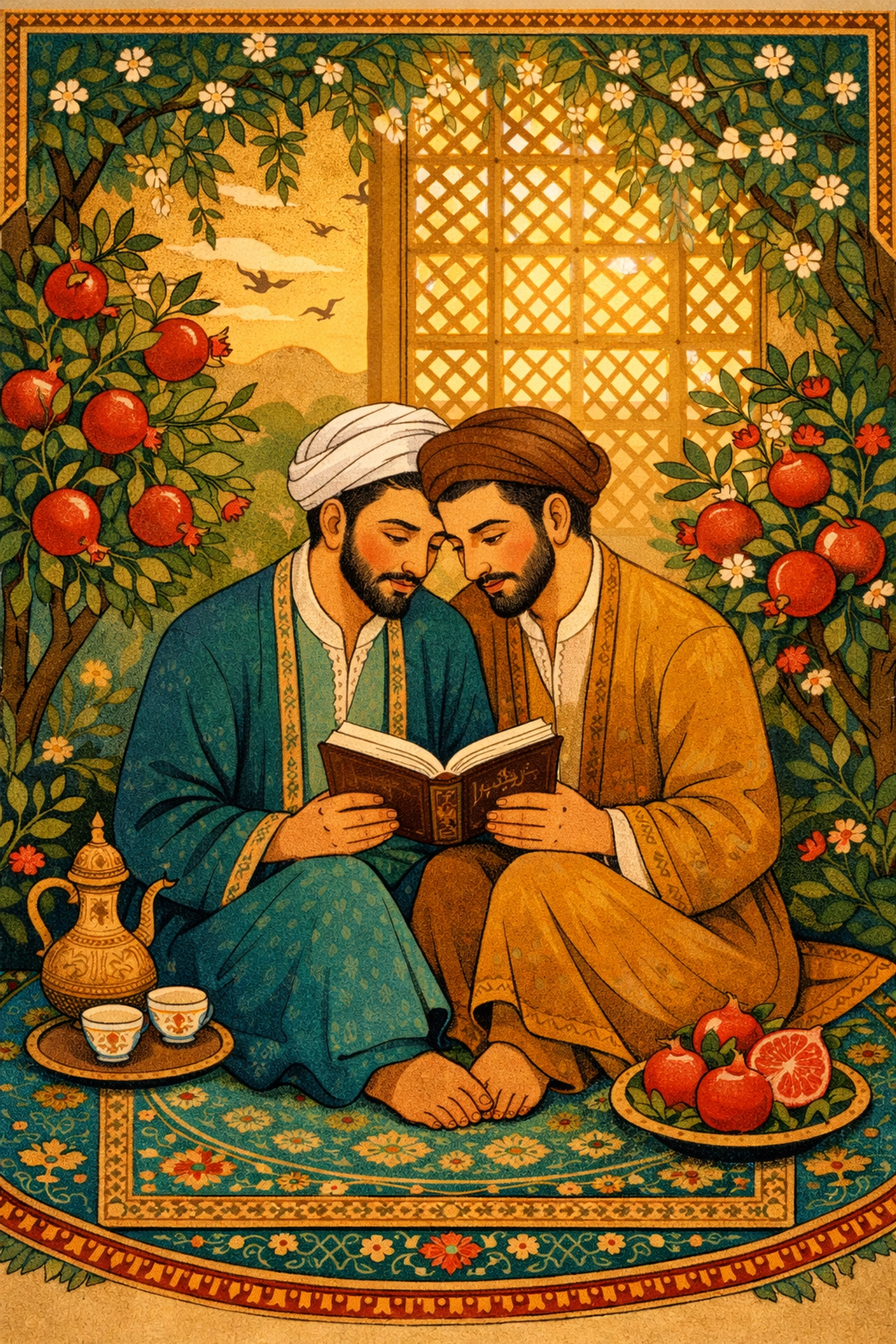
If you look back at Afghan history, the lines weren't always so rigidly drawn in the sand. Like many cultures across the Silk Road, there were historical periods where same-sex attraction and gender fluidity were part of the social fabric, often hidden behind the veil of poetry and Sufi mysticism. High-ranking figures and poets often wrote about the beauty of young men, though these relationships were usually framed within specific power dynamics rather than modern "gay identity."
However, the modern era: and especially the return of the Taliban: has pushed queer life into a state of extreme invisibility. For the LGBTQ+ community in Afghanistan, life is a constant game of high-stakes hide-and-seek. The traditional construction of masculinity doesn't just reject queer people; it attempts to erase them entirely.
Yet, despite the risks, queer Afghans exist. They are finding ways to connect, often using digital spaces to find the community they can't find on the street. They are the ultimate "hidden" heroes, navigating a landscape where their very breath is an act of resistance.
The "Bacha Bazi" Complication
We can't talk about masculinity and male-male dynamics in Afghanistan without mentioning Bacha Bazi ("boy play"). This is a deeply problematic and often misunderstood practice where wealthy or powerful men keep young boys for entertainment and sexual abuse.
It is crucial to distinguish this from LGBTQ+ identity. Bacha Bazi is about power, status, and exploitation: not love, identity, or consent. In fact, the prevalence of this practice often makes it even harder for genuine queer relationships to be understood. When society sees male-male sexual contact only through the lens of exploitation or "shameful" power displays, it leaves no room for the healthy, consensual MM contemporary love stories we champion at Read with Pride.
Deconstructing the Armor: Is Change Possible?
Is there hope for a more inclusive Afghan masculinity? It sounds like an uphill battle, but the seeds are there. Even within the most traditional circles, some men are starting to question the toll that "fear-based" masculinity takes on their own mental health.
Emerging approaches focus on "feminist peace principles." This involves teaching men that true honor can come from supporting equality and practicing non-violence. Some students in madrassas have even begun to report a "relearning" of manly behavior, moving away from dominance and toward self-reflection.
But let’s be real: the structural challenges are massive. A man who shows kindness to his wife or children is often mocked by his own family: including women: for being "womanish." In this culture, kindness is sometimes seen as a lack of strength. Breaking these cycles requires more than just a conversation; it requires a total reimagining of what it means to be a leader.
Why We Tell These Stories
You might be wondering: What does this have to do with the gay fiction or MM romance books I read?
Everything.
Stories are the front line of empathy. When we read a gay historical romance or a gritty gay thriller, we are training ourselves to see the humanity in people who are often marginalized or misunderstood. For queer people in places like Afghanistan, representation isn't just a "nice to have": it’s a lifeline. Seeing a version of yourself in a book, even one written halfway across the world, proves that you are not a mistake of history. You are part of a global family.
At Read with Pride, we believe in the power of the written word to challenge these rigid constructions of masculinity. Whether it's through popular gay books or niche queer fiction, we are all part of the movement to deconstruct the "fear-based" man and replace him with someone who is allowed to love, to feel, and to be whole.
The Future of the Afghan Queer Identity
As we look toward the rest of 2026, the situation remains dire but the resilience of the community is unmatched. The global LGBTQ+ community has a responsibility to keep these stories alive, to support organizations that help queer refugees, and to continue deconstructing harmful masculine norms in our own backyards.
Masculinity doesn't have to be a cage. It doesn't have to be defined by who you control or who fears you. True honor: the kind that lasts: comes from the courage to be vulnerable and the strength to let others be themselves.
Explore more stories of resilience and love:
- Check out our latest MM romance books at Read with Pride Store
- Find your next favorite read in our Gay Fiction Sitemap
- Stay updated on queer literature trends for 2026.
Connect with us:
- Follow the journey on Facebook
- Join the conversation on X (formerly Twitter)
- See the beauty of queer life on Instagram
#ReadWithPride #LGBTQBooks #AfghanMasculinity #MMRomance #QueerHistory #GayFiction2026 #MasculinityDeconstructed #GlobalQueerRights #GayLoveStories #ReadWithPride2026

Leave a Reply
You must be logged in to post a comment.