

readwithpride.com
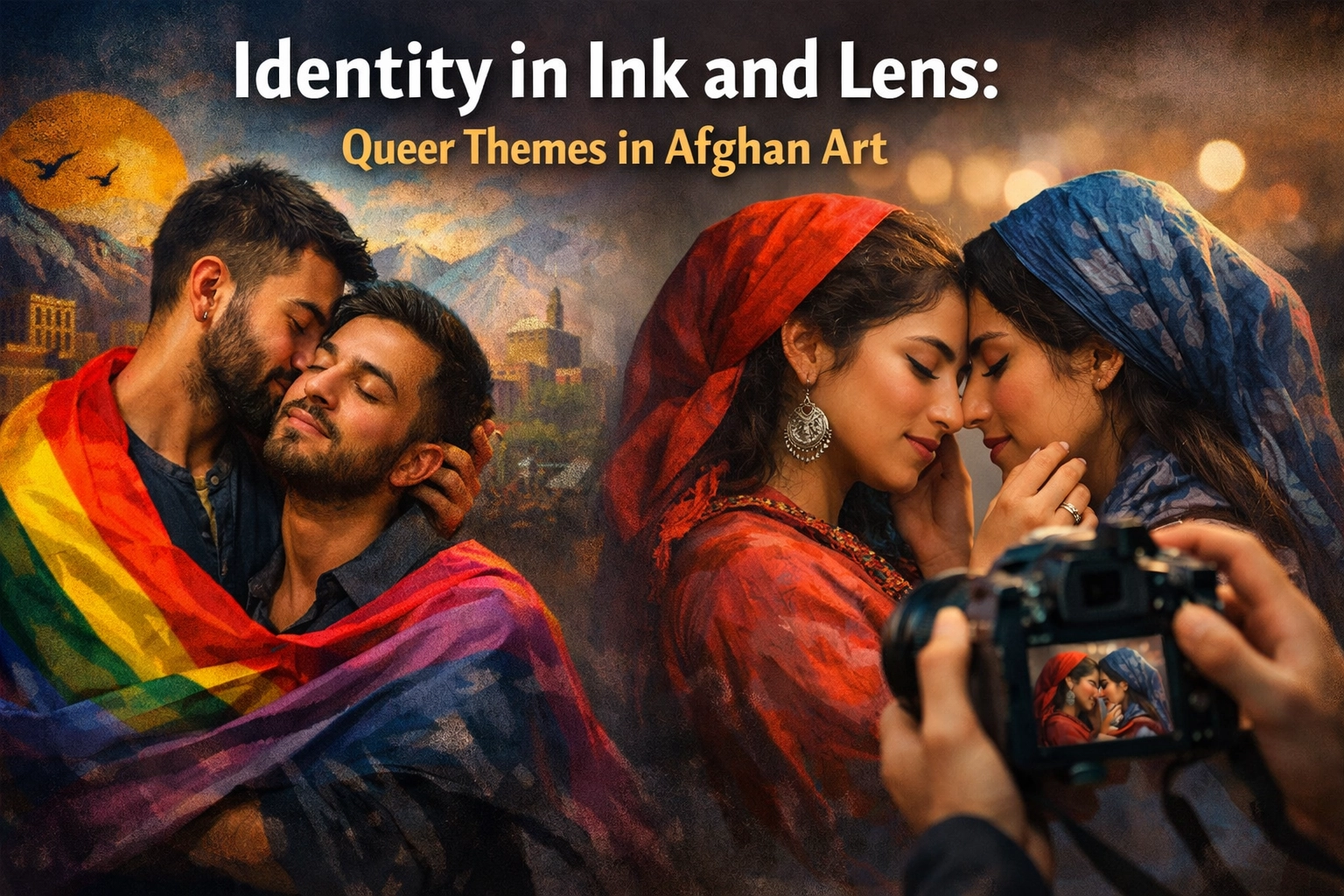
When we talk about queer life in Afghanistan, the conversation often: and understandably: shifts immediately to the headlines. We hear about the struggle, the danger, and the silence. But at Read with Pride, we believe in looking closer at the margins. Because even in the most restricted spaces, art has always been a way for the LGBTQ+ community to say, "We are here."
In 2026, as we look back and look forward, we’re seeing a beautiful, complex emergence of Afghan queer identity expressed through ink, lens, and movement. This isn't just about survival; it's about the "queer optic": a way of seeing the world that refuses to be erased. Whether it’s through the secret language of dance or the bold storytelling of the diaspora, Afghan art is proving that queer joy and identity are as ancient as the mountains of the Hindu Kush and as modern as a digital film festival.
The "Queer Optic": Reclaiming History through Art
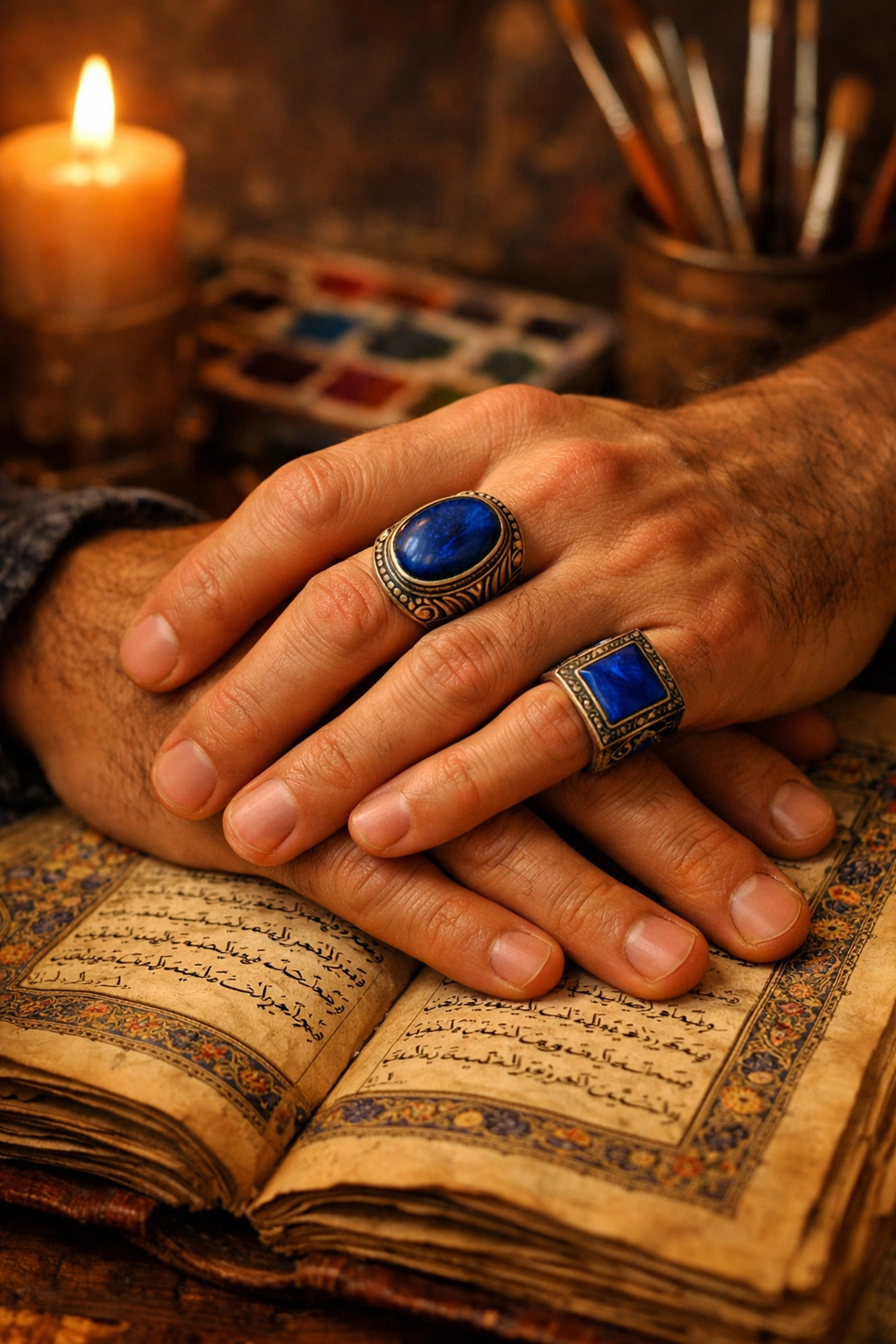
For a long time, the history of the region has been told through a very narrow, often colonial, lens. But if you look at classical Persian and Central Asian poetry: which is the bedrock of Afghan culture: the lines of gender and desire have always been beautifully blurred. Many of the great poets wrote of love that didn't fit into a neat "heterosexual" box.
Modern Afghan artists are using what scholars call a "queer optic" to dig through these archives. They are reclaiming the ink of their ancestors to show that queer fiction and gay historical romance aren’t Western imports: they are part of the heritage. This "alternative way of seeing" allows creators to disorganize the rigid, modern structures imposed by war and colonial history, finding "liberatory possibilities" in the process.
Murats: The Dance of Resistance
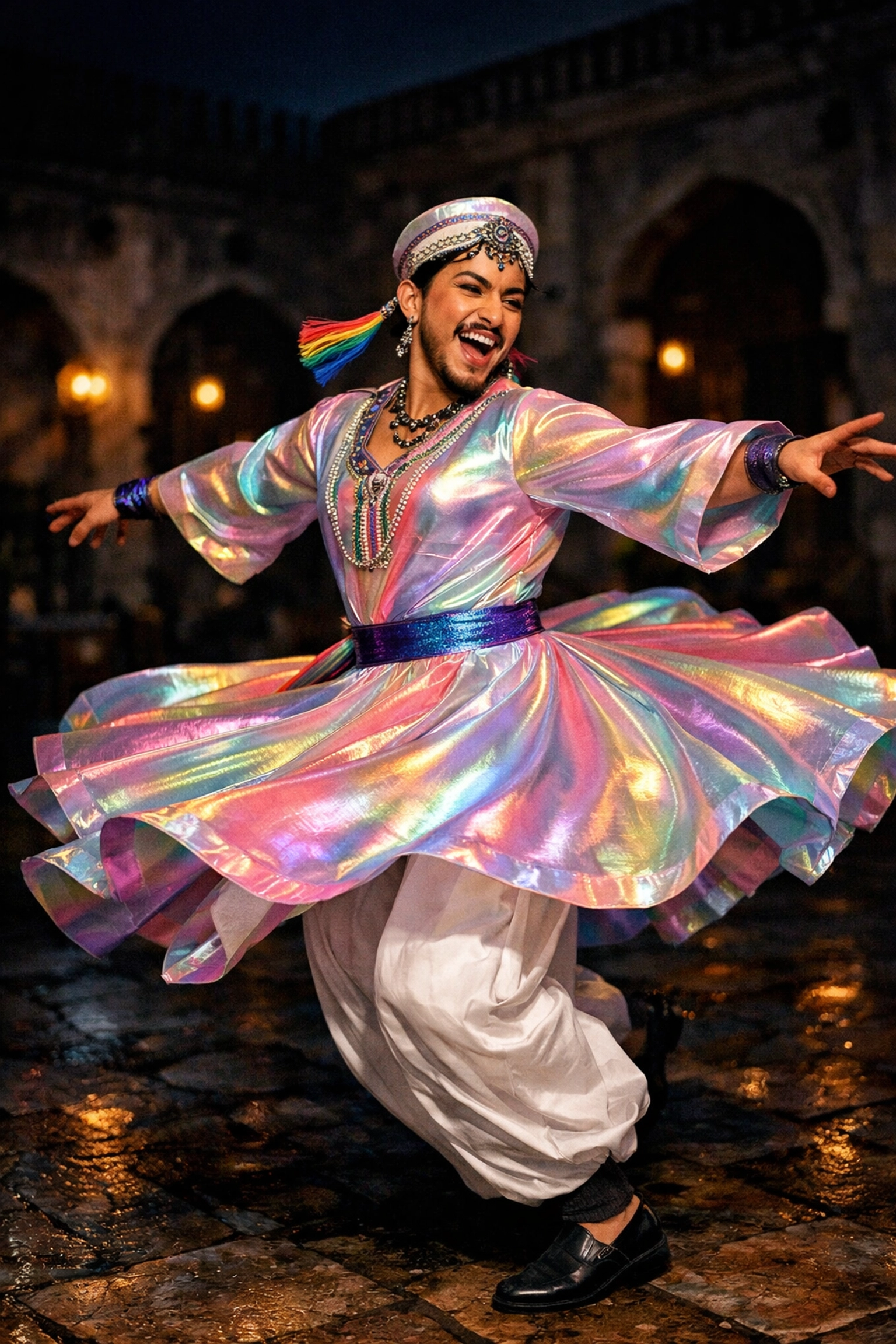
In Afghanistan, the body itself becomes a canvas. There is a fascinating and brave underground movement centered on Murats (a term used for queer and trans Afghans). In a landscape dominated by the masculine structures of war, Murats use dance and performance as a form of political resistance.
Think about that for a second. In a place where a "non-normative" body is seen as a threat to the status quo, choosing to dance: to move with grace, fluidity, and coded language: is an act of incredible defiance. According to scholar Ahmad Qais Munhazim, these performers disrupt the narratives of militarism just by existing. They aren't trying to fit into a "Universal Pride" framework; they are grounding their queerness in Afghan, Arabic, and even Bollywood contexts. It’s authentic, it’s localized, and it’s deeply powerful.
If you’re a fan of MM romance books that feature characters finding freedom through art or movement, the real-life stories of the Murats are more gripping than any fiction. They represent the ultimate "found family" trope, building community in the shadows of some of the world's most dangerous environments.
The Lens: Film and the Queer Afghan Experience
While filming inside the country remains nearly impossible for LGBTQ+ themes, the Afghan diaspora is bringing these stories to the screen with stunning clarity. Filmmakers and performance artists like Wazina, who grew up in New York, are centering collective memory and tradition in their work.
They explore the intersection of being queer and Muslim, refusing to let one identity cancel out the other. Through the lens, they capture the "queer and Muslim" experience in a way that is raw and authentic. This isn't just "content": it’s a lifeline. These films and digital art pieces function as sites of community-building, proving that while a border might separate you from your homeland, your identity travels with you.
At Read with Pride, we’re always looking for that intersectionality in our LGBTQ+ ebooks. Seeing these themes translated into visual media helps us understand the "why" behind the stories we read. It’s about more than just a gay love story; it’s about the right to exist in every space you inhabit.
Why Afghan Queer Art Matters for Readers in 2026
You might be wondering, "Penny, how does this relate to my Kindle library?" Honestly, everything is connected. When we read gay literature or MM contemporary novels, we are participating in a global culture of storytelling.
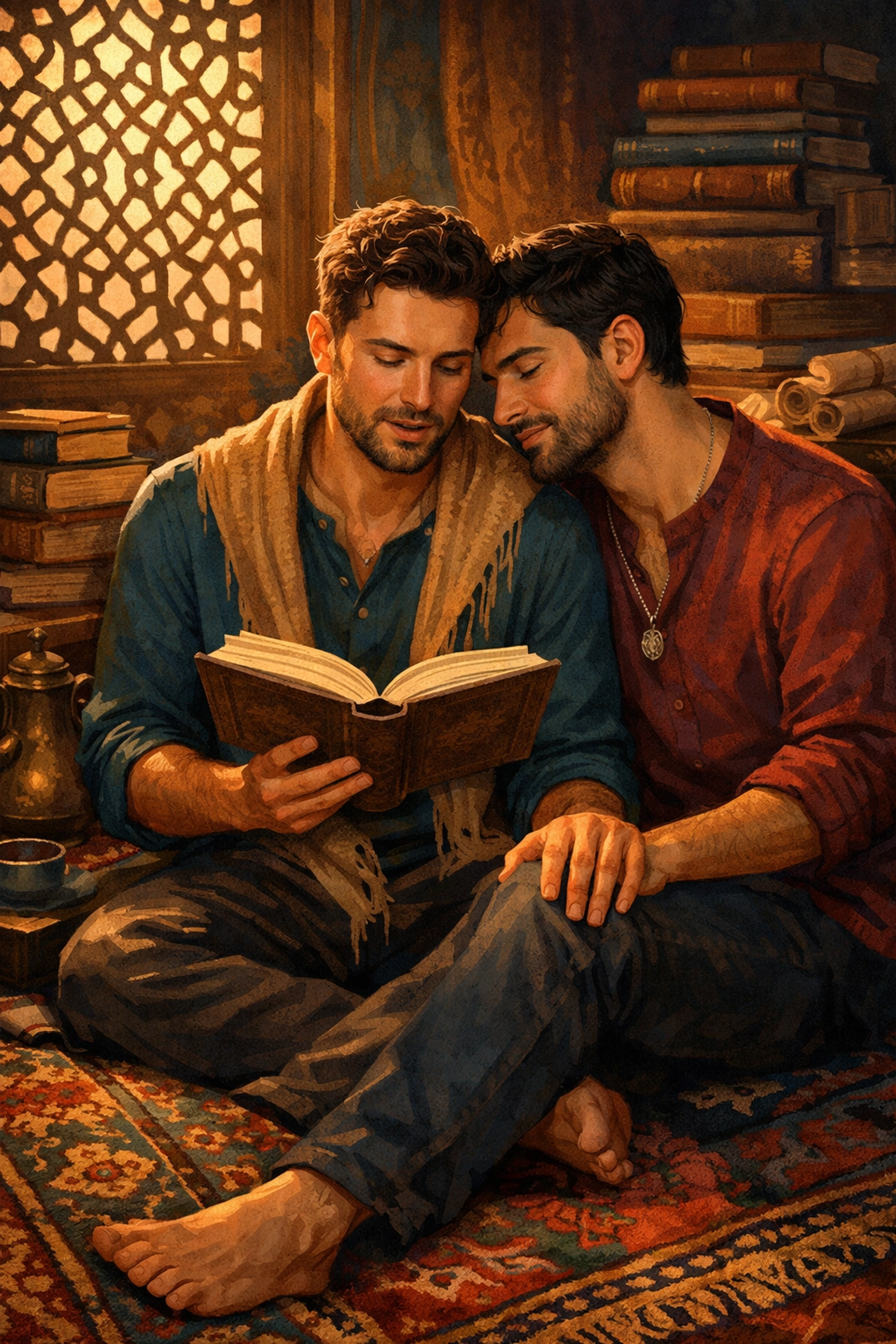
The themes we see in Afghan art: the "slow burn" of a hidden look, the "enemies to lovers" tension of surviving in a hostile society, and the "forced proximity" of underground communities: are the same themes that make our favorite gay romance novels so compelling.
Tropes and Reality
- Hidden Identity: In Afghan queer art, "passing" isn't a trope; it's a survival tactic that is often turned into a metaphor for the hidden beauty of the soul.
- Forbidden Love: The stakes in these real-life narratives are higher than any gay spy romance or MM historical romance we’ve ever published.
- Cultural Resilience: Just like the characters in our best MM romance books of 2026, these artists are fighting to define themselves on their own terms.

Building Solidarity through the Page
As a publisher and a community, Read with Pride stands with Afghan artists who are putting their lives on the line for their craft. By engaging with these stories: whether through a deep-dive blog post or by seeking out queer fiction that explores Middle Eastern and Central Asian identities: we help keep these voices loud.
We’re seeing a surge in new gay releases that tackle these complex global identities. If you’re looking to expand your reading list beyond the usual settings, keep an eye on our blog-category-sitemap for more spotlights on international queer life.
The Afghan American Artists and Writers Association reminds us that creative work is essential to "refusing the forces that silence queer voices." Whether it’s a painting, a film, or a heartfelt gay fiction novel, art is the bridge that connects us across oceans and ideologies.
Final Thoughts: The Future is Colorful
The journey of queer Afghan art is far from over. As we move through 2026, we expect to see even more digital spaces where these creators can share their work safely. From "Sápmi Pride" in the North to the "Murat" dancers in the East, the queer experience is a global tapestry, and every thread matters.
So, next time you’re browsing for popular gay books or the top LGBTQ+ books on Readwithpride.com, remember the power of the "Ink and Lens." Every story you read and every artist you support is a vote for a world where everyone can live: and love: authentically.
Stay proud, stay curious, and keep reading.
Follow our journey for more queer history and book recommendations:
Explore our latest collections and MM romance books at Readwithpride.com. Check out our product sitemap to find your next favorite read!
#ReadWithPride #QueerAfghanArt #LGBTQHistory #GayBooks2026 #MMRomance #QueerResistance #GayLiterature #IdentityInInk #LGBTQReading #AuthenticVoices
Quick Links for the Community:

Leave a Reply
You must be logged in to post a comment.