

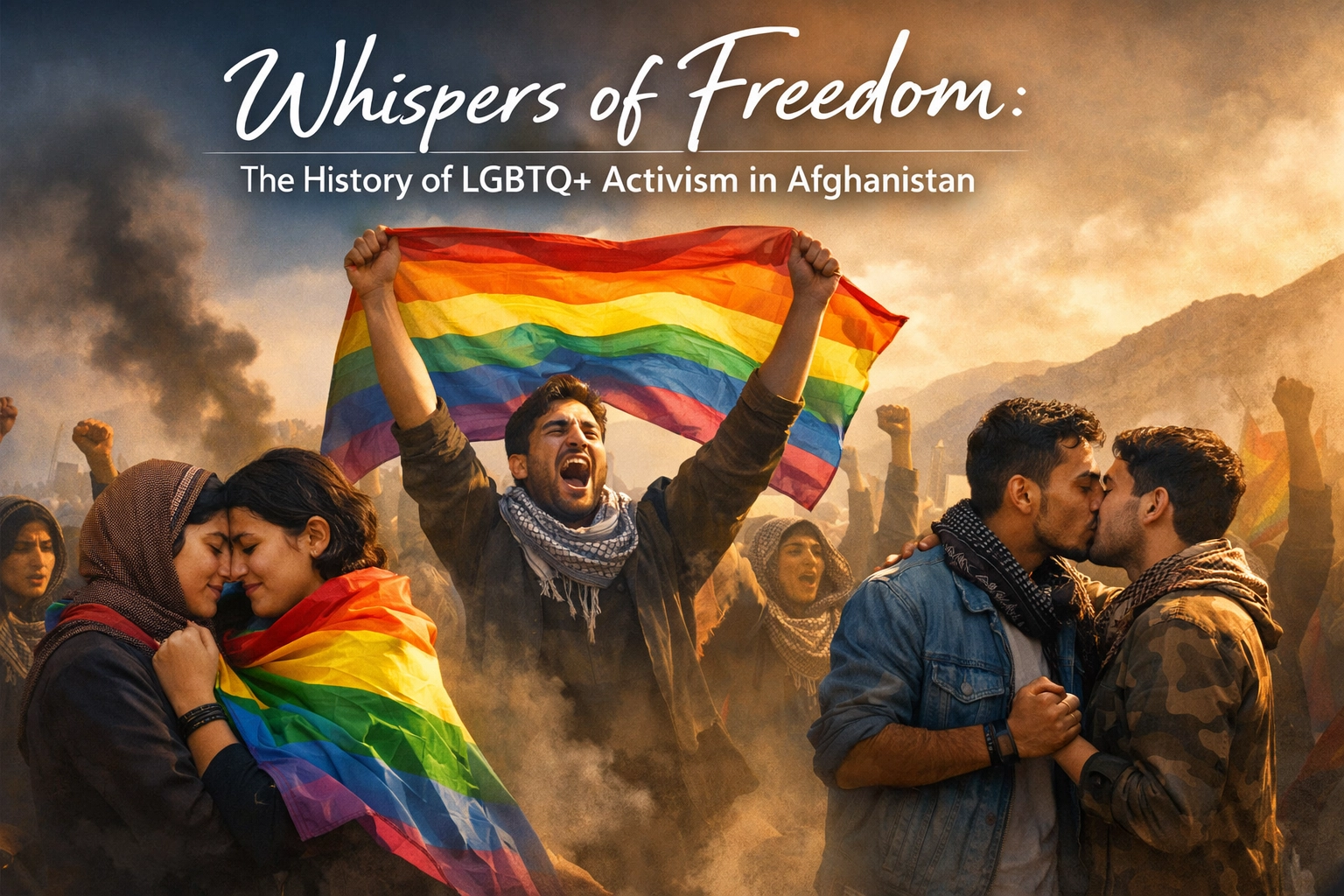
readwithpride.com
When we talk about queer history, we often gravitate toward the neon lights of Stonewall or the grand parades of London and Berlin. But some of the most profound acts of bravery happen in the shadows, where the stakes aren't just social acceptance, but survival itself. At Read with Pride, we believe every story deserves a voice, and today we’re looking at a history that is as heartbreaking as it is resilient: LGBTQ+ activism in Afghanistan.
This isn't just a tale of struggle; it’s a chronicle of "Whispers of Freedom." It’s about people who, even in the face of absolute erasure, refuse to stop existing. Whether through secret social media groups or the subtle subtext of regional poetry, the queer Afghan spirit has always been there, waiting for its moment to breathe.
The Democratic Window: 2001–2021
For twenty years, between the fall of the first Taliban regime and their return in 2021, a fragile window of possibility opened. While homosexuality remained technically illegal under the 2017 penal code (and socially taboo long before that), the presence of international organizations and a burgeoning civil society allowed for a spark of activism to catch fire.
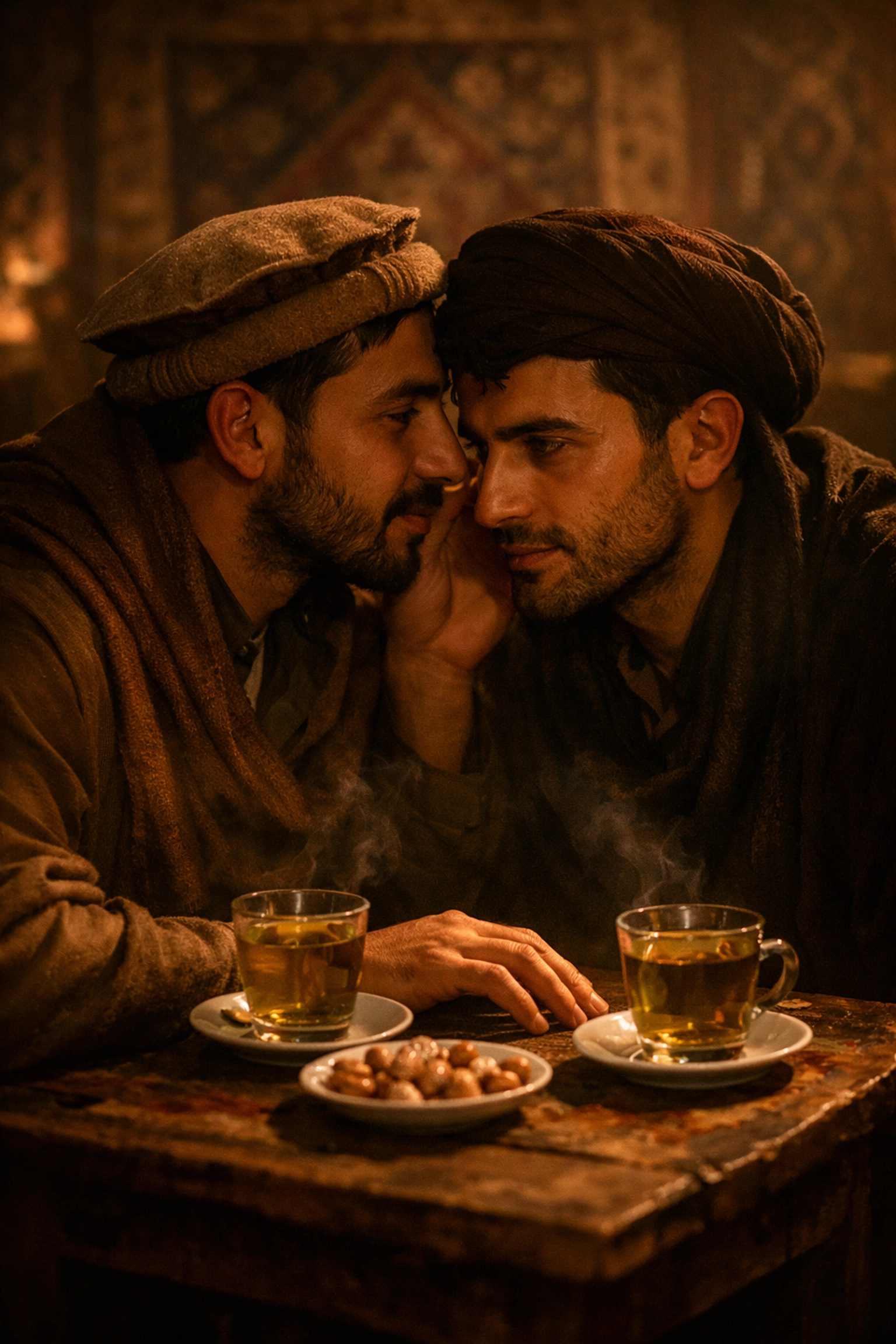
During this era, queer Afghans began to find each other. It wasn’t through grand marches, but through whispered conversations in Kabul’s cafes and encrypted messages on smartphones. This was the era where the groundwork for modern resistance was laid. Activists didn't just want to survive; they wanted to be seen.
Nemat Sadat: Breaking the Silence
If there is one name that stands as a pillar for modern Afghan LGBTQ+ visibility, it is Nemat Sadat. In 2013, Sadat did something unthinkable: he came out publicly. As a professor at the American University of Afghanistan, his declaration wasn't just personal; it was a political earthquake.
By mobilizing an LGBTQ+ movement in 2012, Sadat sought to challenge the deep-seated cultural taboos surrounding gender freedom and sexual liberation. He became a target for the ultra-conservative elements of society, but his bravery acted as a lighthouse. For the first time, young queer Afghans saw someone who looked like them, spoke like them, and refused to be ashamed.
Sadat’s legacy is a reminder that even one voice can disrupt a century of silence. It’s the kind of courage we often see mirrored in our favorite gay romance novels, where characters fight against impossible odds to claim their truth. But for Sadat and those he inspired, the "happily ever after" was a battle that had only just begun.
Life Underground: The NGO Resistance
Before the 2021 takeover, activism in Afghanistan was a masterclass in clandestine operation. Because LGBTQ+ organizations could not legally register with the government, they operated as "ghost" entities.
These underground networks provided more than just community; they provided literal lifelines. They offered:
- Safe Spaces: Secret meeting spots hidden within legitimate business community initiatives.
- Information: Using social media and even pirate radio to disseminate health information and legal advice.
- Support: Helping individuals navigate the dangerous waters of family expectations and state surveillance.
Activists like Saboor Husaini, a transgender artist and advocate, worked tirelessly to create visibility through art. Tragically, Husaini was murdered in 2020, a stark reminder that even during the "democratic" years, the shadow of violence was never far away.
The 2021 Shift: Peril and Persistence
When the Taliban returned to power in August 2021, the whispers of freedom were nearly silenced by the roar of a regime that views queer existence as a capital offense. The progress of two decades seemed to vanish overnight. Safe houses were raided, and digital footprints became death warrants.
Yet, the activism didn't stop: it evolved.
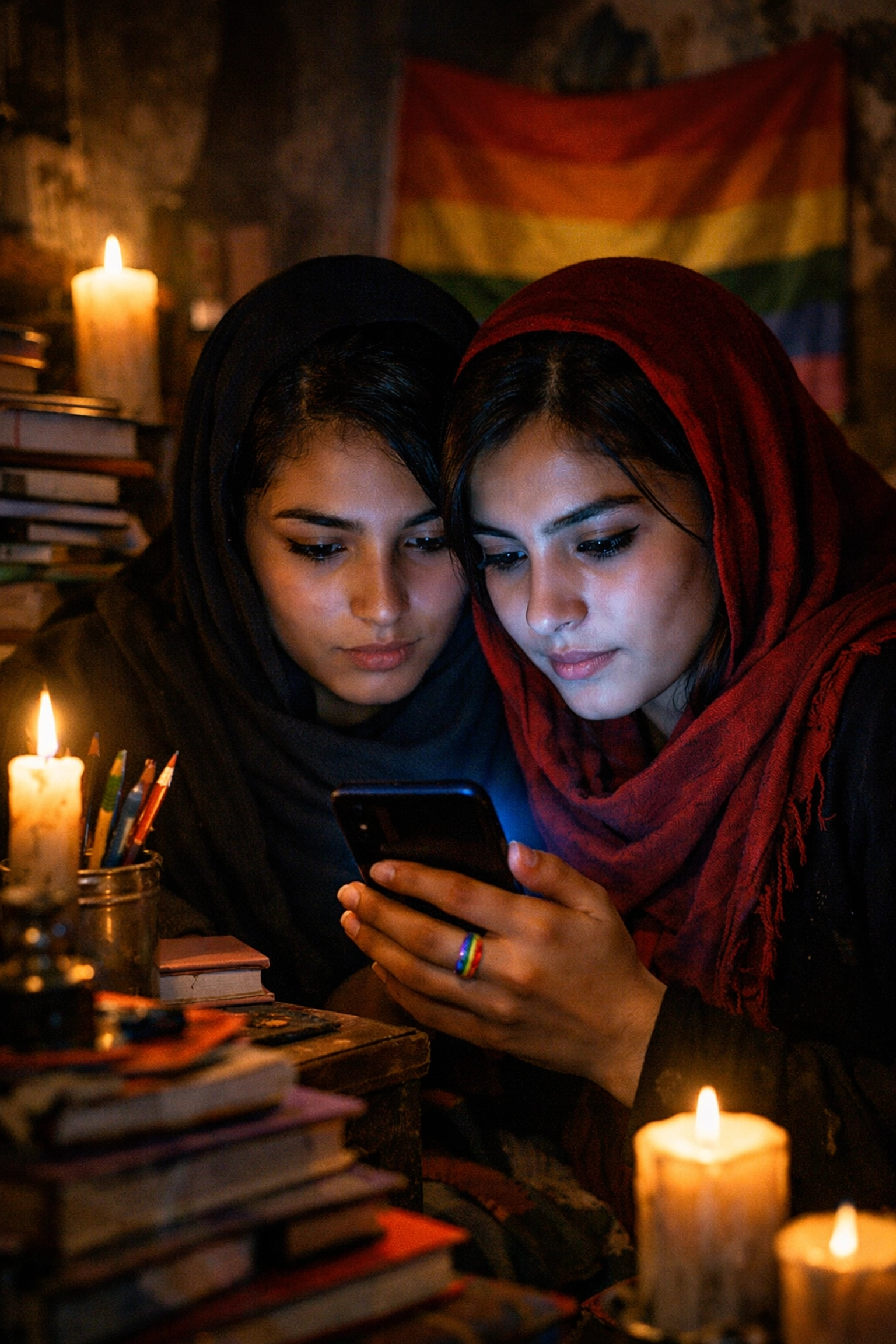
The resistance moved largely into the diaspora and deep into the digital underground. Afghan activists living abroad began working with international human rights groups to coordinate evacuations. Inside the country, the bravery has shifted to "existence as resistance." Simply staying alive, keeping the community connected via Telegram and Signal, and documenting abuses are acts of profound activism.
We’ve also seen the rise of the "Unicorn" identity: a term popularized by queer soldiers in Ukraine but adopted by many in the global East as a symbol of queer strength in the face of war. In Afghanistan, these "unicorns" are the individuals who refuse to let their identity be erased by the Taliban’s decree.
Why Representation Matters: From History to MM Romance
You might wonder how a publisher like Read with Pride connects to such heavy historical reality. The truth is, storytelling is the first step toward empathy. When we read MM romance books or gay fiction, we aren't just consuming entertainment; we are reinforcing the idea that queer love is universal, valid, and worth fighting for.
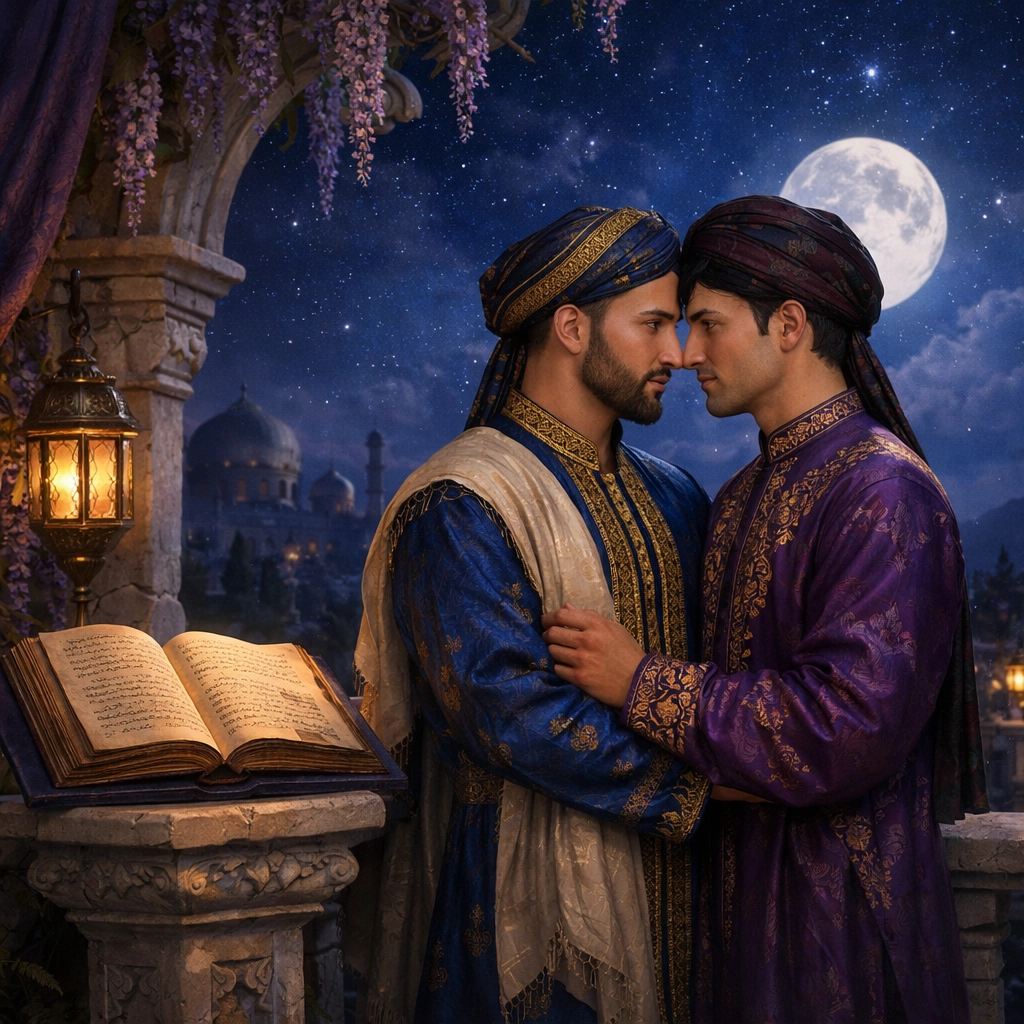
In 2026, we are seeing a surge in gay literature that tackles these difficult themes. Gay historical romance is no longer just about Victorian England; it’s expanding to include the diverse experiences of the Silk Road and the Middle East. These stories help the global community understand the nuances of Afghan culture beyond the headlines of war.
Whether it’s a steamy MM romance set in a reimagined history or a heartfelt gay fiction piece about the modern diaspora, these books serve as a bridge. They remind us that the struggle in Kabul is connected to the struggle in Krakow or Kentucky.
Looking Ahead: Activism in 2026
As we move through 2026, the focus for Afghan LGBTQ+ activism is on two fronts: evacuation and preservation. Organizations are working tirelessly to get high-risk individuals out of the country, while others are focusing on preserving the oral histories of queer Afghans so that their culture isn't lost to the Taliban’s censorship.
The global LGBTQ+ community has a role to play. By supporting queer authors who tell these stories and by staying informed through sites like readwithpride.com, we keep the flame alive. We can't let the world look away.
How You Can Support the Movement:
- Stay Informed: Follow activists on social media who are reporting directly from the ground or the diaspora.
- Support Literature: Read popular gay books that feature diverse Middle Eastern perspectives. Representation in the LGBTQ+ fiction world helps shift global perspectives.
- Donate: Support groups like Rainbow Railroad that specialize in getting LGBTQ+ individuals out of hostile environments.
The Resilience of the Queer Spirit
The history of LGBTQ+ activism in Afghanistan is a testament to the fact that you can ban a book, you can close a border, and you can threaten a life: but you cannot kill the human desire for love and authenticity.
The "Whispers of Freedom" are getting louder. From the pioneering steps of Nemat Sadat to the anonymous activists currently navigating the streets of Kabul, the story of queer Afghanistan is still being written. And at Read with Pride, we will be here to make sure those stories are heard.
If you’re looking for more stories of resilience, check out our latest gay romance series or browse the best MM romance books of 2026 on our site. Every book you buy supports our mission to keep queer voices loud and proud.
Stay brave, stay proud, and keep reading.
Follow the journey and stay connected:
Explore more:
#LGBTQAfghanistan #QueerHistory #ReadWithPride #MMRomance #GayFiction #Activisim #HumanRights #GayBooks2026 #WhispersOfFreedom #QueerResilience

Leave a Reply
You must be logged in to post a comment.