
readwithpride.com
When we talk about gay love stories, we often think of the sweeping arcs found in our favorite MM romance books: the stolen glances, the secret notes, and the eventual hard-won "happily ever after." But in Kabul, the "secret" part isn't a literary trope. It’s a survival strategy.
At Read with Pride, we believe that every queer story deserves to be told, especially those being whispered in the shadows. Today, we’re looking at a world far removed from the bright lights of Western Pride parades: the underground queer scene in Kabul, Afghanistan. It’s a story of incredible resilience, digital hide-and-seek, and the enduring power of human connection in the face of absolute surveillance.
The Kabul That Was: Karaoke and Clandestine Cafes
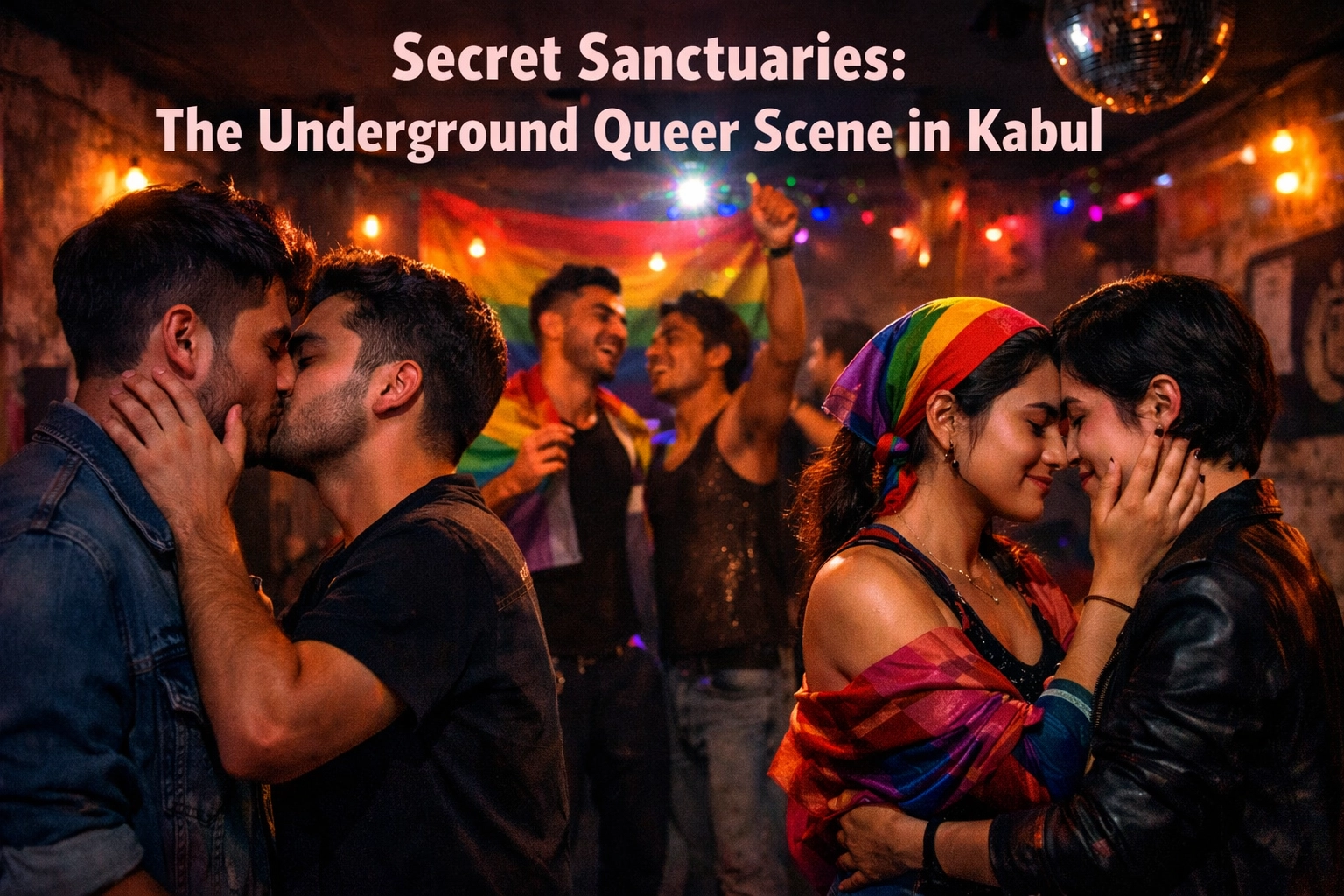
Before the seismic shift of August 2021, Kabul was a city of contradictions. While homosexuality was never officially sanctioned, the "underground" was more of an open secret for those in the know. Imagine a hidden karaoke bar tucked away in a nondescript neighborhood. Inside, the air is thick with the scent of tobacco and spice, and the sounds of Afghan pop music drown out the city's hum.
Men who, by day, navigated a deeply conservative society, would gather here to sing, dance, and: most importantly: be themselves. These weren't just parties; they were sanctuaries. For a few hours, the weight of the world lifted. You might find a young student nervous about his first crush or an older man who had lived a double life for decades. It was a community built on word-of-mouth and a high level of trust. If you knew the right person, you knew the right door to knock on.
The Digital Frontier: Grindr in the Hindu Kush
In the years leading up to the Taliban’s return, technology changed the game for LGBTQ+ Afghans. Just like in our favorite gay contemporary romance novels, the "meet-cute" moved to the smartphone. Apps like Tinder and Grindr became lifelines.
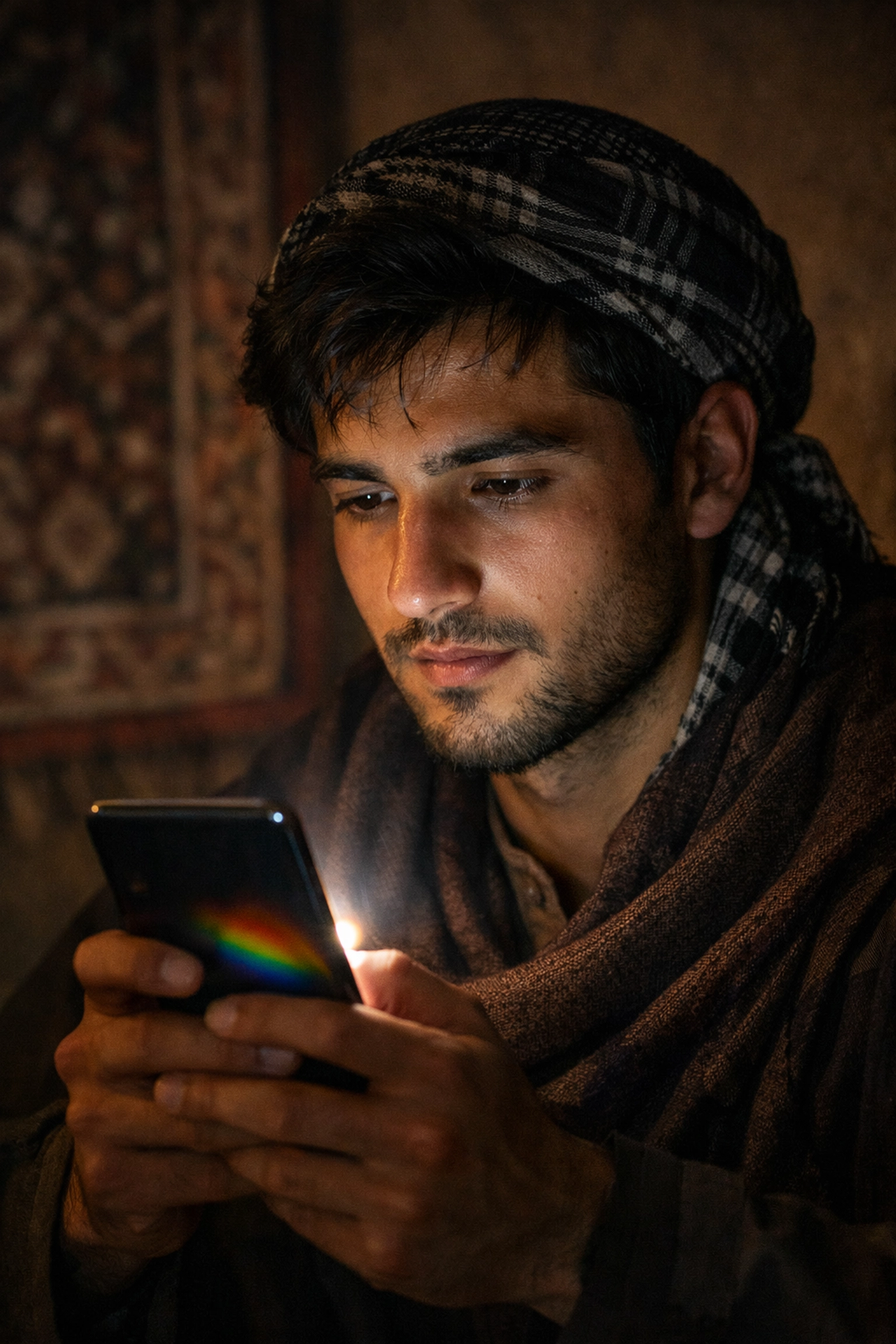
For many gay men in Kabul, their phone was their most dangerous and most precious possession. It was a portal to a world where they weren't alone. They formed groups on Telegram and WhatsApp, sharing tips on safe places to meet or simply offering emotional support. Before the transition, it was estimated that millions of Afghans were active on social media, and the queer community utilized these platforms to carve out a digital space that the physical world denied them.
2021: When the Sanctuaries Went Dark
Everything changed in August 2021. The "secret sanctuaries" didn't just close; they vanished. The risk level shifted from "social ostracization" to "existential threat." Under the current regime, the enforcement of Sharia law means that being queer can literally be a death sentence.
The digital platforms that once provided connection became traps. There have been harrowing reports of "catfishing" by authorities: creating fake profiles to lure gay men into meetings, only to arrest or assault them. The underground scene has been forced into a state of total invisibility. This isn't just about the loss of bars or cafes; it’s the loss of the ability to look another person in the eye and know you are seen for who you truly are.
Real Stories: Navigating the Shadows
To understand the reality of life in Kabul today, we have to look at the anonymized accounts of those still there. (Names and identifying details have been changed for safety).
"Zaid's" Story: The Code of Silence
Zaid, a 24-year-old former university student, describes his life as a series of performances. "Every time I leave my house, I wear a mask," he says. "Not a physical one, but a mask of the 'perfect' Afghan man." Zaid used to meet friends at a specific tea house where the owner was an ally. Now, he hasn't seen those friends in over two years. They communicate only through disappearing messages, using codes like "Did you finish the book?" to ask if someone is safe.
"Omar's" Story: The Weight of Surveillance
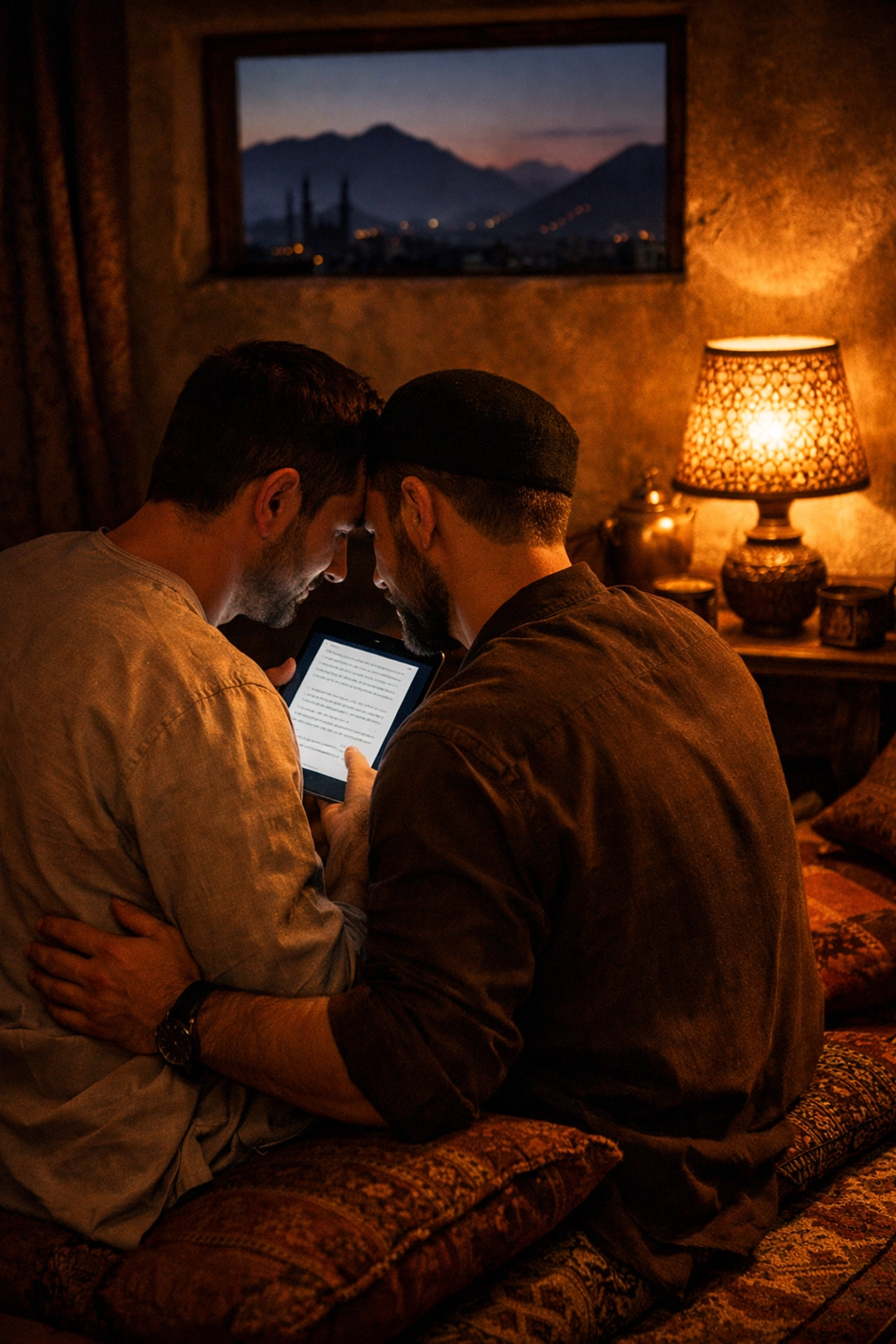
Omar worked in the tech sector before 2021. He tells us about the constant fear of his digital footprint. "I had to delete everything. Photos, apps, even contacts that looked 'suspicious.' It felt like I was erasing my own soul." For Omar, the "secret sanctuary" is now entirely internal. He finds solace in queer fiction and gay literature he managed to download and hide in encrypted folders before the internet became more restricted. "Reading these stories reminds me that I am human, even when the world tells me I shouldn't exist."
The "Unicorn" Spirit: Resilience Amidst Risk
Despite the darkness, the spirit of the community hasn't been extinguished. There is a quiet, stubborn resilience that mirrors the themes we love in gay adventure romance: the idea that love finds a way, even in the most hostile environments.
Some have managed to flee, finding safety in neighboring countries or further abroad, often supported by international LGBTQ+ organizations. Those who remain have become masters of invisibility. They find "sanctuary" in the briefest of moments: a shared look on a crowded bus, a coded social media post, or the private knowledge that they are part of a global family that values their existence.
Why Representation Matters More Than Ever
You might wonder why a publisher of MM romance books and gay novels is talking about Kabul. It’s because stories are powerful. When we read a heartfelt gay fiction story or a steamy MM romance, we are celebrating the freedom to love openly. For our brothers in Afghanistan, that freedom is a distant dream, but the stories we share help keep the global conversation alive.
By supporting queer authors and engaging with LGBTQ+ content, we strengthen a culture that refuses to let these voices be silenced. Whether it's a gay spy romance that mirrors the tension of underground life or a gay historical romance that reminds us we’ve always been here, literature is a form of activism.
Explore our collection of stories that celebrate resilience:
- Check out our latest releases at the Read with Pride Store.
- Find your next favorite read in our product catalog.
- Dive into more history with our blog category sitemap.
How to Be an Ally from Afar
If Zaid and Omar’s stories move you, there are ways to help. Organizations like Rainbow Railroad work tirelessly to move LGBTQ+ individuals from danger to safety. Simply staying informed and sharing these stories ensures that the "Secret Sanctuaries" of Kabul are not forgotten.
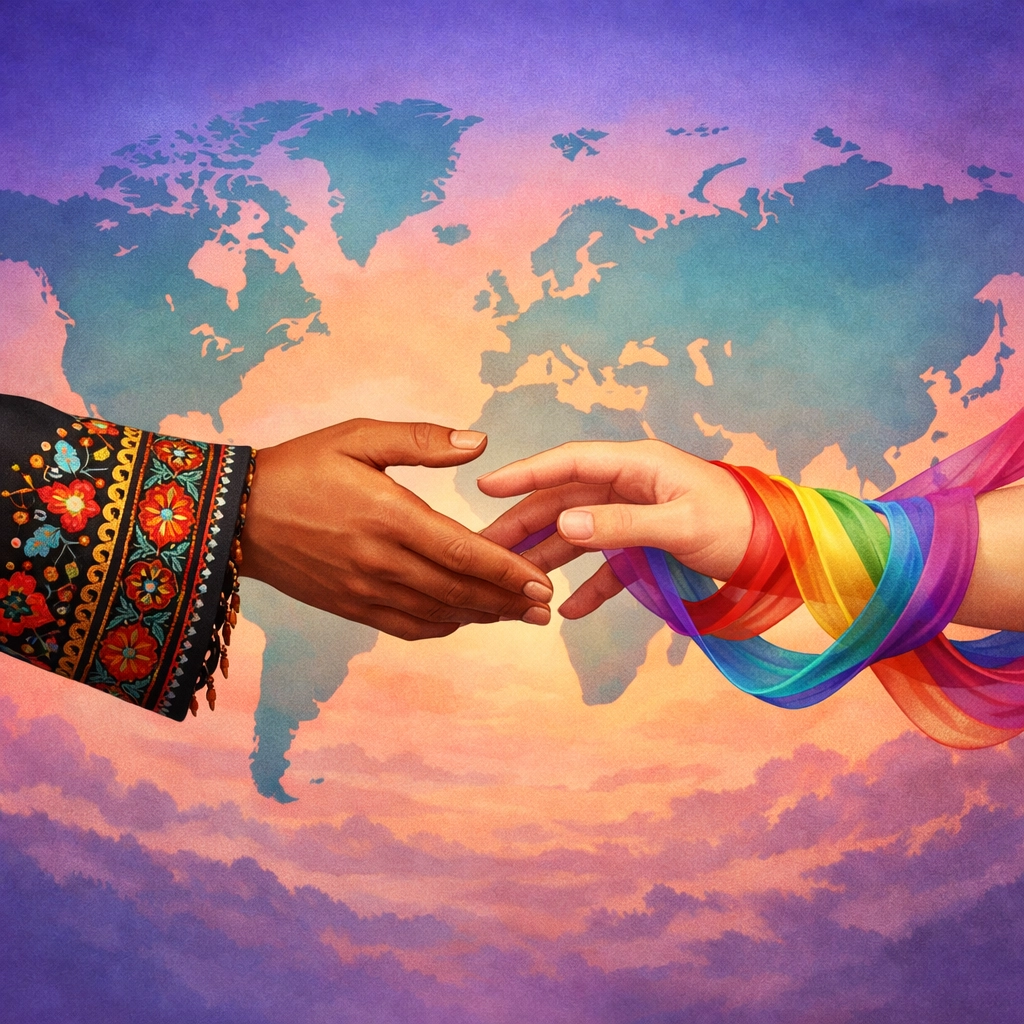
The world of gay romance novels often gives us a "Happily Ever After," but for many in the underground scene of Kabul, the goal is simply "Safely Ever After." At Readwithpride.com, we stand in solidarity with those navigating the shadows. We will keep writing, keep publishing, and keep reading: because every queer life is a story worth telling.
Stay connected with us for more stories of pride and resilience across the globe. Follow us on social media and join our community of readers who believe in the power of authentic LGBTQ+ voices.
Follow us here:
Find more at Readwithpride.com:
#LGBTQ #KabulUnderground #ReadWithPride #GayHistory #QueerResilience #MMRomance #GayFiction #HumanRights #Afghanistan #Pride2026

Leave a Reply
You must be logged in to post a comment.