

readwithpride.com
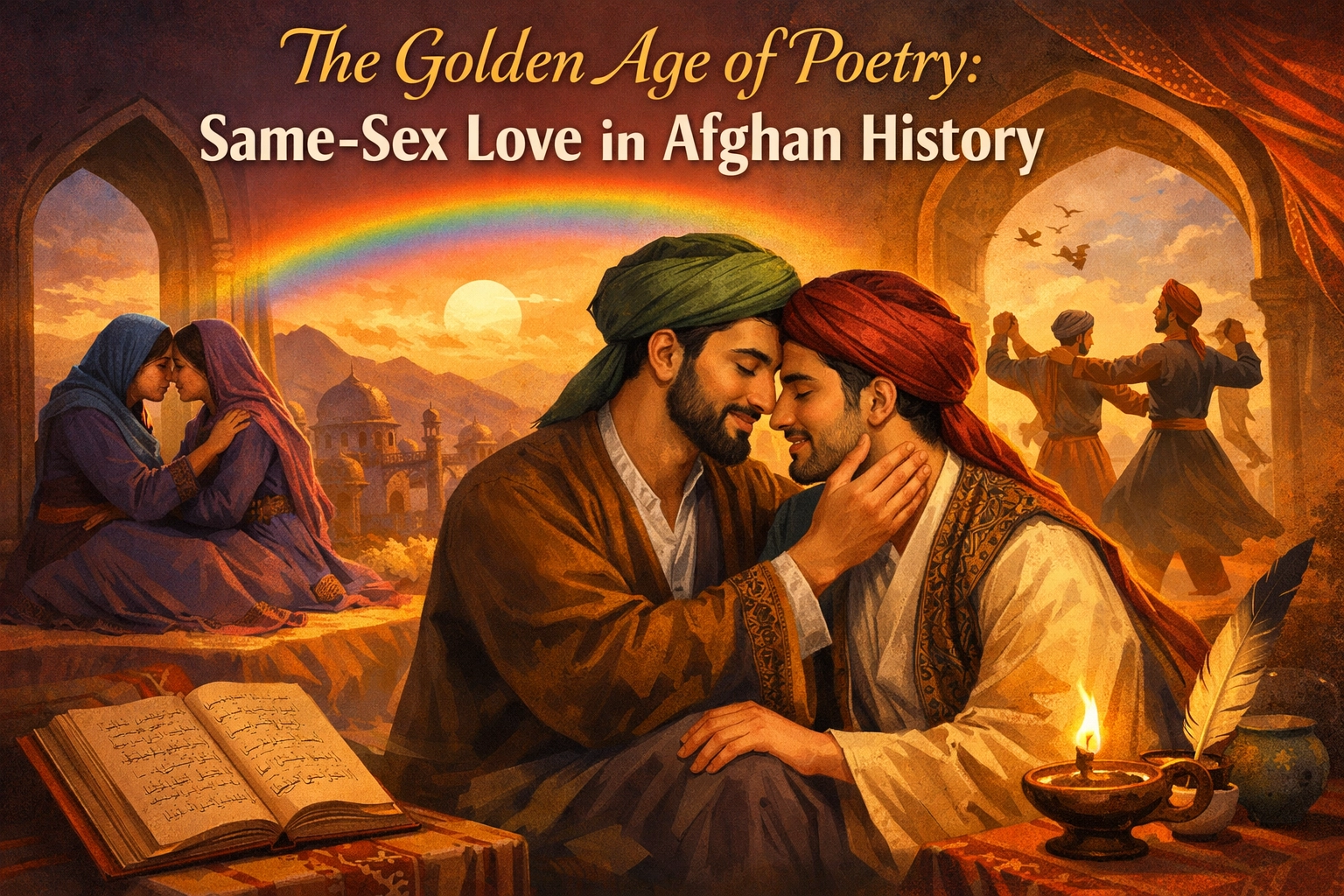
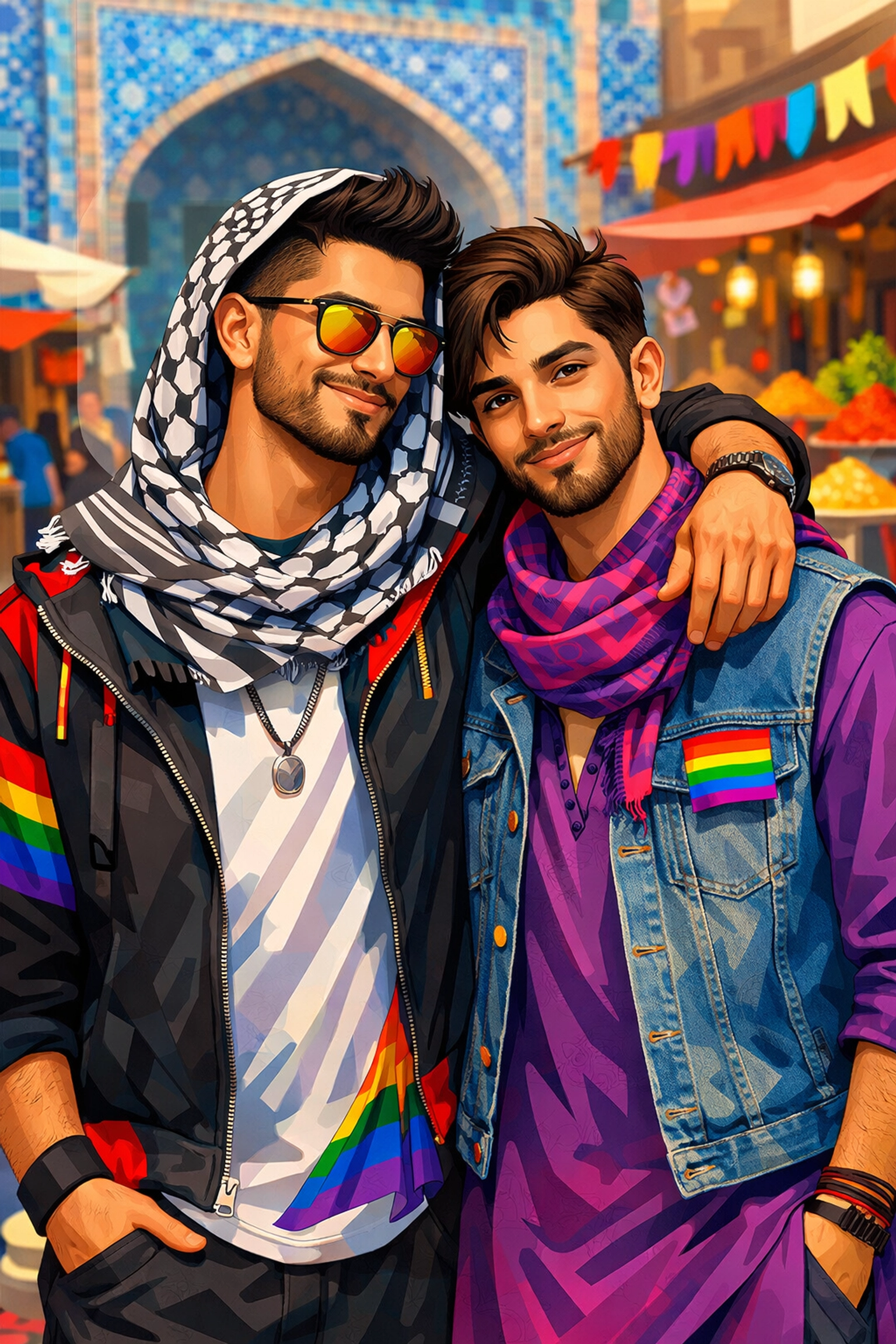
When we think about Afghanistan today, the headlines are often heavy, focused on conflict and restrictive laws. But if we peel back the layers of history, specifically the literary and cultural history of the region, we find a world that was vibrantly, poetically, and unabashedly queer. Long before the modern MM romance books we obsess over today, the courts of Kabul, Herat, and Balkh were the epicenters of a "Golden Age" where male beauty was the ultimate muse.
At Read with Pride, we believe that reclaiming our history is just as important as writing our future. So, grab your favorite beverage, get cozy, and let’s dive into the fascinating, often-hidden world of same-sex love in Afghan history. Spoiler alert: it’s more romantic than your favorite gay historical romance novel.
The Courtly Love of the Timurid Renaissance
To understand the queer history of Afghanistan, we have to talk about the Persianate world. For centuries, the region we now call Afghanistan was a central hub for Persian culture, language, and art. During the Timurid Renaissance (roughly the 14th to 16th centuries), the city of Herat became a global capital for creativity.
In these courts, poetry wasn't just a hobby; it was the language of power, spirituality, and, most importantly, desire. The "beloved" in classical Persian poetry, the figure the poet pines for, weeps over, and writes endless sonnets about, was almost exclusively male. Whether it was the "Saki" (the young male cup-bearer) or a beautiful soldier, the male form was celebrated as the pinnacle of earthly beauty.
Mahmud and Ayaz: The Original "King and Consort" Trope
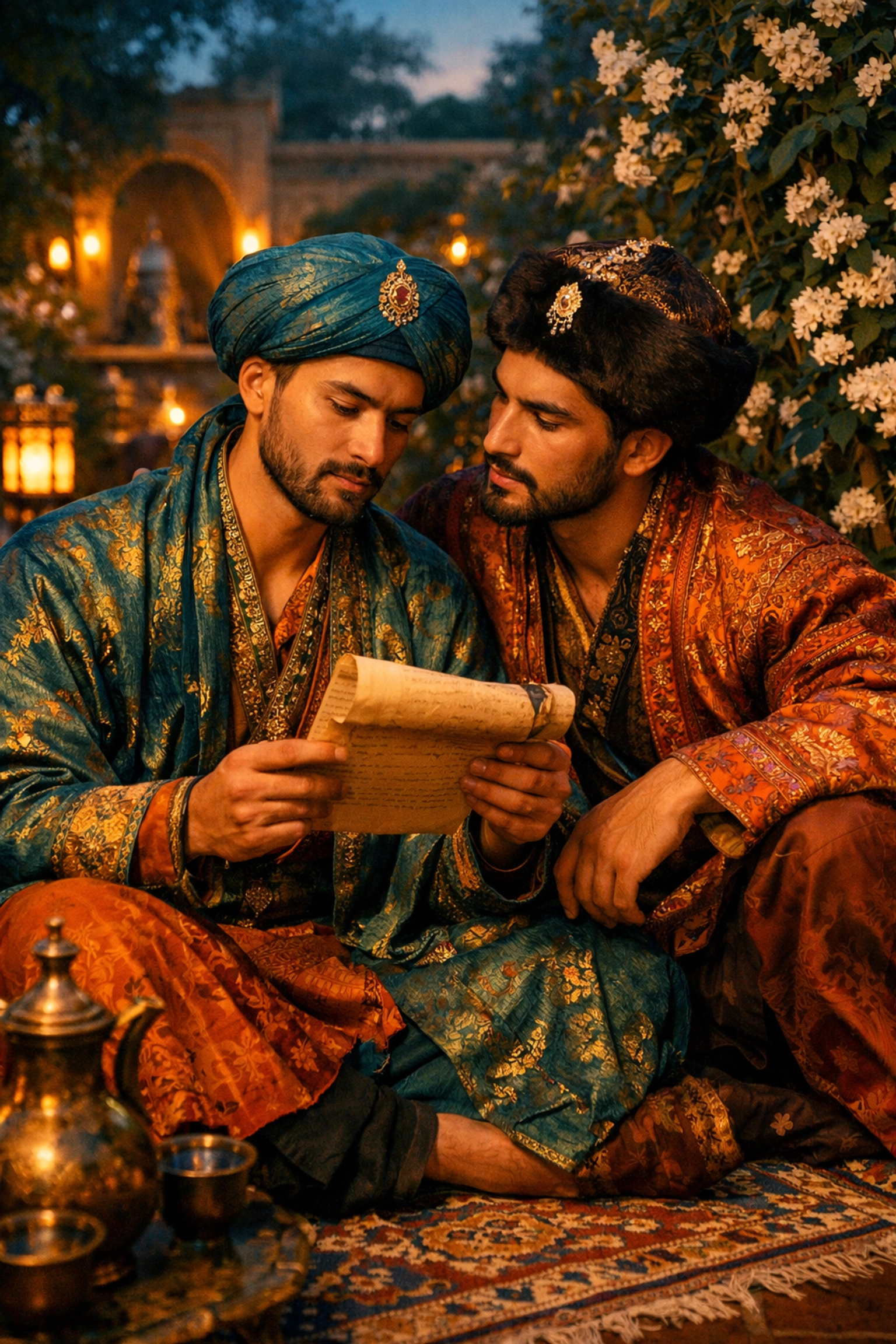
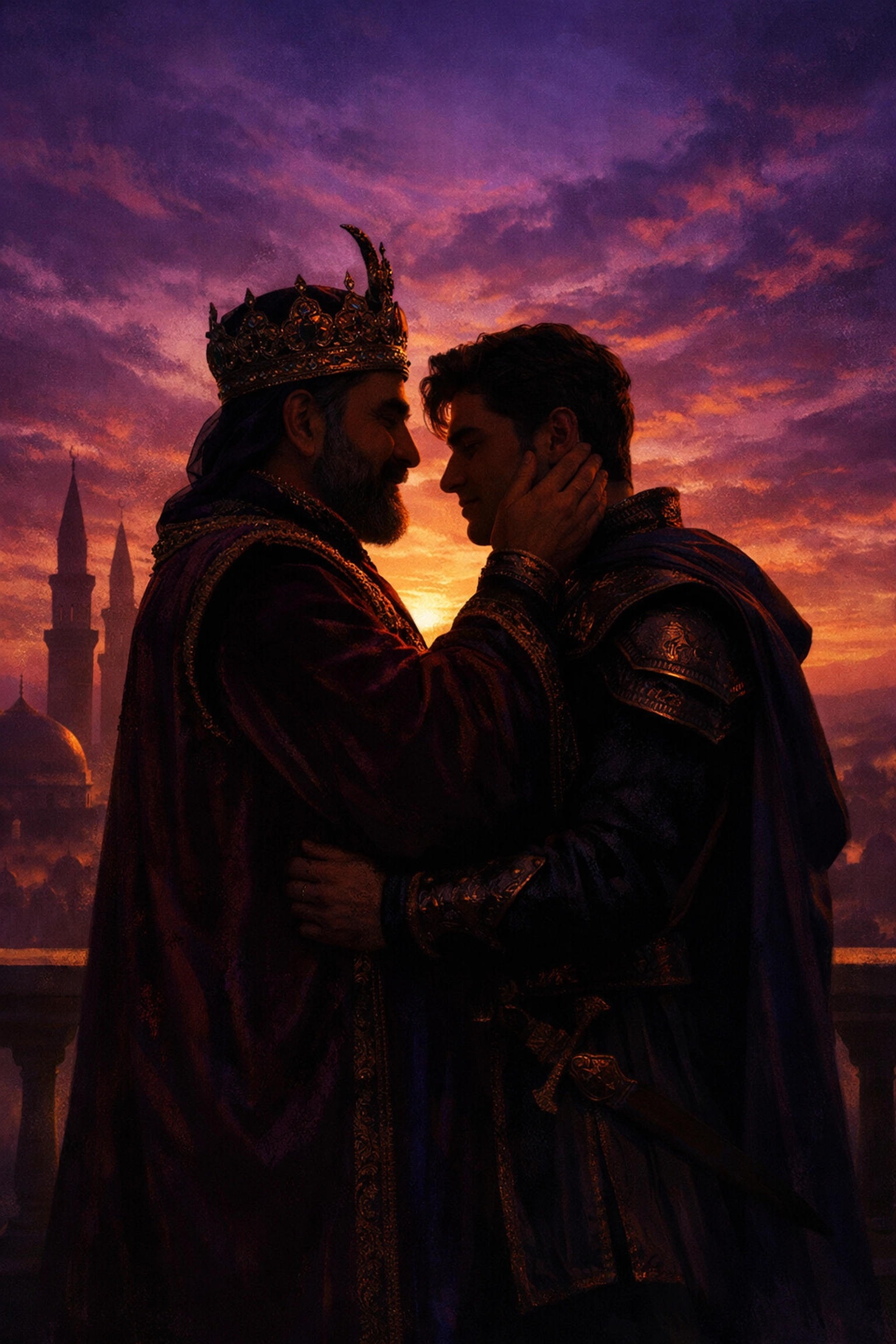
If you’re a fan of the "royal and commoner" or "enemies to lovers MM romance" tropes, you need to know about Sultan Mahmud of Ghazni and his beloved Malik Ayaz. This isn't just a footnote in history; it is one of the most famous love stories in the Eastern world, right up there with Romeo and Juliet, but much more legendary for the LGBTQ+ community.
Mahmud was a powerful 11th-century ruler based in Ghazni (modern-day Afghanistan). Ayaz was a Turkish slave who rose to become a general and a governor. Their relationship was celebrated by poets for centuries as the gold standard of devotion. In the poetry of the time, Ayaz wasn't just a servant; he was the Sultan's heart.
The story goes that the Sultan’s courtiers were jealous of Ayaz’s influence, but Mahmud proved Ayaz’s worth by showing that while others loved the Sultan for his gold, Ayaz loved him for his soul. This kind of gay love story, where love transcends social class and power dynamics, is exactly why we love gay fiction and MM novels today. It’s about that soul-deep connection that defies the world's expectations.
The "Ebony Beard" and the Poetic Gaze
One of the most interesting things about Afghan and Persian poetry is how specific it gets about male beauty. Forget the vague descriptions we sometimes get in modern MM contemporary fiction; these poets were obsessed with detail. They wrote about the "first down" on a young man’s cheek (the khatt), comparing it to verdant meadows or the scent of musk. They praised the "cypress-like" stature of their lovers and the "narcissus eyes" that could drive a man to madness.
This wasn't just about physical lust, though there was plenty of that. In the Sufi tradition, which deeply influenced Afghan literature, earthly love for a beautiful youth (ishq-e-majazi) was seen as a bridge to divine love (ishq-e-haqiqi). To look at a beautiful boy was to see a reflection of the Creator’s beauty. Talk about a "slow burn" romance with a spiritual twist!
How the "He" Became "She"
You might be wondering, "If this history is so prominent, why haven't I heard about it?" The answer, as it often is with queer history, involves a healthy dose of colonial-era scrubbing.
In the 19th and early 20th centuries, when Western scholars began translating these classical poems into English, they were shocked by the homoeroticism. Persian is a gender-neutral language; the word for "beloved" doesn't specify if the person is male or female. However, the context, references to beards, male names, and courtly roles, made it clear.
To make the poems "acceptable" to Victorian audiences, translators systematically changed "he" to "she." They turned these rich, complex gay romance novels of the past into heteronormative rhymes. This erasure is why platforms like Readwithpride.com are so vital in 2026. We’re here to say: No, they weren't "just friends," and no, that "beloved" wasn't a girl.
The Resilience of the "Landay" and Modern Voices
While the classical courts were dominated by men, Afghanistan also has a powerful tradition of "Landays": short, two-line folk poems often sung by Pashtun women. While many landays focus on the hardships of war and marriage, some whisper of forbidden desires and the secret lives of women.
Even today, despite the immense dangers, the queer spirit in Afghanistan remains. We see it in the underground art, the digital communities, and the activists who risk everything to live authentically. While we wait for the day when new gay releases can be sold openly in Kabul bookstores, we celebrate the history that proves queer life isn't a "Western import": it’s been part of the Afghan soil for over a millennium.
Why We Need Gay Historical Romance in 2026
Reading about Sultan Mahmud or the poets of Herat reminds us that our stories are ancient. When you pick up a gay historical romance or explore the best MM romance books of 2026 on our site, you’re participating in a tradition that spans continents and centuries.
Whether you're looking for steamy MM romance, heartfelt gay fiction, or gay fantasy romance that draws on Eastern mythology, there is a whole world of stories waiting for you. At Read with Pride, we’re committed to being the LGBTQ+ publisher that brings these diverse narratives to light.
Final Thoughts: The Journey Continues
The history of Afghanistan is a tapestry woven with threads of deep, male-centric love and poetic devotion. By looking back at the "Golden Age," we find the strength to keep pushing for a future where everyone can "Read with Pride."
If you’re looking to dive deeper into queer literature, check out our latest collections and join the conversation on our social media. Let’s make sure these stories are never erased again.
Stay Proud, Stay Reading.
Join the Community:
- Follow us on Facebook
- Catch our latest updates on X (Twitter)
- See our aesthetic book finds on Instagram
- Explore more on our Sitemap
#ReadWithPride #MMRomance #GayHistory #AfghanPoetry #QueerLiterature #GayHistoricalRomance #LGBTQBooks2026 #GayRomanceNovels #MMFiction

Leave a Reply
You must be logged in to post a comment.