

readwithpride.com
If you’re a fan of gay historical romance, you’ve probably noticed that many of our favorite stories are set against backdrops of societal struggle. There’s something deeply moving about seeing two men find love when the world is literally telling them their existence is a crime. But while we often get lost in the fictional worlds of MM romance books, it’s vital to remember the very real, very long shadows cast by laws like Germany’s Paragraph 175.
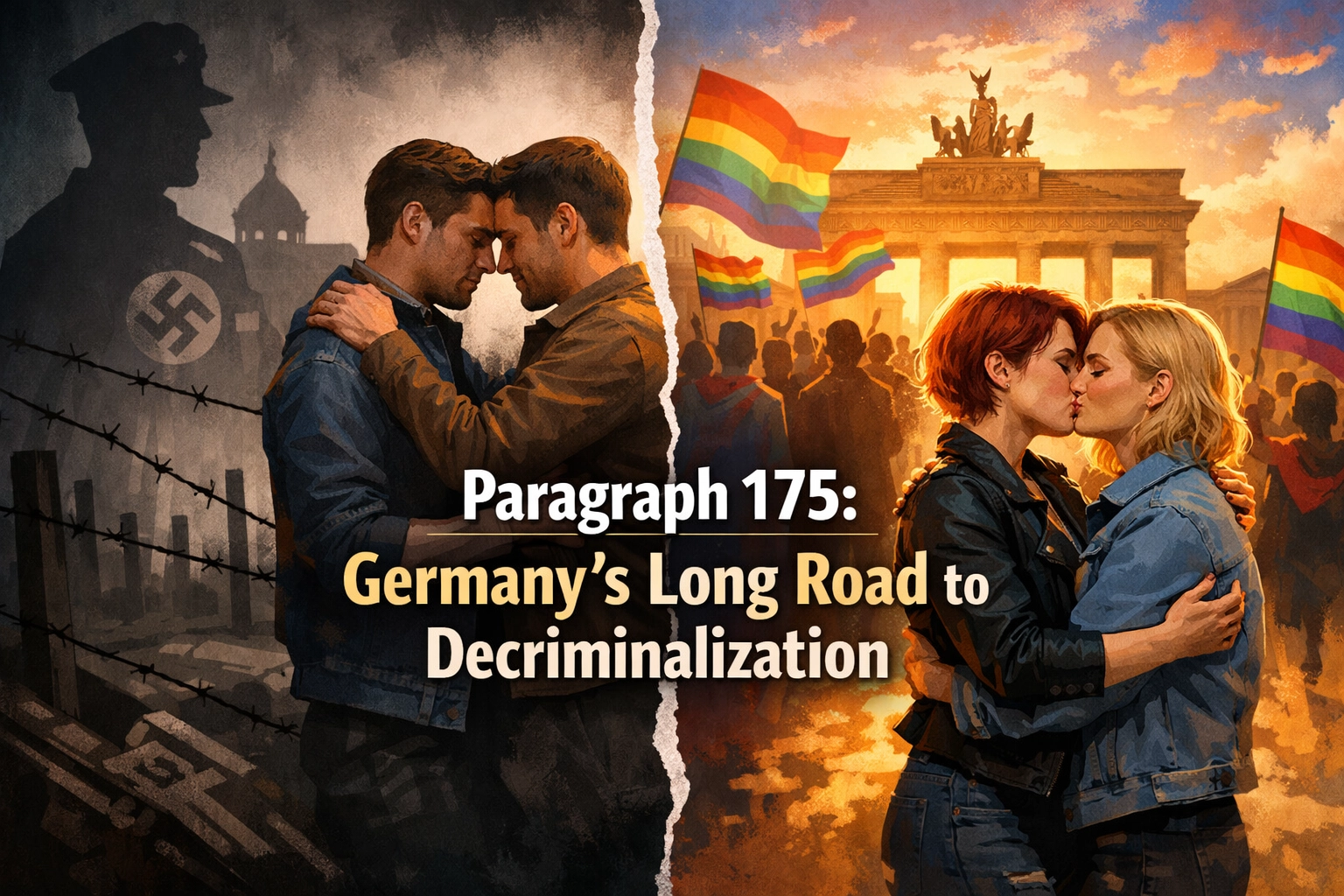
For over a century, this single paragraph of the German Criminal Code dictated the lives, loves, and tragedies of countless men. It wasn’t just a law; it was a weapon used by different regimes to suppress, imprison, and destroy. At Read with Pride, we believe that understanding our history is just as important as celebrating our future. So, let’s take a look at the long, grueling road to decriminalization in Germany: a journey that didn't fully end until 1994.
The Birth of a Statute (1871)
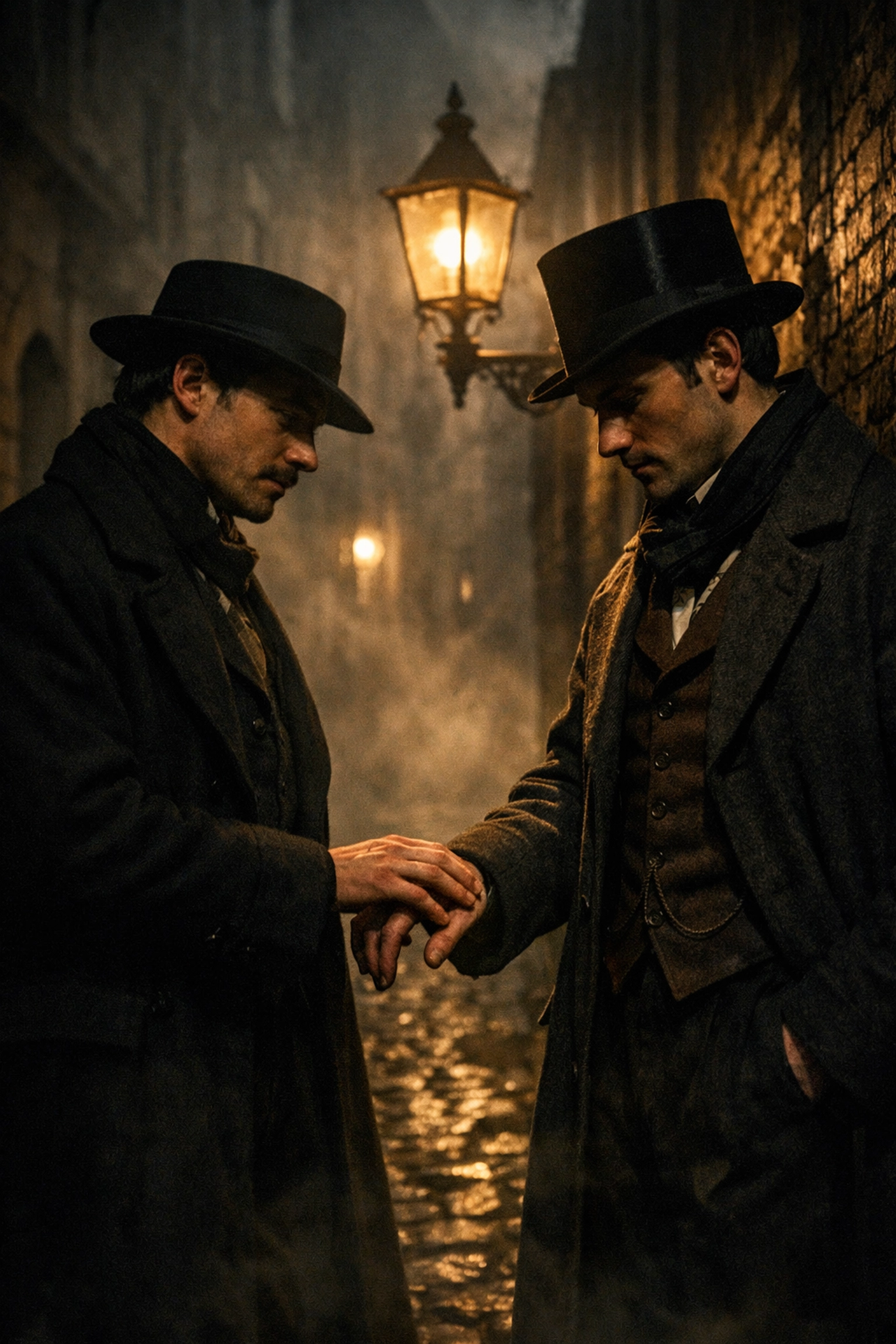
The story starts in 1871. Germany had just unified into an Empire, and with a new country came a new set of rules. Paragraph 175 was officially enacted, stating that "unnatural sexual acts" between males were punishable by imprisonment. It’s a phrase that feels ripped straight out of a dark gay psychological thriller, but for the men of the time, it was a daily reality.
Interestingly, the early days of the law were somewhat "constrained" compared to what came later. Courts initially required proof of "intercourse-like" acts. This made it harder for the police to get a conviction unless they literally walked in on someone. However, the social stigma was already set in stone. If you were caught, your life was effectively over.
By the late 1890s, the first glimmers of resistance began. This wasn't just a quiet whisper; it was the world's first organized LGBTQ+ rights movement. Activists like Magnus Hirschfeld and the Scientific-Humanitarian Committee began campaigning to repeal the law. They even got the backing of political heavyweights like August Bebel. In 1898, a petition to abolish Paragraph 175 reached the Reichstag, but it failed. Still, the seeds were sown.
The Weimar "Golden Age" and Missed Opportunities
For those of us who love gay contemporary romance or historical fiction, the Weimar Republic (1918–1933) is a legendary era. Berlin became the "Gay Capital of the World." There were clubs, magazines, and a level of openness that felt decades ahead of its time. In 1929, it looked like the community was on the verge of a massive win. A Reichstag committee actually voted to repeal Paragraph 175.
It should have been the end. The law should have died right then. But political instability and the rapid rise of the Nazi Party stalled the implementation. It’s one of the great "what ifs" of history: a moment where progress was within reach, only to be snatched away by the darkest chapter of the 20th century.
The Nazi Era: From Law to Persecution
When the Nazis took power, they didn’t just keep Paragraph 175; they weaponized it. In 1935, the regime expanded the law’s scope significantly. No longer did the police need proof of physical acts. A look, a touch, or even a piece of "suggestive" mail was enough to land a man in prison.
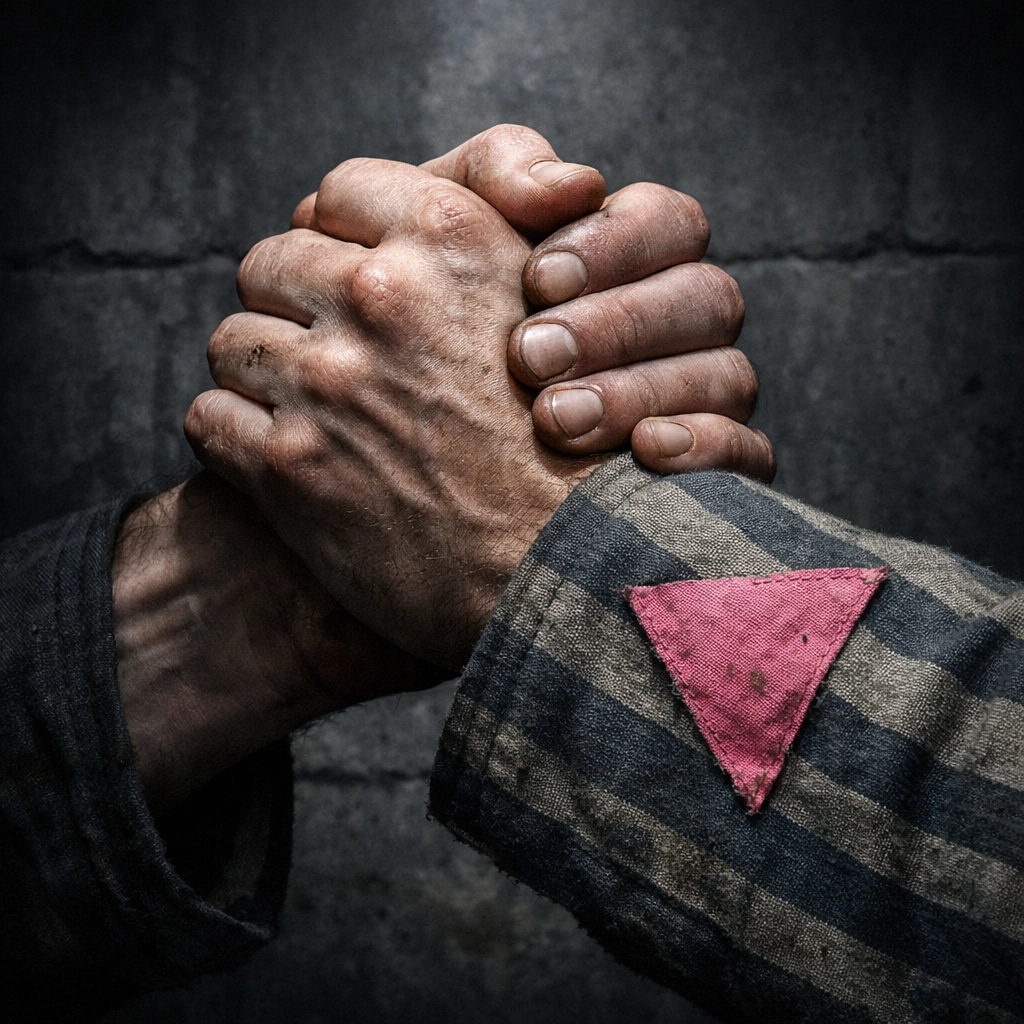
The penalties were increased to five years of hard labor, and a new section: 175a: was created for "severe lewdness." This period saw the systematic persecution of gay men, many of whom were sent to concentration camps and forced to wear the pink triangle. Over 100,000 men were arrested during this era, and approximately 50,000 were convicted. It’s a period often explored in award-winning gay fiction because the resilience shown by those who survived is nothing short of heroic.
A House Divided: Post-War Germany
You might think that after the fall of the Nazi regime in 1945, Paragraph 175 would have been tossed into the trash heap of history. Sadly, that wasn't the case. As Germany split into East (GDR) and West (FRG), so too did the legal interpretation of the statute.
West Germany (The FRG)
In a move that feels almost unbelievable today, West Germany actually retained the 1935 Nazi version of Paragraph 175. The Federal Constitutional Court ruled in 1957 that the law was not "Nazi-contaminated" and was consistent with the constitution. This meant that gay men in "free" West Germany were still being prosecuted under a law expanded by the Third Reich. It wasn't until the late 1960s and early 1970s that major reforms began to happen, eventually narrowing the law to only cover sex with minors.
East Germany (The GDR)
The East took a different route. They reverted to the original 1871 version of the law, which was narrower. By the late 1950s, the GDR had largely stopped enforcing it against consenting adults. In 1968, they fully decriminalized consensual homosexuality between adults: beating West Germany to the punch by decades.
This divergence is a fascinating topic for anyone interested in gay literature and history, as it shows how political ideology can strangely impact social progress in unexpected ways.
The Final Repeal (1994)
The Berlin Wall fell in 1989, and as the two Germanys moved toward reunification, the question of Paragraph 175 came back to the foreground. Which law would apply to the new, unified nation?
The West still had its (reformed) version, while the East had none. Ultimately, the social changes of the late 20th century won out. On March 10, 1994, Paragraph 175 was completely repealed. After 123 years, the criminalization of gay life in Germany was finally over.
But the journey didn't stop at repeal. It took until 2017 for the German government to officially annul the convictions of the 50,000+ men sentenced under the law after WWII and offer them compensation. It was a long-overdue apology for a century of state-sponsored homophobia.

Why This Matters for Readers Today
Why do we talk about this at Read with Pride? Because the stories we read: whether they are MM romance books, gay thriller novels, or heartfelt gay fiction: don't exist in a vacuum. The freedom we have to write and read steamy MM romance today was bought with the struggles of those who lived under laws like Paragraph 175.
When you pick up a gay historical romance set in Germany, you’re not just reading a love story; you’re reading a testament to survival. Authors like those found in our author directory often draw on this rich, painful history to create characters that feel real, vulnerable, and incredibly brave.
If you’re looking for your next great read, whether it’s one of the best MM romance books of 2026 or a deep dive into gay classics, remember the road we traveled to get here. We are lucky to live in a time where we can celebrate queer love openly.
Discover More Queer Stories
At Readwithpride.com, we are dedicated to bringing you the best in LGBTQ+ fiction. From MM fantasy to gay contemporary romance, our goal is to provide a space where everyone can find a story that resonates.
- Check out our latest releases in the Read with Pride Store.
- Explore our massive collection of gay eBooks.
- Find your next favorite trope, from enemies to lovers MM romance to forced proximity gems.
The road to equality was long, but every book we read and every story we share helps ensure we never go back. Keep reading, keep loving, and always Read with Pride.
Follow us for more LGBTQ+ content and book recommendations:
#Paragraph175 #LGBTQHistory #GayLiterature #ReadWithPride #MMRomance #GayRomanceBooks #QueerFiction #GermanHistory #GayHistoricalRomance #2026GayBooks

Leave a Reply
You must be logged in to post a comment.