

readwithpride.com
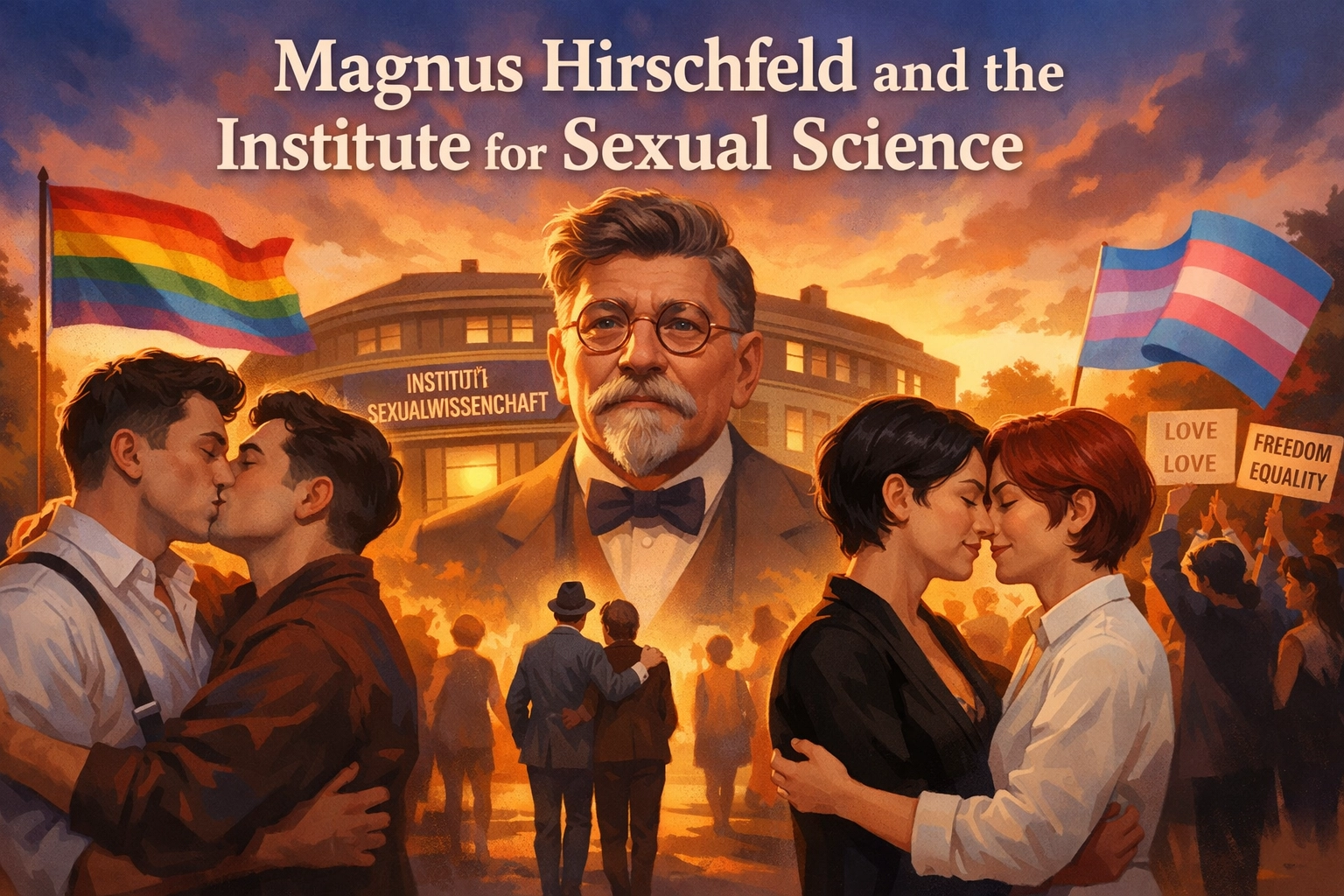
If you’ve ever curled up with one of the best mm romance books 2026 has to offer, you know that our stories: our queer, messy, beautiful lives: haven't always been easy to tell. But long before the modern boom of LGBTQ+ fiction, there was a place in Berlin that felt like a glimpse into a future we’re still building today. It was called the Institut für Sexualwissenschaft (the Institute for Sexual Science), and the man behind it was Magnus Hirschfeld.
Think of Hirschfeld as the "Einstein of Sex." At a time when the world was determined to keep us in the shadows, he was out there with a literal megaphone (and a very impressive mustache), arguing that being queer wasn't a sin or a sickness: it was just nature being its diverse, fabulous self.
At Read with Pride, we’re obsessed with the history that paves the way for the gay romance novels we love today. So, let’s take a trip back to Weimar Republic Berlin, a city that was, for a brief and shining moment, the queerest place on Earth.
The Man, The Myth, The Mustache: Who was Magnus Hirschfeld?
Magnus Hirschfeld was a Jewish German physician who decided that "justice through science" was his life's mission. He didn't just want to study sexuality; he wanted to liberate it. Hirschfeld developed the theory of "sexual intermediaries." In plain English? He believed that human beings weren't just "man" or "woman," but existed on a massive, colorful spectrum.
He was one of the first people to argue that homosexuality was innate. For anyone who grew up feeling like they were "born this way," Hirschfeld was the guy who provided the scientific receipts back in the late 1800s.
The World’s First Gay Rights Org: The Scientific-Humanitarian Committee
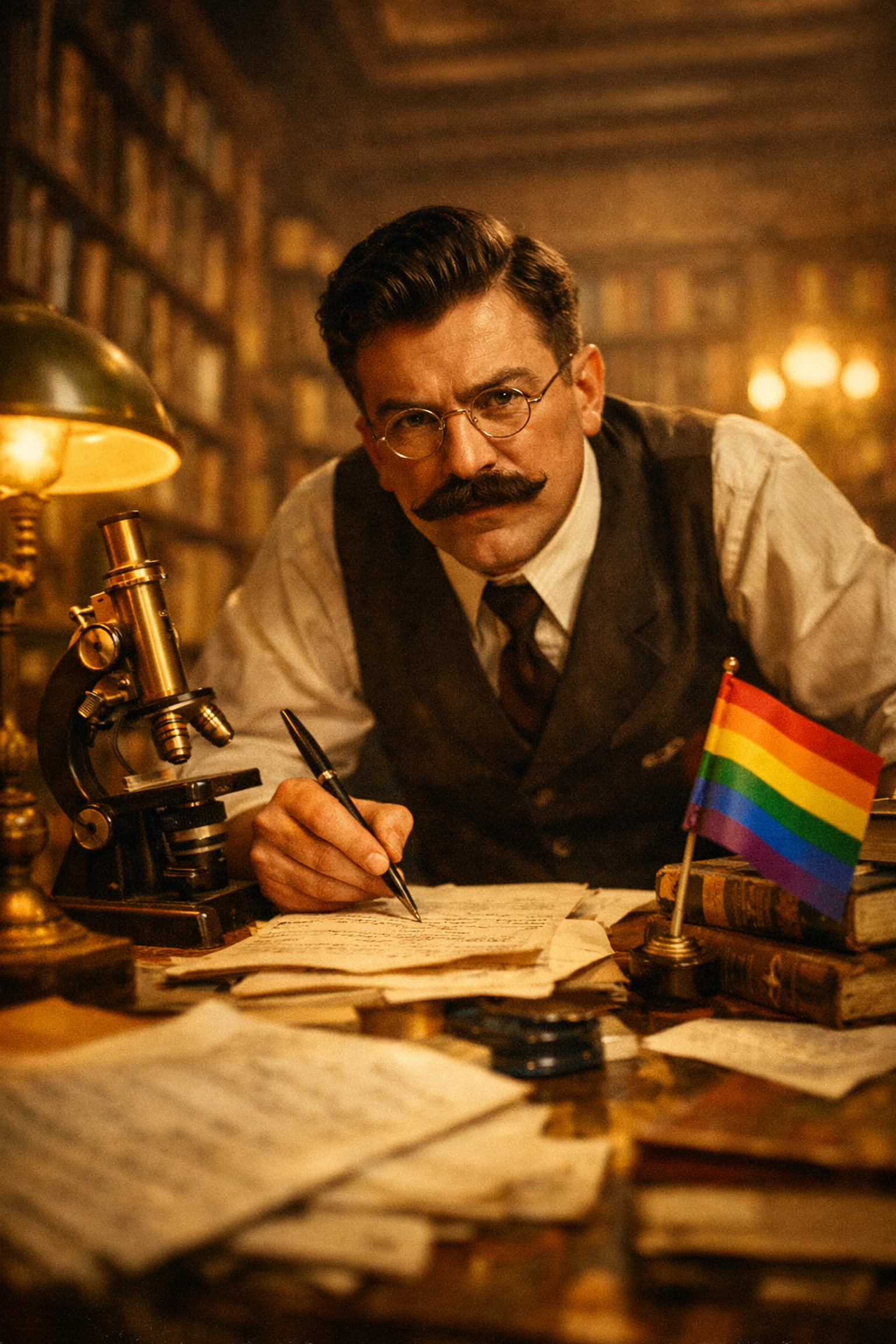
In 1897, Hirschfeld co-founded the Scientific-Humanitarian Committee. This wasn't just a book club (though we do love a good gay book club). It was the world’s very first organized LGBTQ+ rights group. Their primary goal? To strike down Paragraph 175, the nasty piece of German law that criminalized sexual acts between men.
Hirschfeld was a tireless campaigner. He gathered thousands of signatures from cultural icons like Albert Einstein and Thomas Mann to petition the government. He was out there doing the work so that one day, we could live: and read: freely. When we talk about gay literature and the freedom to publish M/M books, we owe a massive debt to the foundation Hirschfeld laid.
1919: The Birth of the Institute for Sexual Science
After World War I, Berlin became a playground of expression. In 1919, Hirschfeld realized his dream by opening the Institute for Sexual Science in a gorgeous villa in the Tiergarten district.
This wasn't just a cold, clinical office. It was a sanctuary. It housed:
- An incredible library of over 20,000 volumes (the ultimate LGBTQ+ reading list).
- A museum showcasing the diversity of human sexuality.
- Medical clinics that offered everything from contraception advice to treatment for STIs.
- A place where trans and non-binary people could find employment and safety.
The Institute became a world-renowned hub. If you were a queer person in the 1920s, the Institute was your North Star. It’s the kind of setting that would make for an incredible gay historical romance, full of intellectual debates, secret glances in the library, and the revolutionary feeling of finally being seen.
Pioneering the Future: The First Gender-Affirming Surgeries
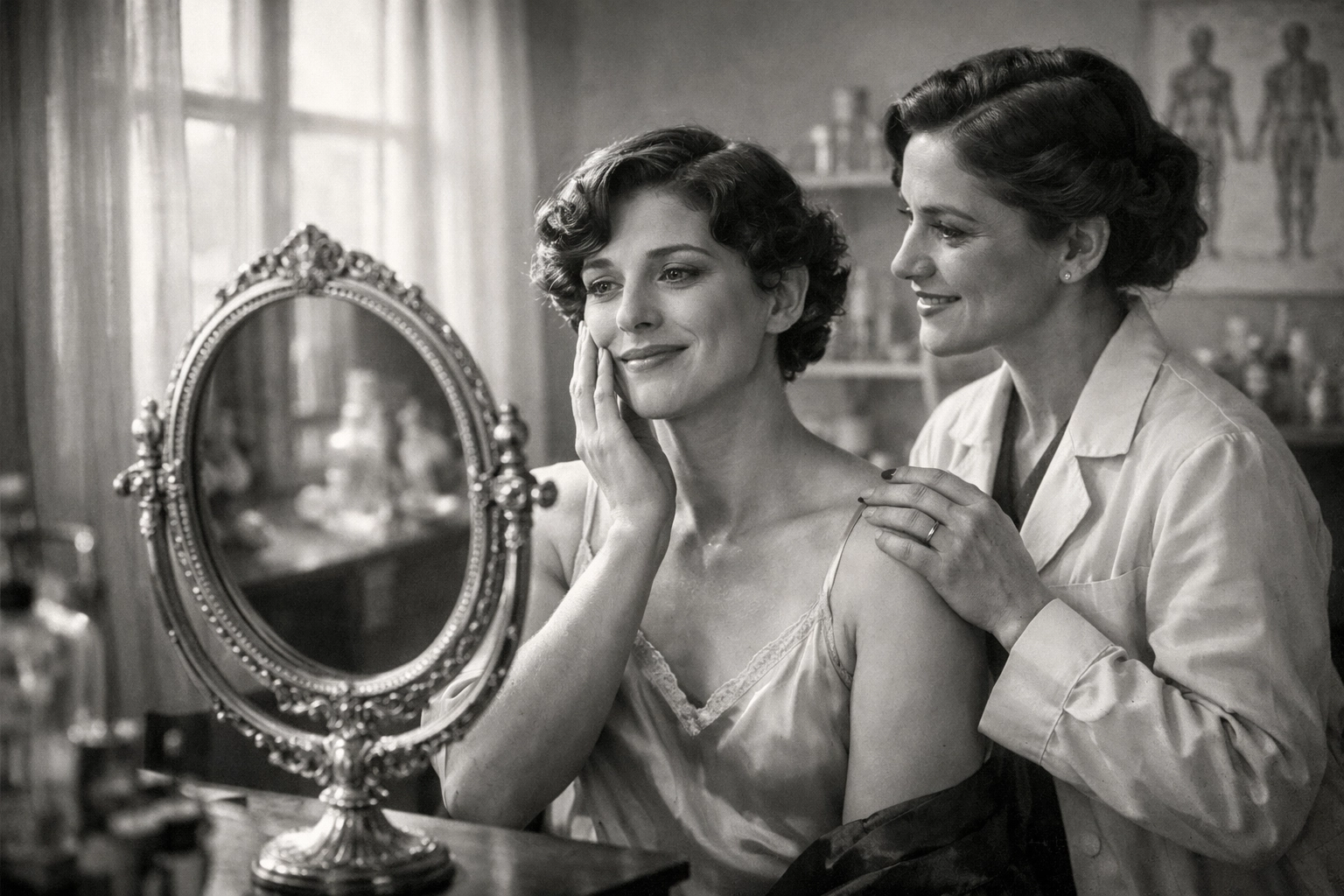
One of the most groundbreaking aspects of the Institute was its support for trans individuals. Hirschfeld actually coined the term "transvestite" (at the time, it was used more broadly to describe what we now understand as transgender identities) to help differentiate gender identity from sexual orientation.
The Institute didn't just talk the talk; they provided life-changing care. This is where some of the first modern gender-affirming surgeries took place.
- Dora Richter: A trans woman who worked as a domestic staff member at the Institute, she underwent a series of surgeries starting in 1922.
- Lili Elbe: Whose story you might know from The Danish Girl, also received care and surgery through the connections of the Institute.
These pioneers were incredibly brave, and the medical team at the Institute: including surgeons like Ludwig Levy-Lenz: were decades ahead of their time. When we read queer fiction today that centers on trans joy and transition, we are looking at the legacy of the Tiergarten villa.
Why This History Matters for Readers Today
You might be wondering, "Penny, this is a history lesson, what about my MM romance books?"
Here’s the thing: understanding our past makes our present stories hit harder. When we read a gay contemporary romance or a steamy MM romance set in 2026, we are enjoying a freedom that Hirschfeld’s generation fought: and died: for.
The Institute was a place where "all were welcome." It was a space that prioritized education and empathy over judgment. That same spirit is what we try to foster here at Read with Pride. Whether you’re looking for heartfelt gay fiction or the best MM romance books 2026 has queued up for your Kindle, you’re participating in a tradition of queer storytelling that the Nazis tried to erase.
The Darkest Chapter: The Nazi Rise and the Book Burning
We can't talk about the Institute without talking about how it ended. Hirschfeld was everything the Nazi party hated: Jewish, gay, and an intellectual who championed sexual freedom.
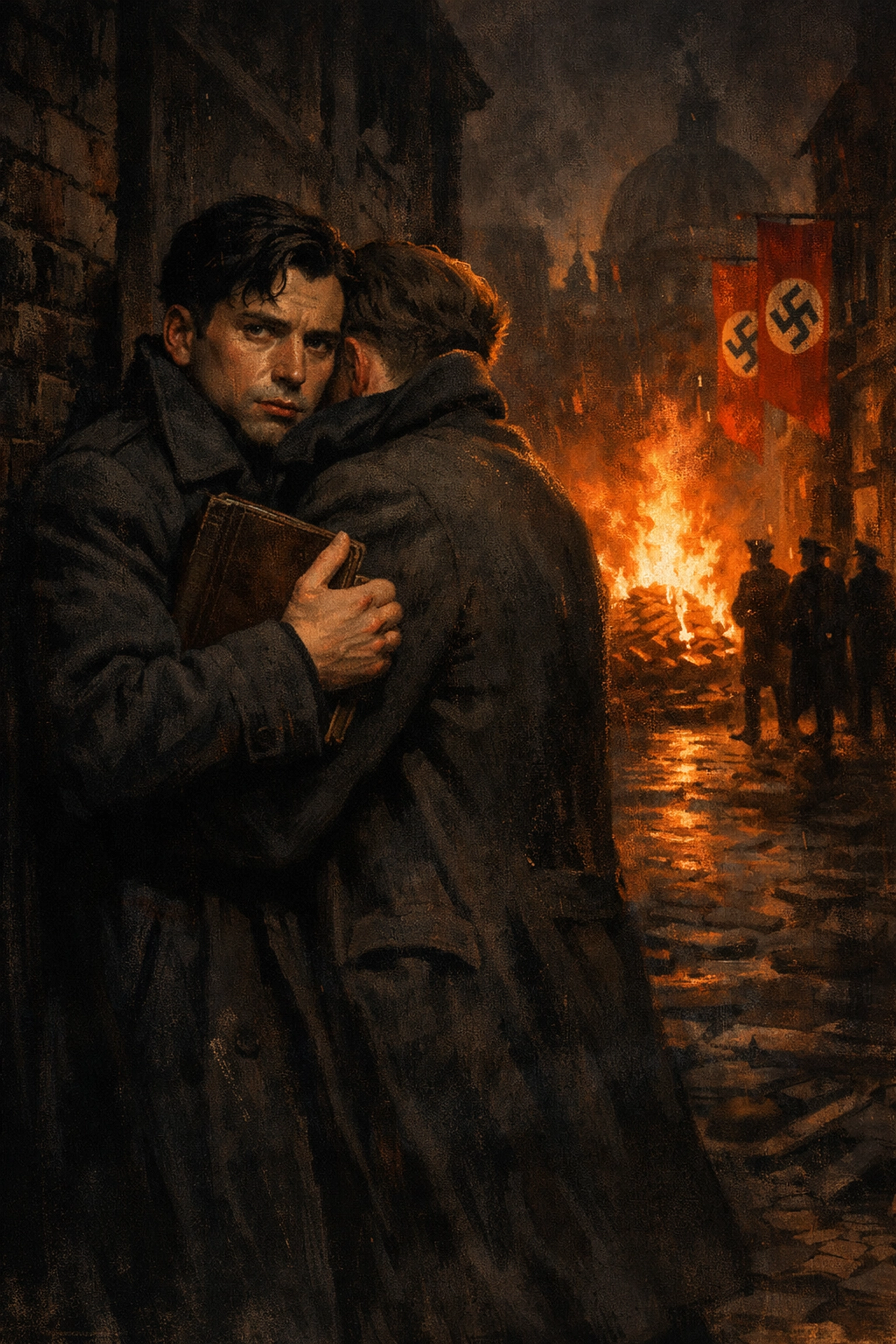
In May 1933, shortly after Hitler took power, Nazi-led students stormed the Institute. They looted the priceless library: the very books that contained our history: and hauled them to Opera Square. There, they set them on fire.
The iconic photos you see of Nazi book burnings? A huge portion of those books came from Hirschfeld’s collection. They didn't just want to kill people; they wanted to kill our ideas and our history. Hirschfeld, who was abroad at the time, saw the destruction of his life’s work in a newsreel in a cinema in Paris. He never returned to Germany and died in exile in 1935.
Through Science to Justice
Hirschfeld’s motto was Per Scientiam ad Justitiam: Through Science to Justice. He believed that if people just understood the truth about human variety, they couldn't help but be fair.
While the Institute was destroyed, the spirit of it survived. It moved underground, it moved across borders, and it eventually blossomed into the global movement we have today. Every time you buy LGBTQ+ ebooks or share a gay love story with a friend, you’re helping to rebuild that library.
What’s Next for Your Reading List?
If Hirschfeld’s story has you feeling inspired to dive into some gay historical romance or maybe some popular gay books that celebrate our resilience, we’ve got you covered. History is heavy, but it also reminds us how much we’ve triumphed.
At Read with Pride, we’re committed to bringing you the best in M/M books and queer fiction. From gay fantasy romance to gay psychological thrillers, our shelves are packed with stories that the book-burners couldn't stop.
Check out these links to keep the story going:
- Browse our latest releases in the Store.
- Find your next favorite author in our Author Directory.
- Follow our journey on Instagram, Twitter/X, and Facebook.
Magnus Hirschfeld once said, "Soon the day will come when nature will win the victory." Looking at the vibrant, diverse world of MM romance and the community we’ve built together in 2026, I think he’d be pretty proud of us.
Stay curious, stay brave, and as always, read with pride.
#LGBTQHistory #MagnusHirschfeld #QueerBerlin #GayBooks #MMRomance #ReadWithPride #TransHistory #GayRights #BookRecommendations2026 #QueerLiterature

Leave a Reply
You must be logged in to post a comment.