

readwithpride.com
Quick reality check: they weren’t 17th century (and that makes it even better)
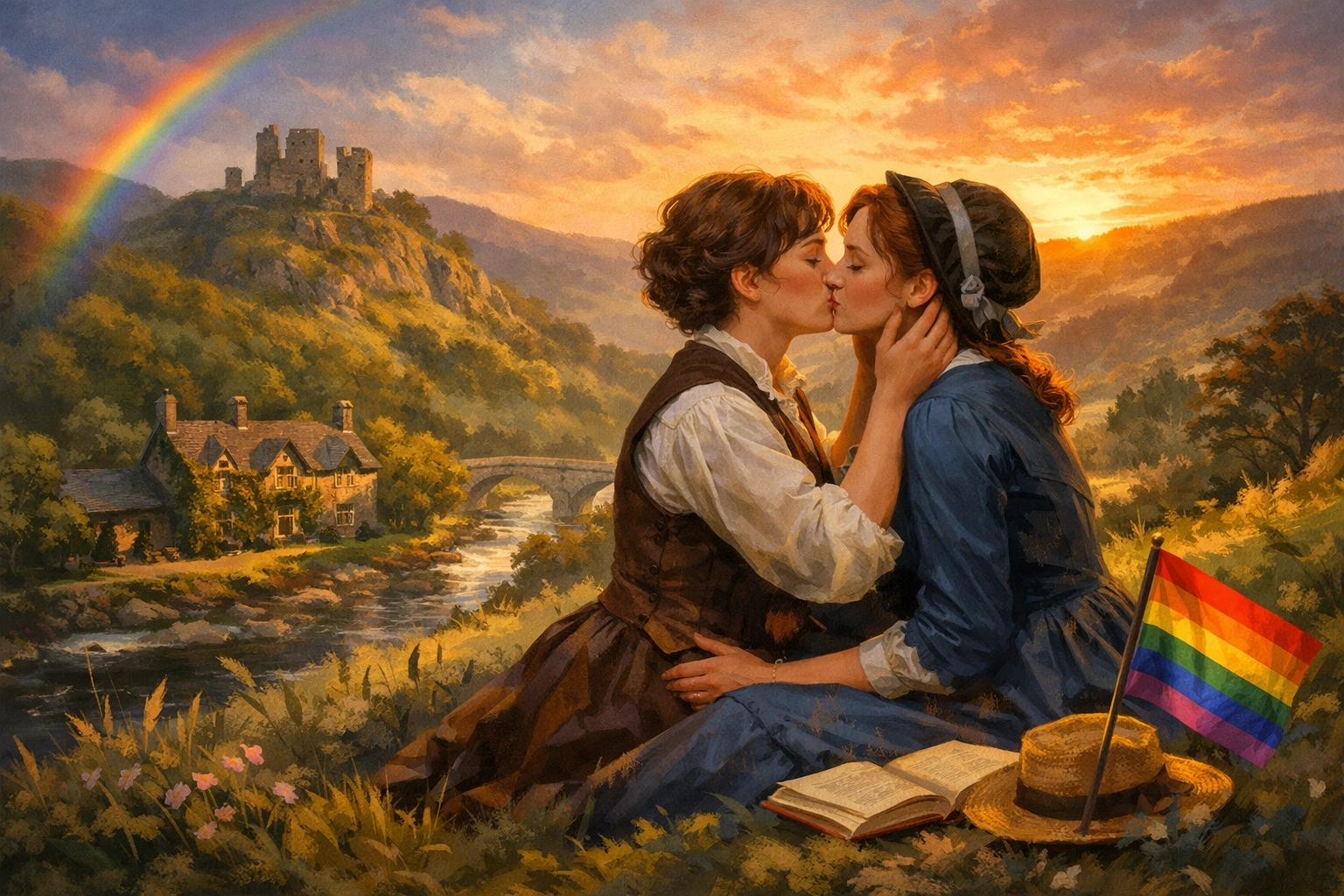
Let’s fix the timeline right up front because queer history deserves accuracy, not vibes. The Ladies of Llangollen weren’t 17th-century at all, they were late 18th century into the early 19th. The couple was Eleanor Butler (1739–1829) and Sarah Ponsonby (1755–1831), two upper-class Irish women who chose each other over the life paths their families planned for them.
And honestly? Their story reads like the blueprint for a lot of romance we adore now: slow burn, found family, quiet domestic intimacy, a dash of “society can’t tell us what to do,” and a setting that screams cozy, gothic-adjacent retreat.
If you’re here because you love gay romance novels, MM romance books, and historical love stories with soft edges and stubborn hearts… keep reading. This is one of those real-life romances that proves “happily ever after” didn’t start on Kindle.
Who were the Ladies of Llangollen?
Eleanor Butler and Sarah Ponsonby met in 1769. Eleanor was older (29) and was asked to keep an eye on Sarah, who was 13 and orphaned. Over the years, that connection grew into something deeper, built on shared interests, shared values, and the kind of emotional alignment that makes a relationship feel inevitable.
They were both boxed in by expectation:
- Eleanor faced pressure to enter a convent
- Sarah was being steered toward a marriage she didn’t want
Instead of compromising, they planned an escape. Not a metaphorical one. A real one.
Their relationship has been interpreted and labeled in different ways over the centuries (as many queer histories are), but what’s hard to argue with is this: they committed to a shared life for over fifty years, publicly, consistently, and with a “this is my person” energy that still lands today.
The escape: pistols, disguises, and a dog named Frisk
In 1778, they made a break for it.
They left at night, dressed as men, and carried pistols (because yes, the stakes were real). The most iconic detail? Sarah reportedly jumped from a window with her dog, Frisk, to meet Eleanor.
If that doesn’t sound like a scene from the first chapter of a historical romance, I don’t know what does.
They were caught at first, families tried to pull them back into line, but eventually, their relatives relented when it became clear this wasn’t a phase, a friendship, or a misunderstanding. It was a life choice.
And it was one they refused to undo.
Plas Newydd: building a life that looked like theirs
By 1780, they settled in Llangollen, North Wales, at a home they called Plas Newydd (“New Mansion”), along with Sarah’s servant Mary Carryl, who lived with them for decades.
Plas Newydd became their project and their sanctuary. Over time, they transformed a cottage into something unmistakably theirs, full of personality and deliberate aesthetic choices:
- Gothic-style design elements
- Welsh oak paneling
- Pointed arches and stained glass
- A serious library (not for decoration, these women read)
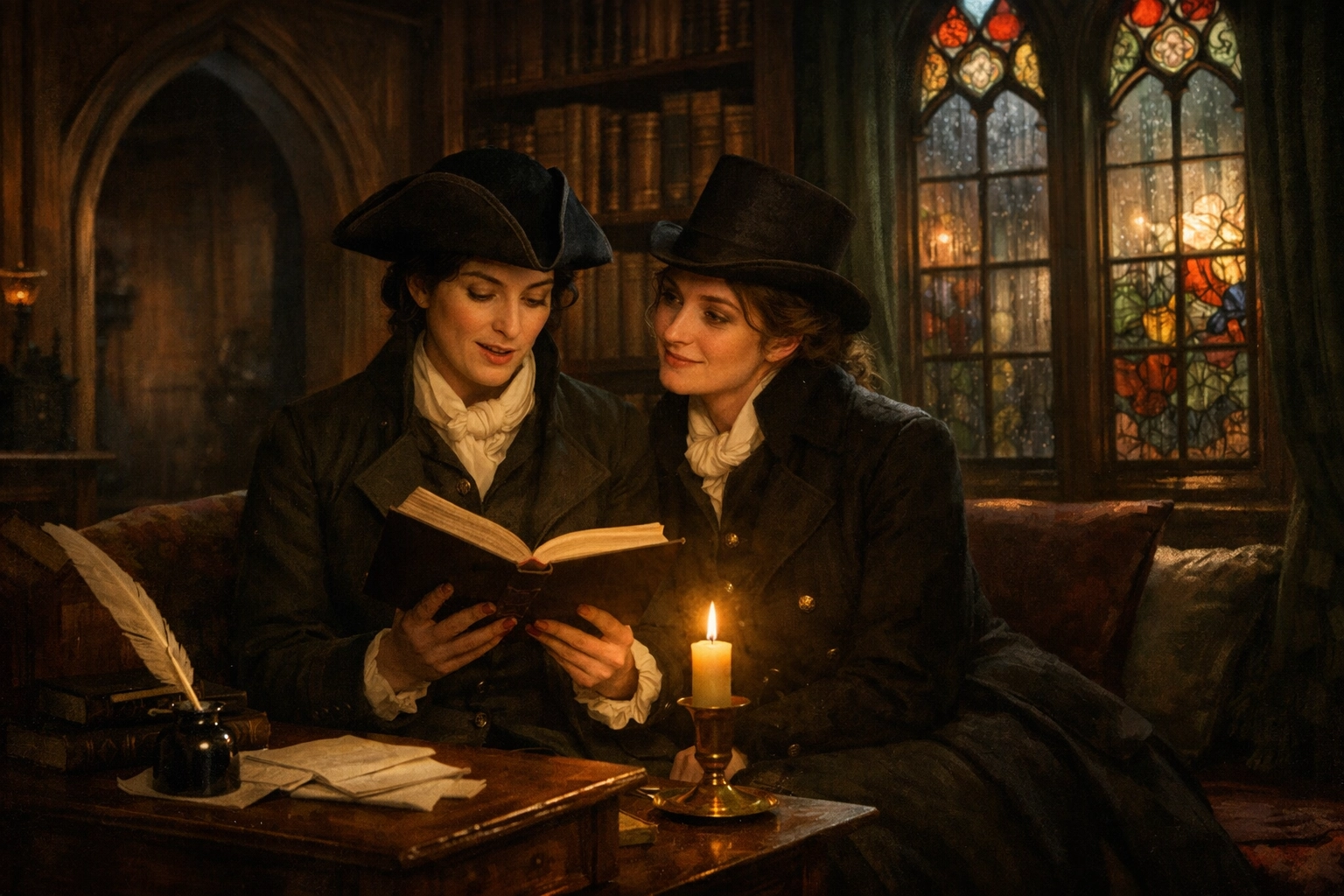
They spent their days learning languages, studying literature, collecting art, tending gardens, and writing letters. This wasn’t performative eccentricity. It was a deliberately crafted shared life, built around what they loved.
If you’re into romance that’s less “dramatic misunderstandings” and more quiet devotion, Plas Newydd is basically the set-piece for that trope: two people choosing daily tenderness and routine over social approval.
readwithpride.com
“We just wanted peace” , and then became famous anyway
Here’s the part that feels painfully modern: they wanted privacy, but the world insisted on gawking.
Their relationship and household arrangement sparked both fascination and scandal. Instead of being left alone, they became a kind of attraction. People showed up. A lot.
At peak curiosity, they received up to 20 visitors daily. Distinguished guests visited too, writers, aristocrats, public figures, even royalty. They were observed, described, and discussed like living symbols.
And the Ladies didn’t exactly blend in. They became known for wearing masculine riding habits and top hats, a look that made them instantly recognizable and, in a weird twist of early celebrity culture, marketable. They were even turned into souvenirs and postcards.
It’s easy to laugh at “tourists at your house every day,” but underneath is something familiar: queer people being treated as spectacle. Still, the Ladies held their ground. They didn’t erase themselves to make other people comfortable.
That’s part of why their story lasts.
The trope map: why romance readers can’t quit this story
If you read romance (especially queer romance), you can spot the beats immediately. The Ladies of Llangollen hit a bunch of the story patterns readers actively seek out, just without the tidy 300-page pacing.
Here are the big ones:
1) Slow burn, the historical edition
This wasn’t love at first sight. It was connection over time, shared reading, shared thought, shared dreams. The slow build is part of why it feels so emotionally believable.
Romance keyword angle: slow burn queer romance, slow burn historical love story
2) Forbidden love (but make it logistical)
The “villain” wasn’t one person; it was a whole machine of class expectations, inheritance, religion, and gender roles.
Romance keyword angle: forbidden love historical romance, societal pressure trope
3) Found family and chosen home
Plas Newydd wasn’t just a house. It was a statement: we belong to ourselves. That’s chosen family energy, even when your chosen family is small and domestic.
Romance keyword angle: found family romance, cozy domestic queer fiction vibes
4) Quiet intimacy / domestic tenderness
Their story isn’t famous for public drama between them. It’s famous for the opposite: enduring companionship, shared routines, shared tastes, shared calm.
This is exactly the vibe many readers chase when they look for quiet intimacy in romance, where love is shown through everyday acts, not constant fireworks.
And yes, while our site is known for LGBTQ+ ebooks and modern reads, this is one of those historical stories that still feeds the same craving that readers bring to MM romance books: the desire to see love treated as real, resilient, and worthy.
A note for readers searching “historical mm romance novels”
Let’s talk about the keyword we see a lot: historical mm romance novels.
The Ladies of Llangollen weren’t men, and this story isn’t M/M. But it is a powerful example of:
- queer love existing outside modern labels
- queer partnership being lived openly (to the extent possible)
- romance shaped by the constraints of its time
So if you’re hunting for gay historical romance or MM historical romance because you want the feeling of history: stakes, social pressure, coded language, yearning: this story delivers that emotional texture.
It’s also a great reminder: queer history isn’t a single lane. It’s a whole network of lives, genders, and relationships that don’t always match today’s categories neatly. And that’s not a flaw. That’s reality.
Wales as a character: why Llangollen matters
Llangollen isn’t just “the place where it happened.” It’s part of the romance.
North Wales offered the Ladies something they couldn’t get in the same way in their original social circles: a bit of distance, a bit of anonymity (at first), and a landscape that supports the whole “we’re building our own world” vibe.
If you’ve ever read romance where the setting feels like it’s holding the couple: moody hills, old stone, gardens, rain that makes you stay inside and talk: this is that.
And when you view Plas Newydd as a shared creative project, the place becomes even more romantic. Their home wasn’t a backdrop. It was proof-of-love in architecture and routine.
Public support, private cost: the pension and the pressure
One of the more surprising details: they eventually received financial support in the form of a pension granted by King George III.
It’s tempting to interpret that as pure acceptance, but reality is messier. The Ladies existed in a strange cultural space: disapproved of, yet tolerated; judged, yet admired; gossiped about, yet visited by the powerful.
That duality: being “allowed” as long as you’re charming, harmless, and entertaining: still echoes in modern queer life. It’s why their story resonates beyond the romance of it. It highlights how visibility can be both protective and invasive.
The ending (and why it matters): buried together
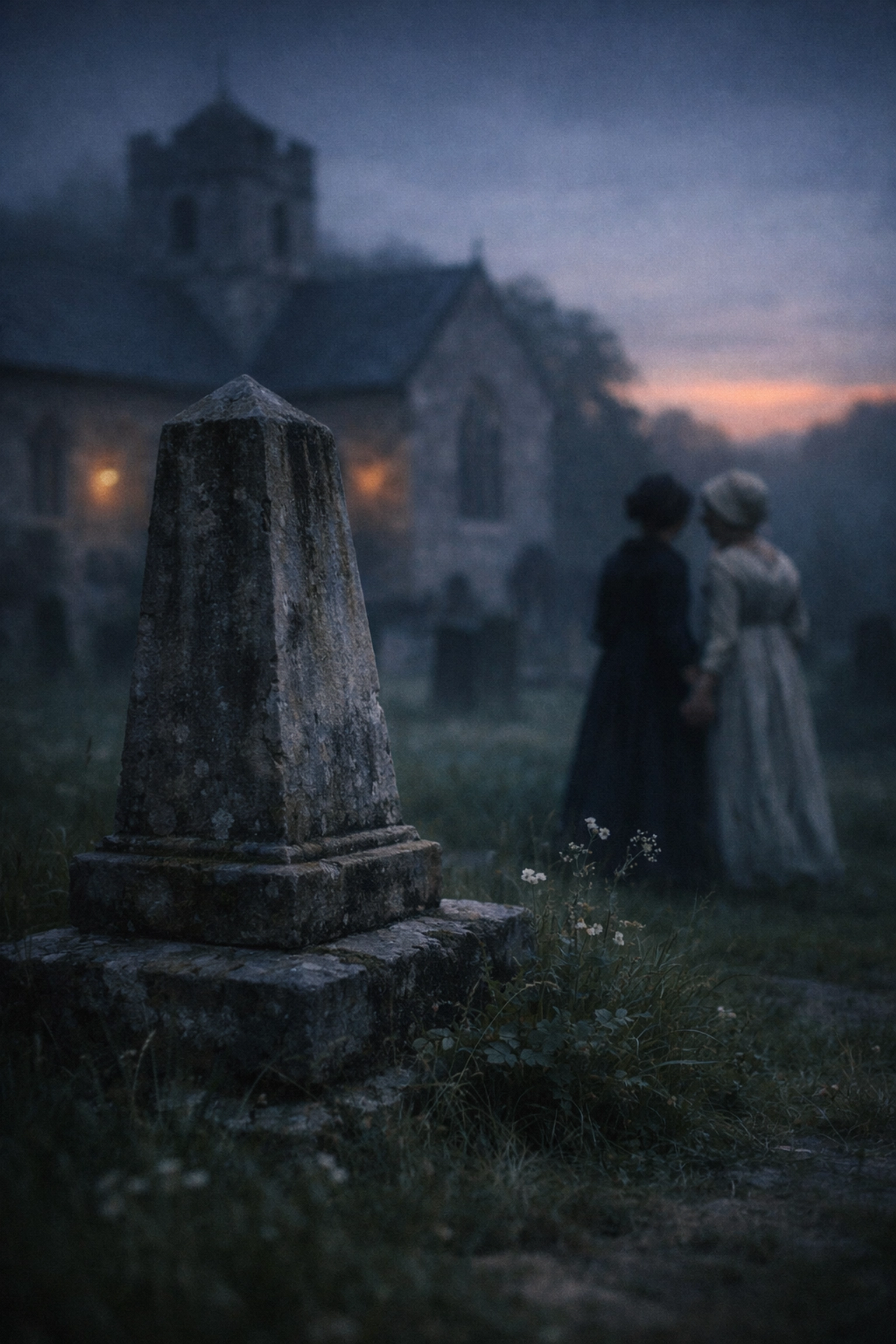
Eleanor died in 1829 at age 90. Sarah died in 1831. They were buried together at St Collen’s Church, alongside Mary Carryl, with a three-sided monument commemorating all three women.
For anyone who’s ever had to fight for their relationship to be recognized as real, that detail hits hard.
They didn’t just live together. They were memorialized together. In a time when so many queer lives were hidden, erased, or footnoted, the Ladies left something materially undeniable: a shared home, a shared history, and a shared resting place.
readwithpride.com
If you love “quiet intimacy” romances, here’s what to look for next
If the Ladies of Llangollen are your vibe: soft, steady, intimate: here are romance reading cues to search for when you’re picking your next book:
- “slow burn” (especially “slow burn historical”)
- “domestic” or “slice of life” romance
- “found family”
- “cozy queer romance”
- “gothic manor / country house” settings
- “letters / correspondence” trope
- “devoted companions” dynamic
And if you’re building a TBR around MM romance books specifically, the “quiet intimacy” label often pairs beautifully with hurt/comfort, caretaking, and softly possessive devotion (the healthy kind).
For more LGBTQ+ reading ideas and queer history-meets-romance content, browse the main site: https://readwithpride.com
A quick SEO + site housekeeping note (because we’re publishers, not just romantics)
- This post includes one H1 (the title), which is what we want for technical SEO.
- The title says “17th century,” but the content clarifies the correct era (late 18th to early 19th). If you want peak SEO accuracy, consider updating the title later to reduce bounce from history-minded readers searching exact dates.
Follow Read with Pride (and tell us what you want next)
Want more UK & Ireland queer history deep-dives: Scotland, Cornwall, Belfast, Manchester, the lot: or more trope-based guides for your next MM romance books binge?
- Website: https://readwithpride.com
- X: https://x.com/Read_With_Pride
- Instagram: https://www.instagram.com/read.withpride/
- Facebook: https://www.facebook.com/profile.php?id=61586883027069
Hashtags
#ReadWithPride #Readwithpride #QueerHistory #LGBTQHistory #WelshHistory #Llangollen #SapphicHistory #SlowBurnRomance #QuietIntimacy #FoundFamily #LGBTQBooks #GayRomanceNovels #MMRomanceBooks #QueerFiction #LGBTQRomance #GayHistoricalRomance #BookRecommendations #BestMMRomanceBooksOf2026

Leave a Reply
You must be logged in to post a comment.