

readwithpride.com
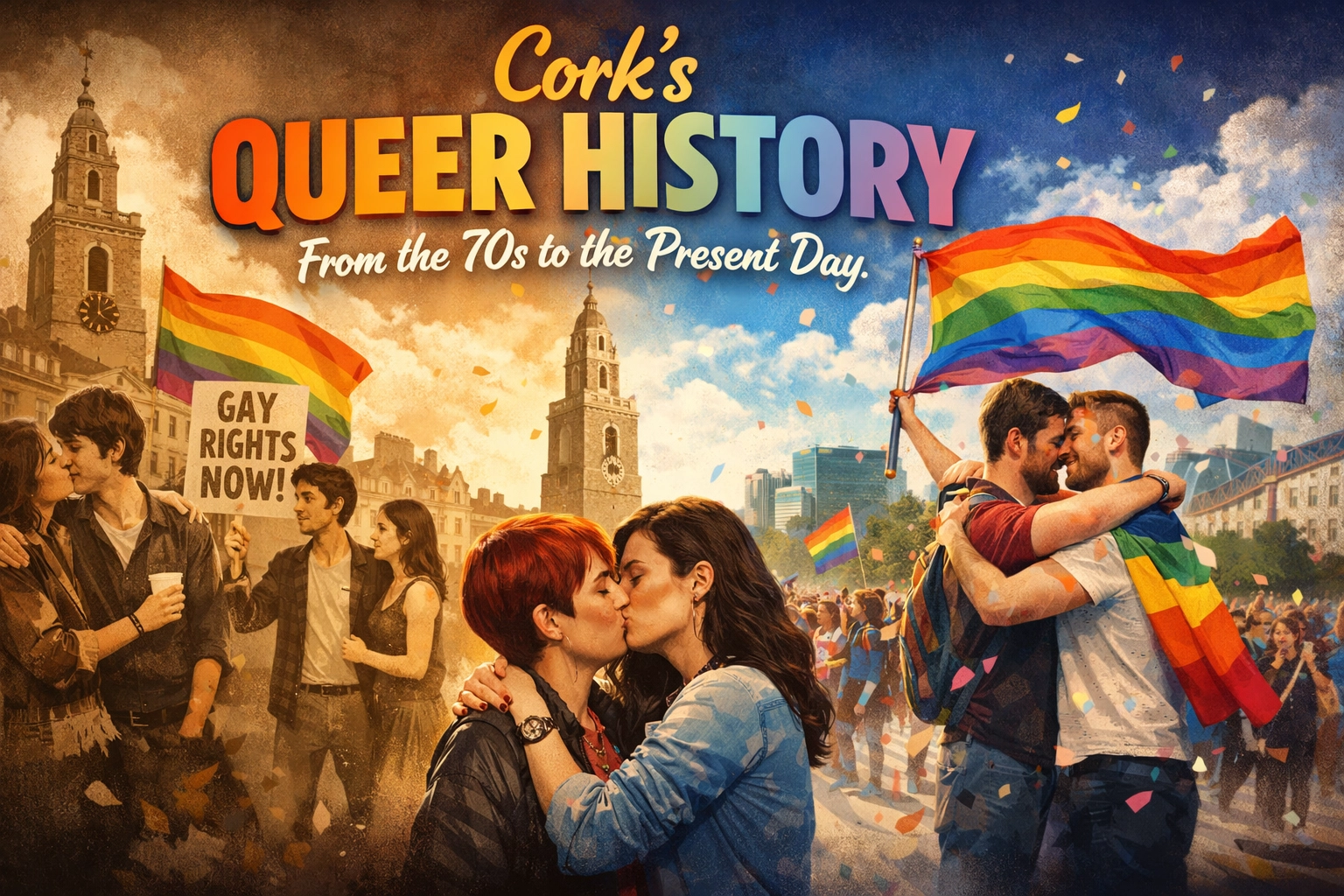
Cork likes to call itself Ireland’s “real capital,” and honestly? When it comes to LGBTQ+ community-building, activism, and cultural grit, it’s got a pretty strong case. Long before rainbow crosswalks and corporate Pride floats, queer life here meant coded conversations, careful meet-ups, and learning which doors were safe to walk through, and which weren’t.
This is a city where the scene started underground, moved into pubs and community centres, fought through the worst years of stigma and the HIV/AIDS crisis, and then helped push Ireland toward the rights and visibility we have today. Cork’s queer history isn’t a neat line upward. It’s messy, brave, funny in places, heartbreaking in others, and deeply worth remembering.
If you love queer fiction with big feelings and real-world stakes (hello, friends to lovers mm romance stories and slow burn mm romance recommendations), Cork’s timeline reads like the emotional blueprint: strangers become chosen family, found community becomes home, and small acts of courage stack up into change.
The 1970s: when “the scene” was mostly whispers (and a lot of hustle)
In the early 1970s, Cork had no formal LGBTQ+ organisations. That didn’t mean queer people weren’t here, it meant you had to be resourceful to find each other. For many, life was isolating. Some left for London or bigger cities because the loneliness felt heavier than the suitcase.
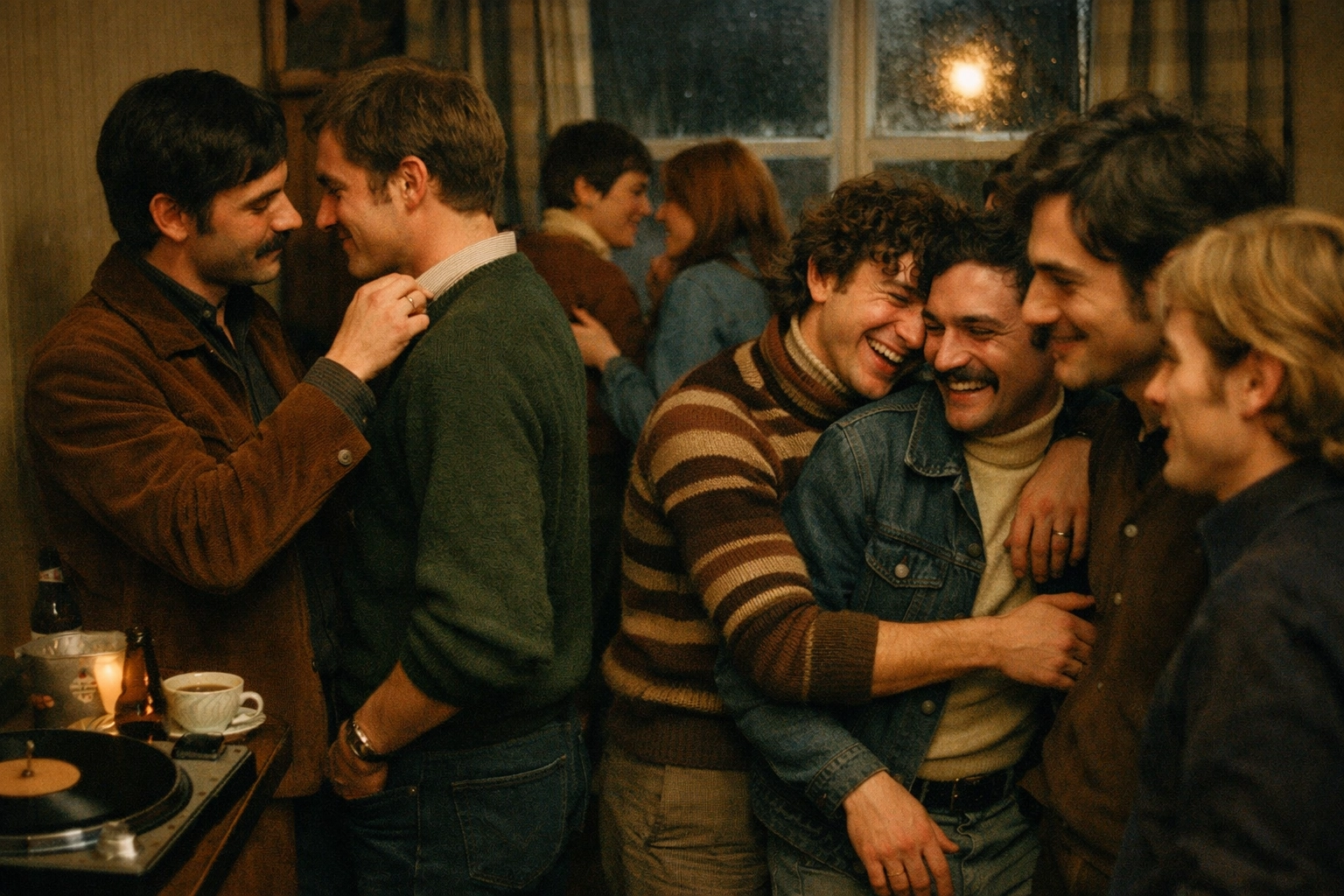
Connection points existed, but they were often risky and hidden: parks, public toilets, and private house parties that people still describe with a mix of nostalgia and disbelief, because yes, they were “fabulous,” but also because the stakes were so high. Being out wasn’t a vibe; it was a calculation.
By the mid-to-late 70s, things started shifting. Informal networks evolved into more recognisable community spaces, especially in and around bars. Venues like the Imperial Bar, the Green Room, Le Château, the Steeple Bar, and Krojaks nightclub became known names, places where you might finally see someone like you without having to pretend you were “just passing through.”
The big leap? Organising.
Cork established a branch of the Irish Gay Rights Movement (IGRM) during the decade, and Cork’s first gay centre opened at No. 4 MacCurtain Street. That address mattered. It was a physical “we exist” in a city where existing publicly could be dangerous. The centre hosted social events, weekend discos, newsletters, support services, and, crucially, help in crisis through Tel-A-Friend, a helpline and counselling service.
And for lesbians in Cork, a major early milestone arrived on 30 January 1978, when the first recorded Cork lesbian meeting took place at the MacCurtain Street Gay Centre. In a culture that often erased queer women (even inside queer spaces), that’s not a footnote, it’s a foundation.
The 1980s: Cork turns into a movement engine
If the 1970s were about finding each other, the 1980s were about getting organised, and getting loud.
In 1980, the Cork Gay Collective (CGC) formed as a more radical alternative to existing groups. That word, radical, matters here. It wasn’t just about being “included.” It was about refusing shame, demanding rights, and building community infrastructure that didn’t depend on anyone’s permission.
1981: the year Cork basically said “fine, we’ll lead then”
Cork hosted the First Irish National Gay Conference (15–17 May 1981) at Connolly Hall, drawing activists from Ireland, the UK, and the USA. This wasn’t just a nice meet-up. The conference passed 49 motions that shaped the agenda for LGBTQ+ activism across Ireland.
It also opened space for voices that got sidelined in a Dublin-centric story: lesbian activists, organisers from smaller cities and regions, and people whose priorities weren’t always reflected in “mainstream” campaigning.
Then in June 1981, Cork organised what are often cited as the first Pride events in Ireland, including leafleting campaigns and sponsored radio advertising for the Munster Gay Switchboard. One of the most striking symbols? A giant pink triangle erected on the Comeragh Mountains to represent unity and resistance in Munster. If you’re picturing this like an iconic cinematic moment: yes, that’s correct.
And while it’s easy to focus on the big public moments, Cork’s community spaces were doing the daily work too. Two significant hubs opened in the early 80s:
- The Quay Co-op, which became a crucial social and political space
- Loafers Bar, another key community venue
Within the Quay Co-op, the Women’s Place helped grow lesbian organising, including the Lesbian Discussion Group and Lesbian Line. The phrase “it takes a village” applies, except the village is queer, slightly exhausted, running on tea and stubbornness, and still shows up.
The HIV/AIDS crisis: fear, misinformation, violence, and community care anyway
The 1980s also brought the HIV/AIDS crisis, and Ireland was not magically spared the uglier parts of the era: misinformation, stigma, and outright cruelty. Stories from the time include men being beaten and even medical discrimination, such as dentists refusing treatment to LGBTQ+ patients.
Cork’s response was not to disappear. Activists helped establish Gay Health Action in 1985, producing Ireland’s first AIDS leaflet that year and launching Cairde, a befriending service. This wasn’t just public health, it was mutual aid, grief support, education, and community survival.
This part of Cork’s history matters because it shows the core truth of queer life then (and honestly, now): when institutions fail us, we build something better for each other.
The 1990s: visibility gets real (and Cork keeps setting firsts)
By the early 1990s, Cork’s LGBTQ+ organising had a stronger base, and a bigger public footprint.
In 1991, the Cork LGBT Resource Centre, The Other Place, opened and became a key hub for activism and community. That same year, Cork also hosted the first Irish Lesbian and Gay Film Festival, as part of the Cork Film Festival. If you’ve ever watched queer cinema and felt your brain go “oh, so I’m not alone,” you already understand why that’s huge.
Then in 1992, Cork organised the first Irish LGBTQ+ float in a St. Patrick’s Day Parade. This was partly in response to the banning of Irish LGBTQ+ organisations from major US parades in New York and Boston. Cork’s approach was basically: if you won’t let us in your parade, we’ll make our own visibility right here. Iconic behaviour.
The decade also saw growing visibility for bisexual and transgender communities, with dedicated groups meeting at The Other Place. That matters because “LGBTQ+” isn’t a single experience; it’s a collection of communities with different needs, different risks, and different ways of finding joy.
By the end of the 1990s, Cork’s first lesbian centre opened, initially known as Cairde Corcai, later renamed LINC. Again: infrastructure. Not just parties, not just protests, places built to last.
1993 and beyond: legal change lands… and life changes slowly
While Cork pushed culture and community forward locally, national legal shifts were also happening. In 1993, same-sex sexual activity was decriminalised in Ireland. That’s a landmark moment, but it didn’t instantly make life easy. Laws change faster than attitudes. Families still struggled, workplaces still weren’t always safe, and the closet didn’t evaporate overnight.
But decriminalisation did something essential: it confirmed that queer people were not “illegal.” It took a heavy psychological weight and cracked it, enough for more people to imagine a future in Ireland instead of somewhere else.
And Cork, already used to doing the hard work, kept going.
Cork from the 2000s to the present: from survival to culture (and still plenty of activism)
Modern Cork queer life is shaped by everything that came before it: the underground meet-ups, the first centres, the conference motions, the community care during AIDS, and the steady grind of showing up.
Today, queer life in Cork has more visibility and more options:
- more public events and community spaces
- more student organising and youth supports
- more queer arts, performance, and film culture
- more everyday “normality,” for better and worse
Because here’s the thing: “normal” can be comforting, but it can also flatten history. It’s why archives and storytelling matter.
In 2013, the Cork LGBT Archive was founded to preserve local history, an important step in making sure Cork’s impact isn’t treated like a side quest in Ireland’s LGBTQ+ story.
Why Cork’s queer history hits like a slow burn romance (and why readers love that)
If you’re here for friends to lovers mm romance stories, Cork’s real-life community arc will feel weirdly familiar (in the best way). The emotional beats line up:
- Slow burn trust: People didn’t come out in a single big speech. They tested safety in tiny moments, one conversation, one glance, one “are you…?” at a time.
- Found family: From MacCurtain Street to The Other Place, community centres acted like living rooms for people who didn’t always have one.
- High stakes, real tenderness: The AIDS crisis forced a level of care and solidarity that still echoes in how communities organise today.
- Big public gestures after private courage: A pink triangle on a mountain doesn’t happen without years of quieter bravery.
That’s why slow burn mm romance recommendations work so well when they’re rooted in community: the payoff feels earned.
If you’re looking for LGBTQ+ ebooks and MM romance books that carry that same sense of “we made a life anyway,” browse what we’re building at https://readwithpride.com, we’re all about queer stories that feel lived-in, not polished for straight approval.
A quick Cork reading moodboard: tropes that match the city’s queer timeline
Not a formal book list (we’re keeping this history-first), but if you’re building your next reading stack, these trope vibes match Cork’s energy:
- Friends to lovers (because community often starts as friendship)
- Forced proximity (hello, small scene energy: everyone knows everyone)
- Slow burn (safety and trust take time)
- Second chance romance (for the people who left and came back)
- Found family (Cork’s signature, honestly)
- Healing after trauma (AIDS-era stories and their aftermath demand care)
For more MM romance books and gay romance novels that hit these notes, keep an eye on Read with Pride at readwithpride.com.
Cork’s legacy: Ireland’s second city, first-rate impact
Cork’s LGBTQ+ history is a reminder that change doesn’t only come from capitals. It comes from people opening doors: sometimes literally: on streets like MacCurtain. It comes from newsletters, helplines, discos, meetings, and those not-so-glamorous committee arguments about what the movement should do next. It comes from building a community that can survive what the wider culture throws at it.
And it comes from telling the story after, so nobody gets to pretend it didn’t happen.
Follow Read with Pride for more queer history + reading culture:
- Home: https://readwithpride.com
- X: https://x.com/Read_With_Pride
- Instagram: https://www.instagram.com/read.withpride/
- Facebook: https://www.facebook.com/profile.php?id=61586883027069
Hashtags
#Cork #IrishQueerHistory #LGBTQIreland #QueerHistory #ReadWithPride #Readwithpride #MMRomanceBooks #GayRomanceNovels #SlowBurnMMRomance #FriendsToLoversMMRomance #LGBTQEbooks #QueerFiction #GayBooks #MMLoveStories #BestMMRomanceBooksOf2026

Leave a Reply
You must be logged in to post a comment.