

readwithpride.com
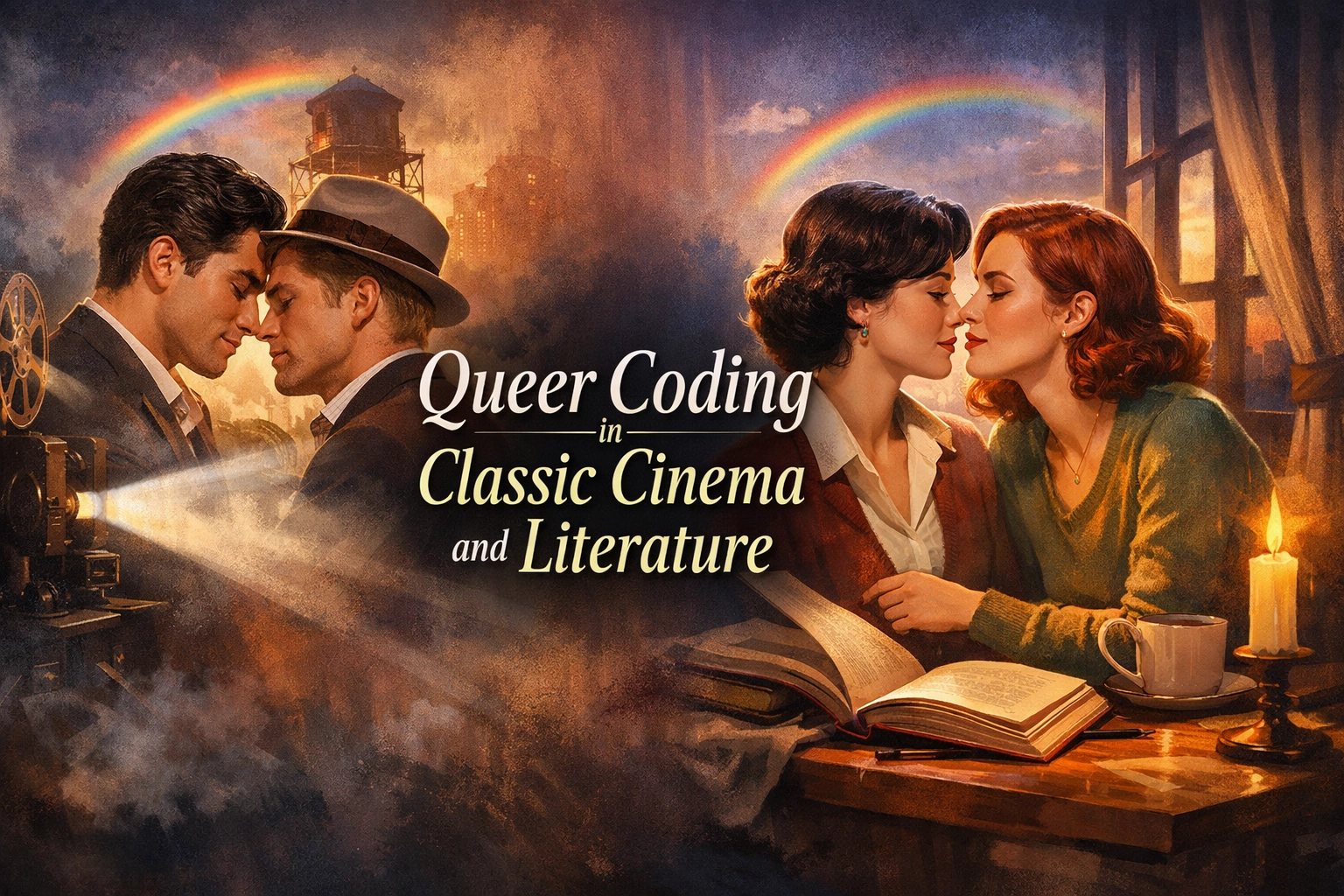
Ever watched an old black-and-white movie and thought, “Wow, those two ‘roommates’ are doing a lot more than just sharing the rent”? Or maybe you’ve read a classic novel where the description of a man’s "firm grip" and "intense gaze" lasted three pages too long to be strictly platonic. If you’ve ever felt like you were picking up on a frequency that wasn’t quite being broadcast out loud, congratulations: you’ve mastered the art of spotting queer coding.
At Read with Pride, we’re obsessed with how our community has always found ways to exist, even when the world tried to edit us out of the script. Today, we’re diving into the "secret menu" of LGBTQ+ history: queer coding in classic cinema and literature. We’ll look at why it happened, how it shaped the "gay villain" trope, and why today’s historical mm romance novels are the ultimate remedy for decades of reading between the lines.
What Exactly is Queer Coding?
Before we had the freedom to write explicit gay romance novels or see two men kiss on the silver screen without a literal riot breaking out, creators had to get crafty. Queer coding is essentially the use of subtext, mannerisms, and shorthand to signal that a character is LGBTQ+ without ever actually saying the words.
In the early to mid-20th century, if a male character was overly concerned with his wardrobe, spoke with a certain flamboyant lilt, or was "confirmed bachelor" who lived with a "dear friend," the audience knew exactly what was up. It was a way for queer creators to speak to a queer audience right under the noses of the censors. It was our own private language.
The Hays Code: Why We Had to Hide
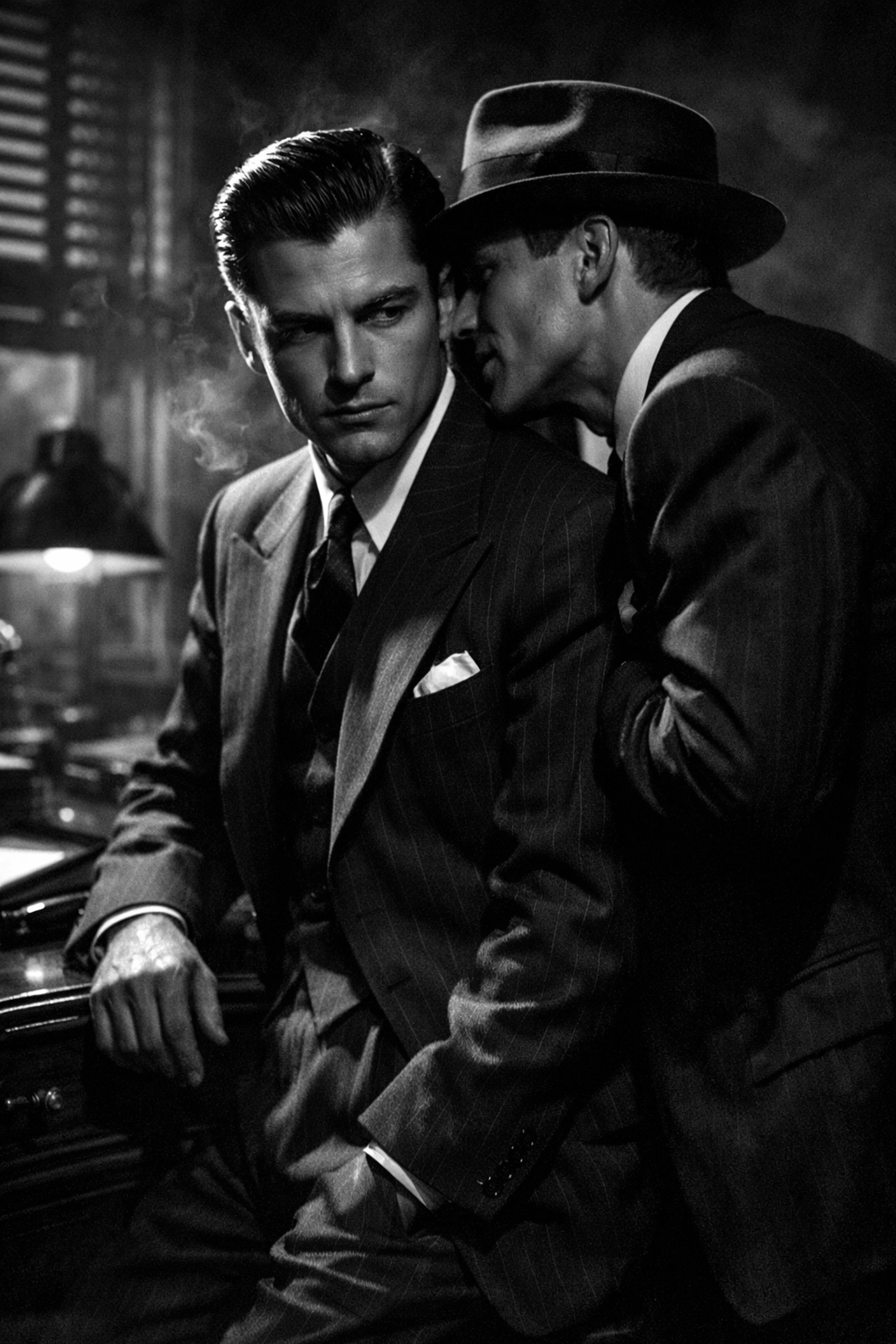
You can’t talk about queer coding in film without mentioning the Motion Picture Production Code, better known as the Hays Code. From 1934 to 1968, Hollywood lived under a strict set of moral guidelines. One of the biggest "no-nos"? Anything that suggested "sex perversion": which was the era's delightful way of saying "homosexuality."
Because the Code forbade showing queer characters in a positive or even neutral light, filmmakers had two choices:
- Make the character invisible.
- Make the character a villain.
This is where the "Queer Villain" trope was born. If a character was going to be coded as gay, the Code demanded they be punished by the end of the movie. Think of the icy, sophisticated killers in Alfred Hitchcock’s Rope (1948) or the "unnatural" daughter of Dracula in Dracula's Daughter (1936). Queerness became synonymous with danger, secrecy, and eventual tragedy.
Coding in the Classics: From Dorian Gray to Sherlock Holmes
While Hollywood was dealing with the Hays Code, literature had its own set of "decency" hurdles. However, the written word has always been a bit more slippery.
Take Oscar Wilde’s The Picture of Dorian Gray. While the 1890 version was heavily censored, the queer longing is practically vibrating off the page. When Basil Hallward talks about Dorian, it isn’t just about "artistic inspiration": it’s a full-blown obsession that any modern reader of MM romance books would recognize instantly.
Then there’s the curious case of Sherlock Holmes and Dr. Watson. While Arthur Conan Doyle might not have intended to write a gay love story, the coding of their domestic partnership: the shared rooms, the deep emotional bond, the rejection of traditional marriage: has made them icons of the queer community for over a century. We see ourselves in the gaps of the narrative.
The Disney Villain Connection
Even after the Hays Code died out in the late 60s, the "villainous coding" stuck around. If you grew up in the 90s, you probably noticed that the heroes were often generic and square-jawed, while the villains had all the personality, the best songs, and… a lot of queer coding.
Think about Ursula from The Little Mermaid (modeled after the legendary drag queen Divine), or Scar from The Lion King with his "refined" accent and disdain for the "brute force" of the other lions. For a long time, the only place kids saw queer-coded characters was in the roles of the flamboyant antagonist. It gave us a sense of style and power, sure, but it also reinforced the idea that being "different" meant being the bad guy.
Reclaiming the Narrative: The Rise of Historical MM Romance Novels
The problem with queer coding is that it’s inherently a "starvation diet." We’re picking up crumbs of representation and trying to turn them into a meal. But in 2026, we don’t have to settle for crumbs anymore.
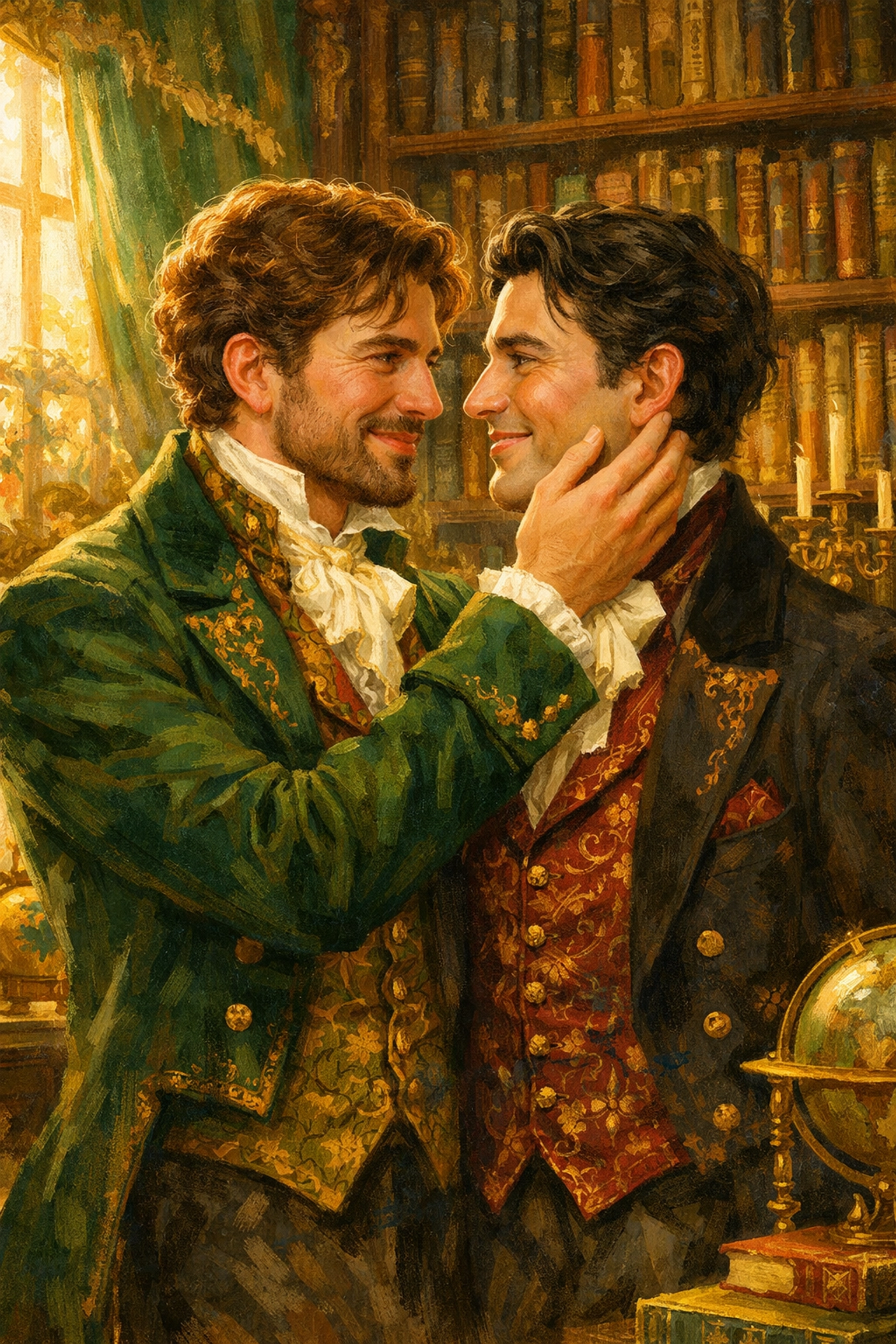
This is where historical mm romance novels come in. Authors today are looking back at those eras of silence: the Victorian parlors, the Regency ballrooms, the gritty streets of 1950s New York: and they’re filling in the blanks. They’re taking the characters who would have been coded back then and giving them the "happily ever after" they were denied by the Hays Code and old-fashioned censors.
When you pick up one of the best MM romance books set in the past, you’re witnessing a form of literary justice. We’re saying: "We were there, we were in love, and we didn't always have to die in the final act."
Why We Still Love the "Vibe"
Even though we have explicit LGBTQ+ fiction now, many of us still have a soft spot for the coded classics. There’s something romantic about the "pining from across the room" or the secret handshakes of history. It reminds us of our resilience.
At Readwithpride.com, we celebrate both the hidden history and the loud-and-proud present. Whether you’re looking for a gay thriller with a mysterious edge or a steamy MM romance that leaves nothing to the imagination, we’ve got you covered. Our mission is to make sure that no queer story stays "coded" unless it’s a choice, not a requirement.
The Future of Queer Stories in 2026
As we move further into 2026, the trend is clear: we want authenticity. We want queer fiction that reflects the full spectrum of our lives. We’re moving beyond the "Bury Your Gays" trope and into an era of gay love stories that are diverse, intersectional, and unapologetically joyful.
If you’re tired of searching for subtext and ready for some real text, check out our latest collections. From MM contemporary hits to gay fantasy romance, we are the home for readers who want to Read with Pride.
Support the Community
Ready to dive into a story where the gay characters actually get to be the heroes?
- Browse our full catalog of LGBTQ+ ebooks.
- Follow our journey on Instagram for daily book recs.
- Check out our X (Twitter) for the latest in queer publishing news.
Let’s stop reading between the lines and start reading the stories we deserve.
#QueerCoding #LGBTQHistory #MMRomanceBooks #GayRomanceNovels #ReadWithPride #HistoricalMMRomance #QueerLiterature #GayBooks2026 #Bookstagram #GayFiction
Visit readwithpride.com to discover your next favorite read.

Leave a Reply
You must be logged in to post a comment.