

readwithpride.com
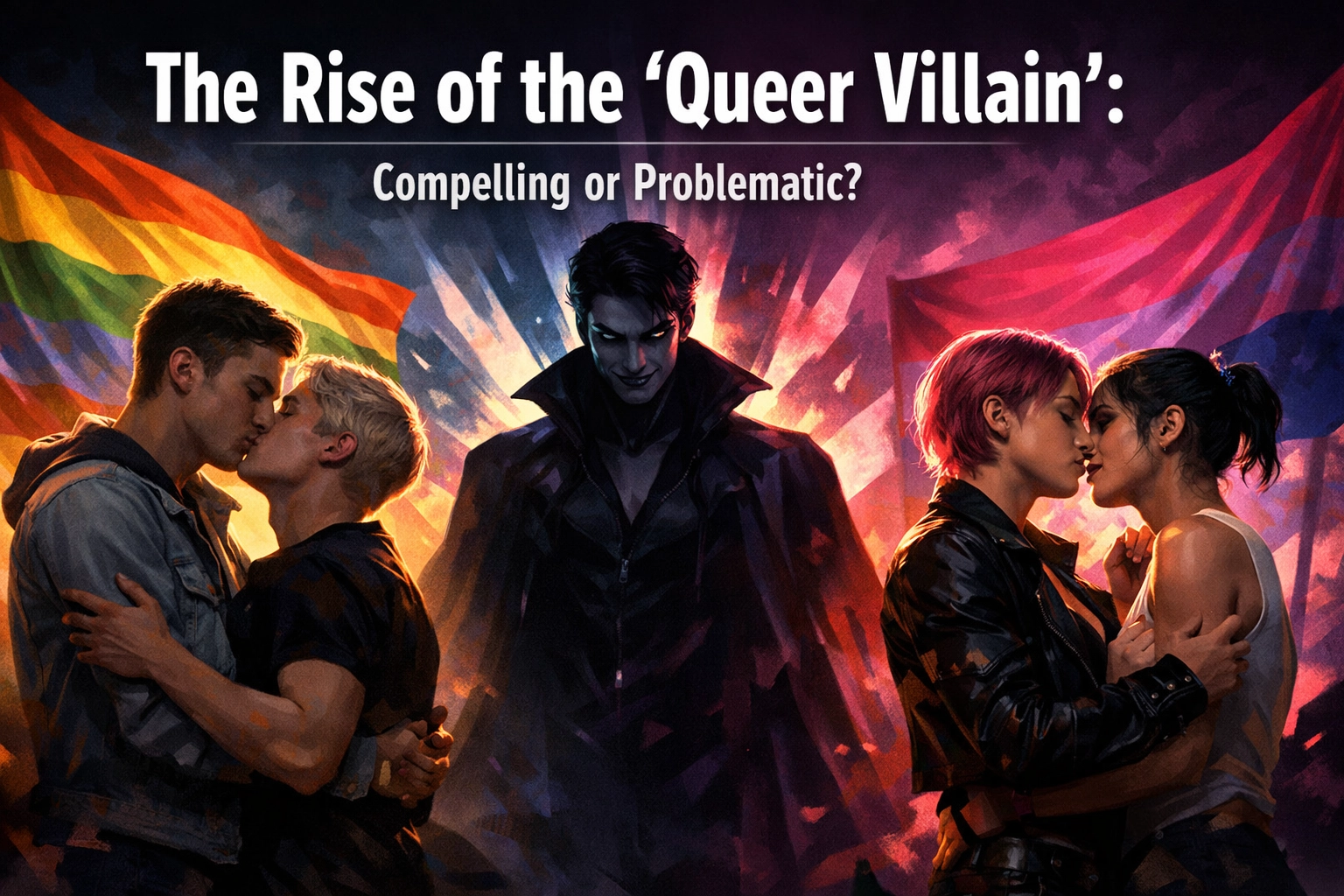
Let’s be honest for a second: who among us didn’t grow up secretly (or not-so-secretly) stanning the villain? While the square-jawed hero was busy saving the day with all the personality of a damp paper towel, the villain was over there serving looks, theatricality, and the kind of sharp-tongued wit that we usually only hear at a drag brunch. From the arched eyebrows of Disney icons to the sophisticated, opera-loving serial killers of psychological thrillers, the "Queer Villain" has been a staple of our screens and pages for decades.
But as we navigate the landscape of queer fiction and gay romance novels in 2026, we have to ask the big question: Is the queer-coded villain a delicious subversion of the norm, or is it a tired, harmful trope that needs to be tossed into the literary dustbin? At Read with Pride, we’re all about diving deep into the stories that shape us. So, grab a coffee, and let’s unpack the history, the harm, and the high-fashion drama of the queer villain.
The Hays Code: Where the Trouble Began
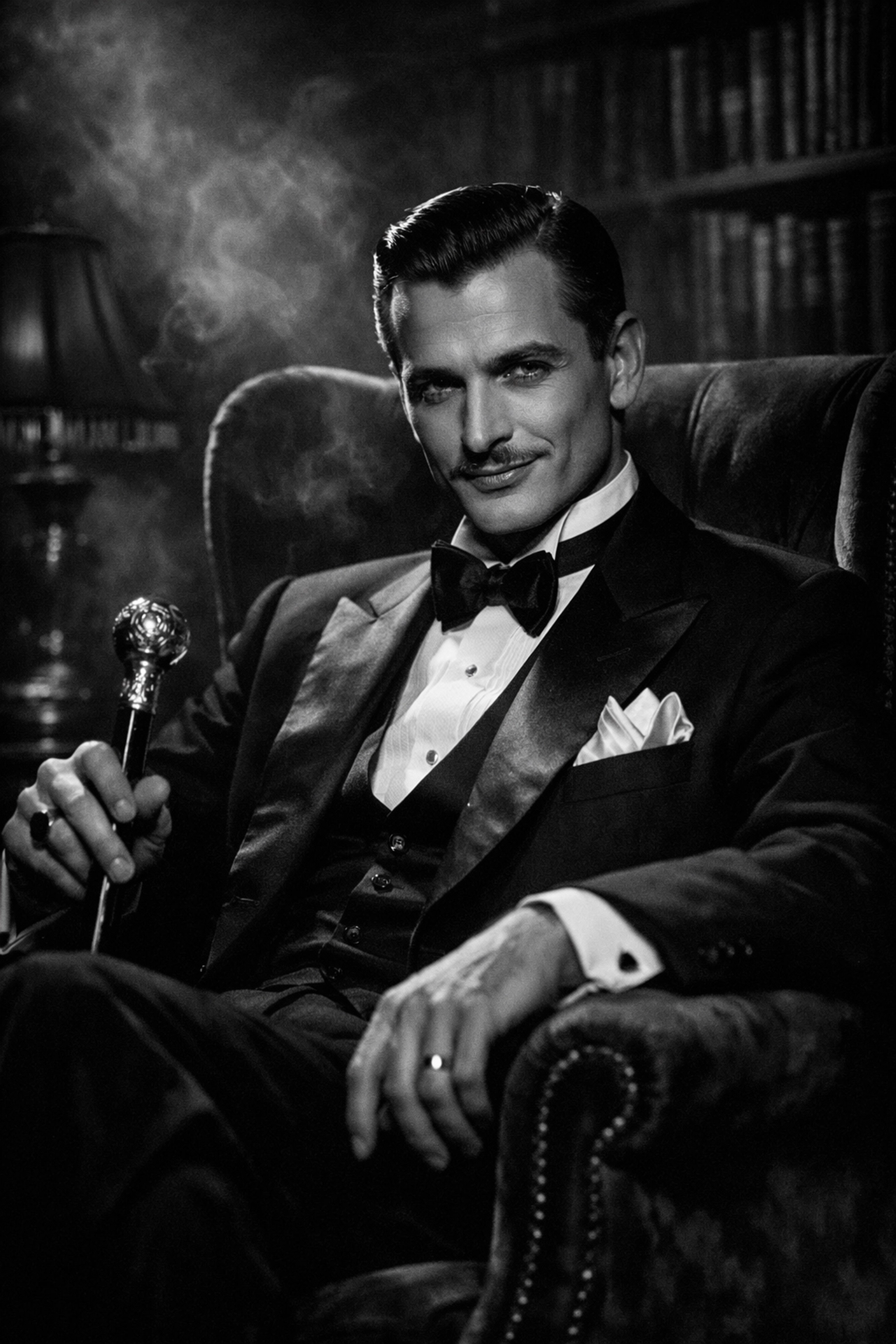
To understand why so many classic villains feel like they just stepped out of a gay bar in West Hollywood, we have to go back to the mid-20th century. Between the 1930s and the 1960s, Hollywood was governed by the Motion Picture Production Code, better known as the Hays Code. This was a set of industry moral guidelines that, among other things, strictly prohibited the "explicit" depiction of "sexual perversion", which was, of course, their charming way of saying "anything LGBTQ+."
Since writers and directors couldn't show actual gay characters, they got creative. They used "coding." If a male character was overly concerned with his appearance, spoke with a flamboyant lilt, or showed a lack of interest in the female lead, the audience knew what was up. The catch? Under the Hays Code, "immoral" behavior could never be shown as attractive or unpunished. Therefore, if a character was coded as queer, they had to be the bad guy. And they had to lose.
This gave birth to a long line of sophisticated, effeminate, and ultimately doomed antagonists. Think of the chilling Mrs. Danvers in Rebecca or the various "dandy" criminals in noir films. This wasn't just a creative choice; it was a systemic requirement that linked queerness with moral rot.
The Disney "Gaze" and the 90s Renaissance
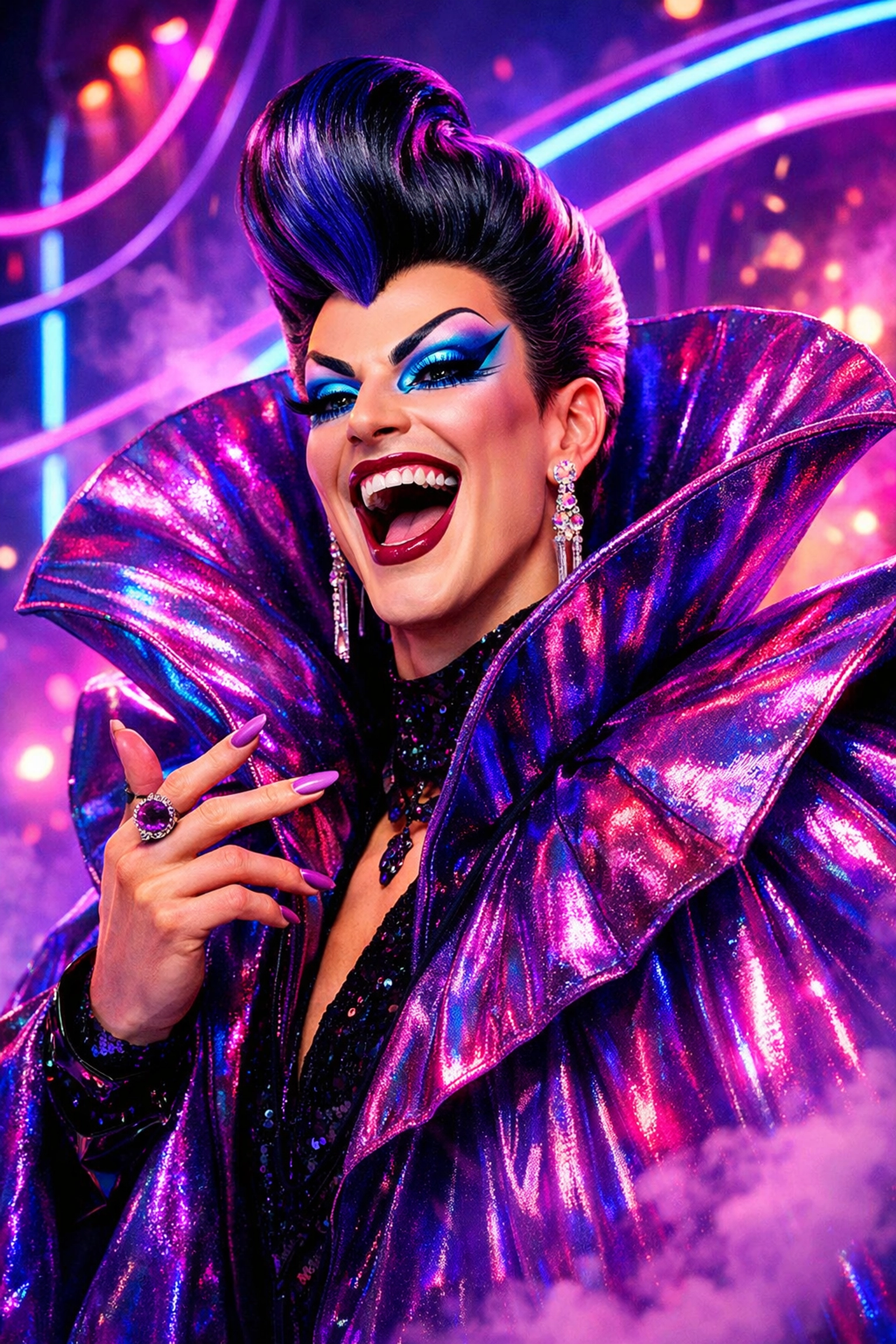
Fast forward to the 1990s, and the trope took on a new, neon-colored life in the world of animation. If you look at the Great Disney Villain Pantheon, Ursula, Jafar, Scar, Hades, the queer coding is dialed up to eleven.
Ursula was literally modeled after the legendary drag queen Divine. Scar has a certain "theatrical" flair and a disdain for the traditional family structure of the pride lands. Hades is a fast-talking, sassy deal-maker with a flame-blue pompadour. For many queer kids, these were the first characters we saw who felt different in the same way we did. They were flamboyant, they were outsiders, and they were, quite frankly, the most interesting people on screen.
However, the problem remains: when the only characters who share your mannerisms and "vibe" are the ones trying to kill the protagonist, it sends a subconscious message. It suggests that being "different" is synonymous with being "dangerous." It reinforces the idea that gender non-conformity is a red flag for villainy. In a world where we were starving for LGBTQ+ fiction with happy endings, these villains were a double-edged sword.
Compelling or Problematic? The Great Debate
So, why do we still love them? There is an undeniable power in the queer villain. For many in our community, the "villain" label was something society threw at us anyway. Reclaiming that villainy can feel like an act of defiance. Queer villains are often the most competent, intelligent, and self-assured characters in a story. They refuse to play by the rules of a society that never wanted them in the first place.
In the world of MM romance books and M/M books, we see this play out in the "Enemies to Lovers" trope. Sometimes, the "villain" isn't actually evil, they’re just misunderstood or reacting to a world that hurt them. We love a "he’s a monster to everyone but his man" dynamic.
But the "problematic" side of the coin is the Representation Gap. It’s not that we shouldn't have queer villains; it’s that for a long time, we only had queer villains. When a straight character is a villain, nobody thinks it’s because they’re straight. When a queer character is the villain, and there are no queer heroes to balance them out, their sexuality or gender identity becomes the "reason" for their evil.
2026: The New Era of Nuance
The good news? The landscape of popular gay books and queer authors in 2026 is richer than ever. We are finally moving past the binary of "Perfect Saint" vs. "Cackling Queer Villain."
Today, we get to see queer characters in every role imaginable. We have gay thriller protagonists who are gritty and flawed. We have MM fantasy worlds where the dark sorcerer and the paladin are both queer, and their morality has nothing to do with who they love. We’re seeing a rise in "Queer Joy" stories, but we’re also seeing "Queer Messiness."
Take a look at modern hits in gay contemporary romance or gay historical romance. The "villains" in these stories are often systemic, homophobia, transphobia, or the pressure to conform. When there is a human antagonist who happens to be queer, they are given depth, motivation, and a backstory that doesn't rely on stereotypes.
Why You Should Read Diversely
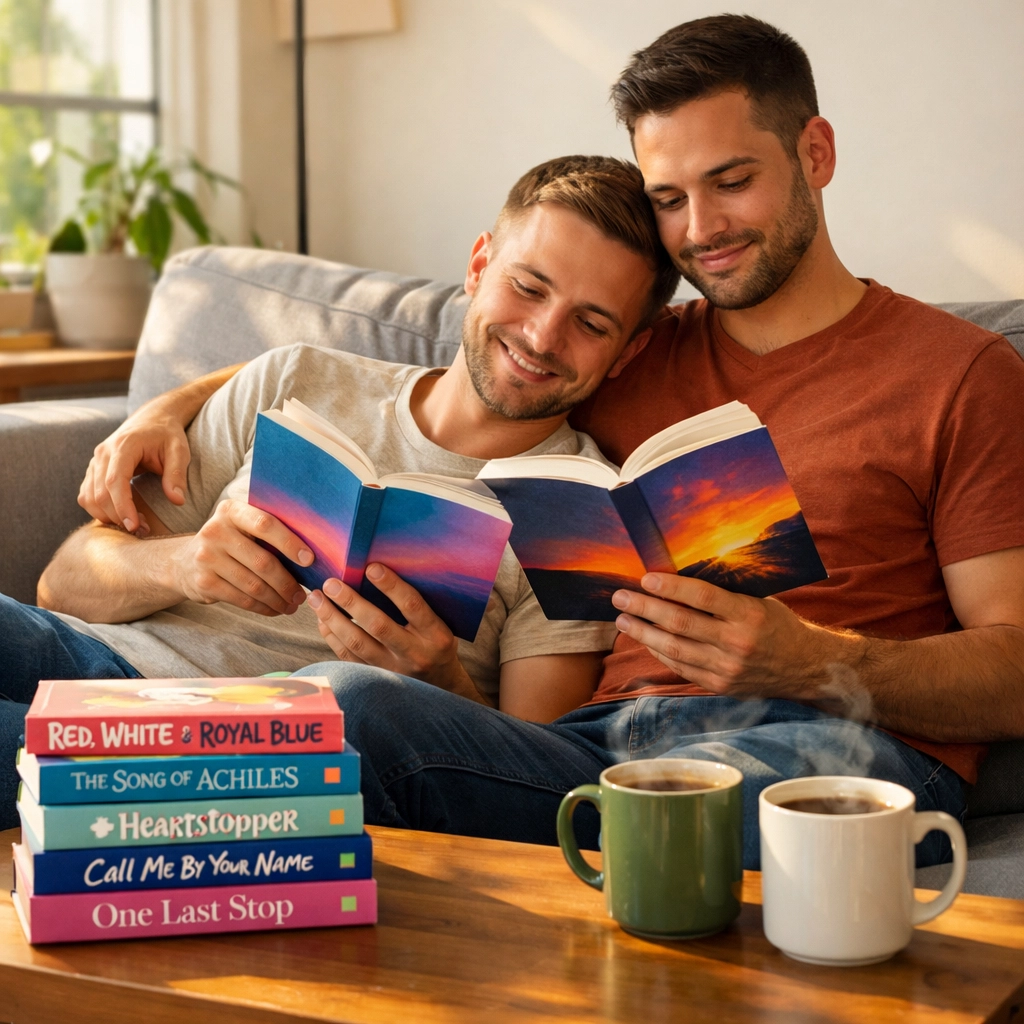
If you’re tired of the "Bury Your Gays" trope or the cackling caricature, it’s time to update your TBR list. At Readwithpride.com, we curate top LGBTQ+ books that celebrate the full spectrum of our experience. Whether you want steamy MM romance, heartfelt gay fiction, or a gay psychological thriller that keeps you up all night, we’ve got you covered.
Supporting queer authors and indie publishers is the best way to ensure that our stories continue to evolve. When we buy gay eBooks and engage with gay book clubs, we’re telling the industry that we want complex, authentic representation. We want the villains, yes: but we want the heroes, the sidekicks, the lovers, and the ordinary people, too.
Top Tropes to Explore in 2026:
- Enemies to Lovers MM Romance: The perfect way to explore a "villain" with a heart of gold.
- Forced Proximity in Gay Novels: Nothing like a snowstorm to make a hero and a "villain" realize they have more in common than they thought.
- Slow Burn Queer Fiction: For those who want the emotional payoff to be as big as the plot.
Final Thoughts: Reclaiming the Narrative
The "Queer Villain" isn't going anywhere, and honestly? We don't want them to. There’s something delicious about a character who owns their power and looks fabulous doing it. But the goal for LGBTQ+ reading in 2026 is balance. We deserve to see ourselves as the ones saving the world just as often as we see ourselves as the ones trying to take it over.
Check out our store for the latest new gay releases and 2026 gay books. From MM historical romance to gay adventure romance, the world of queer literature is expanding every day, and we are here for every single word of it.
Don't forget to follow us on our socials to stay updated on the latest gay book recommendations and community discussions!
- Facebook: Read with Pride
- Instagram: @read.withpride
- X (Twitter): @Read_With_Pride
For more info on our collections, check out our sitemaps or browse our blog categories.
#ReadWithPride #QueerFiction #MMRomance #LGBTQBooks #GayRomanceNovels #QueerVillains #BookTok #GayLiterature #2026Books #MMRomanceBooks
Are you a fan of the "Morally Grey" queer character, or do you prefer a classic hero? Let us know in the comments or over on Instagram!
Explore more LGBTQ+ Blogs and Articles
Visit Read with Pride Home

Leave a Reply
You must be logged in to post a comment.