

readwithpride.com
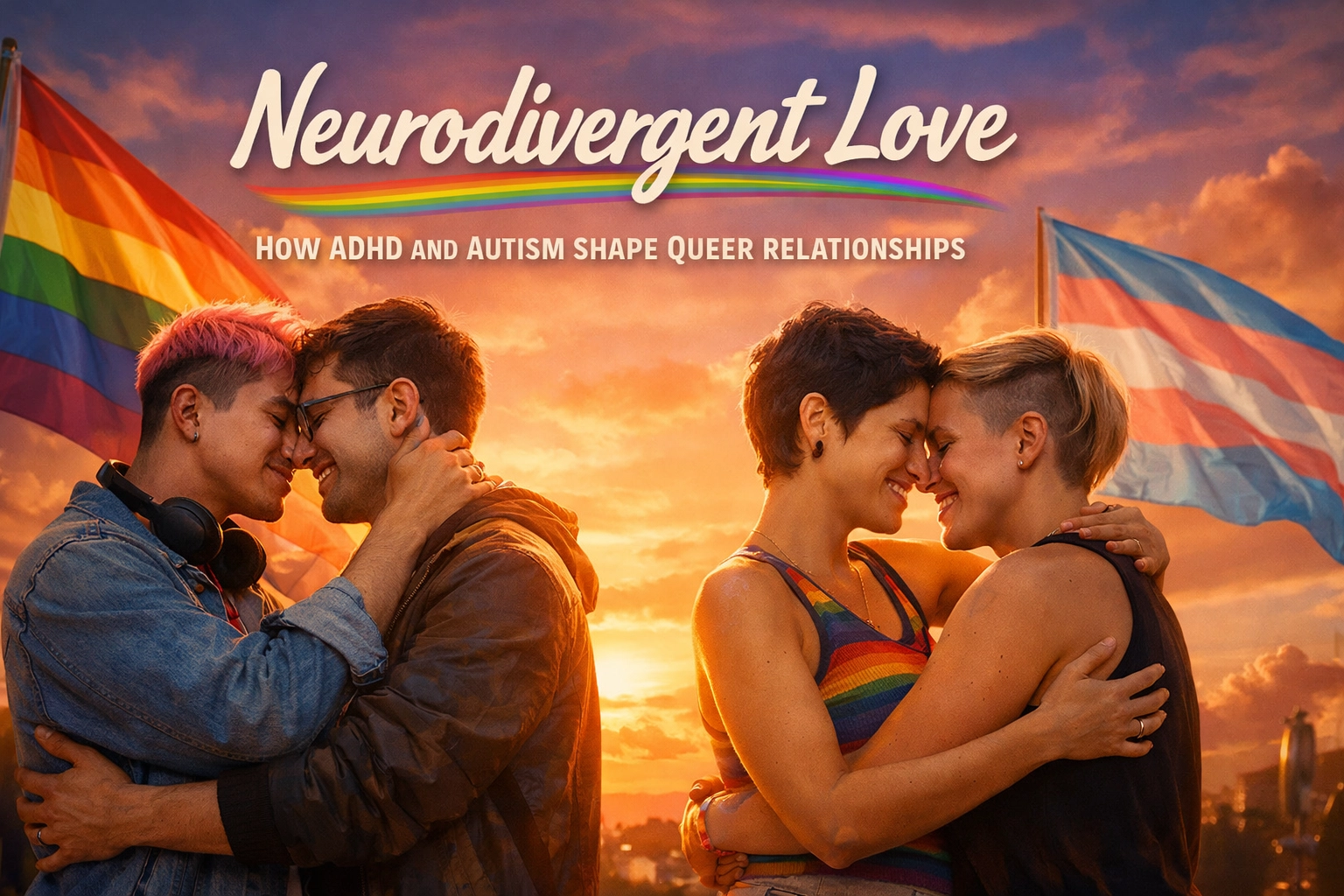
Let’s be real: the Venn diagram between the LGBTQ+ community and the neurodivergent community is basically a circle. Okay, maybe not a perfect circle, but there’s enough overlap to make a mathematician sweat. Whether you’re rocking ADHD, navigating life on the Autism spectrum, or holding a membership card for both (hello, AuDHD), being "neurospicy" adds a vibrant, chaotic, and deeply beautiful layer to queer relationships.
In the world of queer fiction and gay novels, we’re seeing more and more characters who don't just "act a bit quirky" but are explicitly written with neurodivergent brains. It’s a breath of fresh air for those of us who have spent years wondering why "traditional" dating advice feels like a manual written in a language we don't speak.
At Readwithpride.com, we believe in stories that reflect the messy, glorious reality of our lives. So, let’s dive into how ADHD and Autism shape our love lives, our communication, and the way we find "The One" (or "The Three," we don't judge).
The "Double Rainbow" Effect: Why We Find Each Other
There’s a reason why so many of us in the queer community identify as neurodivergent. Some call it "neuro-queering." When you’ve already spent a significant portion of your life questioning the "default" settings of gender and sexuality, questioning the "default" settings of how a brain should work feels like the natural next step.
In MM romance books, we often see the "Grumpy/Sunshine" trope. But if you look closer, that "grumpy" character is often just an autistic man who is overstimulated, and the "sunshine" character is an ADHDer who hasn’t stopped talking for three hours. It’s a match made in heaven, or at least a match made in a very loud, very colorful living room.
Communication: Beyond the "Hinting" Game
One of the biggest hurdles in neurotypical dating is the "Hinting Game." You know the one, where you’re supposed to guess that your partner is mad because they sighed in a specific key. For many neurodivergent queer folks, this is a nightmare.
The ND Superpower: Radical Honesty.
Many autistic and ADHD folks prefer direct communication. In a queer relationship, this can actually be a massive advantage. We’re already used to having "The Talk" about identity, so why not have "The Talk" about sensory needs?
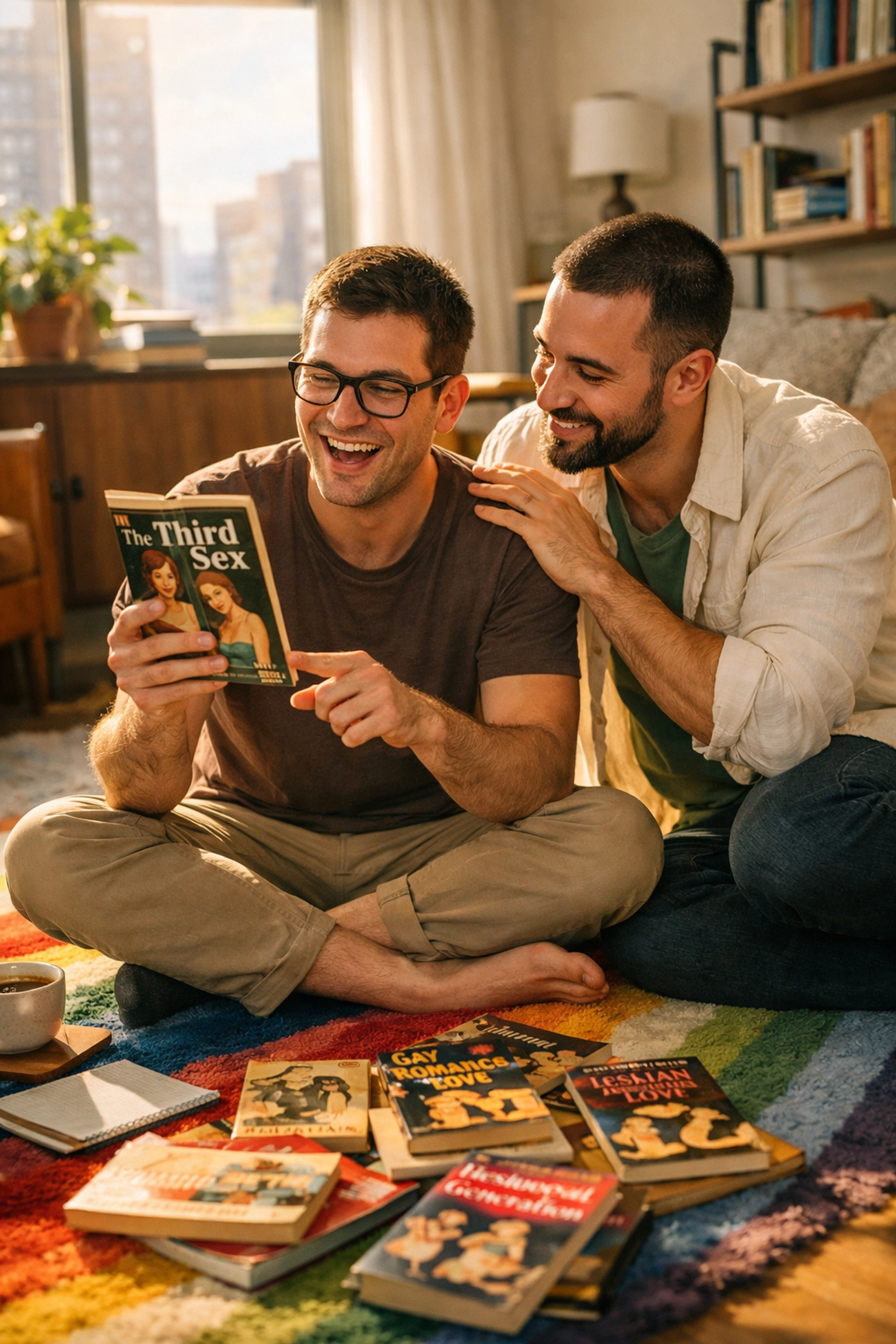
- Info-Dumping as a Love Language: In a gay romance, nothing says "I love you" quite like a thirty-minute lecture on the history of 19th-century bookbinding or the mechanics of a specific video game. When your partner listens with genuine interest, that’s intimacy.
- Penguin Pebbling: This is the neurodivergent version of gift-giving. It’s sending your partner a meme, a weird rock you found, or a link to a gay thriller you think they’d like. It’s a small "I thought of you" that doesn't require a high-energy social exchange.
Sensory Needs and the Bedroom
Intimacy in MM romance books is often portrayed as effortless and perfectly choreographed. In reality, for neurodivergent folks, it can be a sensory minefield.
ADHD can lead to "distracted intimacy" (yes, wondering if you turned the oven off in the middle of a kiss is a mood), while Autism might involve specific touch preferences or a need for predictable routines.
Creating a Safe Space
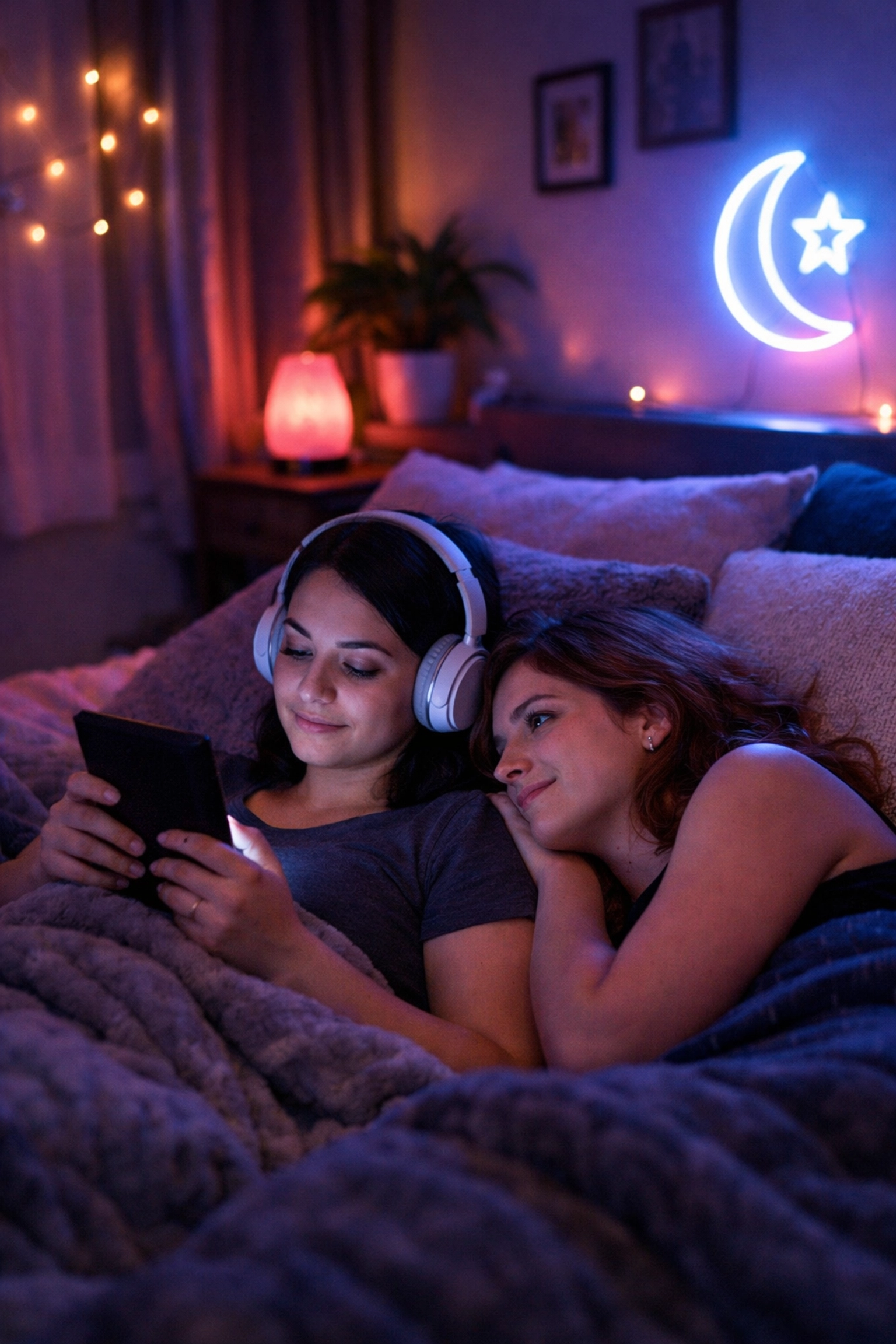
- Lights and Sounds: Sometimes the "mood lighting" is actually just "too bright." Many queer couples find that using dimmers or specific colored lamps (shoutout to the bi-lighting) makes a huge difference.
- The "No-Touch" Zone: It’s okay to have days where you’re touched out. In a healthy, affirming relationship, saying "I love you, but please don't touch me right now" isn't a rejection; it's a boundary.
- Predictability: While gay adventure romance thrives on the unknown, your bedroom doesn't have to. Discussing what’s going to happen beforehand can reduce anxiety and increase pleasure.
Executive Dysfunction: The Third Wheel in Your Relationship
If you’ve ever sat on the floor for four hours because you couldn't decide what to eat for dinner, you’ve met the third wheel in many ND queer relationships: Executive Dysfunction.
In gay contemporary romance, we rarely see the protagonists arguing over who was supposed to fill out the insurance forms or why there are five half-finished craft projects on the dining table. But in real life, "time blindness" and task paralysis are real.
How to Cope:
- Body Doubling: Doing chores together. One person washes dishes while the other reads a gay fiction novel aloud.
- The "No-Shame" Zone: Accept that your house might not look like a Pinterest board. If the laundry stays in the dryer for three days, but you spent those three days supporting each other’s mental health, you’re winning.
- Digital Helpers: Use shared calendars and apps. It’s 2026: let the robots remember the anniversaries so you don't have to.
Dating in 2026: Authenticity over Masking
The "mask" is the version of ourselves we present to the world to fit in. For many of us, coming out as queer was the first time we dropped a mask. Coming out as neurodivergent is the second.
Dating as a neurodivergent person in 2026 is about finding someone who loves the unmasked you. Whether you’re meeting through gay book clubs or apps, being upfront about your "brain wiring" can save a lot of heartache.
- Long-tail tip: Look for "neurodivergent-friendly" tags in dating bios.
- First Date Advice: Skip the loud, crowded bar. Suggest a quiet bookstore or a walk in a park. It lowers the sensory "noise" so you can actually hear what the other person is saying.

Why Neurodivergent Representation in Literature Matters
We see ourselves in the pages of popular gay books. When an author describes the specific hum of a fluorescent light that’s driving a character mad, or the intense "hyperfocus" a character feels when they fall in love, it validates our experience.
Books like those found on Readwithpride.com are moving away from the "cure" narrative and toward the "accommodation and celebration" narrative. We don't need to be fixed; we need to be understood.
If you’re looking for your next read, check out some of the top LGBTQ+ books of 2026. You might just find a character who struggles with the same things you do: and finds a love that fits their brain perfectly.
Final Thoughts: Embrace the Chaos
Neurodivergent love isn't always easy, but it is incredibly deep. It’s built on a foundation of understanding that "normal" is just a setting on a washing machine. When two queer, neurospicy people come together, they create a world with its own rules, its own language, and its own beautiful rhythm.
So, whether you’re hyper-focusing on a new MM romance series or trying to navigate a "parallel play" date night, remember that your brain is a gift, and your love is valid.
Looking for more stories that celebrate every kind of queer love?
Explore our collection of LGBTQ+ ebooks and find your next favorite gay love story.
Stay proud, stay spicy.
Connect with the Community:
- Website: readwithpride.com
- Facebook: Read With Pride
- Instagram: @read.withpride
- Twitter/X: @Read_With_Pride
#LGBTQBooks #NeurodivergentLove #MMRomance #QueerFiction #ADHD #AutisticJoy #ReadWithPride #2026GayBooks #GayRomanceNovels #AuDHD #GayBookClub

Leave a Reply
You must be logged in to post a comment.