readwithpride.com
Let’s be real: for a long time, walking into a tattoo shop felt a bit like walking into a hyper-masculine fortress. You know the vibe: heavy metal blaring, walls covered in flash art that mostly featured pin-up girls or aggressive skulls, and a general atmosphere that screamed "gatekeeping." For the LGBTQ+ community, getting inked often meant bracing yourself for potential judgment or, at the very least, a total lack of understanding regarding our bodies and our stories.
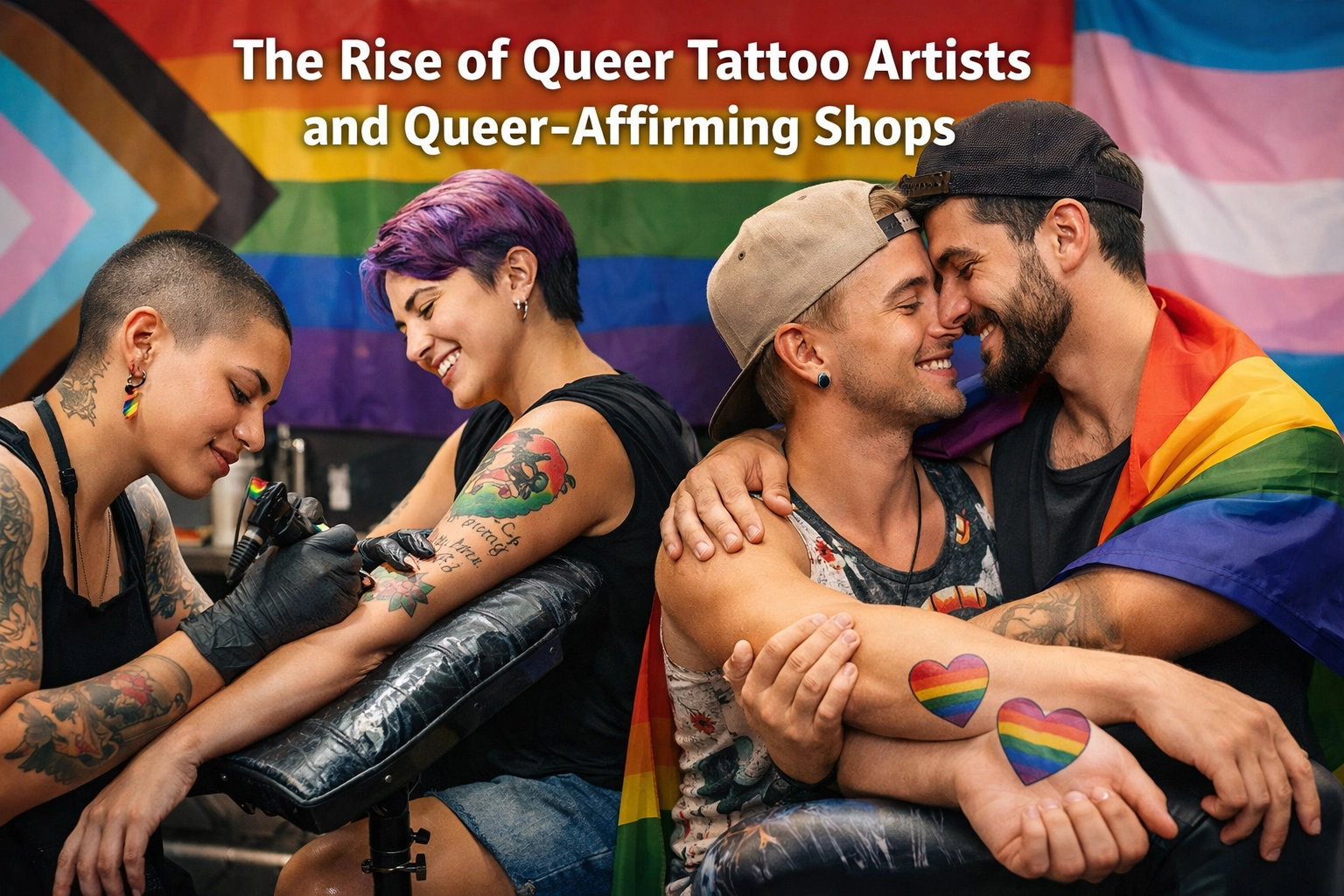
But things are changing. Fast. In 2026, the tattoo industry is undergoing a beautiful, ink-stained revolution. We are seeing a massive surge in queer-owned tattoo shops and artists who prioritize safety, consent, and authentic queer expression. Just like how we look for the best MM romance books to see ourselves reflected in literature, we are now seeking out queer-affirming artists to help us tell our stories on our skin.
At Read with Pride, we’re all about storytelling: whether it’s in the pages of gay romance novels or the permanent art we choose to wear. Let’s dive into why the rise of queer tattoo culture is one of the most exciting shifts in the creative world today.
A History Written in Coded Symbols
Queer tattooing isn't a new trend; it’s a reclamation. Long before Pride parades and mainstream LGBTQ+ fiction, our community used tattoos as a secret language. If you’ve ever read a gay historical romance, you know that "coding" was a survival mechanism.
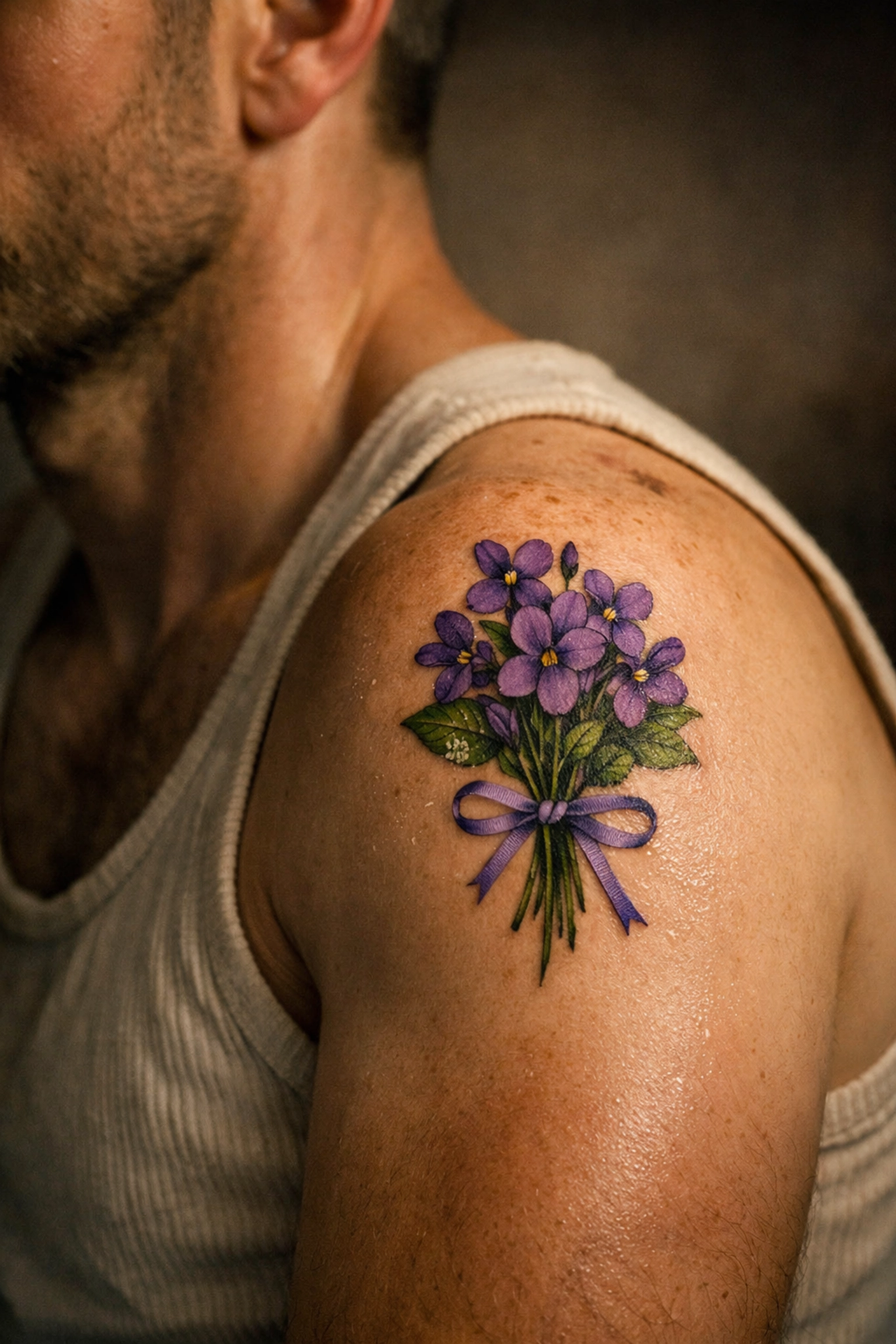
In the early 20th century, certain symbols acted as a silent "hello" to those in the know. Anchor tattoos weren't just for sailors; they symbolized solidarity within hidden queer networks. Violets and lavender: symbols we still see in modern queer fiction: were used by queer women to signal their identity. Even the pink triangle, a symbol of unimaginable trauma from the Holocaust, was reclaimed by activists as a mark of resistance and "Never Again."
One of the most legendary figures in this history is Sam Steward, also known by his professional name, Phil Sparrow. A former professor and associate of Alfred Kinsey, Steward left academia to become a tattoo artist in Chicago and later Oakland. He was the official tattooist for the Hells Angels and mentored industry titans like Ed Hardy. Steward lived a fascinating, unapologetically queer life, proving that we’ve always been at the heart of the tattoo world, even when we had to keep our voices low.
Breaking the "Good Ol' Boy" System
For decades, the tattoo industry was dominated by a "good ol' boy" system: a culture often rooted in biker clubs and a very specific brand of rugged masculinity. This environment was frequently unwelcoming to women, trans folks, and anyone who didn't fit the heteronormative mold. Apprenticeships were often notorious for bullying and unpaid labor, making it nearly impossible for marginalized creators to break through.
The rise of queer-affirming shops is dismantling this. These spaces aren't just about the art; they’re about the environment. Shops like Sacred Art Tattoos in London or various collectives across the US and Europe are creating "safe-haven" studios. In these spaces, the "vibe check" is just as important as the portfolio.
What does a queer-affirming shop look like?
- Gender-neutral pricing: Charging by the hour or the piece, rather than by gendered expectations.
- Trauma-informed practice: Artists who understand that for many queer and trans people, having someone touch their body can be a vulnerable experience.
- Inclusive language: From the intake forms to the consultation, your pronouns and identity are respected.
- Diverse aesthetics: Moving away from traditional "American Traditional" gatekeeping to embrace "ignorant style," fine-line, and abstract art that reflects a queer voice.
Skin as a Canvas for Queer Joy
In the world of MM romance books and gay love stories, we often talk about the importance of "found family." This trope is alive and well in the queer tattoo community. For many of us, getting a tattoo from a queer artist is a ritual of self-determination. It’s about taking agency over a body that society might have spent years trying to police.
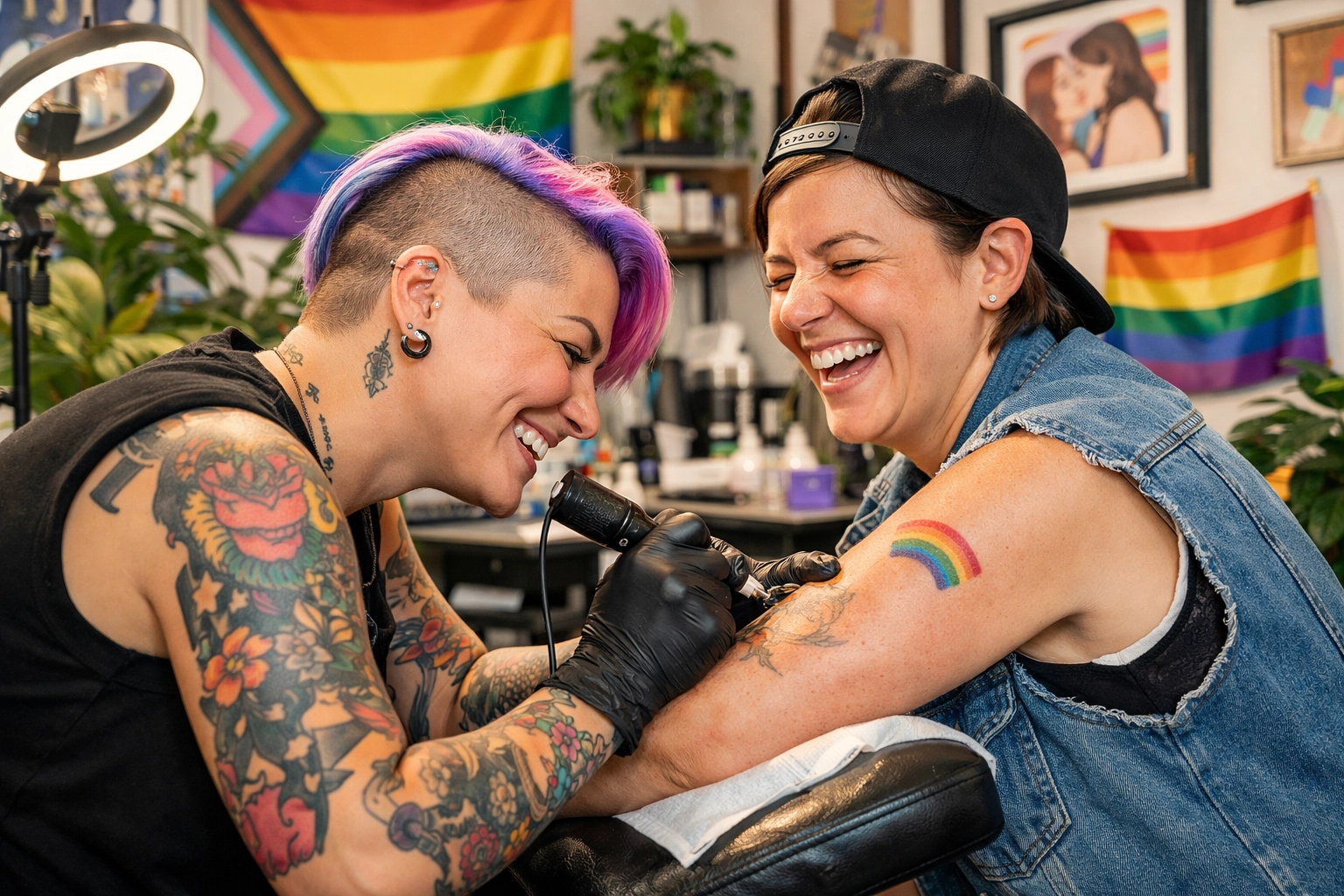
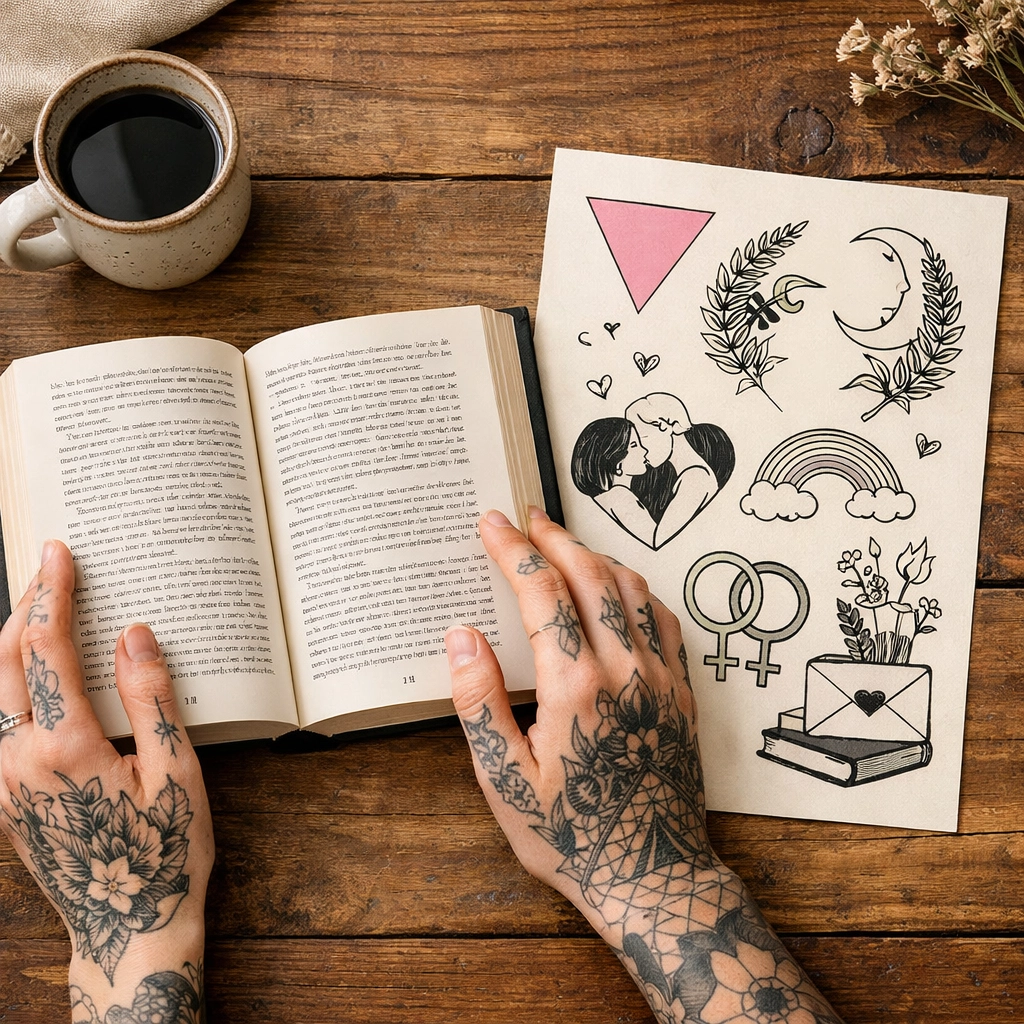
We are seeing a move away from standardized imagery: no more koi fish just because they're on the wall. Instead, artists are drawing from queer iconography like St. Sebastian (a long-time queer icon), the works of Claude Cahun, or even specific references to their favorite M/M books.
Whether it's a "forced proximity" trope translated into a beautiful botanical piece or a "slow burn" romance represented by a delicate fine-line script, our tattoos are becoming as nuanced as our libraries. When you browse for 2026 gay books, you’re looking for authenticity; the same applies to the ink we choose. We want art that says something about who we are, who we love, and how we’ve survived.
The Connection Between Ink and Indie Publishing
You might wonder why a publisher of LGBTQ+ ebooks is so obsessed with tattoos. The answer is simple: it's all about the indie spirit. The queer tattoo movement, much like the rise of queer authors and independent presses, is about bypassing traditional gatekeepers.
Before the internet, finding a queer-friendly tattoo artist was as hard as finding a good gay thriller in a mainstream bookstore. Today, platforms like Instagram and TikTok (shoutout to #QueerTattooArtists) have done for tattooists what BookTok has done for MM romance. It has connected the creator directly with the community.
We see artists today who are essentially "authoring" their own styles, creating limited-run flash sets that sell out in minutes: much like a highly anticipated new gay release. The passion is the same. The community is the same.
Finding Your Queer-Affirming Artist in 2026
If you’re looking to add to your collection this year, how do you find the right fit?
- Check the "About" Section: Most affirming shops will explicitly state their values on their website or social media.
- Look for Portfolio Diversity: Does the artist show work on different skin tones and body types?
- The Consultation: Don't be afraid to ask about their process. A good queer-affirming artist will be happy to discuss boundaries and consent.
- Community Recommendations: Ask your gay book club or local LGBTQ+ center. Word of mouth is still the most powerful tool we have.
Conclusion: Writing Our Own Endings
The rise of queer tattoo artists is a testament to our community’s resilience. We are no longer satisfied with being the "side character" in someone else’s shop. We are building our own studios, setting our own standards of care, and creating art that celebrates our lives in all their messy, beautiful glory.
Just as Readwithpride.com provides a home for the best MM romance and top LGBTQ+ books, these shops provide a home for our physical self-expression. So, whether you're planning your first tattoo or your fiftieth, remember that your body is a story worth telling: and you deserve an artist who knows how to read it with pride.
Stay tuned for more culture deep-dives, and in the meantime, why not check out some of our latest MM romance books to find inspiration for your next piece of ink? From gay historical romance to steamy MM romance, we’ve got the stories that move you.
Follow us for more queer culture and bookish updates:
- Facebook: Read with Pride on Facebook
- X (Twitter): @Read_With_Pride
- Instagram: @read.withpride
#QueerTattoo #LGBTQBooks #ReadWithPride #MMRomance #GayRomance #QueerCulture #InkAndIdentity #2026GayBooks #TransJoy #GayLoveStories

Leave a Reply
You must be logged in to post a comment.