

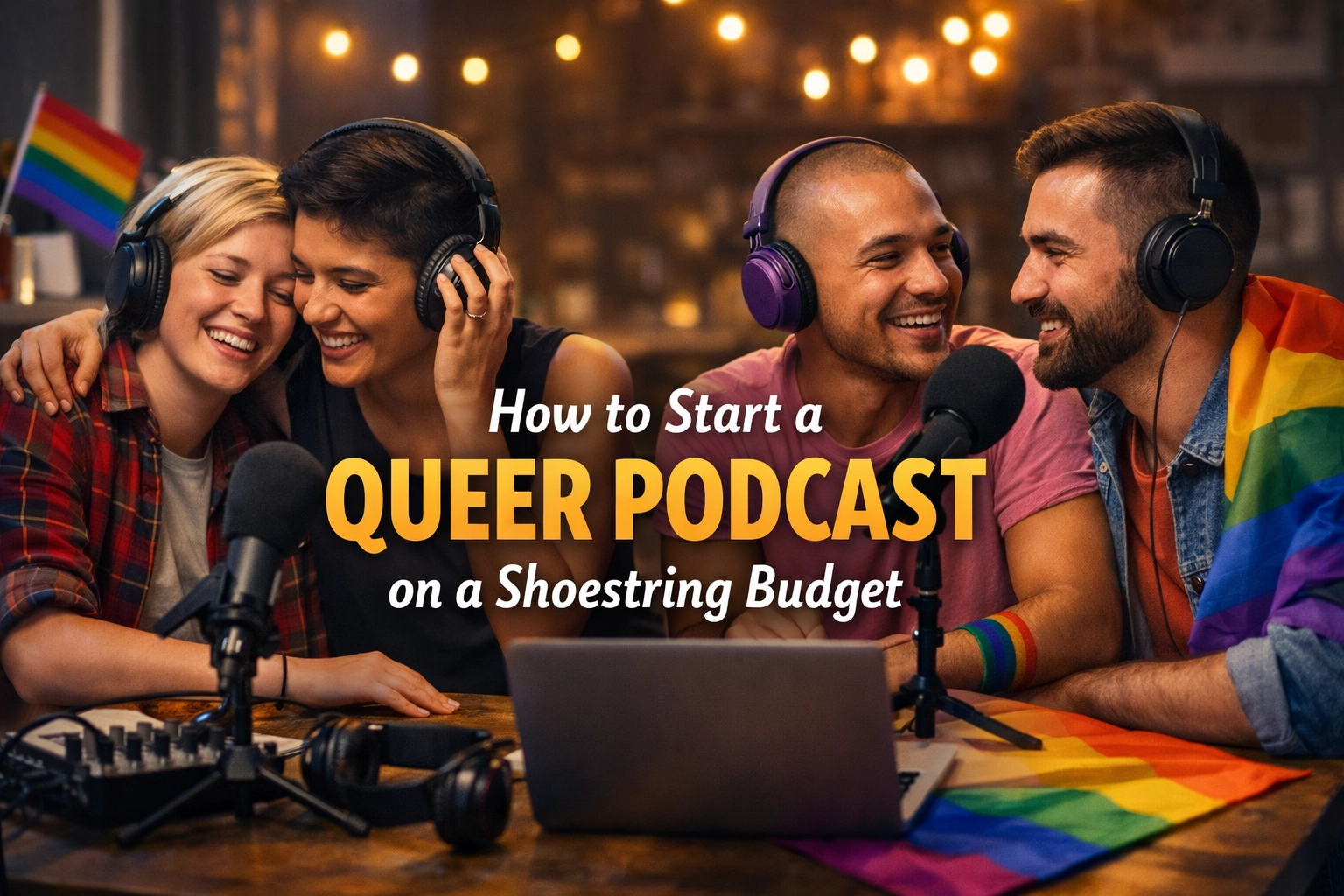
readwithpride.com
Listen, we’ve all been there. You’re lying in bed, finishing the latest spicy MM romance books from the 2026 new releases, and you think, "I have so many thoughts about this enemies-to-lovers arc that I might actually explode if I don’t tell someone."
In 2026, the queer community isn't just consuming content; we’re creating it. Whether you want to deep-dive into gay historical romance, interview your favorite queer authors, or just rant about why the "slow burn" in that one M/M book was too slow, starting a podcast is the ultimate way to build your tribe.
But here’s the tea: you don’t need a fancy studio in Soho or a $1,000 microphone to make it happen. You can launch a high-quality, authentic show on a shoestring budget. At Read with Pride, we’re all about amplifying voices without breaking the bank. Here is your no-nonsense, budget-friendly guide to launching your very own queer podcast.
1. Find Your Niche (and Your "Why")
Before you spend a single penny, you need a plan. The podcasting world is crowded, so "general queer stuff" might not cut it. You want to be specific. Are you the go-to expert on gay fantasy romance? Do you want to host a gay book club where you dissect the internal monologues of grumpy-sunshine characters?
Maybe your niche is:
- The Trope Talk: Analyzing popular MM romance tropes like "forced proximity" or "only one bed."
- Queer History: Reviewing gay historical romance and comparing it to real-life LGBTQ+ history.
- Indie Spotlight: Focusing on LGBTQ+ fiction from small presses and indie authors.
When you narrow your focus, you build "Topical Authority." Search engines (and listeners) love experts. If you're constantly talking about the best MM romance books of 2026, you'll quickly become the person people turn to for recommendations.

2. The "Hardware" – Use What You Have
The biggest myth in podcasting is that you need a Shure SM7B (that big, expensive mic you see every YouTuber using). You don't.
The Smartphone Method:
If you have a smartphone made in the last three years, you have a professional-grade recording device in your pocket. Modern phone mics are surprisingly good if you use them correctly.
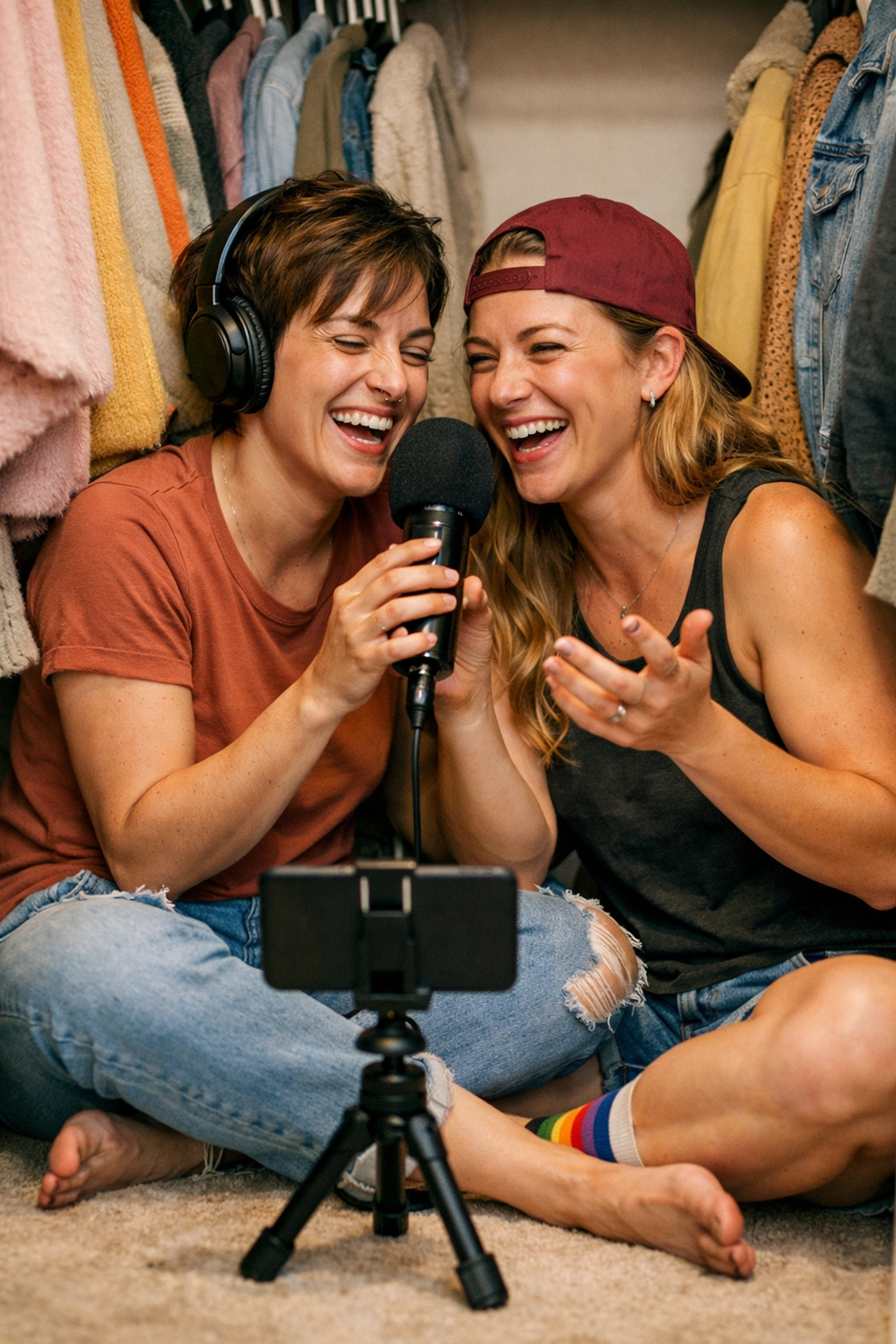
- Pro Tip: Don't record in a big, empty kitchen. Record in your closet. Your clothes act as natural soundproofing, absorbing echoes and making your voice sound rich and professional.
The Budget Upgrade:
If you absolutely must buy a mic, look for a USB condenser mic like the Blue Snowball or a Fifine. You can usually find these for under $50. They plug directly into your laptop, no expensive "audio interface" required.
3. Recording and Editing for Free
Once you have your voice, you need a place to capture it. You don't need a subscription to expensive software.
- Audacity (Windows/Mac): It’s free, open-source, and has been the gold standard for budget creators for decades. It’s perfect for editing out those "umms," "ahhs," and the sound of your cat knocking over a lamp.
- GarageBand (Mac/iOS): If you’re an Apple user, this is already on your device. It has great templates for "Voice" that make you sound like a radio DJ instantly.
- Riverside.fm (Free Tier): If you’re interviewing MM authors remotely, use Riverside. It records each person locally so the audio doesn't sound like a crunchy Zoom call.
4. Hosting and Distribution: Getting Your Voice Out There
You’ve recorded your first episode: now what? You need a "host." A podcast host is where your audio files live, and they send your show out to Spotify, Apple Podcasts, and Amazon Music.
- Spotify for Podcasters (formerly Anchor): This is the ultimate shoestring tool. It is 100% free. They don’t charge for hosting, they give you basic analytics, and they even have built-in tools to help you monetize through listener contributions.
- RSS.com: They often have very low-cost tiers for students or hobbyists if you want a bit more control over your feed.
5. Visuals and Branding
We’re a visual community. Your podcast cover art is your first impression. If it looks like a 2005 MS Paint project, people won't click: even if your takes on gay novels are fire.
- Canva: Use the free version of Canva to design your podcast cover. Search for "Podcast Cover" templates and customize them with your own colors. Use high-contrast fonts so the title is readable even on a tiny phone screen.
- Identity: Make sure your branding feels authentic to the LGBTQ+ experience. Use colors that represent your specific slice of the community, whether that’s the sunset lesbian flag or the bold trans blue and pink.
6. Content Strategy: What to Talk About?
To keep people coming back, you need a hook. Since we’re all about Read with Pride, a great way to start is by reviewing LGBTQ+ ebooks and trending gay fiction.
Episode Idea 1: The "Best Of" List
Record an episode titled "Top 10 Forced Proximity MM Romances of 2026." Listeners love lists because they’re easy to consume and give them a "To-Read" list. Check out the latest gay romance series for inspiration.
Episode Idea 2: Author Interviews
Reach out to queer authors on Instagram or X. Many indie authors are thrilled to come on a podcast to talk about their new gay releases. It's a win-win: they get promotion, and you get high-quality content.
Episode Idea 3: Trope Deep-Dives
Why are we so obsessed with "only one bed"? Spend 20 minutes talking about the psychology of your favorite gay love stories. This is where you can be witty, personal, and totally yourself.
7. Promotion (The Free Kind)
You don't need a marketing budget. You need a social media strategy.
- TikTok & Reels: Take a 30-second "hot take" from your episode and post it with a captions overlay. Talk about a scandalous moment in a steamy MM romance: the algorithm loves a bit of drama.
- Instagram: Share behind-the-scenes shots of your "closet studio." People love the authenticity of a DIY setup.
- Community Engagement: Join gay book clubs on Facebook or Discord. Don't just spam your link: actually talk to people. If someone asks for a recommendation for a gay psychological thriller, suggest a book and then mention, "I actually just did a whole episode on why this book’s twist destroyed me!"
8. Making It "Read with Pride" Quality
At Readwithpride.com, we believe that every queer story deserves to be heard. Whether you’re writing gay romantic fiction or talking about it on a podcast, the goal is the same: visibility and joy.
As you grow, you might want to learn more about the technical side of storytelling. Check out our guide on 7 mistakes you’re making with LGBTQ+ character development to help you analyze stories like a pro on your show.
Checklist for Your First Episode:
- Script it out: You don't need a full script, but have 3-5 bullet points so you don't ramble.
- Test the audio: Record 30 seconds, listen back. Is there a weird buzzing? Is your fan too loud?
- Be Kind to Yourself: Your first episode will probably be a little awkward. That’s okay! Every major podcaster started exactly where you are.
- Tag us: When you launch, tag us on Instagram or X. We love seeing new queer creators take up space.
Launching a podcast on a shoestring budget isn't just about saving money: it's about proving that you don't need permission from a big media company to share your truth. So grab your phone, get in your closet, and start talking about those MM romance books. We can't wait to listen.
#LGBTQBooks #QueerPodcast #ReadWithPride #MMRomance #GayFiction #PodcastTips #2026GayBooks #QueerCreators #BookTok #GayRomanceNovels
Stay connected with the community:
- Website: readwithpride.com
- Facebook: Read with Pride
- Instagram: @read.withpride
- X: @Read_With_Pride

Leave a Reply
You must be logged in to post a comment.