

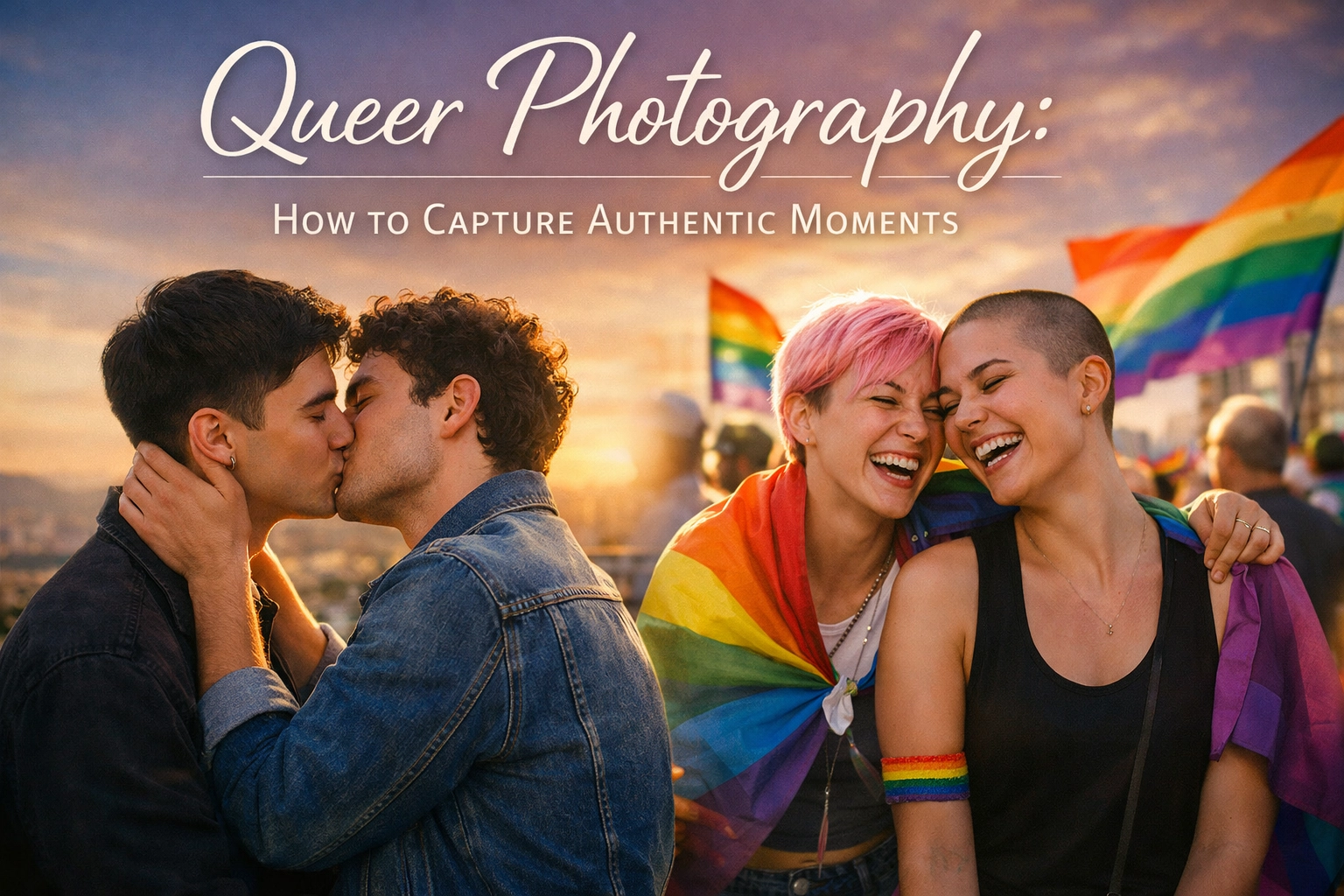
readwithpride.com
Let’s be real for a second: the world doesn't need another stiff, corporate-looking photo of two people holding hands while looking vaguely uncomfortable. We’ve all seen those stock photos, the ones that feel like they were directed by someone who has never actually met a queer person in their life. In 2026, the "Queer Gaze" is more than just a trend; it’s a necessity. Whether you’re shooting a cover for the latest MM romance books or capturing a local Pride march, authenticity is the name of the game.
At Read with Pride, we spend our days immersed in gay romance novels and queer storytelling. We know that a great story isn’t just about the words; it’s about the feeling. The same applies to photography. Capturing an authentic moment isn't about having the most expensive mirrorless camera or the perfect lighting setup. It’s about trust, vulnerability, and throwing the old, heteronormative playbook out the window.
1. Safety and Consent: The Unsexy but Essential Foundation
Before you even take the lens cap off, you need to establish a safe space. This sounds like "corporate speak," but in the LGBTQ+ community, safety is everything. For many of us, being "seen" hasn't always been a positive experience.
Start by checking in. Ask for pronouns early, don't assume. Check in frequently during the shoot. "Is this pose okay?" "How are we feeling about the vibe?" Get enthusiastic consent for every interaction. If you’re shooting a couple for a gay love story inspired layout, don't just tell them to "kiss." Ask them how they show affection. Some couples are all about the forehead touches; others are about the chaotic energy.
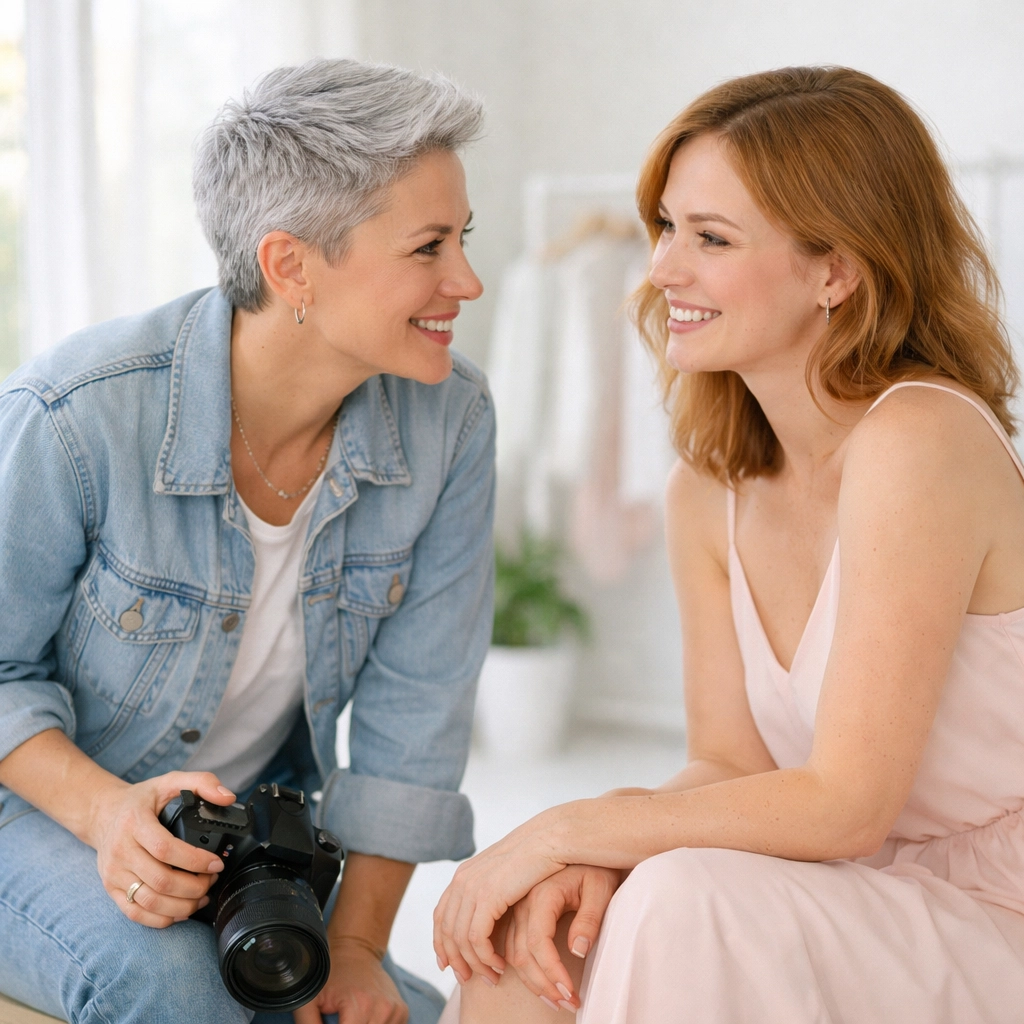
Trust is your most valuable piece of equipment. If your subject feels safe, their confidence will radiate. You can’t Photoshop comfort onto a face. When people feel seen for who they truly are, the "authentic" part happens all on its own.
2. Ditch the "Standard" Posing Guide
One of the biggest mistakes photographers make is applying traditional, gendered poses to queer subjects. You know the ones: the "big strong man" standing behind the "delicate woman." It’s tired, it’s boring, and it’s usually irrelevant to our lives.
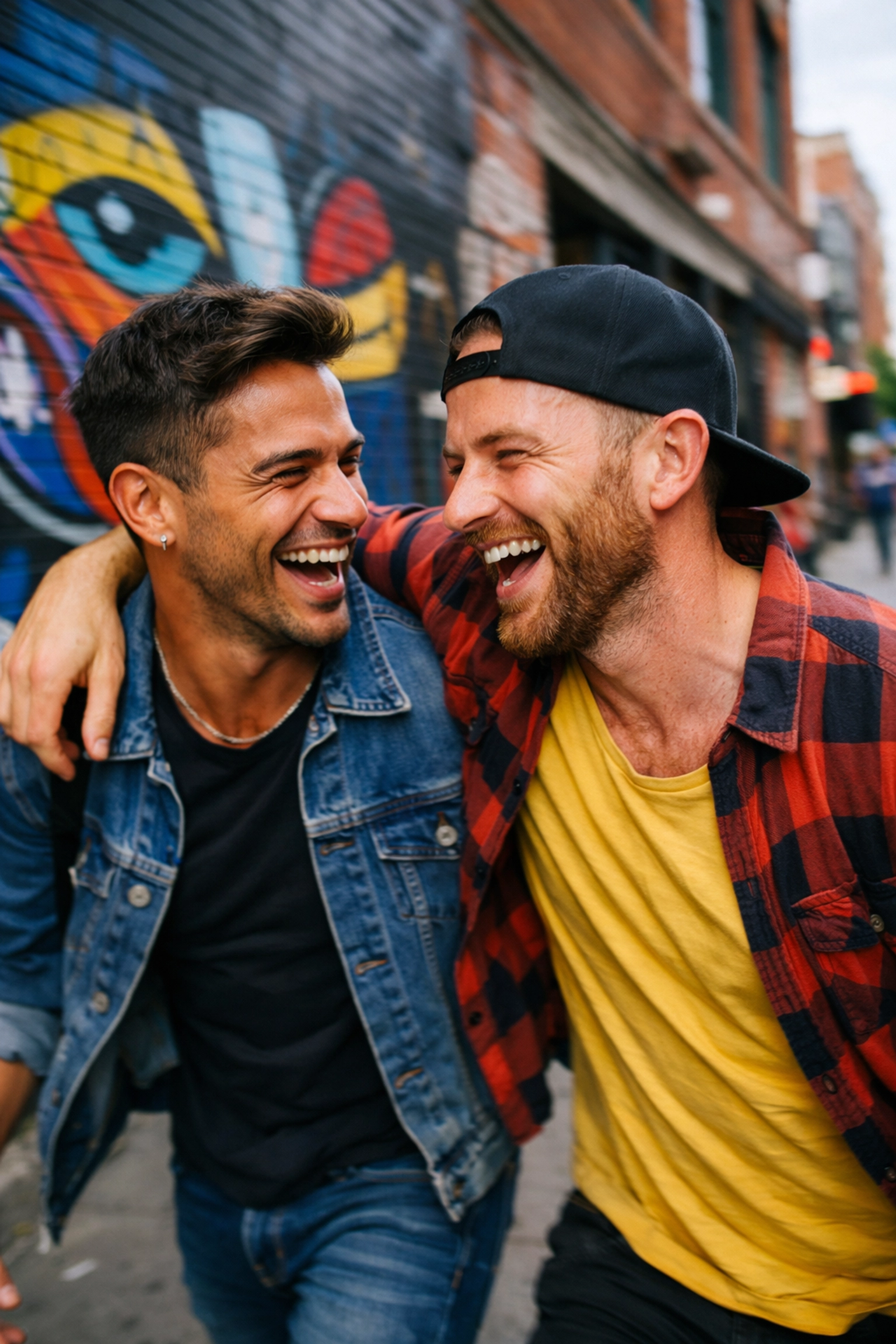
Instead of rigid positions, use movement. Movement is the secret sauce of 2026 gay books and photography alike. Instead of saying "stand there and look cute," give them a prompt.
- "Walk toward me like you’re Gossiping about a bad date."
- "Whisper something ridiculous in their ear."
- "Think about the first time you felt truly at home in your body."
These prompts lead to micro-expressions: a crinkle of the eyes, a genuine belly laugh, or a quiet moment of reflection. That is where the magic lives. Much like a "slow burn" trope in your favorite MM novels, the best photos are built on the tension and the small details, not just the "big" moments.
3. Styling Beyond the Binary
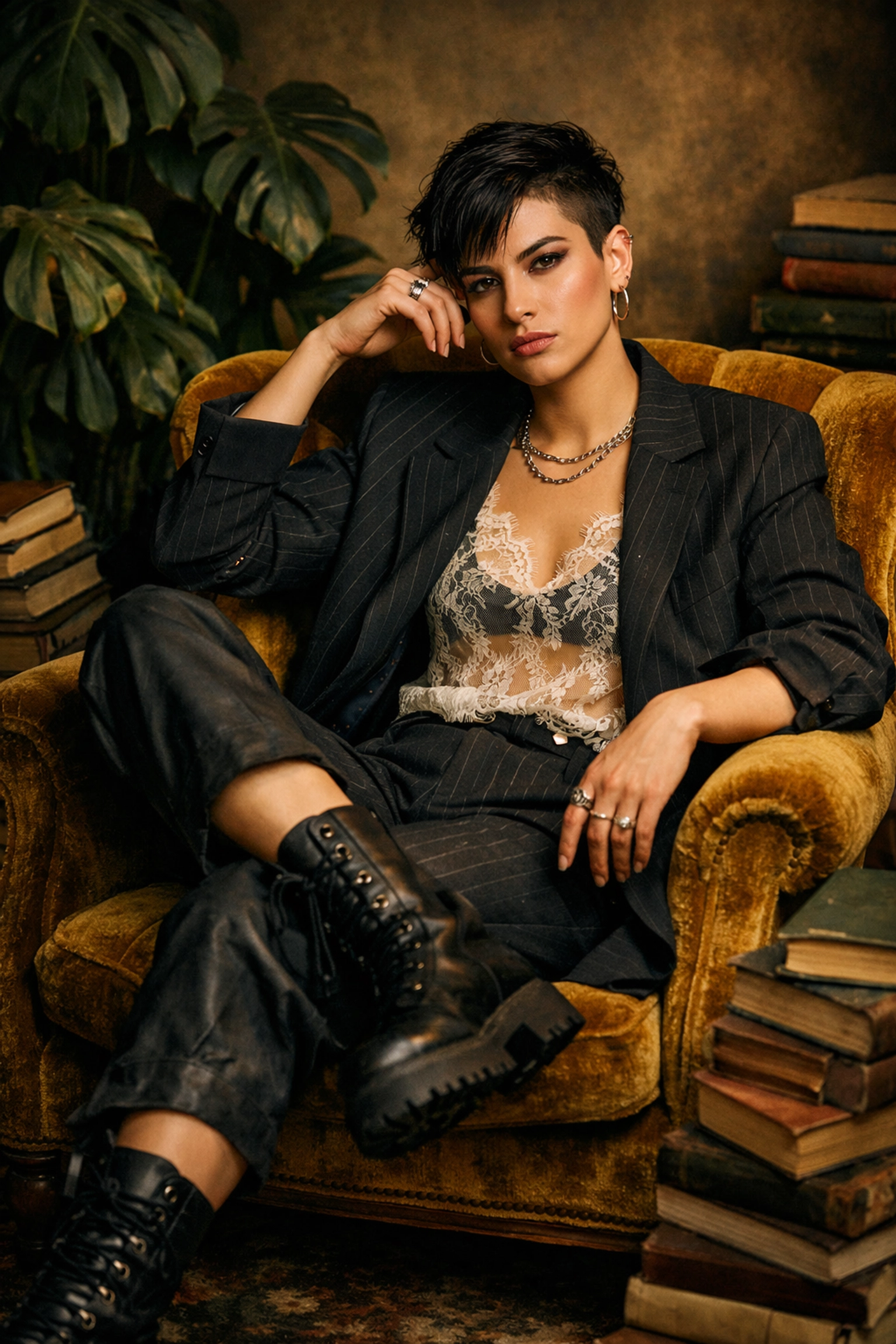
In the world of LGBTQ+ fiction, we celebrate characters who defy expectations. Your photography should do the same. Never assume what someone wants to wear or how they want to be perceived.
Encourage your subjects to bring pieces that make them feel powerful. If that’s a leather jacket, a binder, a floral suit, or a well-worn copy of a gay historical romance, let it be part of the frame. Refer to clothing as "outfits" or "looks" rather than "men’s" or "women’s" wear.
If you are styling a shoot to look like a scene from a top LGBTQ+ book, focus on the narrative. What would this character actually wear? Authenticity often lies in the "imperfections": a messy room in the background, a stray hair, or a tattoo that tells a story. We aren't looking for plastic perfection; we’re looking for soul.
4. The 60/40 Rule of Connection
A great tip from seasoned queer photographers is to maintain a physical and emotional connection with your subject. If you’re buried behind a giant viewfinder the whole time, you’re creating a wall. Try using a touchscreen or a flip-out screen so you can maintain eye contact.
Apply the 60/40 rule: let your subjects have 60% of the creative direction while you handle the 40% of technical execution. Ask them, "How do you want to be seen today?" By letting them lead, you’re empowering them to reclaim their own narrative. This is exactly what we aim for with Read with Pride's publishing mission: giving creators the space to tell their own stories, their own way.

5. Lighting the Mood
Lighting isn't just about visibility; it’s about storytelling. Are you shooting a gritty gay thriller vibe? Use high-contrast, moody shadows. Are you capturing the "happy ever after" of a gay contemporary romance? Go for soft, natural golden hour light.
Don't be afraid of "flaws." Sometimes a bit of lens flare or a shadow that hits just right can communicate more than a perfectly lit studio shot. If you’re stuck for inspiration, look at the covers of popular gay books or check out our latest releases. See how the light interacts with the mood of the story.
6. Lived Experience and the Lens
While anyone can learn the technical skills of photography, there is a profound depth that comes from lived experience. If you are a queer photographer, use your history. You know the nuances of the community: the subtle "nod" of recognition, the way we hold space for each other, and the resilience in our joy.
If you’re an ally, do the work. Immerse yourself in gay literature, attend community events (without your camera first), and listen. Understanding the culture allows you to recognize moments that a casual observer might miss. You aren't just taking a picture; you are witnessing a life.
Why Authenticity Matters in 2026
We live in an age of AI-generated everything (trust us, we know the irony!). Because of that, the value of a real human moment has skyrocketed. People can smell a fake a mile away. Whether you are building a portfolio, shooting for an LGBTQ+ Kindle book cover, or just taking photos of your chosen family, aim for the heart.
Authentic queer photography is an act of activism. It says, "We are here, we are beautiful, and we don't need to fit into your boxes to be worthy of a frame." It’s about celebrating the "found family" and the "enemies to lovers" and every messy, wonderful trope in between.
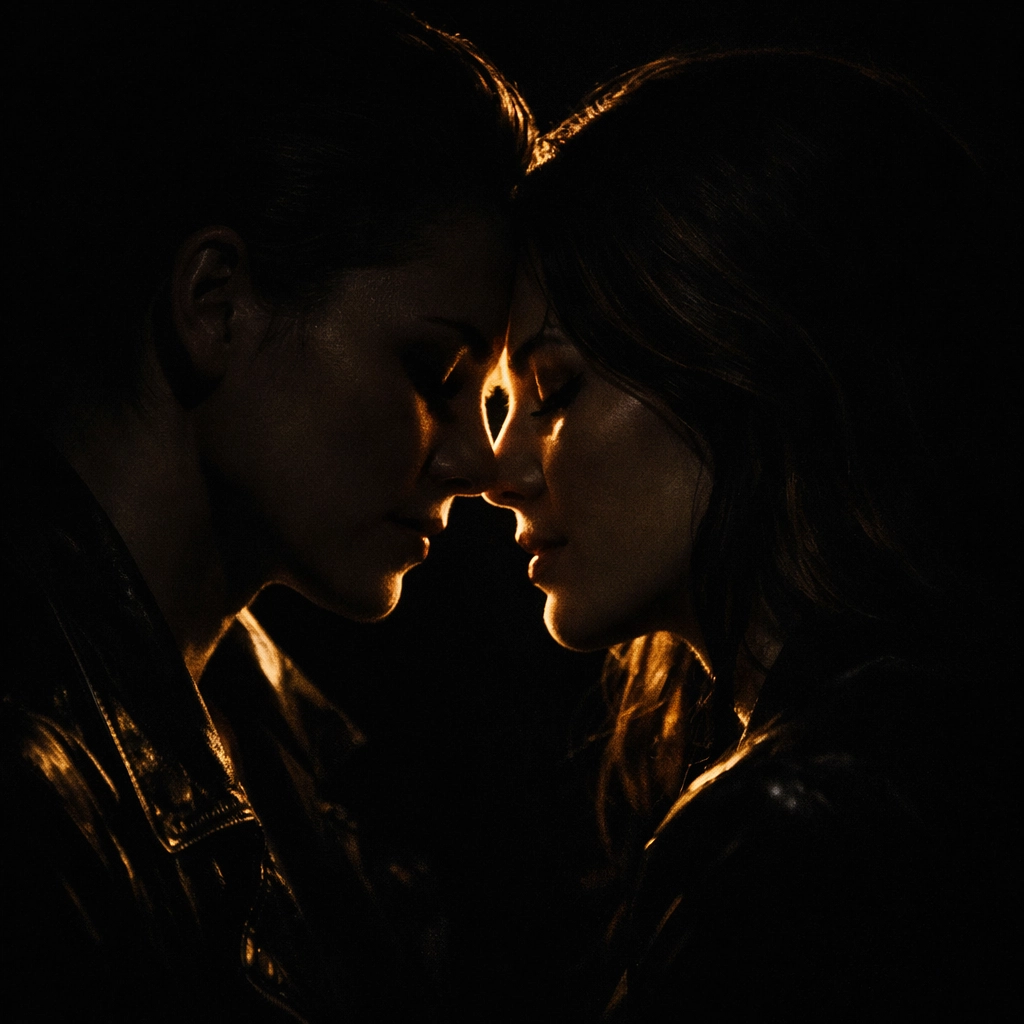
So, next time you’re out with your camera, remember:
- Prioritize the person over the pose.
- Listen more than you talk.
- Capture the joy, the struggle, and the quiet bits in between.
For more inspiration on queer storytelling and the best in M/M books, head over to readwithpride.com. We’re constantly updating our library with new gay releases and top LGBTQ+ books that celebrate our community in all its vibrant glory.
Happy shooting, and remember to always read (and shoot) with pride!
Want more queer content? Follow us on our socials!
- Facebook: Read with Pride
- X (Twitter): @Read_With_Pride
- Instagram: @read.withpride
#LGBTQBooks #QueerPhotography #ReadWithPride #MMRomance #GayRomanceNovels #AuthenticMoments #2026GayBooks #GayAuthor #QueerArt #FoundFamily

Leave a Reply
You must be logged in to post a comment.