
readwithpride.com
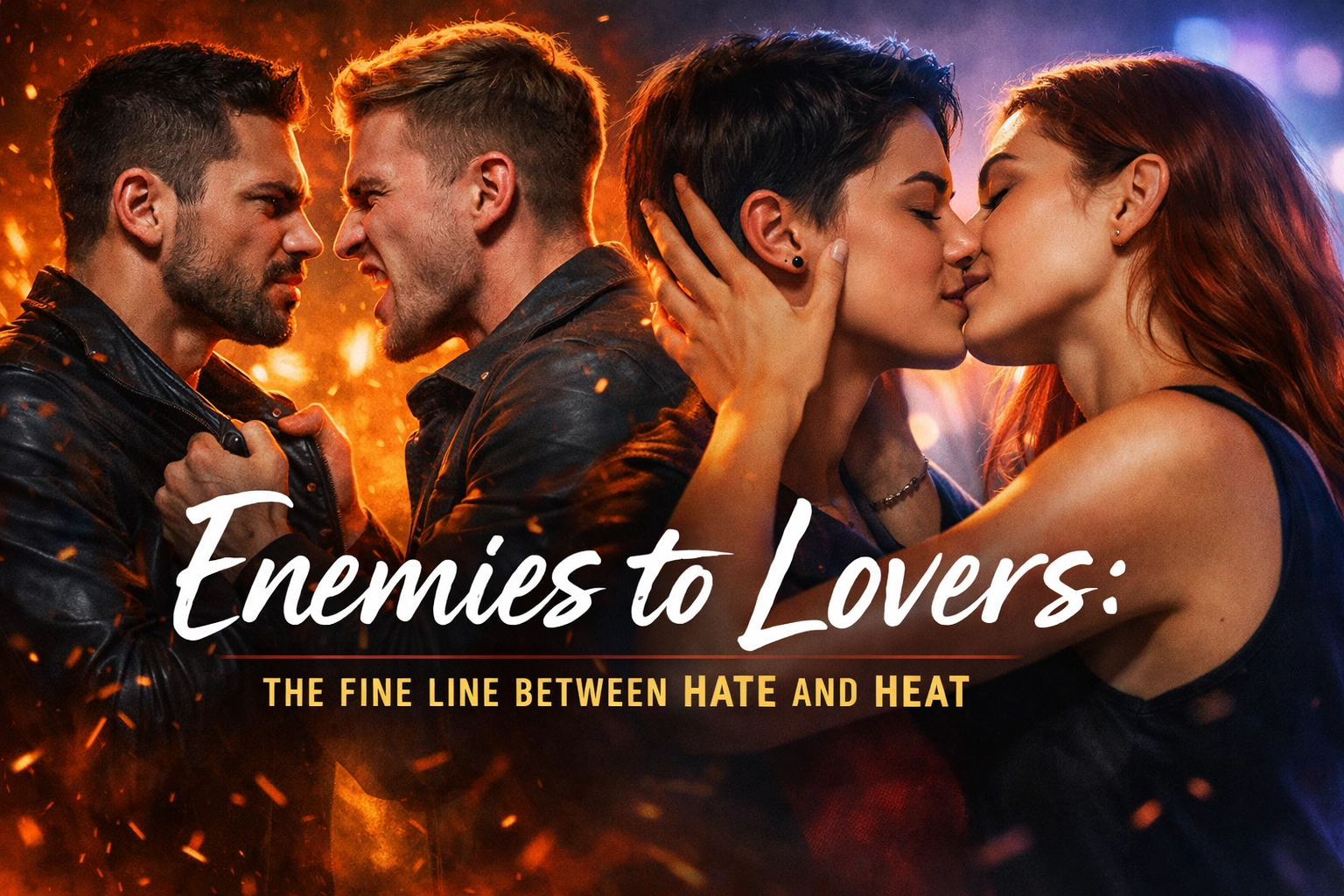
There is an electrifying moment in MM romance that every reader knows. It’s that second where the air in the room shifts, the insults stop being sharp, and the proximity becomes unbearable. It’s the "I hate everything you stand for, but why am I looking at your mouth?" phase. At Read with Pride, we live for that tension. The enemies-to-lovers trope is arguably the crown jewel of gay romance novels, and for a good reason: the payoff is spectacular.
But what actually makes this trope work? Why do we collectively lose our minds when two men who can’t stand each other finally realize they are perfectly matched? It’s all about the fine line between hate and heat. In 2026, we’re seeing a massive resurgence in this trope, but with a more authentic, nuanced lens that moves beyond simple bickering and into deep, soul-shaking connection.
The Psychology of the "Hate-to-Love" Arc
At its core, the enemies-to-lovers trope isn't just about fighting; it’s about obsession. To truly hate someone, you have to pay a significant amount of attention to them. You know their coffee order because you want to make sure you never buy it. You know their schedule because you want to avoid them. You know exactly which buttons to push because you’ve spent hours analyzing their personality.
In M/M books, this obsession often mirrors the intensity of a crush. The transition from "I can’t stop thinking about how much I hate him" to "I can’t stop thinking about him" is a very short walk. This is where the "heat" comes in. That energy: that raw, vibrating tension: is fuel. When that anger finally turns into attraction, it’s like a match hitting a trail of gasoline.
Hate vs. Dislike: Why the Stakes Matter
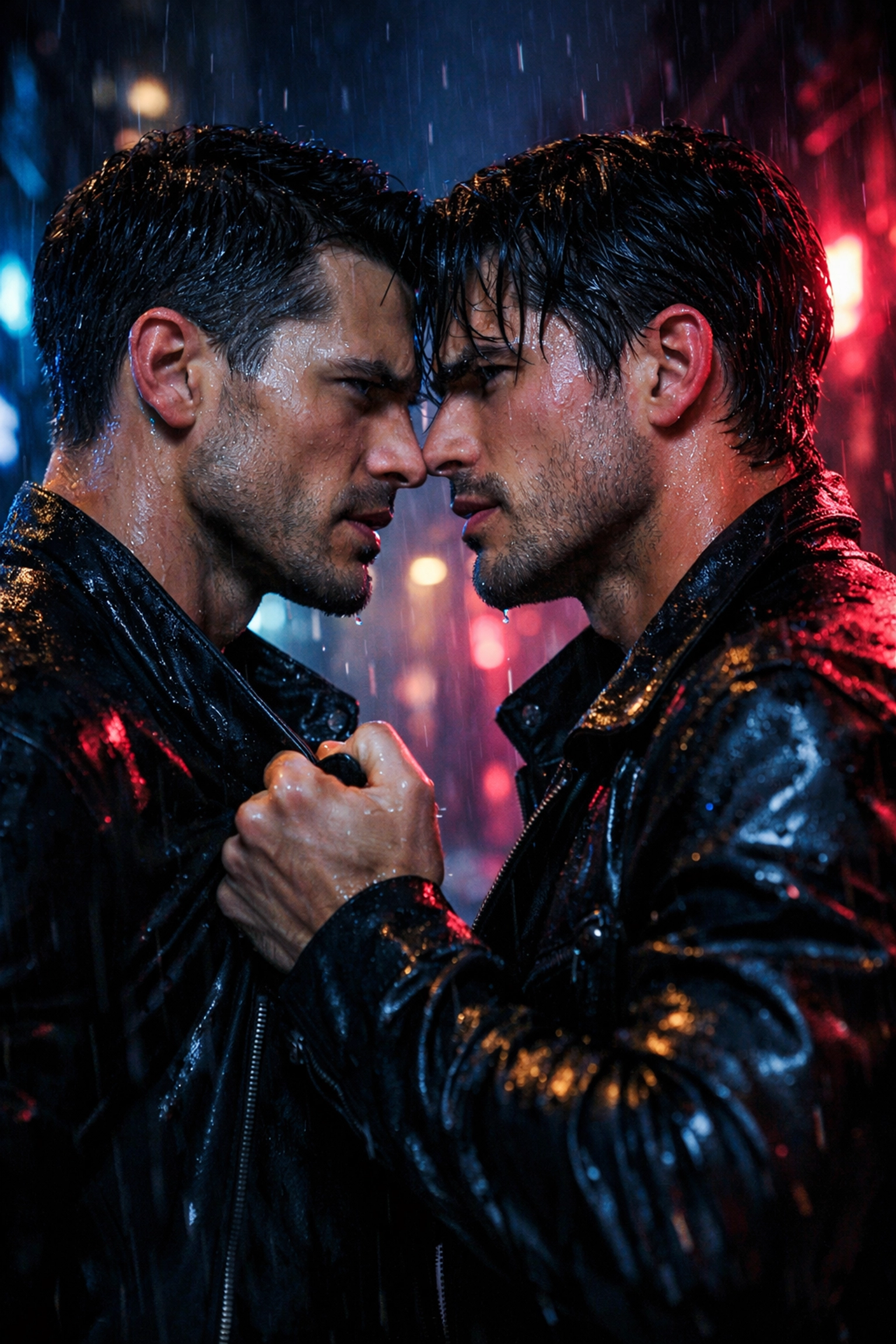
Not all enemies are created equal. One of the biggest mistakes writers make is confusing a "rivalry" with "enmity."
- The Rivals: These are the guys competing for the same promotion or the same spot on the rugby team. They might be annoyed by each other, but there isn't deep-seated animosity.
- The Enemies: These characters have fundamental clashes. It could be a family feud, opposing political goals, or a past betrayal that left a scar.
For an enemies-to-lovers MM romance to truly land, there needs to be a reason for the wall to exist. If they just "don't like each other's vibe," the resolution feels cheap. But if they have to overcome a genuine obstacle: if loving the other person feels like a betrayal of their own identity or goals: then the romance becomes transformative.
If you're an aspiring writer looking to nail this dynamic, you might want to check out our guide on 7 mistakes you’re making with LGBTQ+ character development to ensure your "enemies" feel like real, grounded people.
Banter as Foreplay: The Power of the Script
In gay fiction, banter is the ultimate weapon. It’s the verbal sparring that acts as a safe way for characters to touch each other without actually touching. It’s witty, it’s fast-paced, and it’s deeply revealing.
The best MM contemporary stories use banter to show how well the characters actually understand each other. When Character A throws a barb and Character B catches it and throws it back with a smirk, they are communicating. They are saying, "I see you. I’m on your level. You can’t intimidate me."
This intellectual and emotional synchronization is what builds the foundation for the eventual "heat." By the time they actually get physical, the readers are already convinced they belong together because their minds are already in sync.

The "Forced Proximity" Catalyst
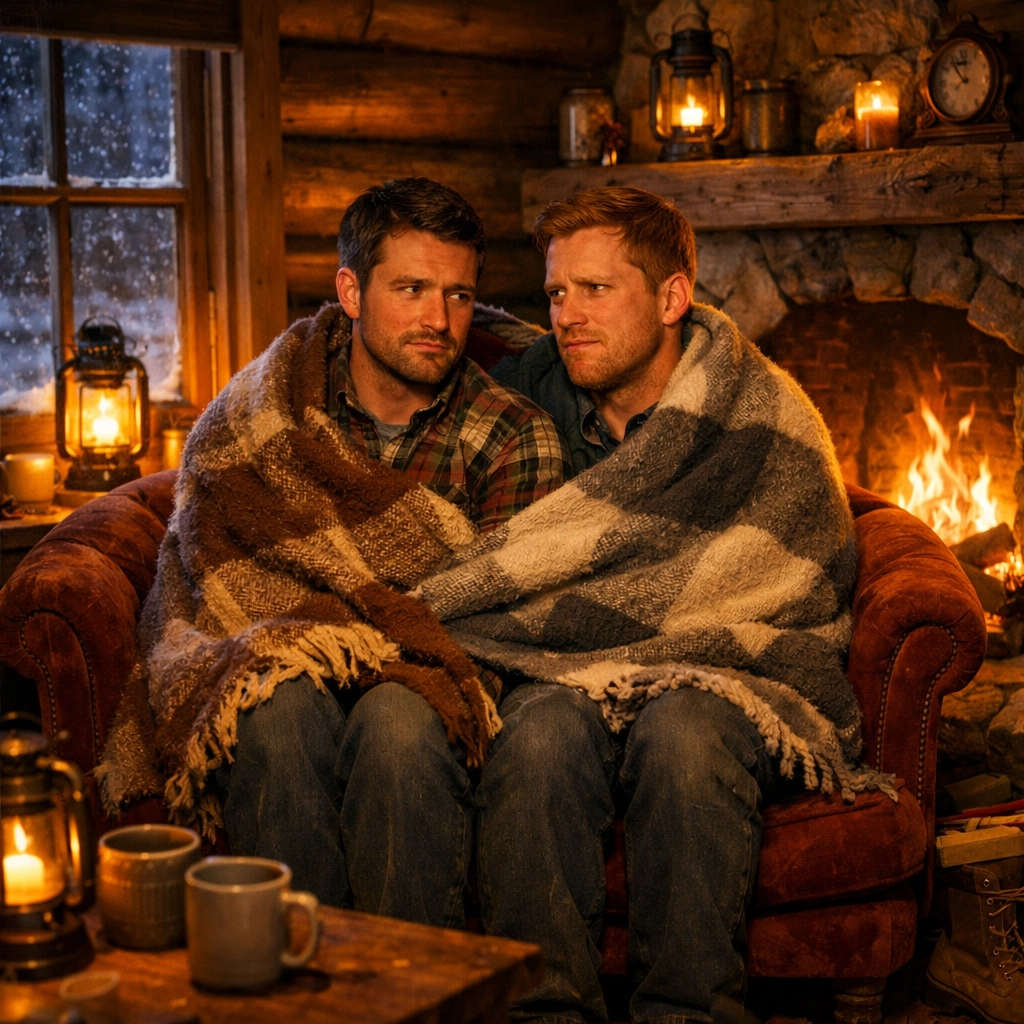
You can’t have a classic enemies-to-lovers story without a little nudge from fate. Whether it’s the "only one bed" trope, being trapped in a snowstorm, or being assigned as partners on a high-stakes case, forced proximity is the engine that drives the transition from hate to heat.
When characters are forced into each other's personal space, the "hate" starts to crumble. They see the other person at their most vulnerable. They see them waking up with messy hair, or struggling with a secret grief, or simply being human. It’s hard to maintain a wall of pure hatred when you’re sharing a small cabin and realizing that your "enemy" actually makes a really good cup of tea.
This is often where we see the "hurt/comfort" element bleed in. If one character gets injured or falls ill, the other is forced to step up. That shift from aggressor to caretaker is one of the most romantic pivots in MM romance books. For more on why we love the emotional intensity of these moments, take a look at our ultimate guide to high-angst MM romance.
Avoiding the "Toxic" Trap
In 2026, the LGBTQ+ fiction community is more discerning than ever. We want the heat, we want the tension, but we don't want toxicity disguised as romance. The "fine line" is thin, but it is there.
The difference between a healthy enemies-to-lovers arc and a toxic one is respect. Even when the characters are at each other's throats, there should be an underlying sense that they wouldn't actually let harm come to the other. They don't cross the line into abuse, gaslighting, or genuine cruelty.
Authentic gay love stories show that even "enemies" can have boundaries. The heat comes from the friction of two strong personalities, not from one person crushing the other. At Read with Pride, we prioritize stories that showcase vulnerability and growth. When the "enemy" becomes the "lover," it’s because both characters have evolved and learned to see the truth behind their initial judgments.
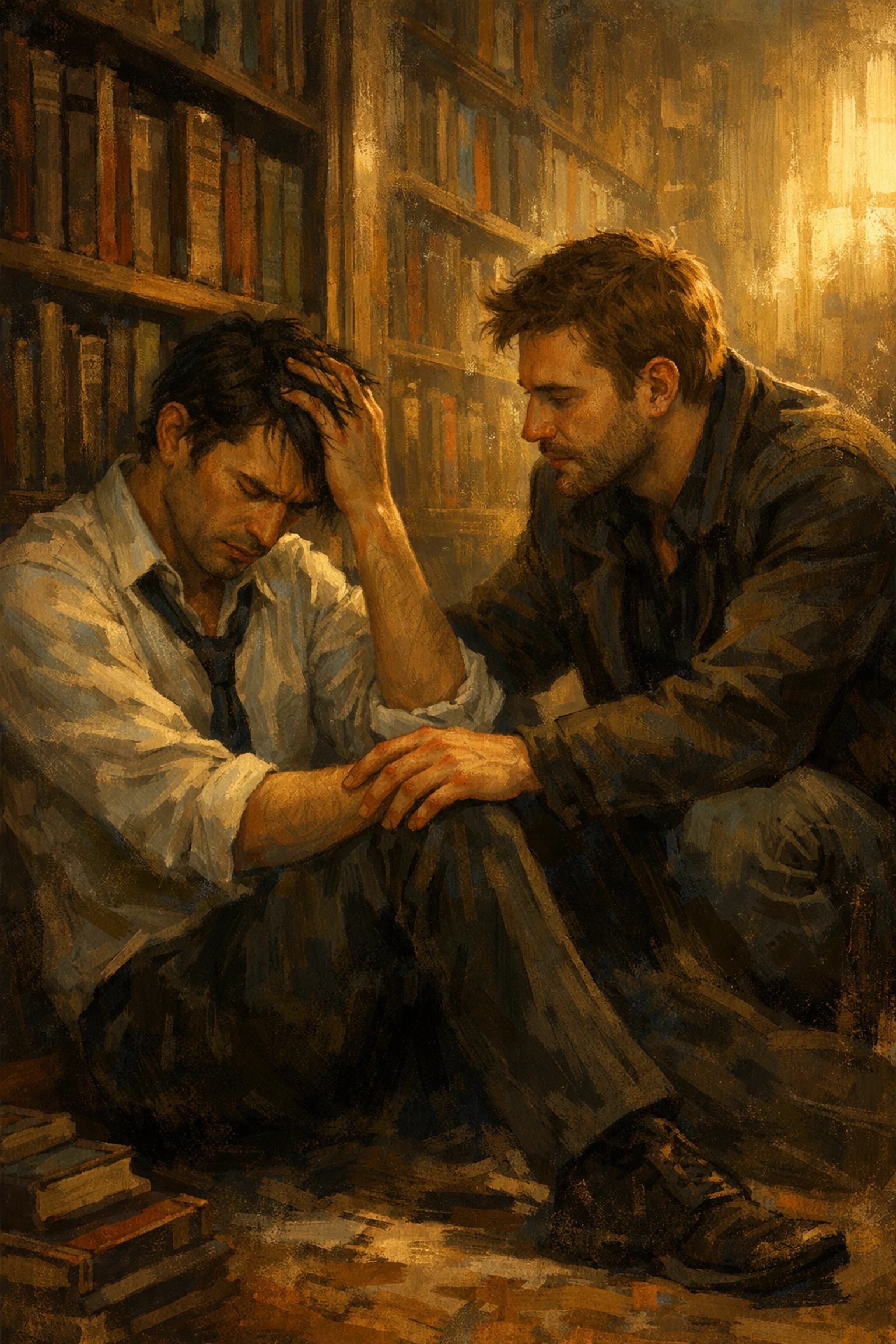
Why We’re Obsessed with Enemies to Lovers in 2026
Maybe it’s because the world feels a bit polarized right now, but there is something incredibly hopeful about the enemies-to-lovers trope. It tells us that bridge-building is possible. it suggests that even someone we fundamentally disagree with might have a heart we can connect with.
In the world of steamy MM romance, it’s also just fun. The "first kiss" in an enemies-to-lovers book is usually a ten out of ten on the intensity scale. It’s desperate, it’s messy, and it’s the release of hundreds of pages of pent-up frustration.
If you are looking for your next obsession, our product-sitemap1.xml is packed with new releases that tackle this trope in every setting imaginable: from gay fantasy romance to gay psychological thrillers.
Final Thoughts: Finding the Heat
Whether you call it "enemies to lovers," "rivals to lovers," or "grumpy vs. sunshine with a side of murder," this trope remains a pillar of popular gay books. It challenges characters to look past their prejudices and find a love that is forged in fire.
At readwithpride.com, we are committed to bringing you the best in queer literature. Our catalog is constantly growing with 2026 gay books that push the boundaries of genre and trope. Whether you want a genre-bending MM romance or a classic high-angst tale, we’ve got your back.
Keep reading, keep loving, and never be afraid to fall for your enemy: at least in the pages of a book.

Want more queer bookish content?
Check out our full library of posts: readwithpride.com/blog_post-sitemap1.xml
Follow us for daily updates and recommendations:
- Facebook: Read with Pride
- Instagram: @read.withpride
- X (Twitter): @Read_With_Pride
#MMRomance #EnemiesToLovers #GayRomance #QueerFiction #ReadWithPride #MMBooks #GayLiterature #2026Books #BookRecommendations #SteamyRead #LGBTQRead

Leave a Reply
You must be logged in to post a comment.