

readwithpride.com
Let’s be real for a second: as much as we all love a neon-lit dance floor and a questionable cocktail at 1:00 AM, the "standard" queer social scene can feel a bit… repetitive. If you’ve ever found yourself standing in a crowded bar, clutching a gin and tonic, and wondering if there’s more to LGBTQ+ life than shouting over a remix of a Dua Lipa song, you are not alone.
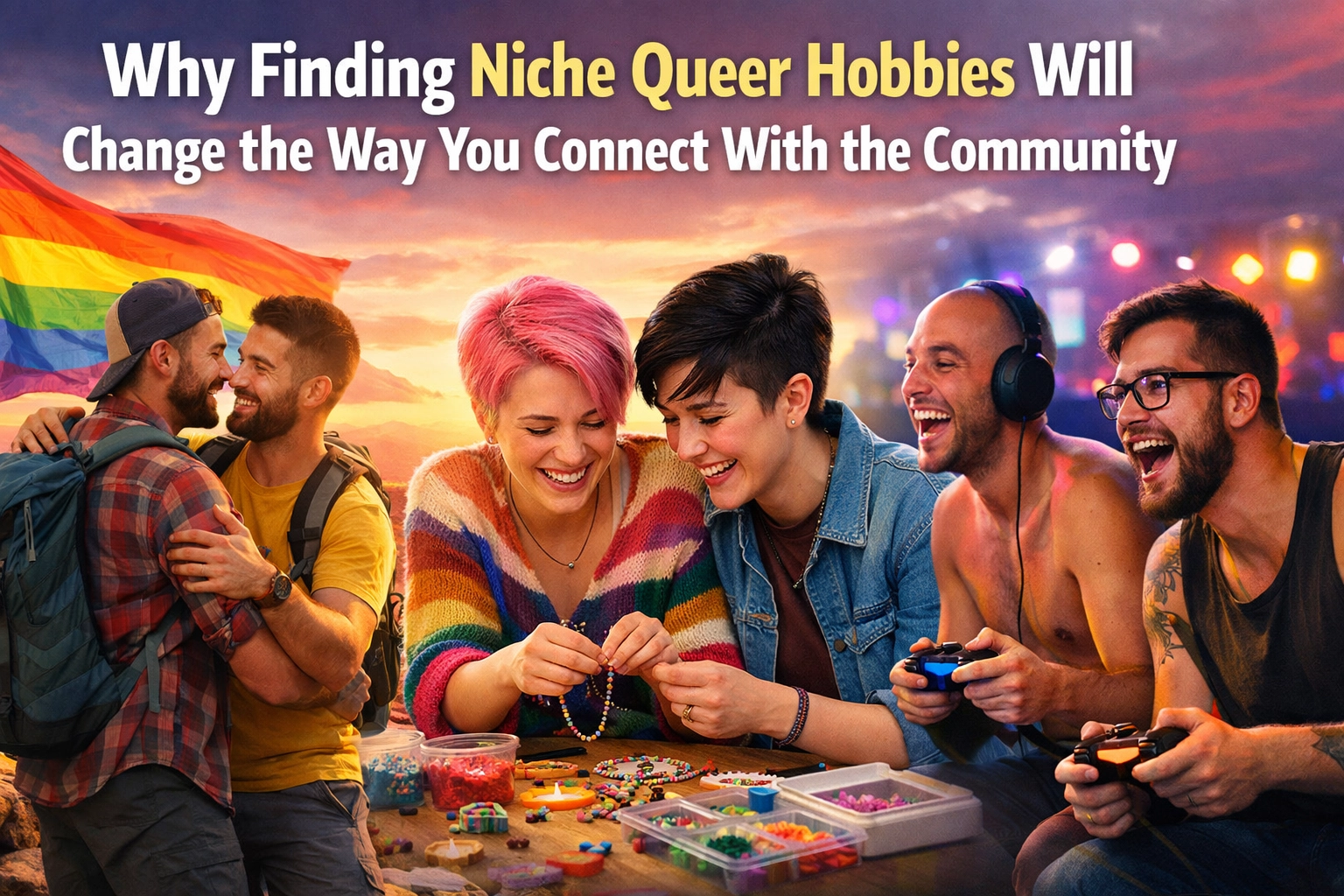
In 2026, the vibe is shifting. We are entering the era of the "Quiet Queer," the "Hands-on Human," and the "Niche Networker." Whether it’s radical knitting, queer birdwatching, or an ultra-specific gay book club focused on MM romance books, niche hobbies are becoming the new backbone of our community.
Why? Because sharing a hobby is like a real-life version of our favorite MM romance tropes. It’s the ultimate forced proximity (in a good way!), it’s a slow burn friendship builder, and it’s the most authentic way to find your "found family." At Read with Pride, we believe that whether you’re turning pages or turning soil in a community garden, finding your niche is how you find your people.
The Death of the "One-Size-Fits-All" Queer Experience
For decades, queer spaces were limited by necessity. We had the bars, and we had the protests. While both are iconic and essential, they don't always allow for the deep, specialized connections that humans crave.
When you join a niche group: say, a queer tabletop gaming league or a lesbian woodworking collective: the common denominator isn't just "we are both LGBTQ+." It’s "we both love this specific, weird thing." This shared interest acts as a bridge, making those initial, awkward social hurdles much easier to clear. It moves the conversation from "So, how long have you been out?" to "Wait, did you just use a d20 for that charisma check?"

Reducing Isolation Through Shared Passion
Research shows that LGBTQ+ individuals often face higher rates of social isolation. Niche hobbies are the perfect antidote. When you engage in community building through a specific interest, you’re creating a support network that isn’t just based on identity, but on activity.
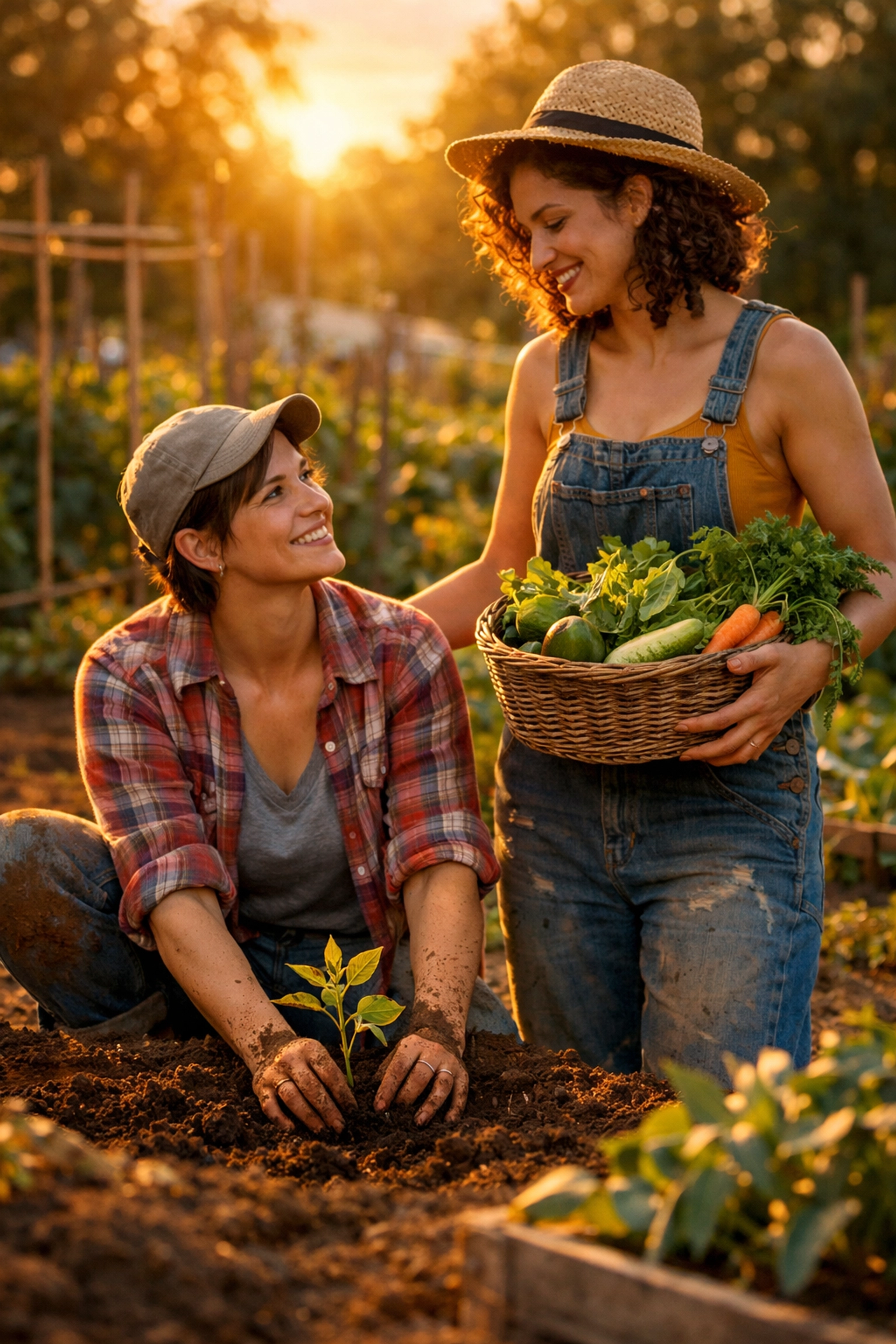
Take queer farming networks, for example. These groups aren't just about growing kale; they are about exchanging resources, protecting land, and building grassroots power. It’s a literal way to ground yourself. If you’re looking for a story that captures that connection to the land and each other, check out The Gilded Garden: The Hidden Heart, which beautifully mirrors the peace found in nature and the complexity of queer hearts.
Why We Love "Hobby Tropes" in Gay Romance Novels
As a publisher of LGBTQ+ ebooks, we’ve noticed a massive trend in 2026 gay books: the "Hobbyist Hero." Readers are moving away from vague billionaire tropes and toward characters who do things.
We love seeing characters meet over a shared craft. Why? Because it feels real. In gay romance novels, the hobby often acts as the catalyst for the romance.
- The Rivals-to-Lovers Sport: Think about the tension on a hockey rink or a figure skating duo. Our book On Thin Ice perfectly captures how a shared competitive hobby can lead to some very steamy off-ice developments.
- The Creative Connection: There is something incredibly intimate about making art together. In The Canvas and the Closet, the hobby isn't just a backdrop; it's the language the characters use to communicate when words fail.
When we see these tropes in MM fiction, it inspires us to seek out those same "main character" moments in our own lives. Who doesn't want to meet the love of their life while accidentally reaching for the same bag of potting soil?
Mental Health: The Self-Care of Niche Communities
Engaging in a hobby isn't just "fun": it’s a vital component of mental wellness. The act of creation: whether you’re writing queer fiction, painting, or organizing a local activist group: provides a sense of agency.
For many in our community, the world can feel chaotic and unwelcoming. Stepping into a "safe space" hobby group allows you to lower your guard. You don't have to explain your pronouns for the tenth time that day; you just have to focus on the task at hand. This "flow state" is incredibly healing. It’s why so many of the best MM romance stories of the year focus on healing through shared pursuits.
Grassroots Organizing: From Hobbies to Revolution
Don’t underestimate the power of a knitting circle. Historically, niche queer groups have been the starting point for massive social change. When people gather regularly for a hobby, they talk. They talk about their lives, their struggles, and the needs of their local community.
A "niche" hobby group often evolves into a grassroots organizing hub. You start by sharing tips on how to bake sourdough, and you end up organizing a fundraiser for a local trans youth shelter. This is the heart of community building. It’s about creating a network that can be activated when things get tough.
How to Find Your Niche in 2026
If you’re feeling a bit lost and want to find your own corner of the community, here’s how to start:
- Follow the "Vibe" of Your Favorite Trope: Do you love enemies to lovers? Maybe join a competitive debate club or a high-stakes sports league. Love slow burn? A long-term community project like a neighborhood garden is for you.
- Look Local and Digital: Check out sites like Meetup, but also look at the "Community" sections of sites like Readwithpride.com. Often, the best groups are found through word of mouth or niche online forums.
- Start Your Own Book Club: If you can’t find the group you want, build it. There is a huge demand for gay book clubs that move beyond the classics and dive into popular gay books, steamy MM romance, and gay thriller novels. Grab a few titles from our dashboard, set a date, and let the discussion begin.
- Don’t Be Afraid to be "Bad" at It: The goal of a niche hobby isn't perfection; it's connection. Whether you're a terrible knitter or a clumsy dancer, the "queer joy" is in the doing, not the result.
Recommendations for Your Next Hobby-Themed Read
If you need some inspiration before you dive into a new craft, here are some of our top gay romance books that celebrate the power of niche interests:
- For the History Buffs: The Gilded Prince of Agrabah – perfect for those who find community in the stories of the past.
- For the Thrill Seekers: Code Name Sapphire – because sometimes "niche hobby" means "clandestine espionage."
- For the Holiday Lovers: It’s never too early for some festive cheer. Check out The Midnight Compass for a cozy, community-centered tale.

Final Thoughts: The Future is Niche
Connecting with the LGBTQ+ community doesn't have to be a grand gesture. It doesn't have to involve a parade or a protest (though those are great, too!). Sometimes, the most radical thing you can do for your community: and yourself: is to show up to a small room once a week and share a hobby with people who truly see you.
In 2026, let’s celebrate the "weird" hobbies. Let’s celebrate the MM romance tropes that bring us together. And most importantly, let’s celebrate each other.
Ready to find your next obsession? Browse our full library of LGBTQ+ fiction and gay love stories at Readwithpride.com. Your next "found family" might just be a few chapters away.
Join our community on social media:
- Facebook: Read with Pride
- X (Twitter): @Read_With_Pride
- Instagram: @read.withpride
#ReadWithPride #QueerHobbies #MMRomance #LGBTQCommunity #FoundFamily2026 #GayRomanceNovels #CommunityBuilding #GayBookRecommendations

Leave a Reply
You must be logged in to post a comment.