

The Craving for Connection in a Digital Age
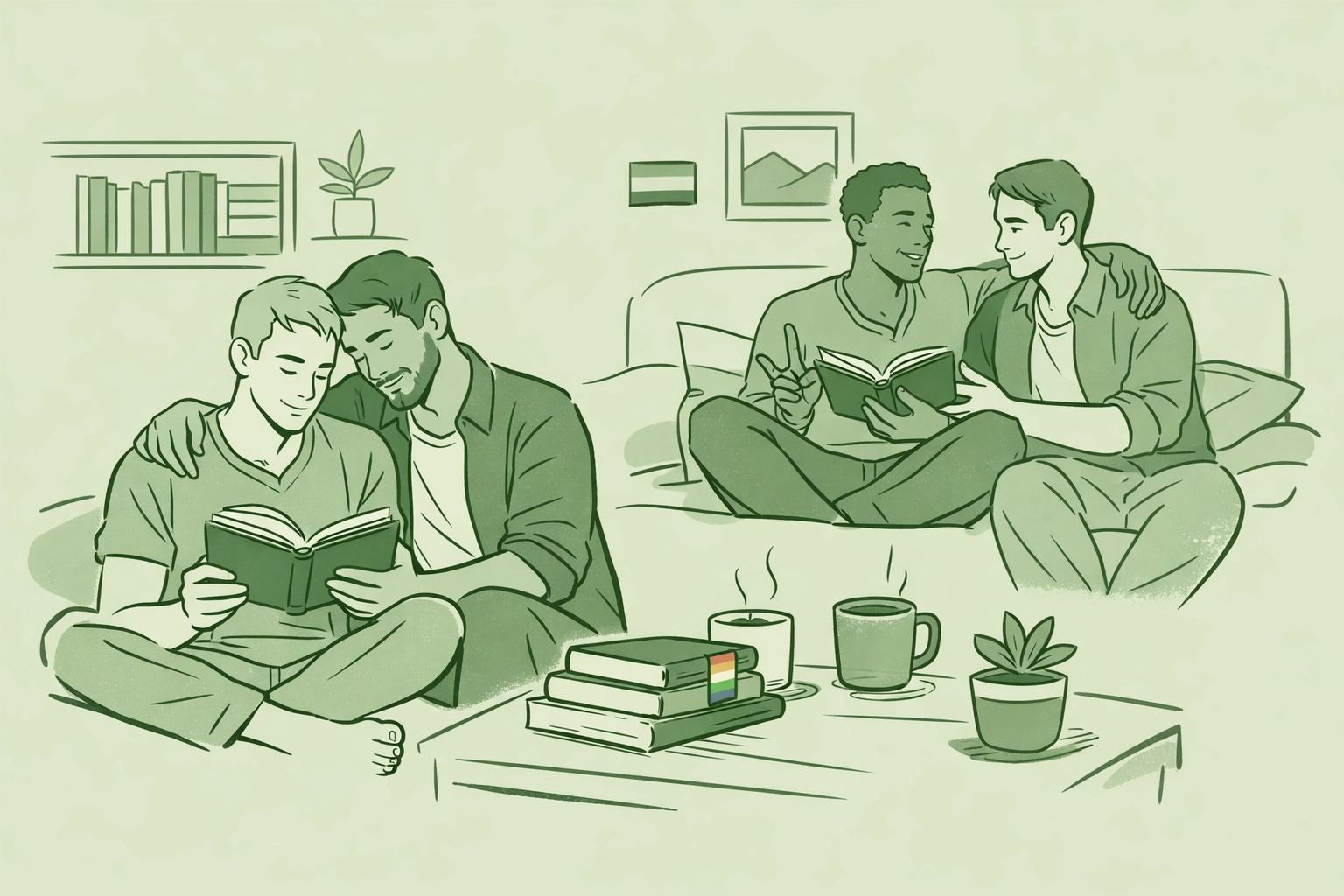
Here's the beautiful paradox: reading is the most solitary act imaginable, just you, a page, and the shadows of someone else's soul. But discussing that reading? That's where the alchemy happens. That's where isolation transforms into communion.
In 2026, we're drowning in content but starving for connection. We scroll through BookTok, we double-tap Instagram aesthetics, we save quotes to Pinterest boards we'll never revisit. But a queer book club? That's a safe harbor. It's where vulnerability meets validation, where "me too" replaces "am I the only one?", and where the stories we read become mirrors we hold up to each other.
For LGBTQ+ readers especially, a book club isn't just about discussing plot twists and character arcs. It's about finding your people. It's about naming the unnameable parts of your experience and watching someone across the table nod in recognition. It's therapy without the co-pay, philosophy without the pretension, and community without the pressure to perform.
Ready to create that space? Let's build it together.
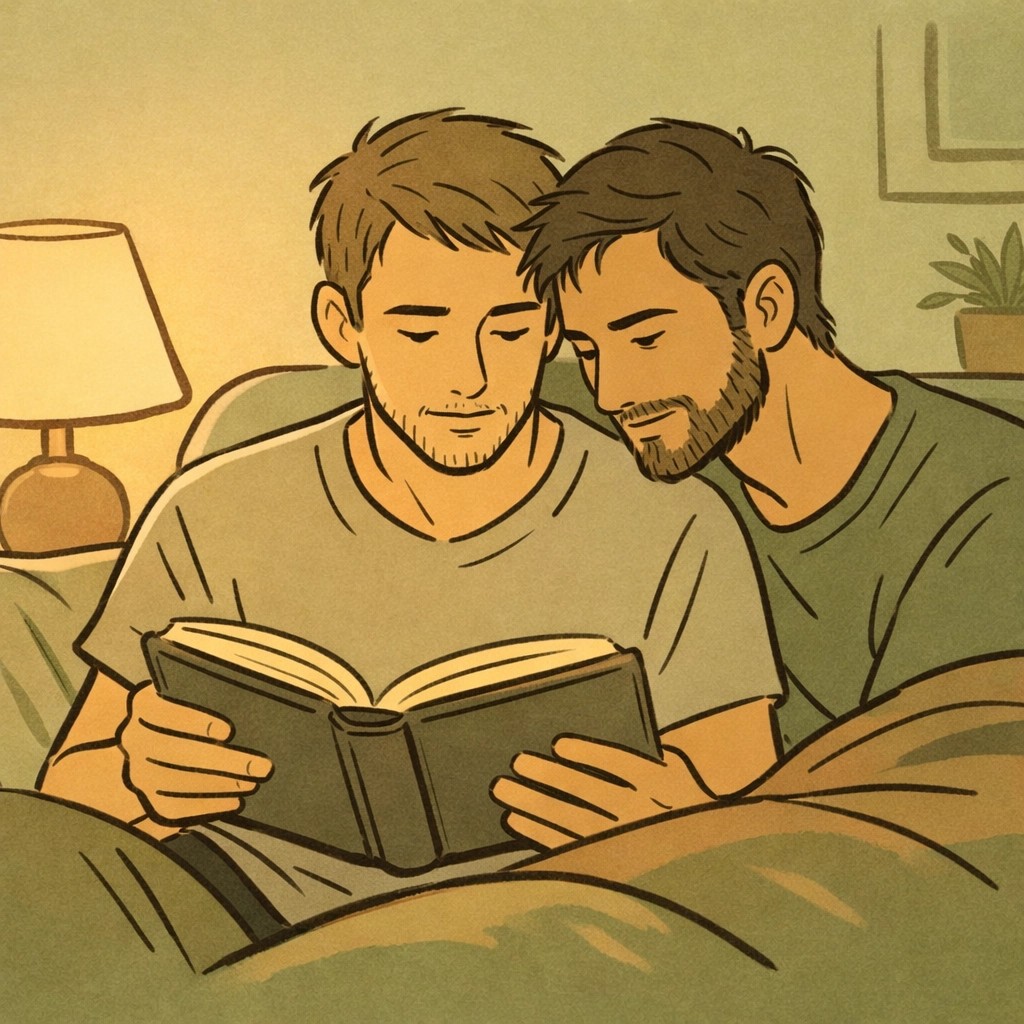
Starting Your LGBTQ+ Book Club: The Foundation
1. Define Your Vibe
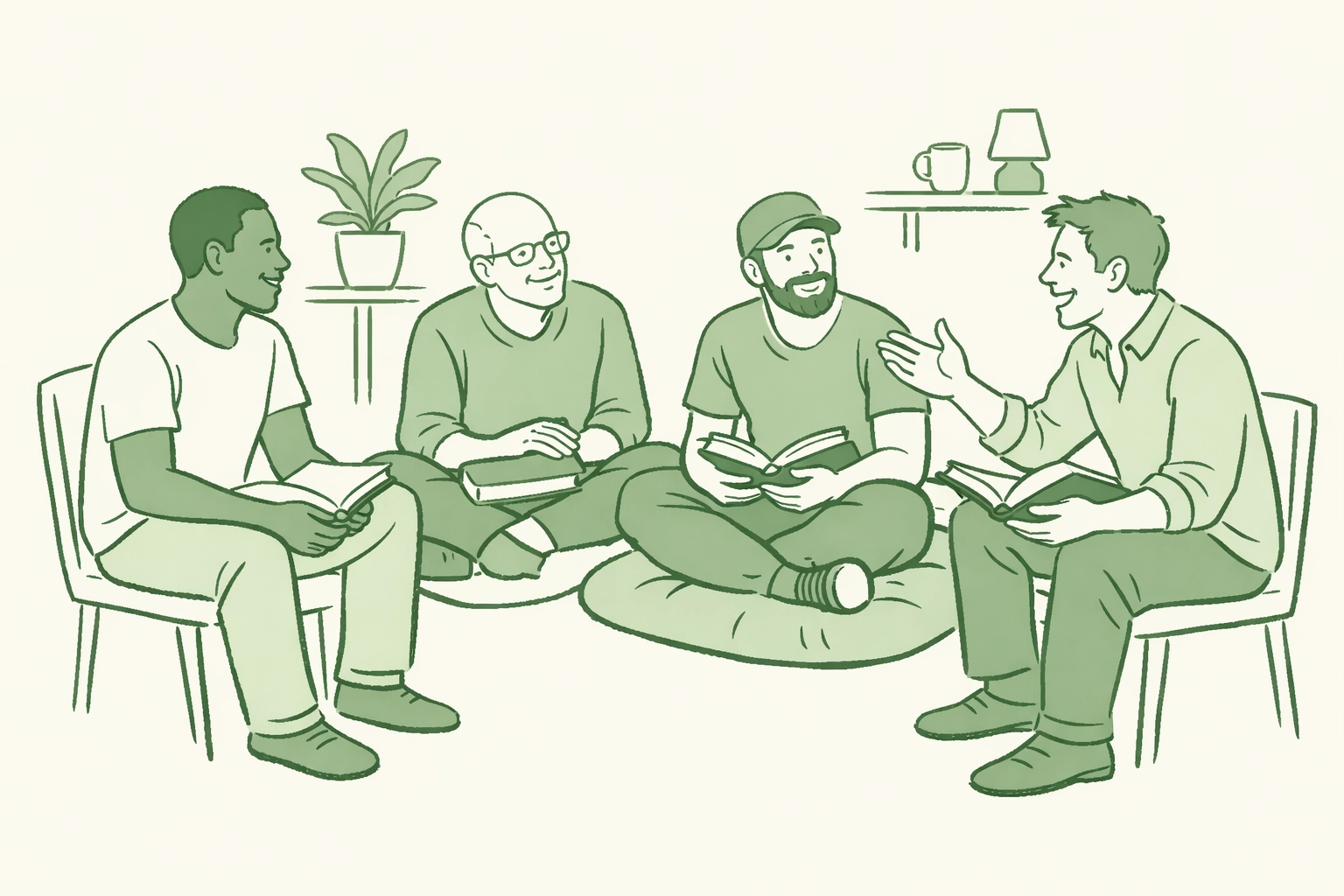
First question: Are you gathering for wine-soaked catharsis or rigorous literary analysis? Both are valid. Both are necessary. But you need to know which lane you're in.
The casual book club meets monthly, probably over drinks, with a "come if you can" energy. Discussion meanders from the book to dating apps to whether anyone's seen that new queer series everyone's talking about. It's low-pressure, high-warmth.
The literary book club? That's a different animal. You're diving deep. You're bringing annotations. Someone's probably prepared a short presentation on queer theory or the historical context of 1920s Berlin. It's intellectually rigorous, emotionally demanding, and utterly rewarding.
Choose your fighter, or create a hybrid that shifts based on the book selection.
2. Curate for Diversity
The 2026 LGBTQ+ literary landscape is thriving. We're seeing intersectional historical fiction that centers queer Black and brown voices. We're seeing the "Yearning" trope dominate MM romance, those slow-burn, soul-crushing, "will they finally just talk to each other" narratives that BookTok can't get enough of.
Don't get stuck in a rut of only reading contemporary gay romance (though there's nothing wrong with that). Mix in some gay historical romance, queer psychological thrillers, MM fantasy, and yes, even the literary fiction that makes you work for it. Bisexuality deserves robust representation, seek out M/M books and gay novels that explore the complexity of that identity rather than treating it as a plot device.
Browse collections at Read with Pride for curated LGBTQ+ ebooks across every genre imaginable.
3. Choose a Format: Welcome to Hybrid 2026
Let's be real: gathering in-person every month is a beautiful ideal that crashes against the reality of conflicting schedules, long commutes, and general adult exhaustion. The 2026 standard? Hybrid meetings.
Host your core group in person but livestream on Zoom for remote members. Use a shared Google Doc for ongoing reactions and questions between meetings. Create a private Discord or WhatsApp group for memes, quotes, and "I just finished chapter 12 and I'm DEVASTATED" emergency messages.
Technology isn't the enemy of intimacy, it's the bridge that keeps your gay book club alive when life gets overwhelming.
The 10 Discussion Questions That Go Deep
These questions work for nearly any queer fiction, but they're especially powerful for books exploring coming out, bisexuality, and authentic queer love. Bring them to your next meeting and watch the magic unfold.
1. How did the character's journey reflect or contrast with your own experience of coming out or self-discovery?
This is the entry point, the invitation to make it personal. Some members will share immediately. Others will need time. Both responses are valid.
2. In what ways did the 'masks' the characters wore serve as protection, and what allowed them to finally drop them?
We all perform. We all protect. The question is: what makes vulnerability feel safe enough to risk?
3. How does this book handle the nuances of bisexuality, did it capture the 'in-between' feeling authentically?
Bisexuality in gay fiction is often shorthand for "confused" or "experimenting." The best M/M books understand it as a complete, legitimate identity. Did your book earn that distinction?
4. How does the central romance challenge traditional 'happily ever after' tropes to feel more authentically queer?
Queer love doesn't always follow heteronormative scripts. Sometimes the happy ending is choosing yourself. Sometimes it's redefining what partnership looks like. What did this gay love story teach you about possibility?
5. If there was a 'laboratory of truth' moment, a moment of intense honesty, how did it change the power dynamic between characters?
Truth-telling is revolutionary. It reshapes everything. Who held power before that moment, and who held it after?
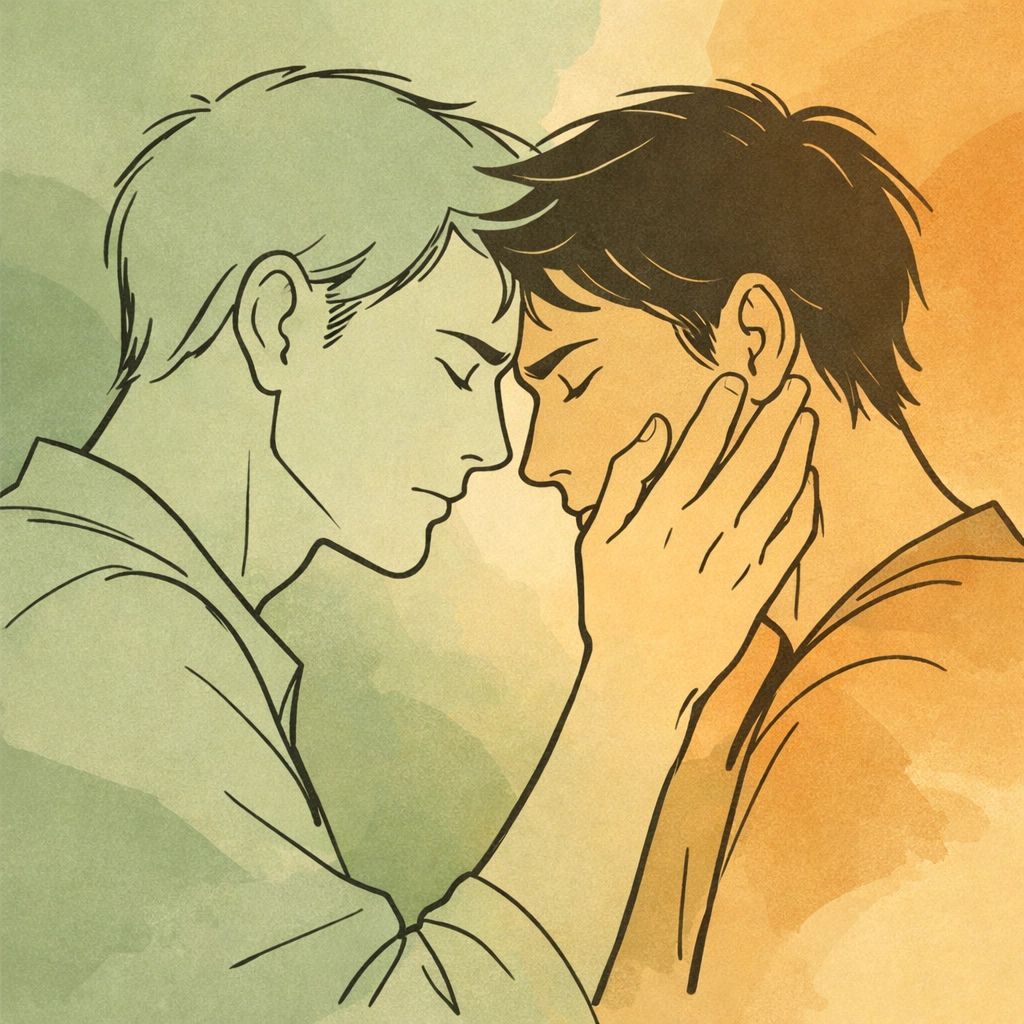
6. Which character's vulnerability felt the most 'dangerous' or revolutionary to you?
There's vulnerability, and then there's vulnerability, the kind that could destroy you if it lands wrong. Which character took that risk, and did it pay off?
7. How did the presence (or absence) of 'found family' influence the protagonist's growth?
Biological family fails us. Found family saves us. Or sometimes, found family becomes its own complicated mess. Either way, it's central to gay novels and MM romance.
8. For stories involving nudism or body positivity: How did physical exposure lead to emotional exposure?
This is particularly relevant for books like The Unadorned Self (more on that below). Stripping away clothing often strips away pretense. What truths emerged?
9. Was the primary conflict rooted in internal shame or external societal pressure, and which felt more poignant?
Sometimes the call is coming from inside the house. Sometimes it's the world beating down your door. Both are valid antagonists in queer fiction.
10. If you could give the protagonist one piece of advice from your own life journey, what would it be?
The ultimate empathy exercise. What do you know now that you wish you'd known then? What would you tell this character if you could reach through the page?
Dick Ferguson's Books: Your Book Club Starter Pack
If you're looking for that perfect first selection, the book that'll spark exactly the kind of conversations we've been discussing, start with Coming Into the Light: 60 Ways to Share Your Authentic Self. It's essentially a handbook for vulnerability, a roadmap for shedding the masks we discussed in question #2.
For your second meeting? The Unadorned Self explores themes of nudism, body acceptance, and the radical act of being seen, truly seen, without armor. It's literary, it's lyrical, and it'll give your group plenty to unpack.
Browse the full collection of LGBTQ+ fiction, gay romance books, and MM novels at dickfergusonwriter.com or discover more curated queer fiction at Read with Pride.
Your Invitation to Build Something Beautiful
Starting an LGBTQ+ book club in 2026 isn't just about reading with pride, it's about living with pride, connecting with pride, and creating spaces where authentic queer love (on the page and in real life) can be celebrated, examined, and honored.
You don't need a perfect plan. You don't need a massive budget. You just need curiosity, courage, and a willingness to say, "Hey, want to read this gay book with me and talk about our feelings?"
The rest will follow.
When you start your club, share your journey! Tag #DickFergusonBooks and #ReadWithPride so we can celebrate your community-building.
Follow Dick Ferguson for more on LGBTQ+ literature, MM romance, and authentic queer storytelling:
📸 Instagram: @dickfergusonwriter
🐦 X/Twitter: @DickFergus94902
📘 Facebook: Dick Ferguson Writer
📚 Discover more: Read with Pride
#LGBTQBookClub #QueerLiterature #MMRomance #GayBooks #ReadWithPride #ComingOut #AuthenticQueerLove #GayRomanceBooks #MMFiction #QueerFiction #ReadingWithPride

Leave a Reply
You must be logged in to post a comment.