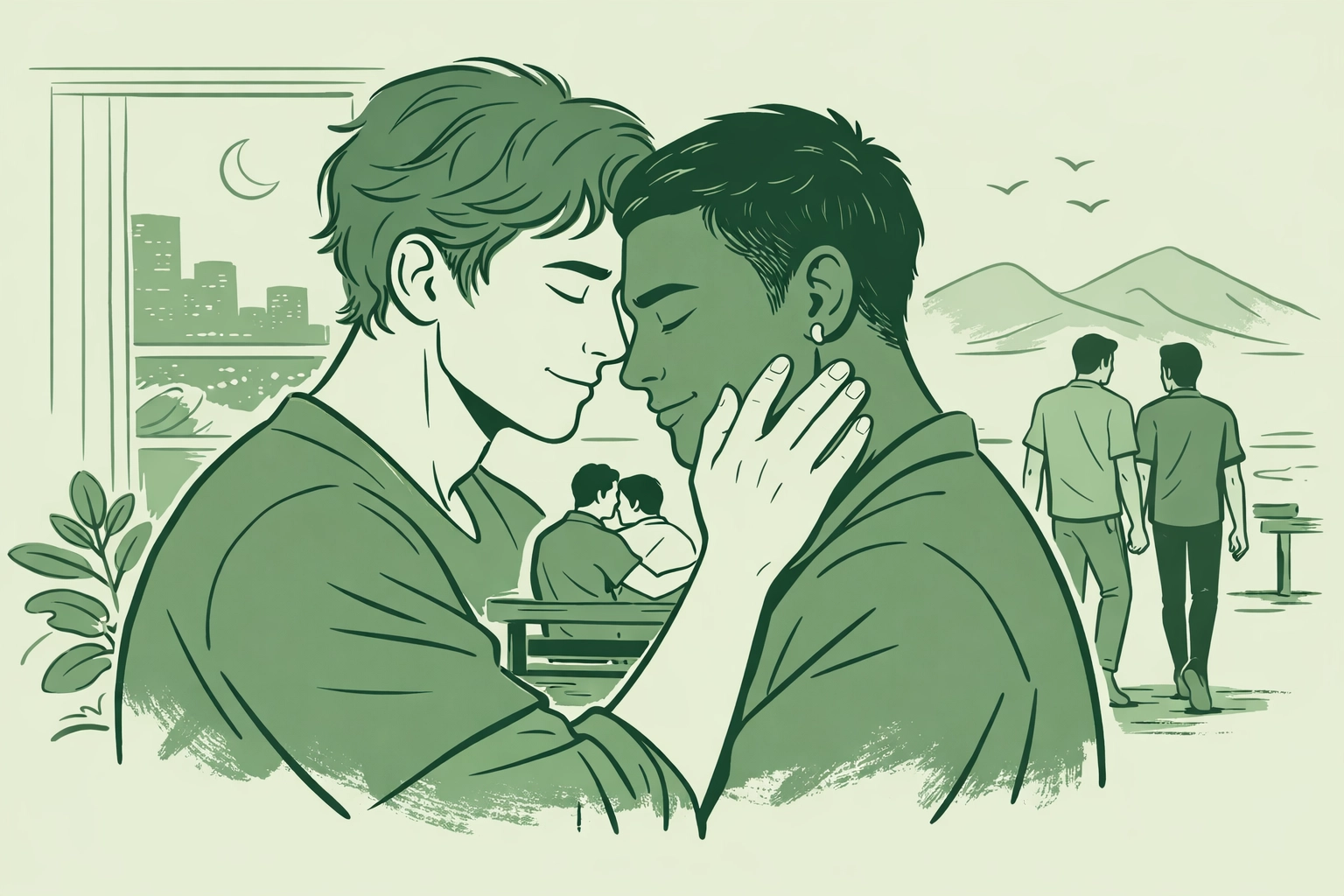
Let’s be real for a second: the world loves a neat little box. For a long time, fiction: especially romance and mainstream drama: has been obsessed with the "He" and the "She." We’ve been fed a steady diet of stories where gender is a rigid tracks-on-a-train-line situation. But if you’re part of the LGBTQ+ community, or even just a keen observer of the human experience, you know that gender is more like a vast, open ocean than a narrow set of tracks.
Today, we’re diving deep into the beauty of being non-binary and why living beyond the binary gaze isn’t just a political statement: it’s a literary revolution. At Read with Pride, we believe every reader deserves to see themselves reflected in the pages of a great book. Whether you’re looking for MM romance, gay novels, or high-angst queer fiction, the inclusion of non-binary identities is changing the game for the better.
The "Alien" Problem: A History of Othering
For decades, if you wanted to find a non-binary or gender-fluid character in a book, you usually had to look toward the stars. Literally.
Early speculative fiction, like Ursula K. Le Guin’s The Left Hand of Darkness, did some heavy lifting by introducing worlds where gender didn't function the way it does here. While these stories were groundbreaking, they unintentionally created a bit of a "trap." By making non-binary identities the province of aliens, magical beings, or robots, it sent a subtle message: to be non-binary is to be non-human.
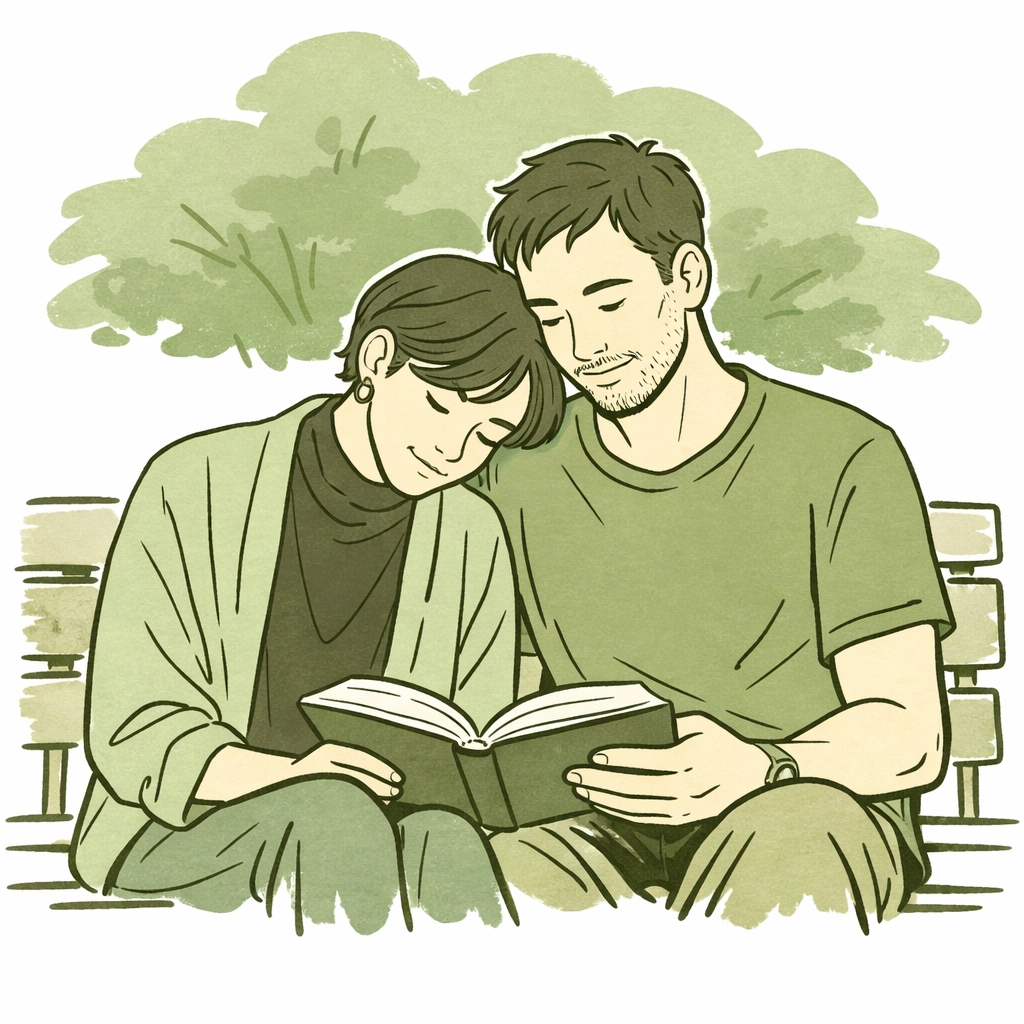
In modern gay literature and LGBTQ+ fiction, we are finally seeing a shift. We’re moving away from the "otherworldly" trope and placing non-binary people exactly where they belong: in the coffee shops, the high-stakes boardrooms, the messy bedrooms, and the heartfelt gay love stories of our own world. When a character is non-binary and also just happens to be a human dealing with a grumpy boss or a complicated MM romance, it validates the lived reality of thousands of readers. It says, "You are here, you are human, and your story is worth telling."
Why Representation Is a Lifeline
We often talk about "representation" as a buzzword, but for a young person questioning their identity, it’s a lifeline. Imagine growing up and only seeing two options for who you can be. Then, you pick up one of the best MM romance novels or a contemporary queer fiction piece, and you meet a character who uses they/them pronouns. They aren't a sidekick, and they aren't a tragedy: they are the lead.
That "mirror effect" is powerful. It provides a vision of possibility. When authors like Alison Evans or Hal Schrieve write human non-binary protagonists, they aren't just telling a story; they’re constructing a world where gender operates on a different framework. This challenges the "binary gaze": the assumption that the world must be divided into two halves: and allows all of us to breathe a little easier.
Breaking the Binary Gaze in MM Romance
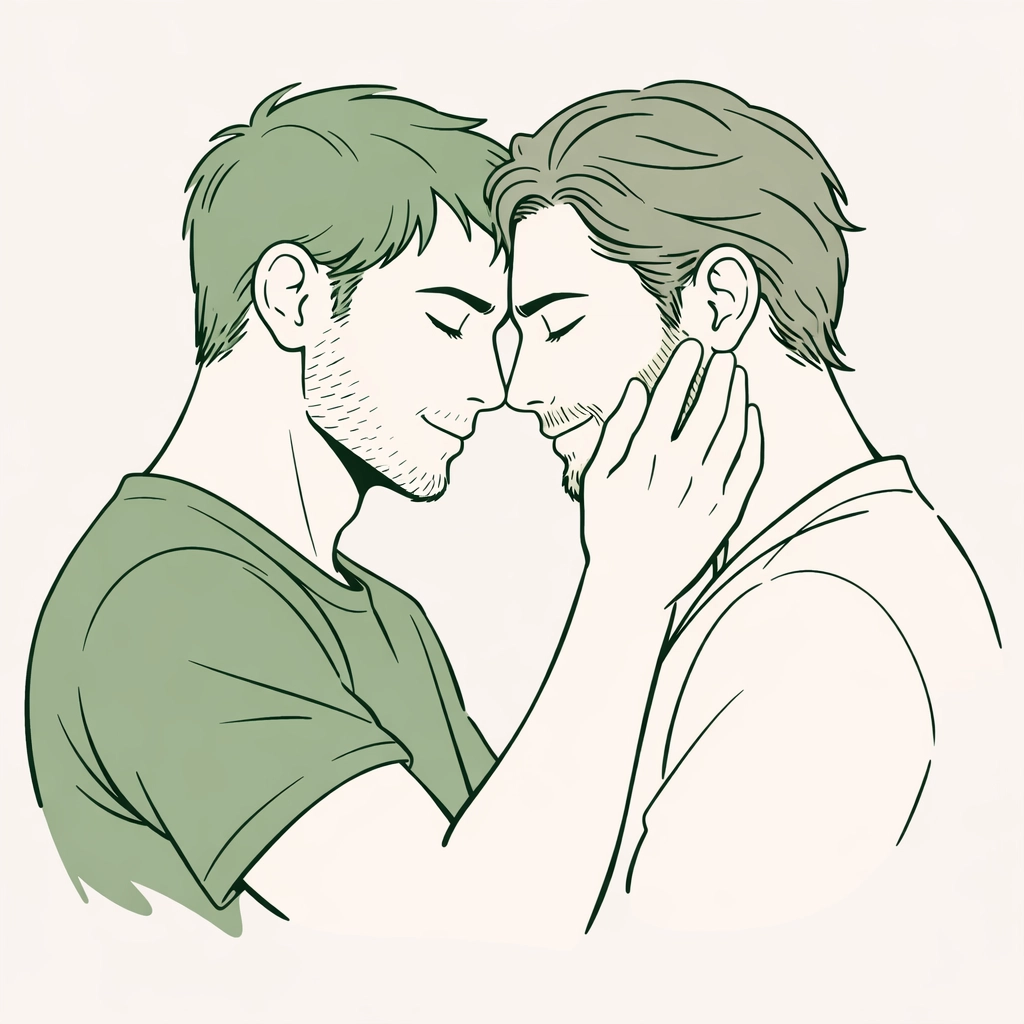
You might wonder how non-binary representation fits into the world of MM romance or gay fiction. The truth is, the "M" in MM is expanding. Many readers and authors are embracing the idea that "manhood" is a broad spectrum, and many non-binary people feel a strong connection to the gay male community or "masculine-of-center" identities.
In MM novels, we are seeing more "they/them" love interests or protagonists who identify as trans-masculine or non-binary. This adds a beautiful layer of emotional depth to the "Emotionally Invested Reader." It’s not just about the physical attraction; it’s about the soul-deep recognition of another person. It explores themes of vulnerability, the courage to be oneself, and the joy of finding a partner who sees you exactly as you are, without trying to shove you back into a box.
If you’re looking for stories that push these boundaries, check out our selection of LGBTQ+ ebooks at the Read with Pride store. We specialize in gay romance books that don't shy away from the complexities of modern identity.
The Shift Toward Authentic Humanity
The most exciting trend in 2026 gay books is the normalization of the non-binary experience. We’re seeing narratives where multiple queer characters exist in the same space, all at different stages of their journey. This is crucial because it avoids the "token" trap. When you have one non-binary character, they have to represent everyone. When you have three, they can just be themselves.
Authentic representation also means moving past the "coming out" or "transition" story as the only narrative available. While those stories are important, non-binary people also want to read about:
- Gay historical romance where gender roles are subtly subverted.
- Gay thrillers or gay psychological thrillers where the protagonist’s gender is just one facet of their complex personality.
- MM fantasy where magic systems reflect the fluid nature of identity.
By focusing on the humanity of the character: their flaws, their dreams, their sense of humor: writers are dismantling the "alien" stigma once and for all.
How to Support the Movement
As readers, we have a lot of power. The publishing industry responds to what people buy and talk about. If you want to see more popular gay books featuring diverse gender identities, here’s what you can do:
- Buy the books: Support queer authors and MM authors who are doing the work.
- Leave reviews: Let other readers know why a particular gay love story resonated with you.
- Join a gay book club: Discussing these themes helps normalize them and introduces you to new gay releases you might have missed.
- Read with Pride: Explore platforms like Readwithpride.com that prioritize inclusive storytelling.
Final Thoughts: The Beauty of the In-Between
Living beyond the binary gaze is about more than just pronouns; it’s about the freedom to exist without apology. It’s about the beauty of the "in-between" and the "both" and the "neither." In the world of gay fiction and MM romance books, this representation enriches the narrative landscape for everyone. It makes our stories more vibrant, more honest, and ultimately, more romantic.
Because at the end of the day, love isn't binary. It’s human.
Follow us on social media for more queer book talk!
- Instagram: https://www.instagram.com/dickfergusonwriter
- X (Twitter): https://www.x.com/DickFergus94902
- Facebook: https://www.facebook.com/profile.php?id=61572869844598
- Website: www.readwithpride.com
Check out our full collection of LGBTQ+ eBooks here: Read with Pride Store
Penny’s Daily Blog Recommendations for Dick:
- "The Slow Burn Revolution: Why High-Angst MM Romance Keeps Us Hooked" – A deep dive into the psychology of the "Emotionally Invested Reader" and the tropes that make our hearts ache.
- "Beyond the Regency: Exploring New Eras in Gay Historical Romance" – Looking at the 1920s, the 70s, and other under-represented eras in gay literature.
- "From Enemies to Lovers: Why This Trope Dominates Top LGBTQ+ Books in 2026" – An analysis of the tension and payoff in the most popular MM romance books.
#MMRomance #NonBinary #QueerFiction #LGBTQBooks #GayLiterature #ReadWithPride #GayRomance #MMBooks #GenderFluid #BookRecommendations #GayAuthors #2026Books

Leave a Reply
You must be logged in to post a comment.