

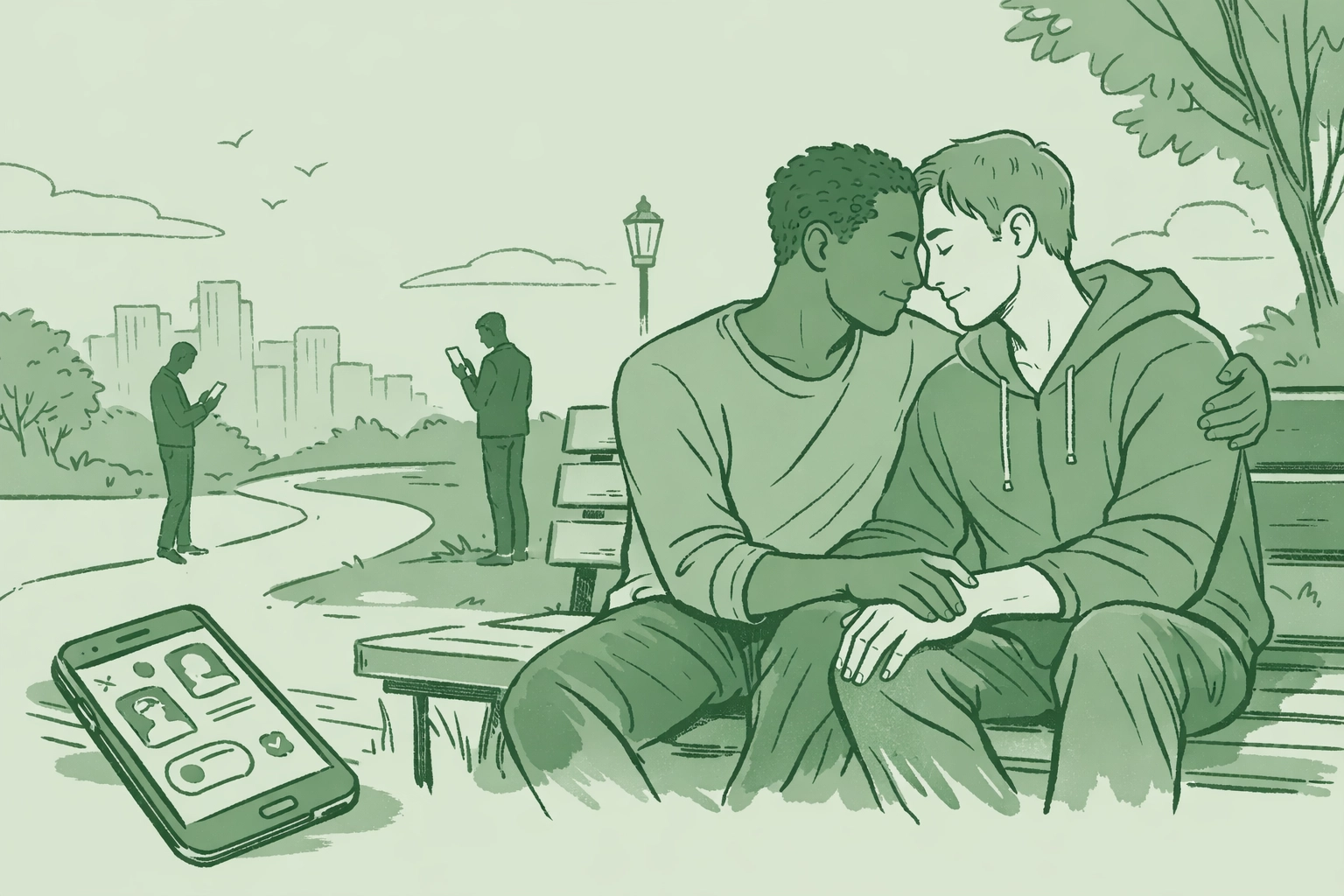
We were promised connection. Swipe right, match instantly, meet your soulmate by Thursday. The queer dating app revolution was supposed to liberate us, no more cruising bars, no more wondering who's into you, no more small-town isolation. Just open the app, and there they are: hundreds of gay and bisexual men within a five-mile radius, all looking for… what, exactly?
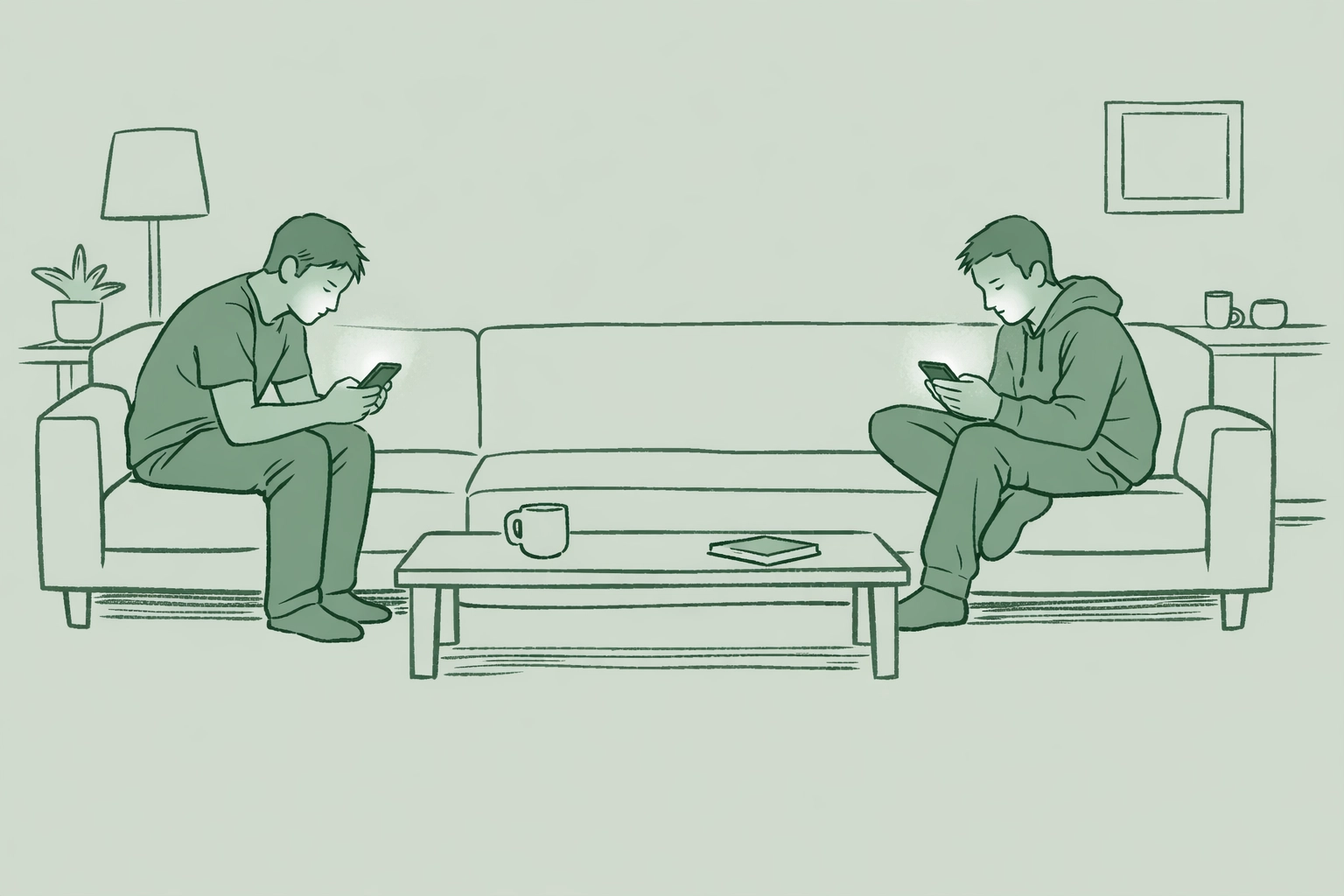
If you're reading this while half-watching Netflix with one eye on Grindr, feeling simultaneously overwhelmed by options and utterly alone, you're not imagining things. Dating apps promised us queer connection, but delivered something closer to a never-ending catalog of human beings we can scroll past like products we're not quite ready to buy.
Welcome to the digital disconnect, where we're more "connected" than ever and lonelier than we've ever been.
The Paradox of Choice: When Everything Feels Like Nothing
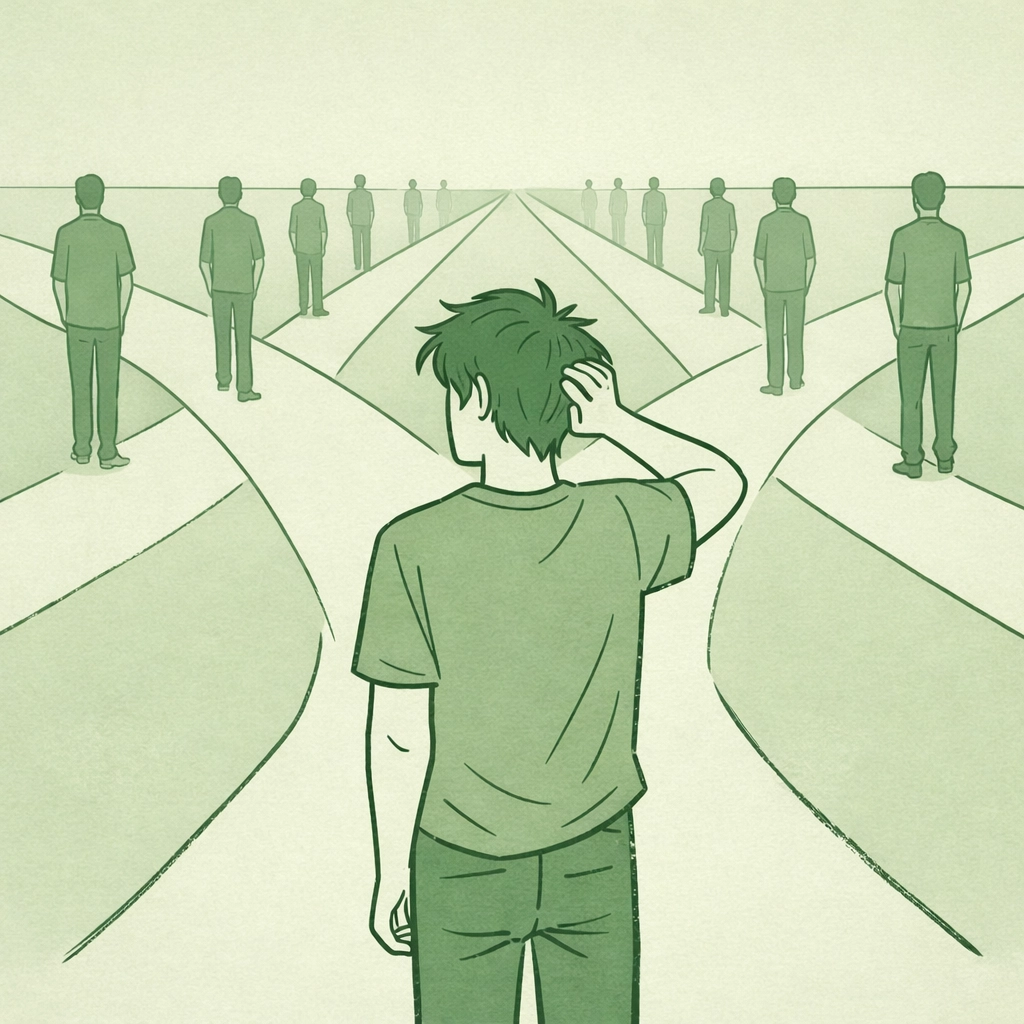
Here's the cruel irony: having 500 potential matches doesn't make finding love easier. It makes it damn near impossible.
Psychologists have a term for this, choice overload. When we're presented with too many options, we become paralyzed, unable to commit to any single choice because we're terrified we're missing out on something better. And in the world of gay dating apps, there's always someone who seems better just one more swipe away. Taller, funnier, more muscular, better lighting in their photos.
So what do we do? We keep the conversation surface-level. We hedge our bets. We maintain three simultaneous text threads while meeting none of them in person. We turn human beings into spreadsheet entries, mentally noting pros and cons: "Great smile, but lives 20 minutes away, too far." "Perfect body, but uses the wrong emoji."
The person in front of us, whether digitally or physically, never gets our full investment because we're constantly wondering if we're "settling." Researcher Sherry Turkle nailed it when she observed that we've started expecting "more from technology and less from one another," seeking the "illusion of companionship without the demands of relationship."
And brother, real relationships are demanding. They require vulnerability, presence, and the willingness to be disappointed. Apps let us avoid all that messy humanity until we're ready, which, conveniently, is never.
Beyond the Profile: From 2D to 3D Without Losing the Spark
Let's say you've managed to have a decent chat. The banter's good, he seems normal (low bar, we know), and you're thinking about actually meeting. But how do you bridge that gap from profile to person without the whole thing deflating?
First: move off the app quickly. If the conversation is flowing, suggest a phone call or video chat within the first few exchanges. Yes, it feels vulnerable. Yes, he might say no. But if someone's not willing to have an actual conversation before meeting, they're probably not serious about finding real intimacy anyway.
Second: suggest a specific plan. "Want to grab coffee sometime?" is too vague and puts all the planning burden on continued messaging. Try "There's a great coffee shop in Old Street, are you free Saturday afternoon?" Concrete plans filter out the time-wasters and show you're a functional adult capable of making decisions.
Third: keep digital communication minimal once you've got a date set. Don't text constantly between setting the date and the actual meetup. Save the conversation for when you're face-to-face. The spark dies when you've already exhausted all your good stories via text.
The Dick Ferguson Connection: Fear of Being Seen
If you've read any of Dick Ferguson's MM romance novels, you know his characters are masters of self-sabotage. They want connection desperately, but the moment intimacy demands they be fully seen, flaws, fears, and all, they bolt.
Sound familiar?
Dating apps are the perfect hiding place for this exact fear. Behind a carefully curated profile, we control exactly what others see. Good angles only. Witty bio that took three hours to write. Photos from that one weekend we looked amazing.
In The Campaign for Us, Ferguson explores how public personas can become shields against genuine vulnerability. His protagonists must learn that being truly loved requires being truly known, something that's impossible when you're constantly performing a highlight reel of yourself.
Apps allow us to present Version 2.0 of ourselves while keeping Version 1.0 (the messy, insecure, occasionally boring one) safely hidden. But that's not connection. That's marketing. And you can't build intimacy with a personal brand.
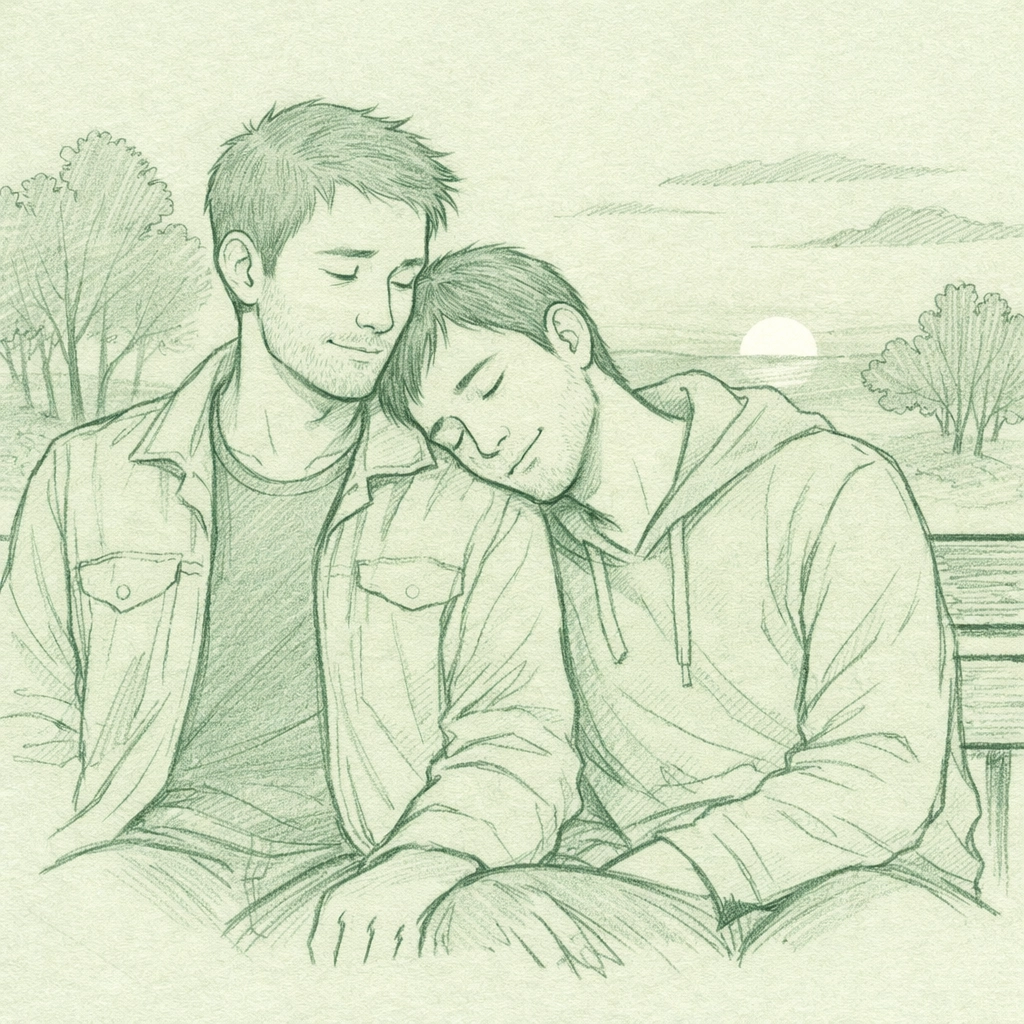
Real connection happens when someone sees you at your most ordinary, morning breath, questionable fashion choices, that weird thing you do when you're anxious, and chooses you anyway. Dating apps let us delay that moment of truth indefinitely, always keeping one foot out the door.
Reclaiming Intimacy: Why "Old School" Still Matters
Here's the uncomfortable truth: if you want real intimacy, you need to make real effort. Not the "Hey, u up?" text at midnight. Not the low-investment "let me know when you're free" message that puts all the planning on the other person. Actual effort.
Phone calls still matter. They force you to be present in a way texting doesn't. You can't be half-distracted, scrolling Instagram while someone's talking. You have to listen, respond, engage. It's training wheels for in-person intimacy.
Planned dates still matter. Meeting at a specific time and place shows you value the other person enough to organize your life around them. It demonstrates intentionality, which is sexy as hell in an age of casual hookups and "we should hang out sometime" that never happens.
Being present still matters. Put the phone away during dates. Not on the table "just in case." In your pocket or bag. The person across from you deserves your full attention, not the scraps left over after you've checked your notifications.
Set boundaries with technology. Delete the apps for a week and see what happens. Resist the urge to check your phone every five minutes when you're with someone. Create space for boredom, for silence, for the awkward getting-to-know-you phase that apps let us skip past.
Because here's the secret nobody wants to admit: the discomfort is where intimacy lives. The awkward silences, the vulnerable admissions, the moment when you take off your armor and let someone see who you really are: that's when connection happens. Apps let us avoid that discomfort indefinitely, which means we avoid connection indefinitely.
Technology Is a Tool, Not a Destination
Look, dating apps aren't evil. They've genuinely helped countless queer men find love, community, and connection. For those in rural areas or conservative environments, they can be lifelines. The problem isn't the technology: it's how we've let it replace, rather than facilitate, human connection.
The app is supposed to be the introduction, not the relationship. It's the doorway, not the house. But somewhere along the way, we started living in the doorway, swiping endlessly, having surface-level chats with strangers we'll never meet, convincing ourselves that this is dating.
Real intimacy happens when the screens go dark. When you're sitting across from someone, making eye contact, laughing at their jokes in real time rather than responding with the crying-laughing emoji. When you're nervous and excited and present and fully, terrifyingly yourself.
The characters in Ferguson's novels: like those in The Silent Heartbeat or Velvet Nights and Broken Dreams: ultimately discover that love requires risk. You can't protect yourself from heartbreak and experience true connection. It's one or the other.
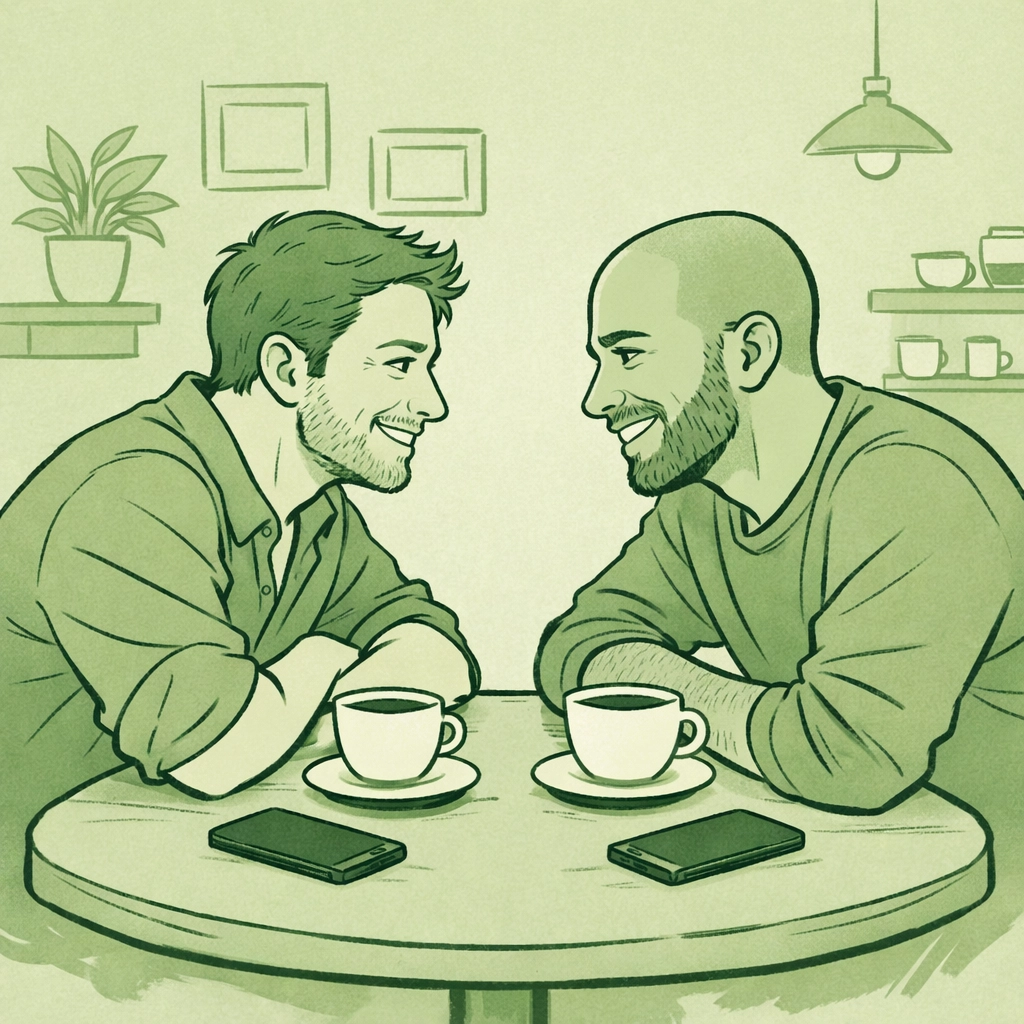
So here's your challenge: this week, have one real conversation. Phone call, video chat, or in-person. No apps, no texting, no ability to carefully craft your responses. Just two human beings, trying to connect in real time, messiness and all.
It might be awkward. You might stumble over your words. He might not be the "perfect" match your spreadsheet brain was hoping for. But you'll be present, and presence is where intimacy begins.
Because at the end of your life, you won't remember the 10,000 profiles you swiped through. You'll remember the people who saw you: really saw you: and stuck around anyway.
And that's worth putting down the phone for.
Explore more stories about authentic gay connection and the messy reality of love at dickfergusonwriter.com and discover resources for living openly at readwithpride.com.
Follow us on social media:
- Instagram: @dickfergusonwriter
- X/Twitter: @DickFergus94902
- Facebook: Dick Ferguson Writer
#ReadWithPride #MMRomance #GayRomance #LGBTQFiction #QueerConnection #GayDatingApps #DickFerguson #DigitalIntimacy #GayLoveStories #GrindrFatigue #AuthenticConnection #QueerFiction #GayBooks #MMBooks #LGBTQBooks #ReadingWithPride

Leave a Reply
You must be logged in to post a comment.