

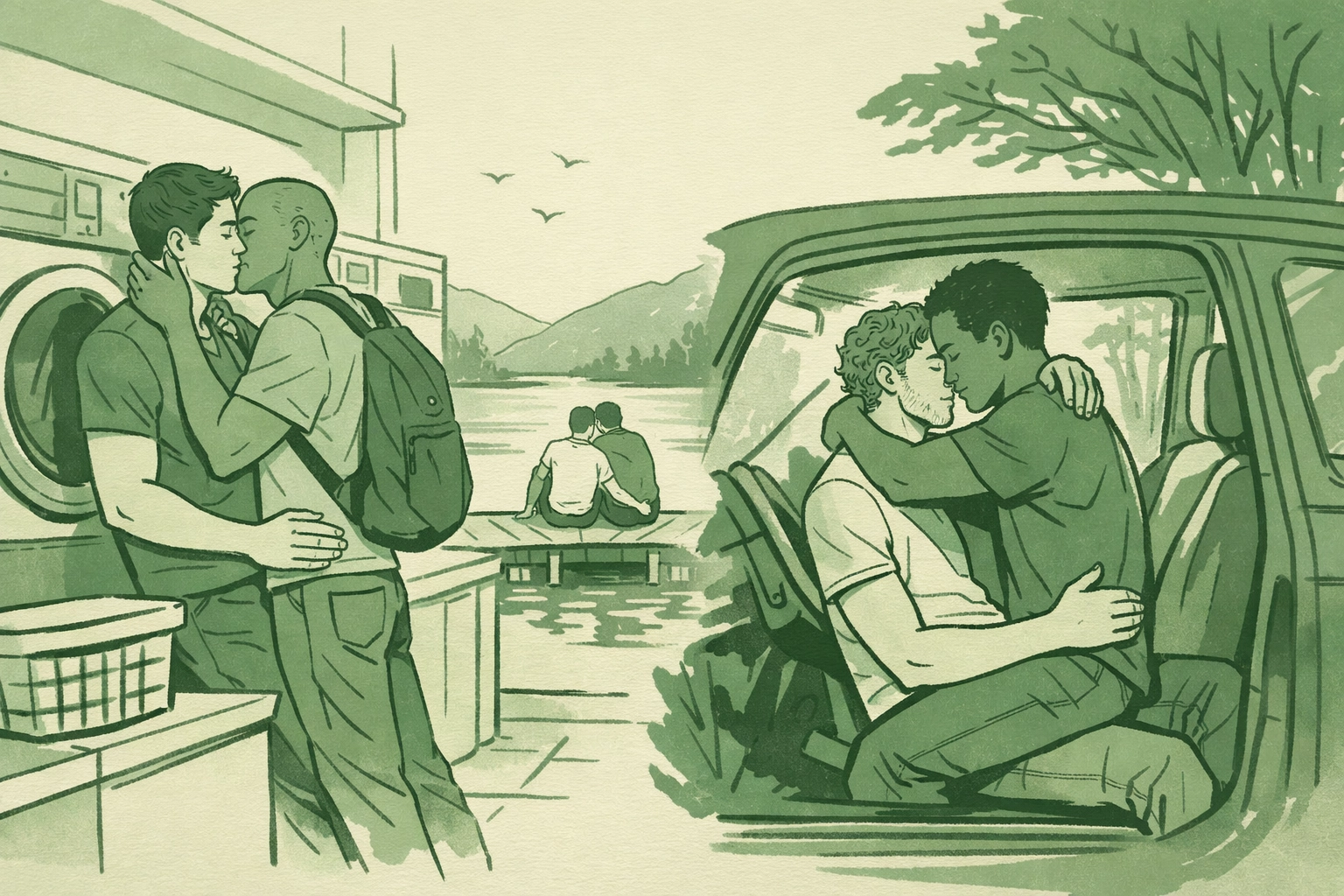
There's something electric about breaking routine. When two men find themselves drawn together, especially when one is navigating the complexities of bisexuality within a marriage, the bedroom can feel both too safe and too complicated. Sometimes, the most honest moments happen in the most unexpected places.
Dick Ferguson's novels have always understood this truth. From the rain-soaked alleyways in The Phoenix of Ludgate to the secluded forest clearings in On a Steady Course, location isn't just a backdrop, it's a participant in the intimacy itself. The places where desire ignites tell us as much about the connection as the touch itself.
The Psychology of Place
Research confirms what many MM romance readers instinctively understand: novelty heightens arousal. When a married bisexual man steps outside his daily routine to meet another man, every detail becomes amplified. The concrete wall against his back. The distant sound of traffic. The risk of discovery humming beneath every breath.
This isn't just about the thrill of potentially getting caught, though that adrenaline certainly plays its part. It's about creating a space separate from obligation. A hotel room during a business trip becomes a sanctuary. A quiet corner of a parking garage transforms into contested territory where desire finally wins. The environment mirrors the internal heat: urgent, immediate, uncontained by the usual boundaries.
In Dick Ferguson's The Campaign for Us, characters discover that location shapes permission. What feels impossible in one context becomes inevitable in another. The threshold they cross isn't just physical, it's psychological.
Urban Landscapes: Gritty and Raw
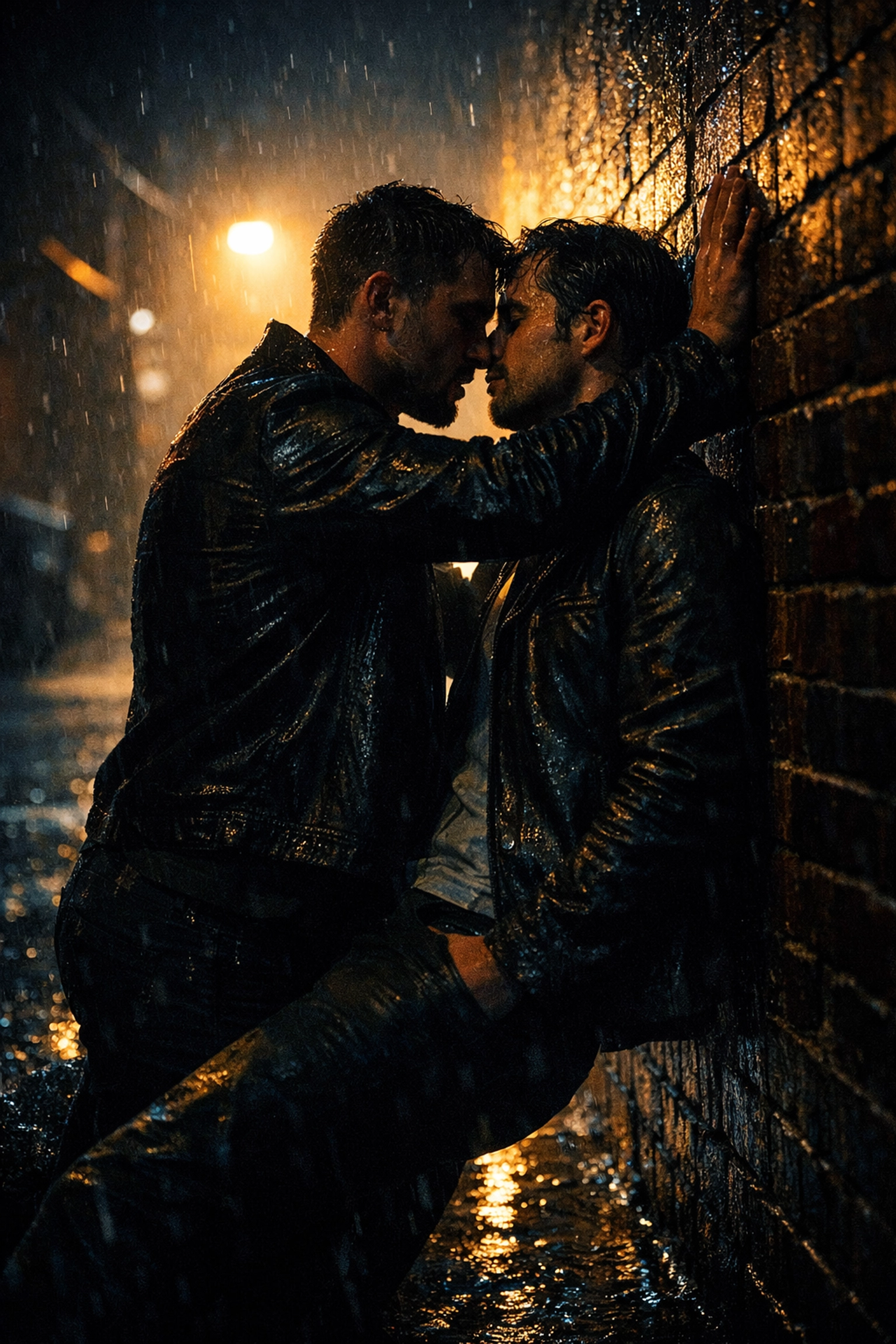
There's something about city settings that strips away pretense. The married man meeting his lover in a downtown parking structure at 2 AM, fluorescent lights buzzing overhead, the smell of exhaust and rain on concrete. No romantic lighting. No carefully curated playlist. Just two bodies finally answering a need that's been building for weeks.
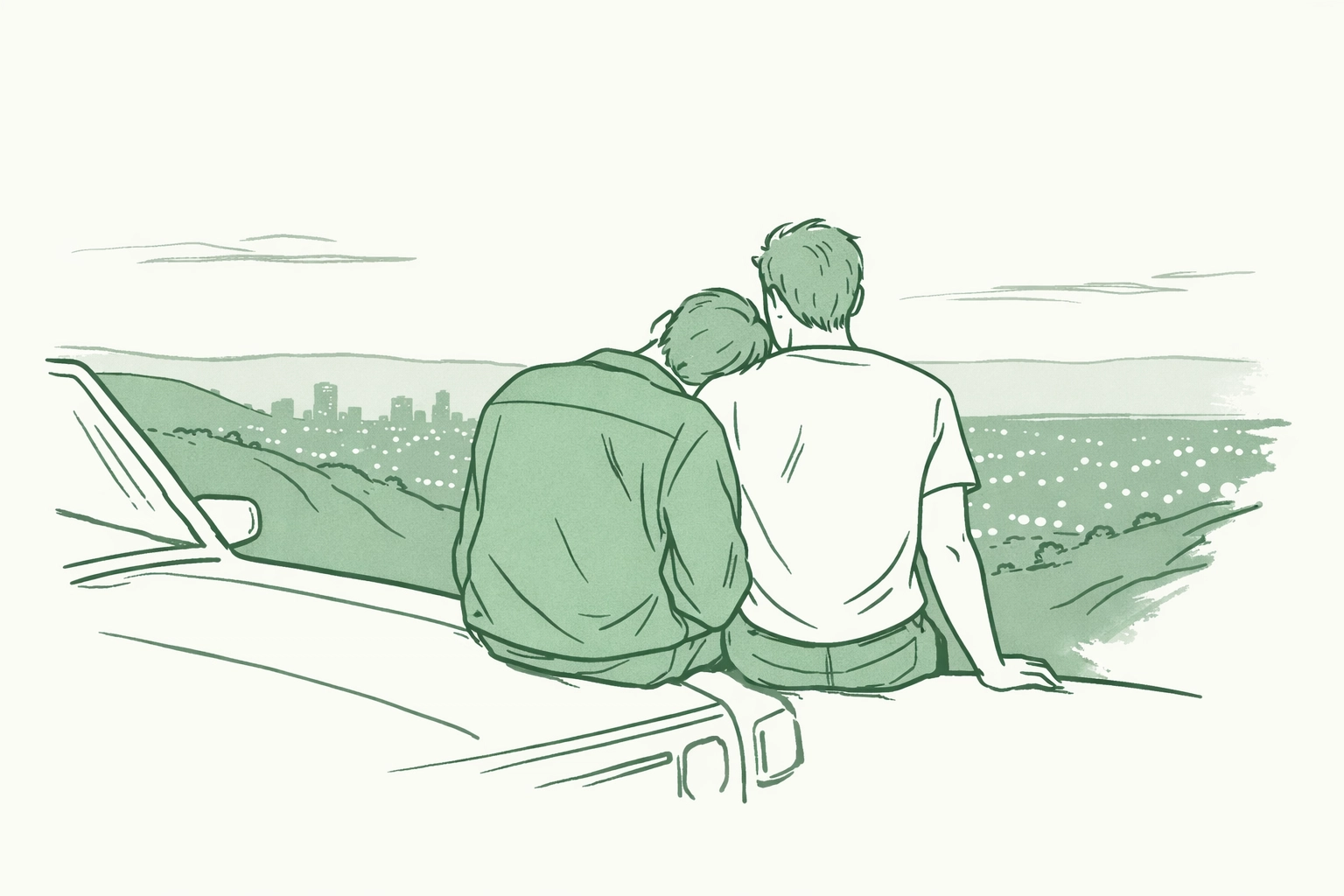
Ferguson's urban scenes crackle with this tension. The elevator that stops between floors. The locked office after hours, city lights spreading out below. The bar bathroom where stolen moments taste like whiskey and desperation. These aren't just settings, they're pressure cookers where desire refuses to wait.
For the bisexual man navigating two worlds, these urban encounters offer something crucial: anonymity and acknowledgment at once. In the city's shadows, he can be fully himself without the weight of his other life pressing down. The grit matches the complexity. Nothing is polished. Nothing is simple. Everything is visceral and true.
Natural Spaces: Where Freedom Breathes
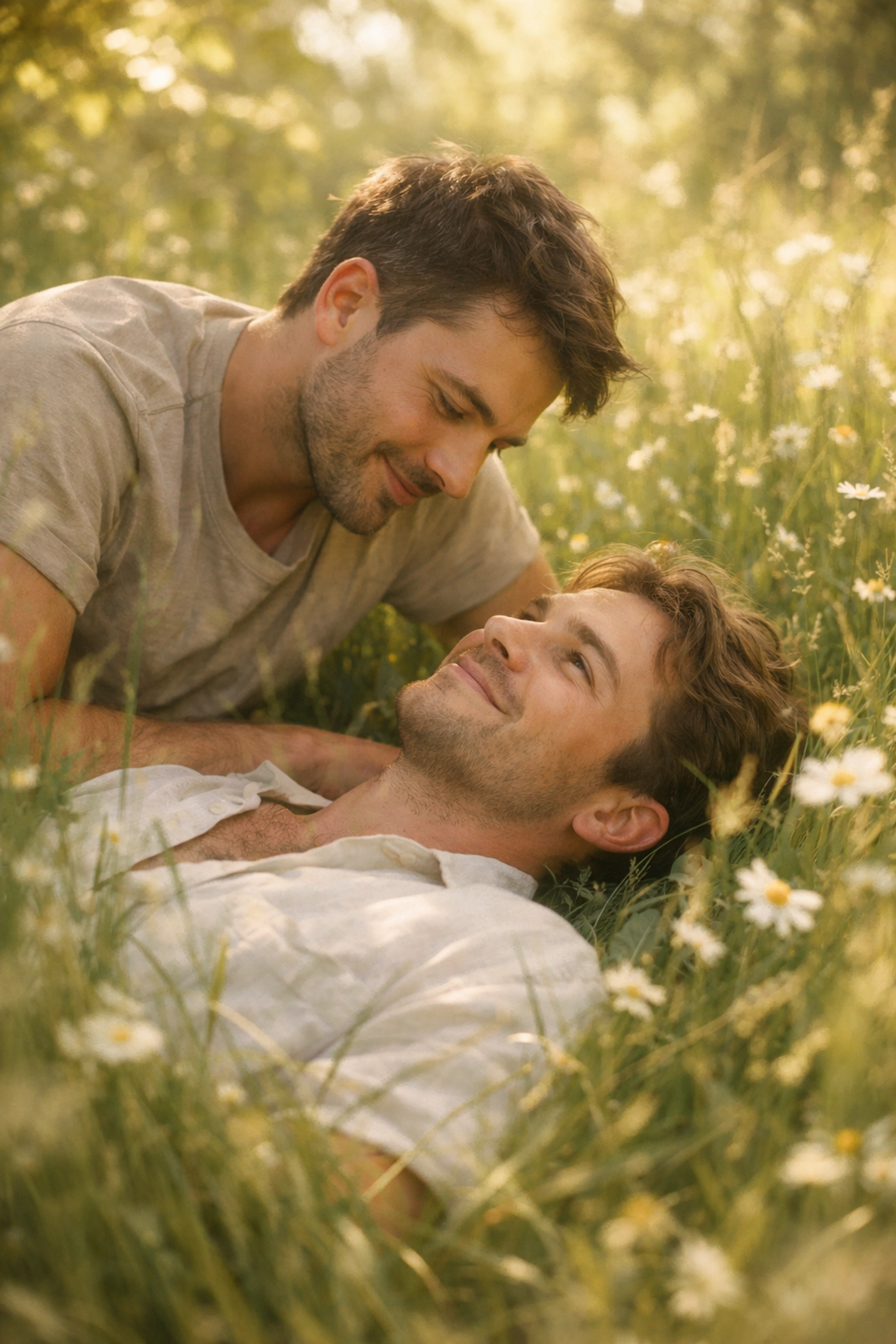
Then there's the opposite pull, the drive out of the city, windows down, heading toward open space where no one knows their names. A secluded lake. A hiking trail that forks away from the main path. The bed of a pickup truck under stars that seem impossibly close.
Nature offers a different kind of permission. Here, the intimacy becomes about expansiveness rather than containment. The married man can exhale. The other man can be patient. They're not stealing time, they're inhabiting it fully.
Dick Ferguson writes these scenes with extraordinary sensory detail. The smell of pine and sweat. The rough bark of a tree trunk. The way water sounds different at night. Grass stains and dirt under fingernails. The natural world becomes a co-conspirator in their desire, offering both concealment and celebration.
There's also profound symbolism in choosing these spaces. For a man questioning or exploring his bisexuality, getting away from the constructed environments of daily life, the house, the office, the familiar haunts, can feel like finally breathing fully. Nature doesn't judge. It simply witnesses.
The Car: Mobile Sanctuary
One of the most frequent settings in real-life MM encounters, and in Ferguson's fiction, is the vehicle. It's simultaneously public and private, moving and still, exposed and protected. The married man's car becomes a confession booth, a meeting place, a boundary crossed.
There's something deeply vulnerable about car intimacy. The cramped space forces closeness. The fogged windows announce what's happening while also concealing it. The steering wheel becomes an obstacle and an anchor. It's awkward and urgent and absolutely necessary.
In The Silent Heartbeat, Ferguson captures this perfectly, the desperation of need meeting the logistics of reality. Not every encounter can be carefully planned. Sometimes it's pulling over on a dark road because waiting another minute is impossible. Sometimes it's finding each other in a parking lot because that's the only space that exists between two complicated lives.
When Risk Becomes Connection
The element of risk in unexpected places serves multiple purposes. Yes, there's the physiological arousal that comes from potential discovery: heart racing, senses heightened, every sound amplified. But for the married bisexual man, that risk carries additional weight.
Each unexpected encounter is a choice. A conscious decision to honor this part of himself despite the complexity it brings to his life. The other man: patient, understanding, equally invested: shares that risk. They become partners not just in pleasure but in truth-telling.
Ferguson's characters often discuss this openly. The vulnerability of saying "I need this" or "I need you" in a semi-public place, where discovery would complicate everything, creates a bond that transcends the physical. The willingness to be seen: or potentially seen: becomes its own form of intimacy.
This theme runs throughout Ferguson's work, especially in titles exploring complex identity like Beyond Boundaries and The Private Self, where characters navigate the space between private truth and public life.
The Morning After Geography
What happens when the unexpected place becomes a memory? When the married man returns to his daily life, does he drive past that parking garage differently? Does the trail where they met feel marked somehow, sacred?
Ferguson understands that geography becomes autobiography. The places where we've been fully ourselves: especially when those moments feel stolen or forbidden: get written into our personal maps. The city transforms. The landscape holds stories.
For readers drawn to MM romance and gay fiction, this resonates deeply. We all have our locations. The places where we first felt seen. Where we took risks. Where ordinary spaces became extraordinary through connection and desire.
Reading the Landscape
Dick Ferguson's complete collection explores these themes across genres: from historical settings in The Berlin Companions to contemporary explorations in Velvet Nights and Broken Dreams. Each location is carefully chosen to reflect the internal journey of characters navigating bisexuality, desire, and identity.
For those drawn to stories where place matters as much as plot, explore the full collection at Read with Pride, featuring diverse LGBTQ+ ebooks that honor the full spectrum of queer experience and MM romance.
Whether you're drawn to steamy MM contemporary romance or heartfelt gay fiction exploring complex relationships, Ferguson's vivid prose brings both the settings and the emotional intimacy to life with unflinching honesty.
Follow Dick Ferguson for more explorations of MM romance, bisexual fiction, and LGBTQ+ literature:
Instagram: @dickfergusonwriter
X/Twitter: @DickFergus94902
Facebook: Dick Ferguson Writer
Discover award-winning gay fiction and MM novels at dickfergusonwriter.com and readwithpride.com
#MMRomance #GayRomance #BisexualFiction #LGBTQBooks #ReadWithPride #GayFiction #QueerLiterature #MMNovels #GayAuthors #ContemporaryGayRomance #LGBTQRomance #GayLoveStories #MMBooks #GayNovels #ReadingWithPride #2026GayBooks #BestMMRomance #SteamyMMRomance #EmotionalGayFiction #QueerAuthors

Leave a Reply
You must be logged in to post a comment.