


The world knows about soldiers on the frontlines. The world celebrates infantry, special forces, the brave men who face enemy fire. But what about the supply officer who ensures those men have boots, ammunition, and the simple dignity of clean socks? What about the love story that unfolds not in trenches, but in requisition forms and carefully rationed letters?
Military logistics romance is one of the most underexplored territories in MM romance books: yet it contains some of the most poignant emotional truths about distance, devotion, and the quiet heroism of waiting.
The Distance Between Supply Lines and Hearts
Captain Marcus Chen runs logistics from a forward operating base in Eastern Europe. His days are spreadsheets, inventory manifests, and the constant calculus of getting critical supplies to soldiers scattered across hostile terrain. Lieutenant James Rowley is infantry: boots on ground, leading patrols through contested zones where every shadow could be a threat.
They meet during a resupply operation. Marcus notices James's unit needs new cold-weather gear: the current issue isn't holding up. James notices Marcus's meticulous attention to detail, the way he personally checks every crate before it goes forward.
"You care," James says simply, helping unload medical supplies.
"Someone has to," Marcus replies. But his eyes linger a moment too long.
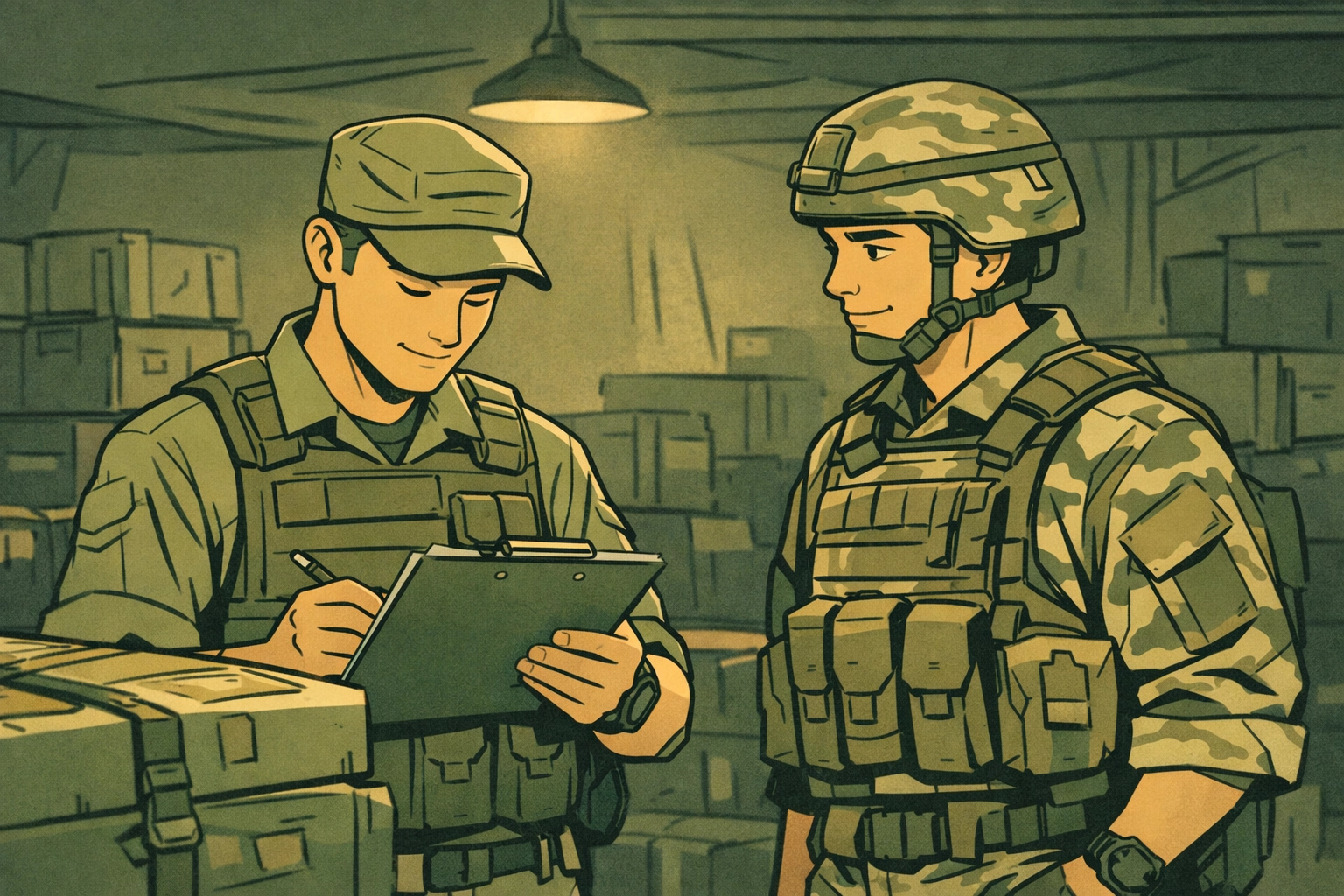
In the military, especially during deployment, relationships develop differently. There's no dating, no casual dinners, no slow courtship over coffee. There's only stolen moments between duty shifts, quiet conversations during convoy preparations, and the unspoken understanding that tomorrow is never guaranteed.
Letters: The Currency of Deployed Love
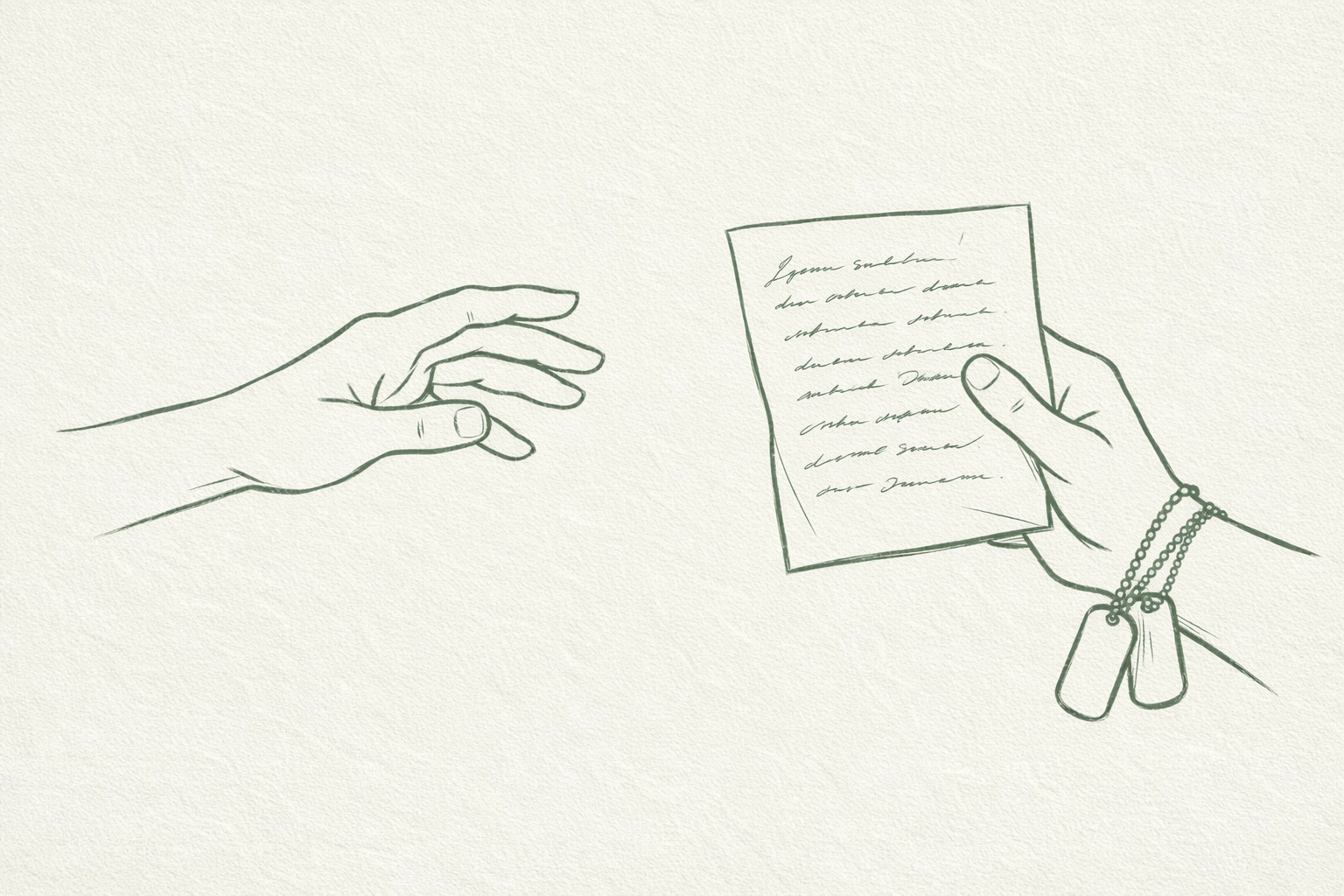
When James's unit deploys deeper into the operational zone, the physical distance becomes absolute. No more brief encounters during resupply. No more shared meals in the dining facility. Just the military postal system and the aching space between them.
Marcus begins including personal notes with supply shipments. Nothing explicit: military mail is monitored: but coded language that carries weight:
"Added extra batteries to your shipment. Thought you might need light in dark places."
James responds through official channels, requesting supplies his unit doesn't really need, just to maintain contact:
"Requesting additional wool socks, size 11. The ones you sent last month have been excellent. Quality matters."
The gay love stories that develop during military deployment carry a particular intensity. Every letter could be the last. Every supply convoy that arrives safely is proof that someone cares whether you live or die. Long distance military love isn't about romance: it's about survival, both physical and emotional.
The Emotional Weight of Waiting
Marcus lives in a state of constant low-level anxiety. Every time the operations center reports contact in James's sector, his stomach clenches. He monitors casualty reports with a dread that goes beyond professional concern. He learns to read between the lines of James's letters, detecting exhaustion, fear, and the careful optimism that soldiers develop to stay sane.
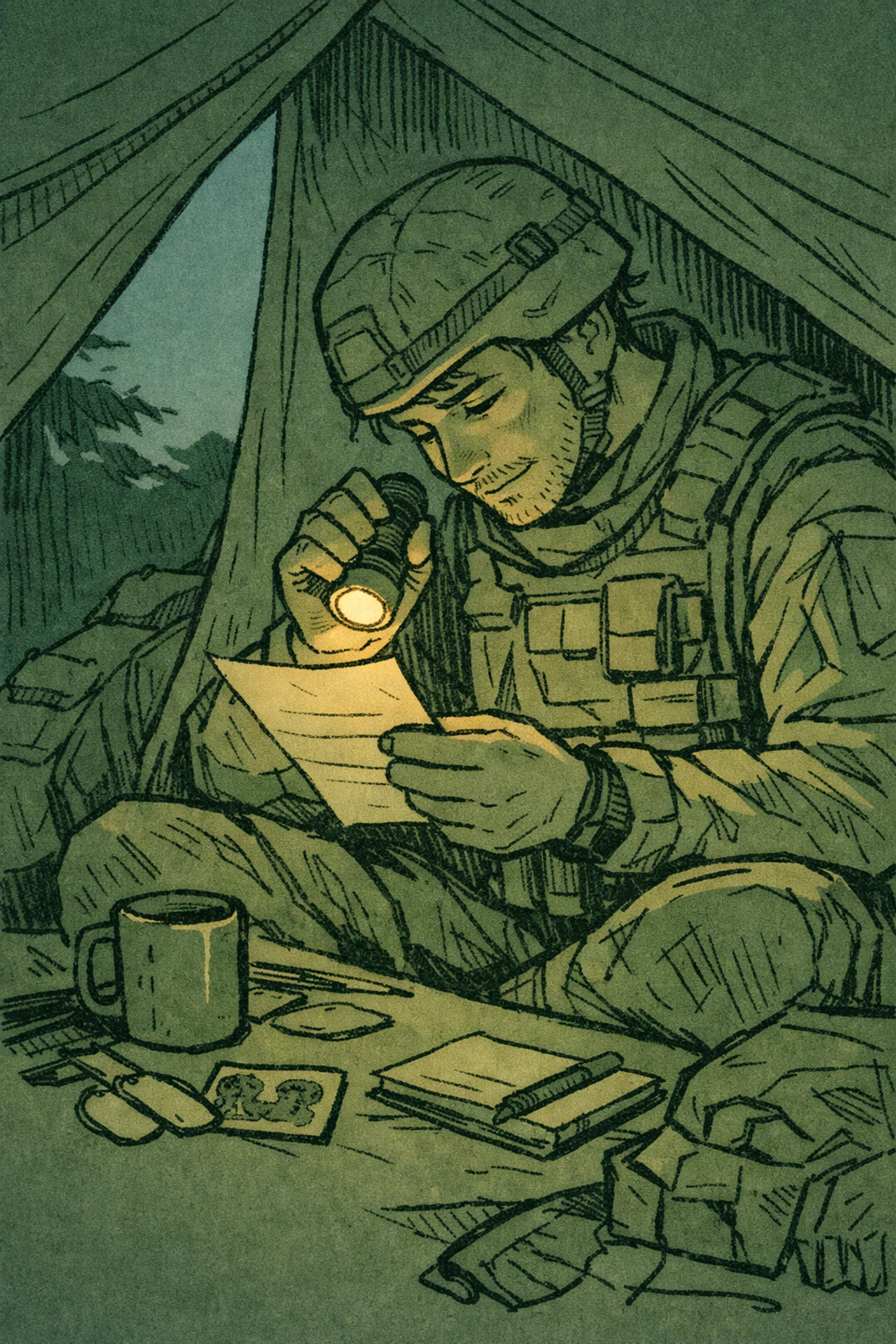
James, meanwhile, carries Marcus's letters like talismans. On patrol, during the long hours of watching and waiting, he rereads them. The mundane details of warehouse operations become poetry: a reminder that there's a world beyond violence, a future beyond deployment.
This is the reality of deployment love stories: one person fighting to stay alive, the other fighting to keep them supplied, both fighting the crushing weight of separation.
The beauty of MM army logistics romance lies in its realism. These aren't men who can call each other every night. They can't video chat or send instant messages. Communication is delayed, censored, uncertain. Yet the connection deepens precisely because of these constraints.
When Supply Becomes Survival
Three months into the deployment, James's unit takes casualties. Not killed: thank God: but wounded badly enough to require evacuation. Marcus learns about it through official channels before he receives James's letter explaining what happened.
The letter, when it arrives, is brief:
"We're okay. Lost some good men but we're okay. The medical supplies you sent last week: they saved lives. Thank you."
Marcus sits in his empty office and cries. Not just relief, but the overwhelming recognition that his work: his obsessive attention to detail, his midnight inventory checks, his refusal to let substandard equipment go forward: matters in ways that transcend logistics.
He writes back immediately:
"Your safety matters more than any supply line. Come home."
It's the closest either has come to acknowledging what's growing between them. In the military, especially during deployment, such admissions carry risk. But some truths become too heavy to carry alone.
The Unsung Heroes
LGBTQ+ fiction set in military contexts often focuses on combat or command. But the real stories: the ones that resonate with authenticity: recognize that war is 90% logistics and 10% fighting. Every bullet, bandage, and meal represents someone's labor, someone's care.
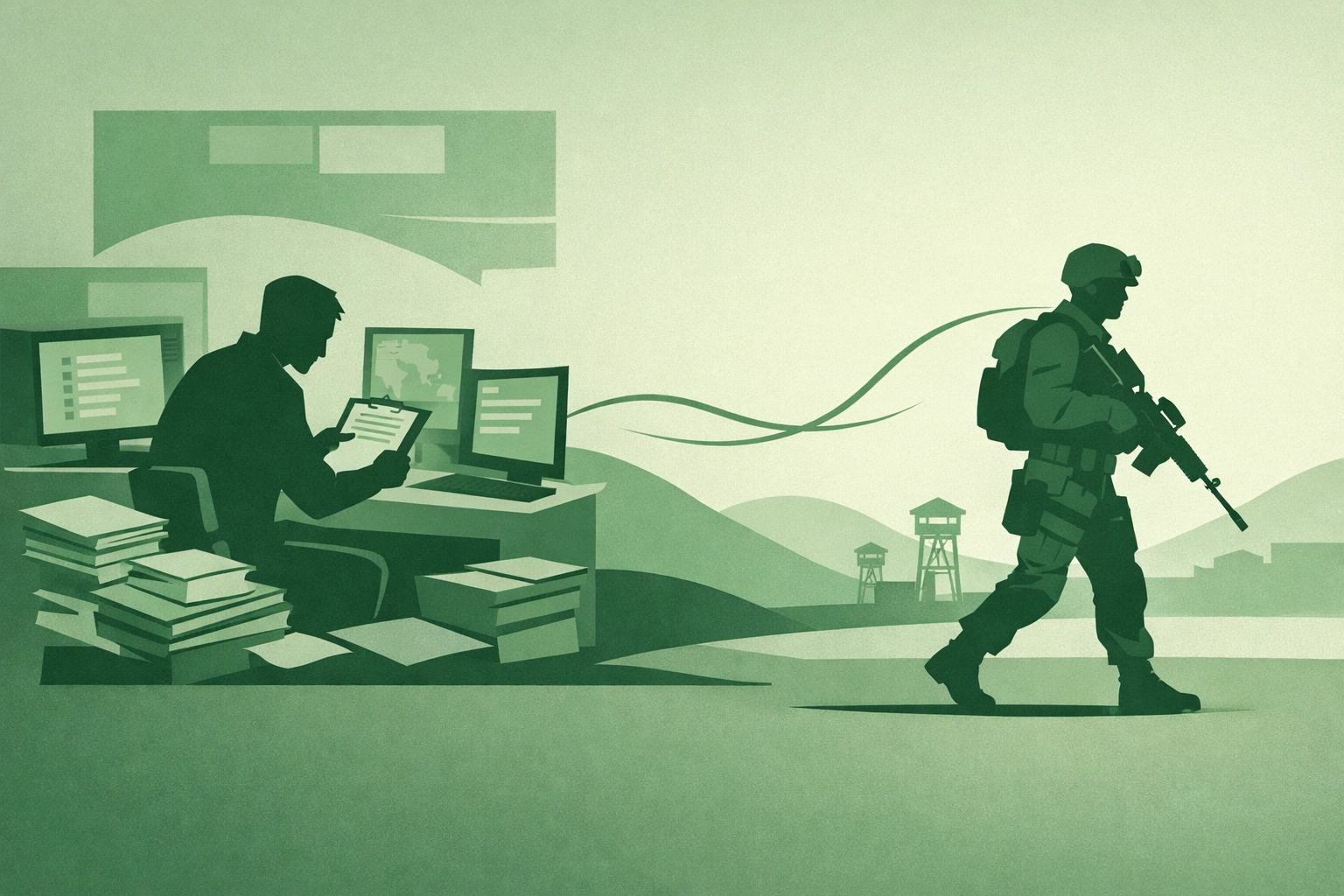
Marcus is part of that invisible infrastructure. He doesn't carry a rifle into combat. He carries the weight of ensuring thousands of soldiers have what they need to survive. It's unglamorous work. There are no medals for perfect inventory management.
But when James writes, "The water purification tablets you expedited last week prevented half my platoon from going down with dysentery," Marcus understands his own form of heroism.
This is what gay romance books exploring military life should celebrate: not just the warriors, but the people who keep them alive. The supply officers, mechanics, medics, and communications specialists whose work makes victory possible.
The Reunion
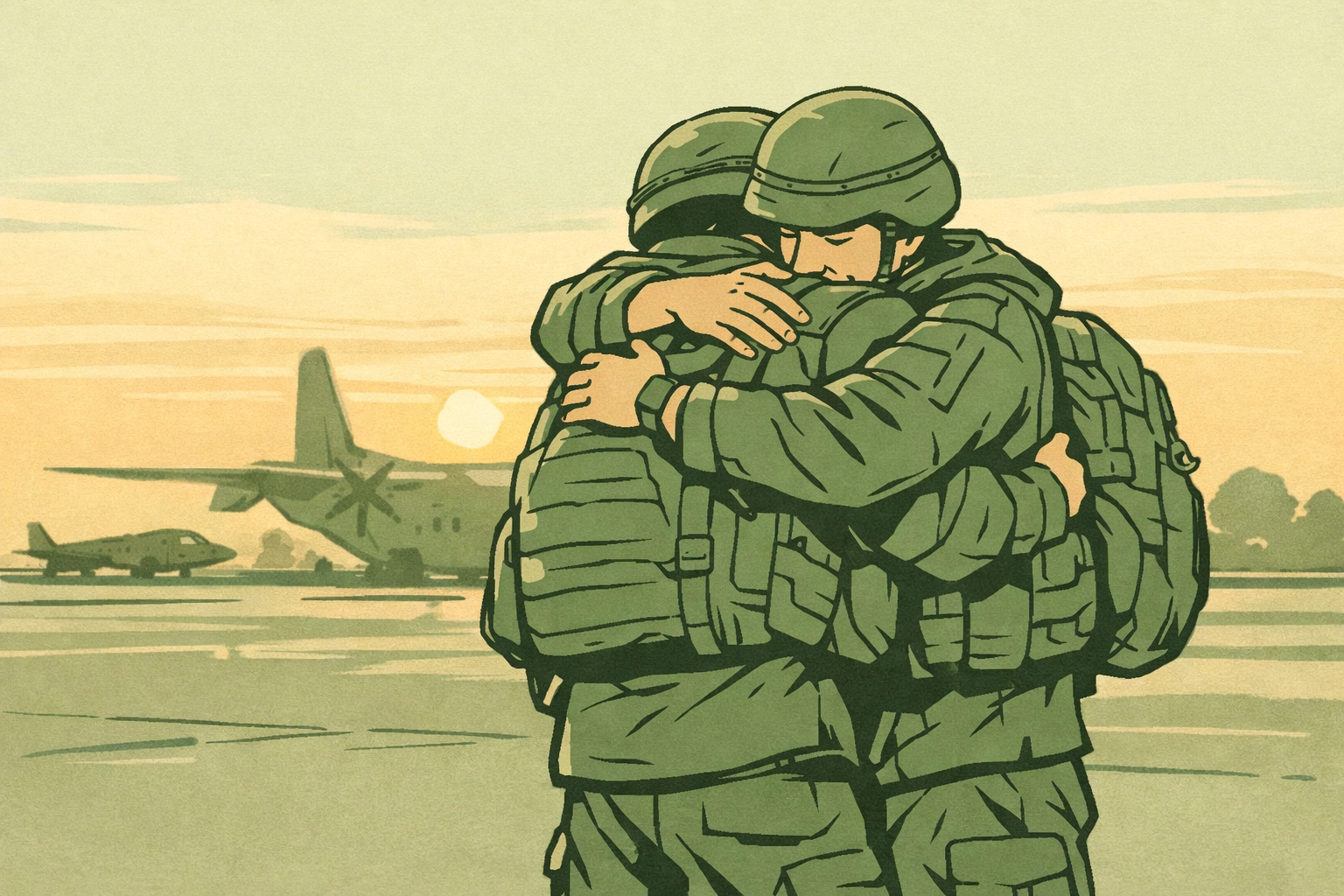
Deployments end. Eventually, the operational tempo reduces, and units rotate home. Marcus waits at the airfield as James's transport lands. They can't embrace publicly: not here, not in uniform, not with hundreds of soldiers and family members watching.
But when their eyes meet across the tarmac, everything they've written, everything they've survived, passes between them in that look.
Later, in the privacy of off-base quarters, they finally have the conversation that months of letters only hinted at:
"I don't know how to do this outside of deployment," James admits. "What if the person I am here isn't who you need?"
Marcus takes his hand. "You're the person who kept writing. Who requested wool socks just to maintain contact. Who survived. That's exactly who I need."
MM romance in military settings reminds us that love isn't always dramatic declarations or passionate encounters. Sometimes it's the quiet determination to keep someone supplied, the discipline to write letters when exhaustion makes every word a struggle, the faith to believe that distance is temporary but connection is permanent.
Why These Stories Matter
The gay fiction genre needs more stories like this. Not just combat romances or officer-and-enlisted forbidden love (though those have their place), but the ordinary-extraordinary relationships that develop in the spaces between action.
Military logistics personnel are overwhelmingly invisible in popular culture. Yet they represent the majority of military service. Their gay love stories deserve recognition: not as background to more "exciting" narratives, but as central, meaningful experiences in their own right.
At Read with Pride, we celebrate LGBTQ+ ebooks that explore the full spectrum of queer military experience. From historical gay romance books set during wartime to contemporary MM novels examining life in modern armed forces, these stories honor both service and love.
For readers seeking heartfelt gay fiction that combines authenticity with emotional depth, military logistics romance offers something special: characters whose heroism isn't defined by violence, but by care, attention, and the radical act of ensuring others survive.
The supply officer and the frontline soldier. The distance between them measured in miles, days, and carefully rationed words. The connection between them stronger than any supply line, more essential than any material provision.
That's the real story of deployment love: not just surviving the distance, but discovering that love itself becomes a form of supply, sustaining what matters most even when everything else runs short.
Explore more MM romance at dickfergusonwriter.com | Discover diverse queer fiction at readwithpride.com
Follow us on social media:
- Instagram: @dickfergusonwriter
- X/Twitter: @DickFergus94902
- Facebook: Dick Ferguson Writer
#MMRomance #GayRomance #MilitaryRomance #LGBTQBooks #GayFiction #ReadWithPride #MMNovels #GayLoveStories #LGBTQLiterature #QueerFiction #GayBooks #MMBooks #DeploymentRomance #MilitaryLogistics #LongDistanceLove #GayRomanceBooks #ContemporaryMMRomance #LGBTQEbooks #ReadingWithPride #GayAuthors

Leave a Reply
You must be logged in to post a comment.