

readwithpride.com
Have you ever sat back with one of your favorite MM romance books 2026 and wondered why certain stories hit so different? Or why, as queer folks, we often feel like we’re vibrating on a slightly different frequency than the rest of the world?
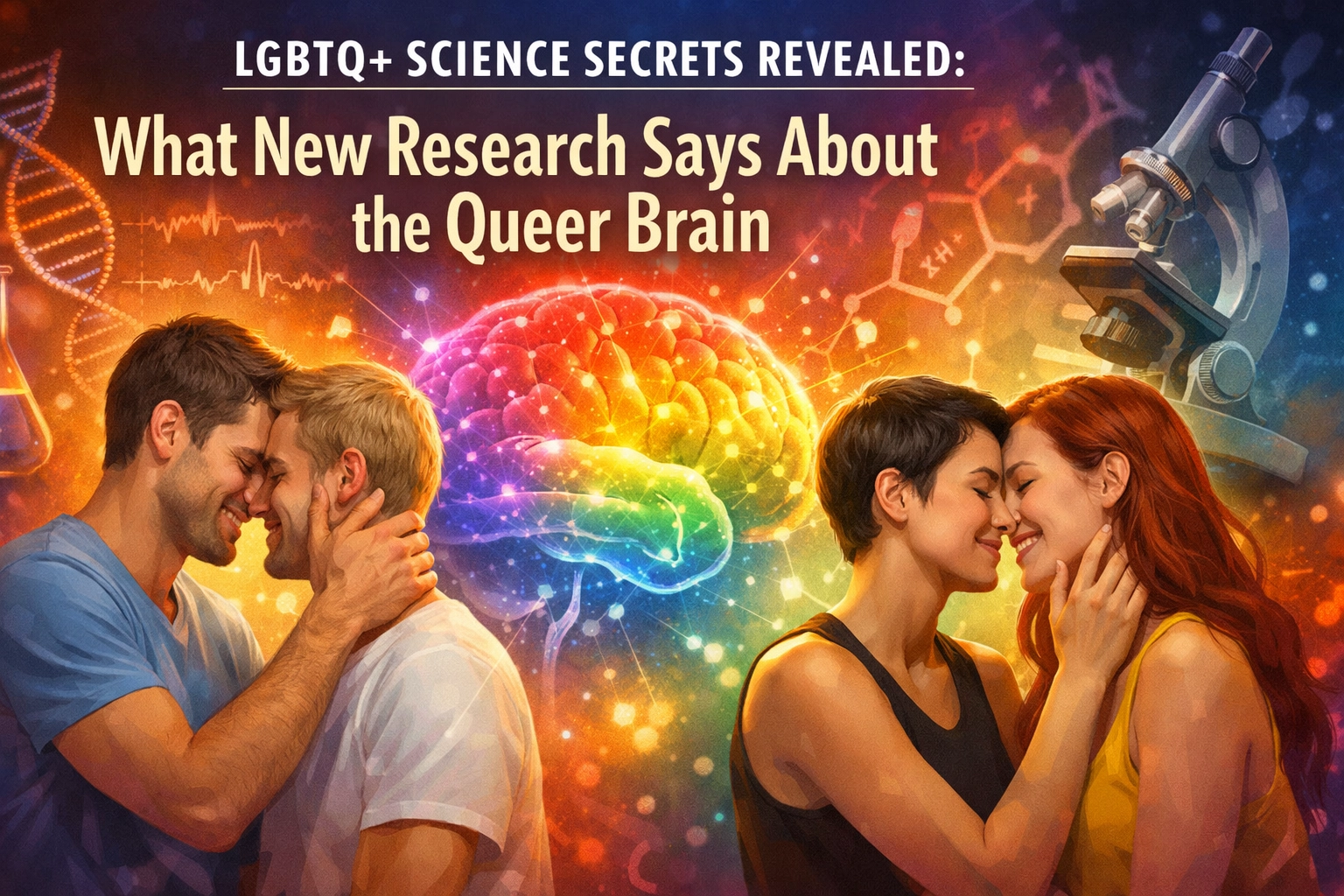
For decades, science tried to "fix" us or find a single "gay gene" as if we were a puzzle to be solved. But it’s March 2026, and the conversation has shifted. We aren't a problem to be solved; we are a biological marvel to be understood. New research into the "queer brain" is pulling back the curtain on how our identities, our resilience, and even our queer spirituality are hardwired into our neural pathways.
Grab a coffee, settle into your favorite reading nook, and let’s dive into the science of what makes our brains so beautifully, authentically us.
Beyond the Binary: The Science of Gender and Neuroplasticity
For a long time, the "science of gender" was stuck in a binary loop: "male brains" vs. "female brains." But modern neuroscience is finally catching up to what the trans and non-binary communities have known forever: the brain is a mosaic.
Recent studies leading into 2026 have moved away from looking for "differences" and started looking at "signatures." Research presented at major health summits indicates that the brains of many LGBTQ+ individuals often show a unique blend of traits that don’t fit a strict binary mold. This isn't about being "born this way" in a restrictive sense, but about neuroplasticity: the brain's incredible ability to shape itself based on our experiences, our self-identification, and the lives we lead.
When we read gay romance novels or explore alternative family structures, we aren't just consuming entertainment. We are reinforcing neural pathways that validate our existence. This "mirroring" effect is crucial for brain health.
The Biology of Resilience: Turning Stress into Strength
It’s no secret that living as a queer person in a heteronormative world comes with its own set of stressors. Data from 2025 and early 2026, including longitudinal research like Project SPARK, shows that LGBTQ+ youth still face higher rates of suicidal ideation and substance use: often triggered by discrimination.
But here is where the "science secrets" get interesting: the queer brain is exceptionally good at building resilience.
When we experience "minority stress," our brains have to work overtime to navigate social cues and safety. However, when we find "protective factors": like a supportive friend group, a bisexual-lgbtq community, or even a book club: our brain chemistry shifts. High levels of family and community support are linked to a 62% reduction in suicidal ideation.
Science shows that belonging isn't just a feeling; it’s a biological necessity. When we feel seen: whether that’s through our pronouns being respected or seeing our lives reflected in top LGBTQ+ books: our brains release oxytocin and dopamine, which actively counteracts the toxic effects of cortisol (the stress hormone).
Queer Spirituality: A Neural Connection?
Wait, science and spirituality in the same breath? Absolutely. In the "Philosophy, Spirituality & Meaning" circles of 2026, there’s a massive deep dive into how queer people create meaning.
Many of us have had to walk away from traditional religious structures that didn't hold space for us. In doing so, we’ve developed a unique form of queer spirituality. This often manifests as a deep connection to nature, the "chosen family" dynamic, or a belief in the radical power of love.
Neurobiologically, practicing this kind of authentic spirituality activates the prefrontal cortex: the part of the brain responsible for complex decision-making and social behavior. By "deconstructing" and then "reconstructing" our own versions of faith and meaning, we are essentially giving our brains a high-intensity workout. We are more adaptable, more empathetic, and more likely to find "main character energy" in our own lives.
Why We Love MM Romance: The Brain on "Happily Ever After"
Let’s talk about the books. Why is the market for MM romance books 2026 exploding? Why do we crave those enemies to lovers MM romance tropes or the tension of a slow burn?
It’s not just about the steam (though we love the steamy MM romance as much as anyone!). It’s about emotional regulation.
When we read a coming-of-age story or a historical romance, our brains undergo a process called "narrative transportation." For queer readers, this is a form of healing. For many, growing up didn't include a "safe" romance. By reading gay love stories now, we are providing our "inner child" with the representation it lacked.
The brain doesn't always distinguish between a lived experience and a deeply felt fictional one. So, when your favorite couple finally gets together after 300 pages of action-adventure romance, your brain gets a genuine hit of joy. It’s why popular gay books are more than just hobbies: they are tools for mental wellness.

The Future of LGBTQ+ Health: Looking Toward GLMA 2026
As we look forward to the 44th Annual Conference on LGBTQ+ Health later this September, the medical community is moving toward "identity-affirming care." This isn't just about hormones or surgery; it’s about understanding the total health of the queer person.
We are seeing a rise in research regarding:
- Neurodivergence and Queerness: Why is there such a huge overlap between the LGBTQ+ community and the neurodivergent (Autistic/ADHD) community? (Spoiler: The "science of gender" and neurodiversity are likely linked by the same "mosaic" brain structures).
- Aging in the Community: How do biographical experiences of early-life trauma impact brain health as we get older, and how can we prevent cognitive decline through community engagement?
- The Power of Fiction: Seriously, doctors are starting to recognize that "bibliotherapy": reading affirming queer fiction: is a legitimate way to reduce anxiety in LGBTQ+ patients.
Final Thoughts: Stay Curious, Stay Proud
The "secrets" of the queer brain are still being whispered in labs and university halls, but the message is getting louder: You are wired for connection, resilience, and joy.
Whether you are exploring your identity through biography-autobiography or getting lost in the best MM romance books of 2026, remember that every page you turn is a step toward understanding yourself better.
Science is finally confirming what we’ve known all along: being queer isn't just about who we love or how we identify: it’s about how we see the world, how we think, and how we thrive against the odds.
Ready to feed your brain some top-tier representation? Check out our latest new gay releases and find your next favorite read.

Join the Conversation
What’s the one book that changed how you saw your own identity? Drop a comment or find us on social media!
Follow us for more queer content and bookish updates:
- Facebook: Read with Pride
- X (Twitter): @Read_With_Pride
- Instagram: @read.withpride
- Home: readwithpride.com
#LGBTQScience #QueerBrain #MMRomance2026 #GayBooks #QueerSpirituality #ScienceOfGender #ReadWithPride #GayRomanceNovels #Neurodiversity #LGBTQHealth
readwithpride.com

Leave a Reply
You must be logged in to post a comment.