

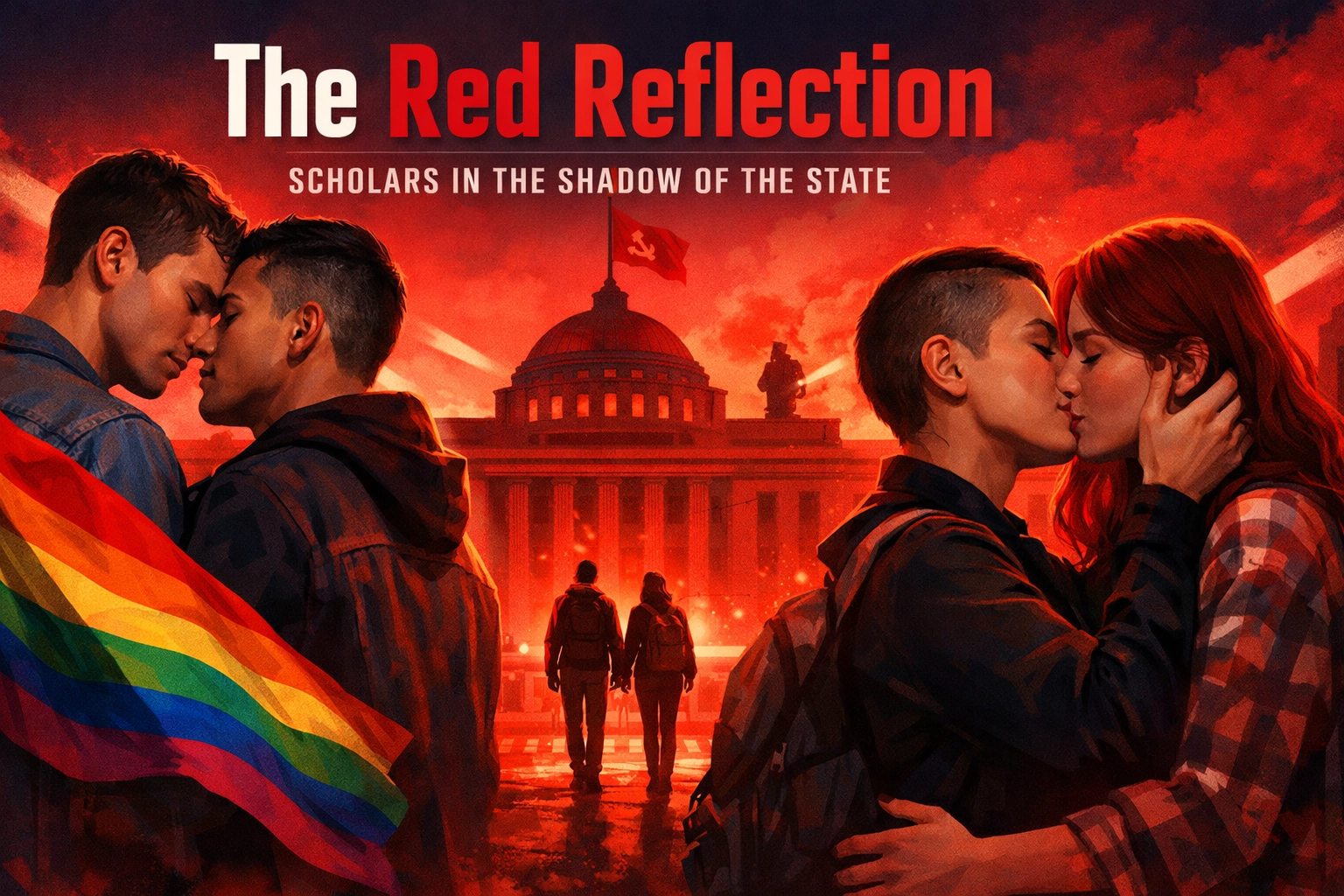
Some love stories end not with a bang, but with a carefully worded email. With a deleted chat history. With two people walking in opposite directions through the rain, knowing they'll never look back.
This is one of those stories.
The Meeting of Minds
Dr. Chen Wei first noticed him during a faculty lecture on modern political philosophy. The new visiting scholar from Shanghai, Dr. Lin Hao, sat three rows back, taking notes with the kind of precision that suggested he wasn't just listening, he was cataloguing every word for later dissection.
Their first real conversation happened in the university library's restricted section, both reaching for the same banned Western text that somehow still lived in the archives. Their fingers touched on the spine. They both apologized. And in that moment of awkward politeness, something unspoken passed between them.
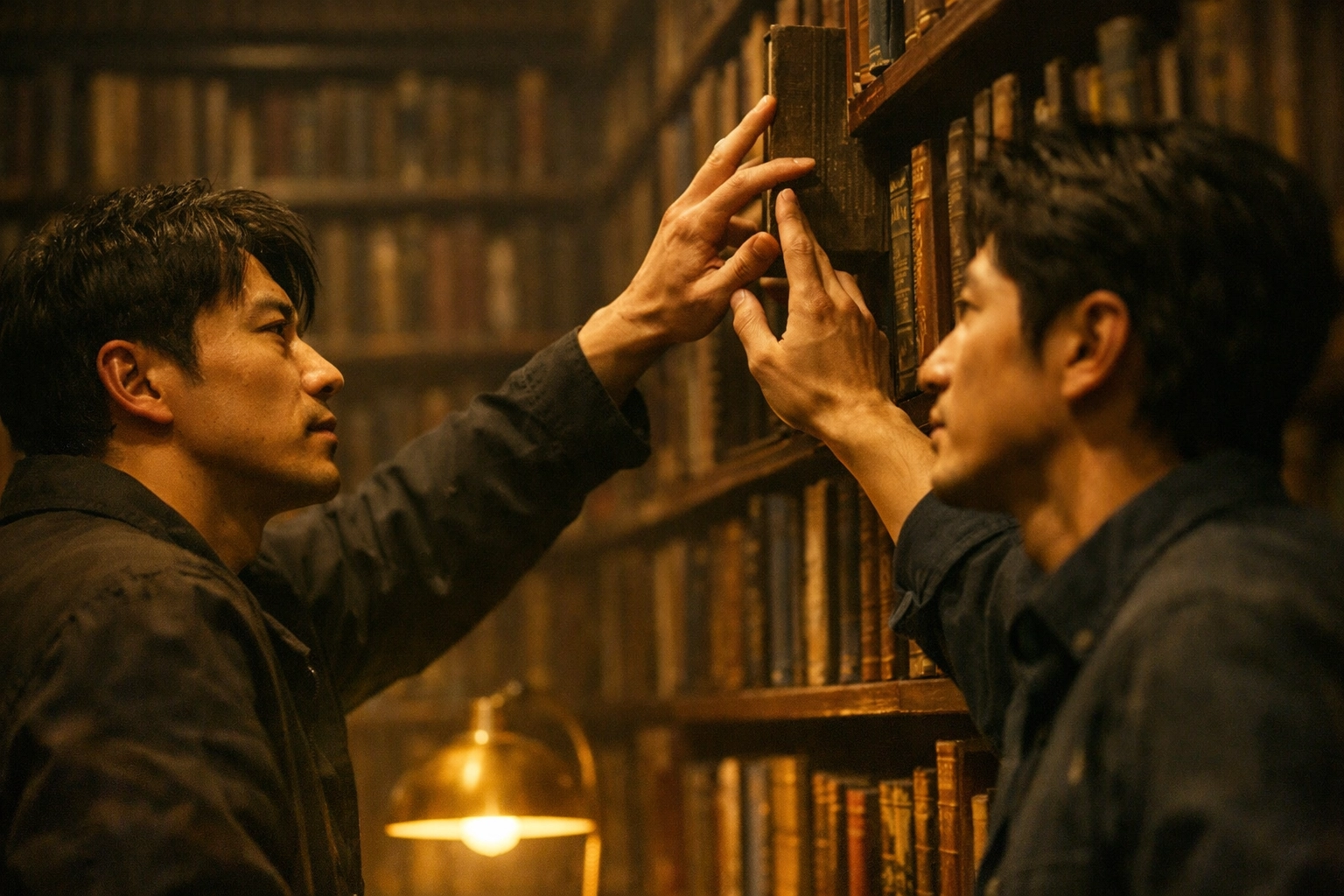
It started innocently enough. Discussions about Foucault over weak tea in Chen's office. Debates about surveillance theory that ran long past midnight in empty lecture halls. The kind of intellectual connection that made everything else, the 996 work culture, the endless administrative meetings, the cameras in every corner, feel almost bearable.
But somewhere between analyzing Bentham's panopticon and discussing the philosophy of individual freedom in collective societies, they stopped talking about theory. They started talking about themselves.
The Weight of Watching Eyes
In China, "social harmony" isn't just a political slogan, it's a way of life. It's the understanding that the collective matters more than the individual. That certain things are simply not discussed. That some desires are better left unexpressed, buried under layers of duty, family expectation, and self-preservation.
Chen and Lin both knew this. They'd both grown up learning to code their words, to present the acceptable version of themselves to the world. They'd both married women they respected but didn't love. They'd both learned that being a good son, a good husband, a good citizen meant swallowing who you really were and smiling while you did it.
The cameras were everywhere. Not just the obvious ones mounted in hallways and classrooms, but the invisible ones too, social credit systems that tracked purchases and associations, AI that monitored internet activity, the ever-present knowledge that someone was always watching, always listening, always judging.
Their relationship, if you could call it that, existed entirely in the spaces between surveillance. In the carefully curated moments when they could pretend, just for a breath, that they weren't being monitored.
The Language of Longing
They never said it out loud. That would have been too dangerous.
Instead, they developed their own language. Academic references that meant something else entirely. Lin would mention a specific page number in a text, and Chen would know to meet him in the archives. Chen would cite an obscure philosopher, and Lin would understand it as an apology for having to cancel their coffee.
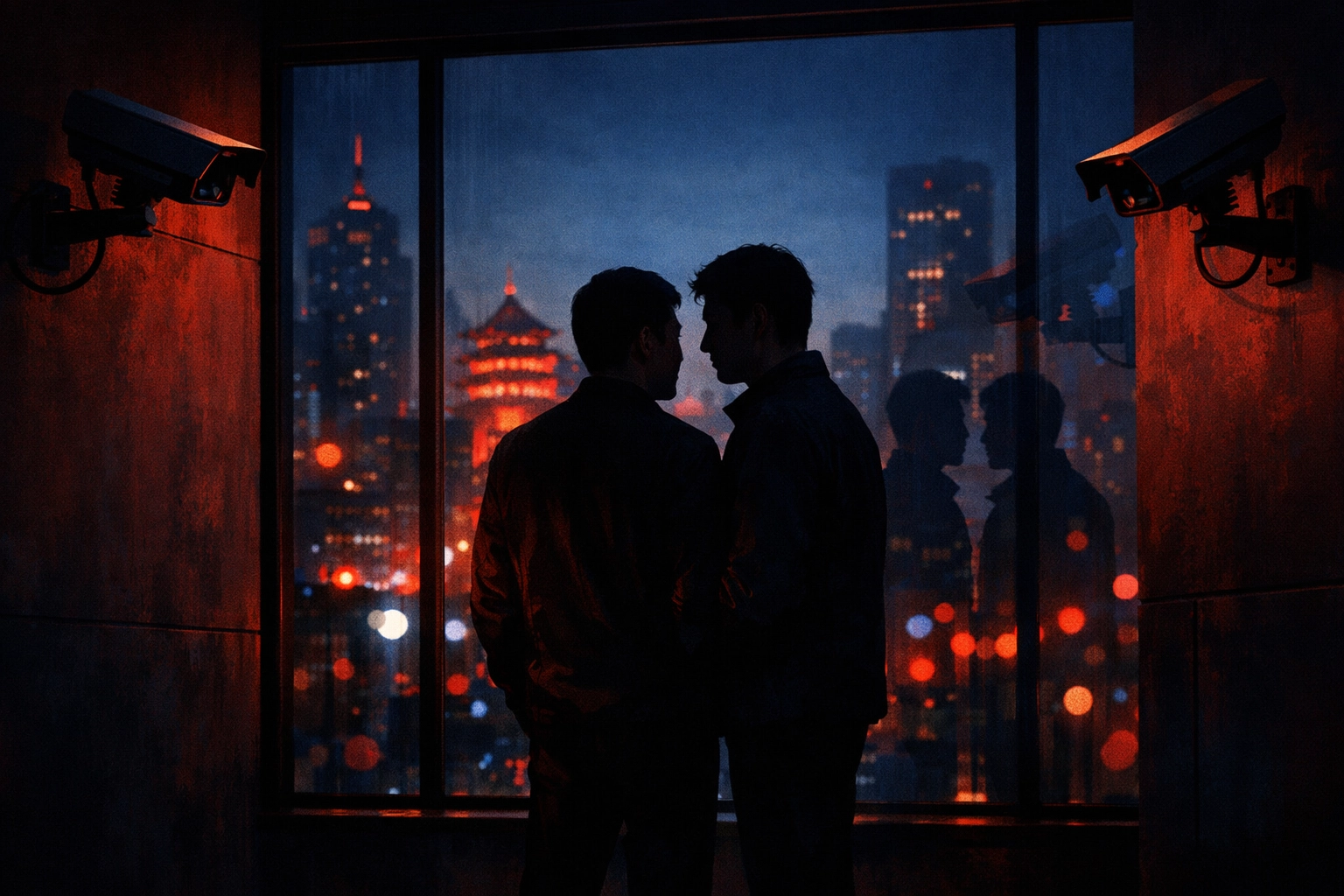
This kind of MM romance, if you can call it romance when it lives entirely in subtext, is the reality for countless men in restrictive environments. The love exists, fierce and real, but it has to wear a disguise. It has to pretend to be something else. Friendship. Mentorship. Intellectual collaboration.
Anything but what it actually is.
They shared one kiss. Just one. In Lin's apartment during a rare moment when his wife was visiting family and the building's security cameras were mysteriously malfunctioning. It lasted maybe ten seconds. Neither of them spoke afterward. They just stood there, foreheads touching, breathing the same air, knowing this was as close as they would ever get.
The Red Reflection
The turning point came when Lin's research on social movements caught the wrong kind of attention. Not from the university, but from the Ministry of Public Security. Questions about his work. His associations. His frequent meetings with Dr. Chen Wei.
They both knew what that meant.
In another world, they might have fought. In another life, they might have run. But this wasn't another world. This was reality, where being gay wasn't just socially unacceptable, it could destroy careers, families, lives. Where the gay fiction scenarios of brave men fighting for their love were just that: fiction.
Chen saw the fear in Lin's eyes during their last real conversation. Not fear for himself, but fear of what their connection might cost the other. Of what surveillance footage might reveal. Of what algorithms might deduce from their patterns of behavior.
"We've been reckless," Lin said quietly, staring at his reflection in the window of Chen's office. The red evening light cast everything in shades of amber and blood. "We need to be more careful."
They both knew he didn't mean careful. He meant done.
The Art of Goodbye
There's a particular kind of grief that comes from losing something you never really had. From mourning a future that was never possible in the first place.
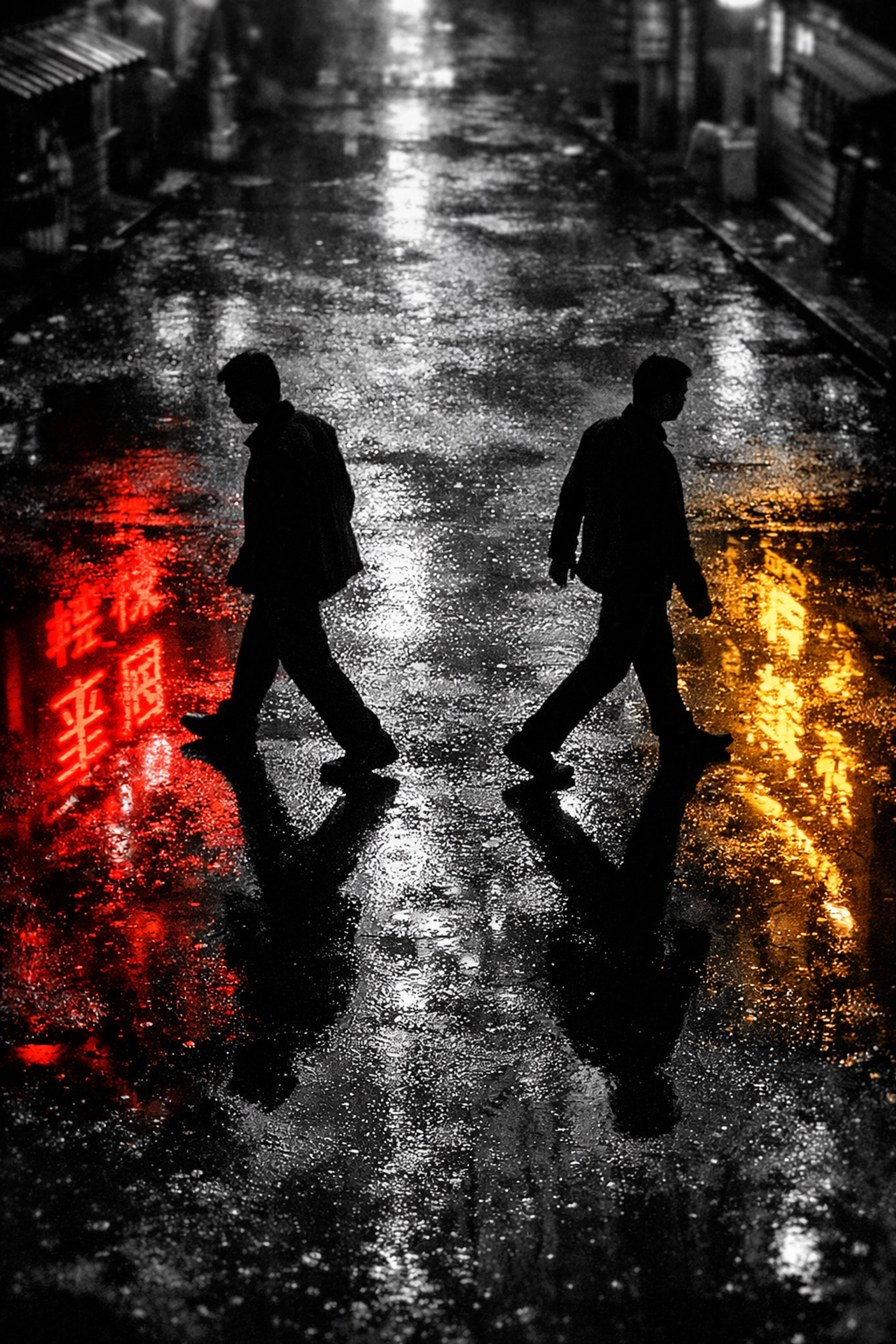
Chen and Lin said goodbye the way academics do: with formal emails and professional distance. Lin took a position at a university in another province. Chen threw himself into his research. They both did what was expected of them. They survived.
But survival isn't the same as living.
Years later, Chen would sometimes catch himself searching for Lin's name in academic journals. He'd read his papers and recognize the subtle references to their conversations, the way Lin would cite certain texts they'd discussed in those midnight sessions. A private language that no one else could decode.
He never reached out. What would be the point?
This is the reality of LGBTQ+ fiction set in restrictive countries: the tragedy isn't always in the violence, though that exists too. Sometimes the tragedy is quieter. It's in the men who live entire lives in the shadow of what could have been. Who age and die having never known what it feels like to hold someone's hand in public. To introduce a partner to family. To simply exist without fear.
Why These Stories Matter
At Read with Pride, we believe in telling all kinds of gay romance books: the happy endings and the heartbreaking ones. The MM romance stories that let us dream, and the ones that reflect the harsh realities many LGBTQ+ people still face around the world.
Stories like Chen and Lin's aren't comfortable. They don't give us the catharsis we crave. But they're true in a way that matters. They remind us that for millions of queer people globally, love is still a revolutionary act. That being yourself can still cost everything.
These are the gay love stories that need to be told, even when: especially when: they don't have neat resolutions.
Because somewhere right now, there's a Chen and a Lin. Two people whose intellectual connection has deepened into something more. Who are carefully coding their words and measuring their glances, trying to find moments of authenticity in a surveillance state.
They deserve to see themselves in fiction. They deserve to know their stories matter.
Even the ones without happy endings.
This is part three of our "Hidden Hearts: Love Against the Law" series, exploring forbidden love and MM romance in places where being gay can cost you everything. Follow our journey as we continue to share stories that challenge, move, and matter.
Follow us for more LGBTQ+ fiction:
#ReadWithPride #MMRomance #GayRomanceBooks #LGBTQFiction #QueerFiction #GayFiction #ForbiddenLove #MMBooks #GayLiterature #LGBTQEbooks #GayNovels #MMRomanceBooks #QueerAuthors #GayContemporaryRomance #GayBookClub #LGBTQReading #2026GayBooks #HeartfeltGayFiction #EmotionalMMBooks #GayRomanticFiction #LGBTQRomance

Leave a Reply
You must be logged in to post a comment.