

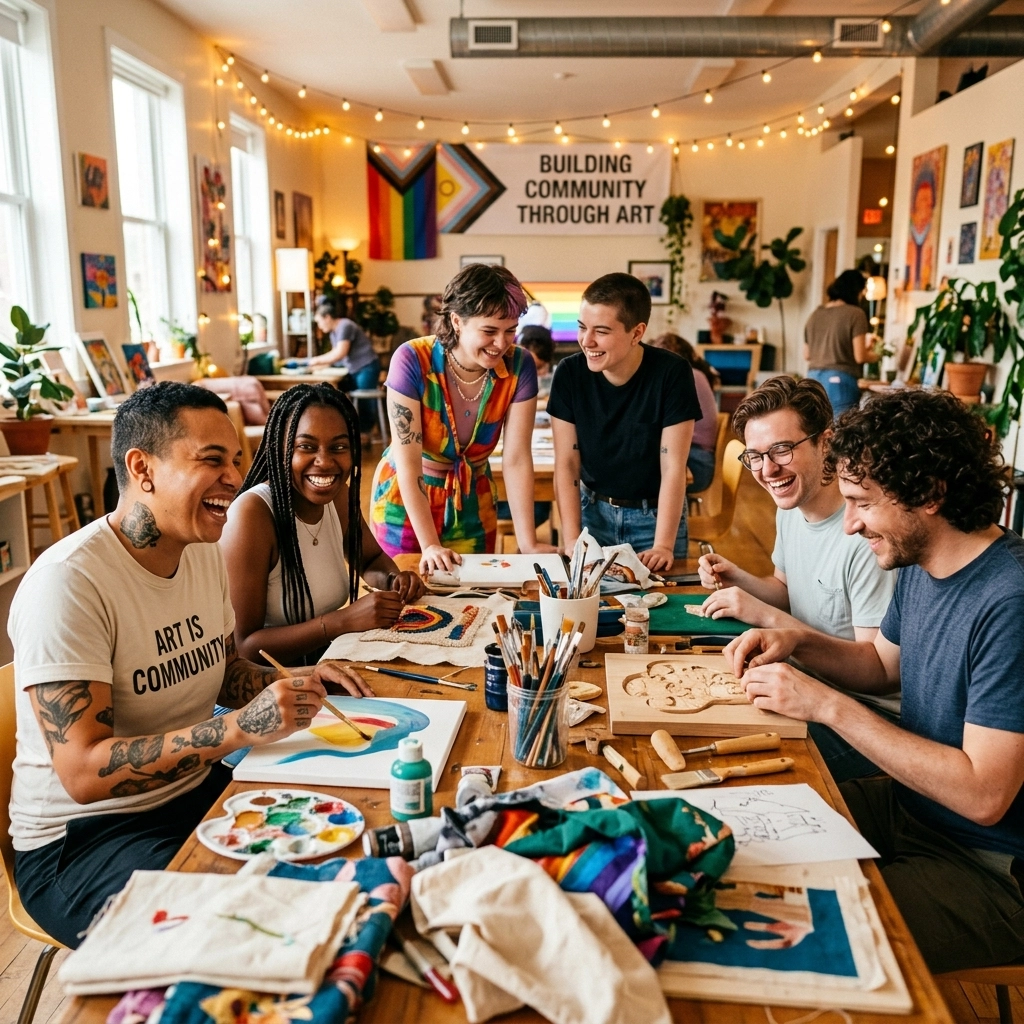
readwithpride.com
Let’s be real for a second: there is nothing quite like the "hermit" phase of queer life. You know the one. It’s a rainy Tuesday in April 2026, you’ve got a stack of the best MM romance books of the season, a steaming mug of tea, and your cat is the only witness to your emotional breakdown over a particularly spicy "enemies to lovers" chapter. Solo hobbies: whether it's reading, knitting, gaming, or coding: are the backbone of our self-care.
But what if I told you that your solo sanctuary could actually be the foundation for something much bigger? What if your private obsession with gay romance novels or your secret sourdough starter could be the "meet-cute" that builds a whole new community?
In the world of Read with Pride, we believe that while reading is a solitary act, the stories we love are meant to be shared. Turning solo queer hobbies into grassroots organizing isn’t just about making friends; it’s about creating a "found family" that would make any MM romance author weep with joy.
The "Enemies to Lovers" of Socializing: Overcoming the Solo Slump
We get it. The idea of turning a quiet hobby into a social event feels like a high-stakes gay thriller. Will people show up? Will it be awkward? Is there enough "forced proximity" to make people actually talk to each other?
The transition from "I do this alone" to "We do this together" is the ultimate character arc. You start as the grumpy protagonist who thinks they don't need anyone, and you end up as the heart of a thriving local collective. The secret to community building is realizing that if you’re doing something alone, there are at least ten other queer folks in your zip code doing the exact same thing, wishing they had someone to geek out with.

1. Organize Interest-Based Events (The Plot Hook)
The easiest way to start is to turn what you already do into an invitation. If you love LGBTQ+ fiction, don't just read it: host a "Silent Reading Party."
How it works:
- The Vibe: Everyone meets at a local park or a queer-friendly café.
- The Rules: You chat for 30 minutes, read in companionable silence for an hour, and then discuss your "current reads" over drinks.
- The Barrier to Entry: Keep it low! No one has to have read the same book. This isn't your grandma’s high-pressure book club where everyone gets judged for not finishing the assigned chapter. It’s about presence.
This works for anything. Pottery? Host a "Clay & Cocktails" night. Coding? Set up a "Queer Devs" co-working afternoon. The goal is to lower the stakes. You aren't asking people to be your best friend immediately; you’re asking them to share a space while doing a thing. It’s the "slow burn" of friendship building.
2. Leverage Existing Structures (The Side Character Support)
You don't have to reinvent the wheel. Sometimes the best community building happens within the infrastructure that already exists.
Check out your local LGBTQ+ centers, independent bookstores, and inclusive cafés. These places are often desperate for someone to step up and lead a niche group.
- Bookstores: Ask if you can start a monthly gay book club focusing on specific tropes like "hurt/comfort" or "fake dating."
- Community Centers: Offer to lead a workshop. If you’re a pro at cross-stitch, teach a "Queer Stitches" class.
- Online Spaces: Use platforms like readwithpride.com to find inspiration for themes or to see what’s trending in the world of MM romance books to spark conversation topics.
By using existing venues, you tap into an established audience. It’s like being the "guest star" in a long-running series before getting your own spin-off.
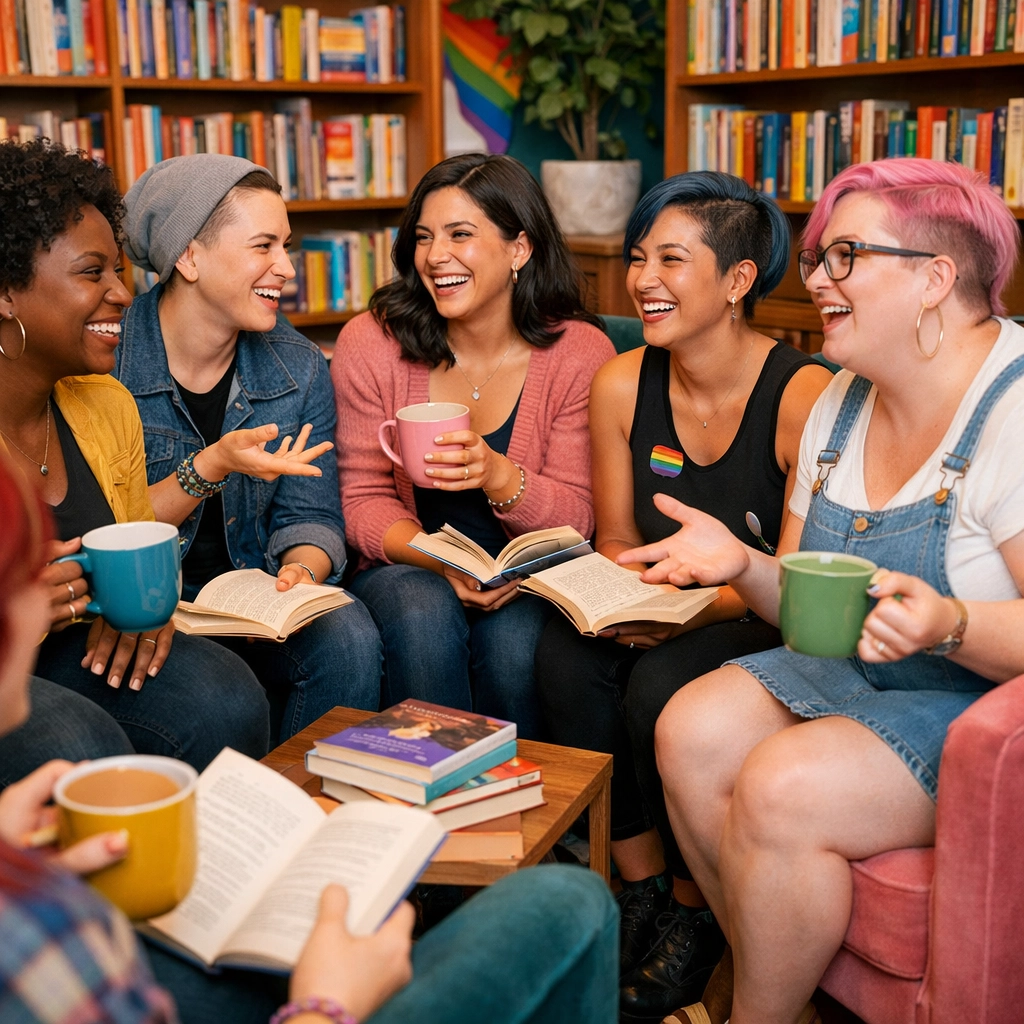
3. The Power of the "Forced Proximity" Trope
In MM romance, the "forced proximity" trope (think: "there was only one bed") is a fan favorite because it forces characters to interact. You can use a (much less scandalous) version of this to build community.
When organizing your hobby group, create "interaction points."
- If it’s a gaming group, don’t just play: do a "controller swap" every thirty minutes.
- If it’s a writing group, do a "blind paragraph exchange" where you read each other's work without knowing who wrote what.
- If it's a hiking group, pair people up for 15-minute "chat intervals" during the trail.
These small, structured moments of interaction break the ice faster than any "tell us a fun fact about yourself" circle ever could.
4. Accessibility and the "Found Family" Ethos
Authentic community building means making sure everyone can sit at the table. To truly capture the Read with Pride brand tone, your hobby group should be as inclusive as a diverse queer fiction anthology.
- Financial Accessibility: Try to keep events free or "pay what you can." Community shouldn't have a cover charge.
- Physical Accessibility: Ensure the venues you choose are ADA-compliant.
- Neurodiversity: Provide "quiet zones" or clear agendas so people know exactly what to expect.
When people feel seen and accommodated, they move from "attendees" to "community members." They start looking out for one another. That’s when the hobby stops being about the activity and starts being about the people.
5. From Digital to Physical (and Back Again)
We live in 2026, so the line between our online lives and our IRL connections is thinner than the tension in a gay spy romance.
Don’t neglect the power of hybrid spaces. Maybe your gay romance hobby group meets on Discord for weekly sprints but gathers once a month at a local brewery to celebrate new releases. This allows those who are immunocompromised, have social anxiety, or live in rural areas to still be part of the magic.
You can also use social media to document your journey. Share your hobby progress on Instagram or X to find like-minded souls. Your "Work in Progress" (WIP) post might just be the beacon someone else needs to reach out.
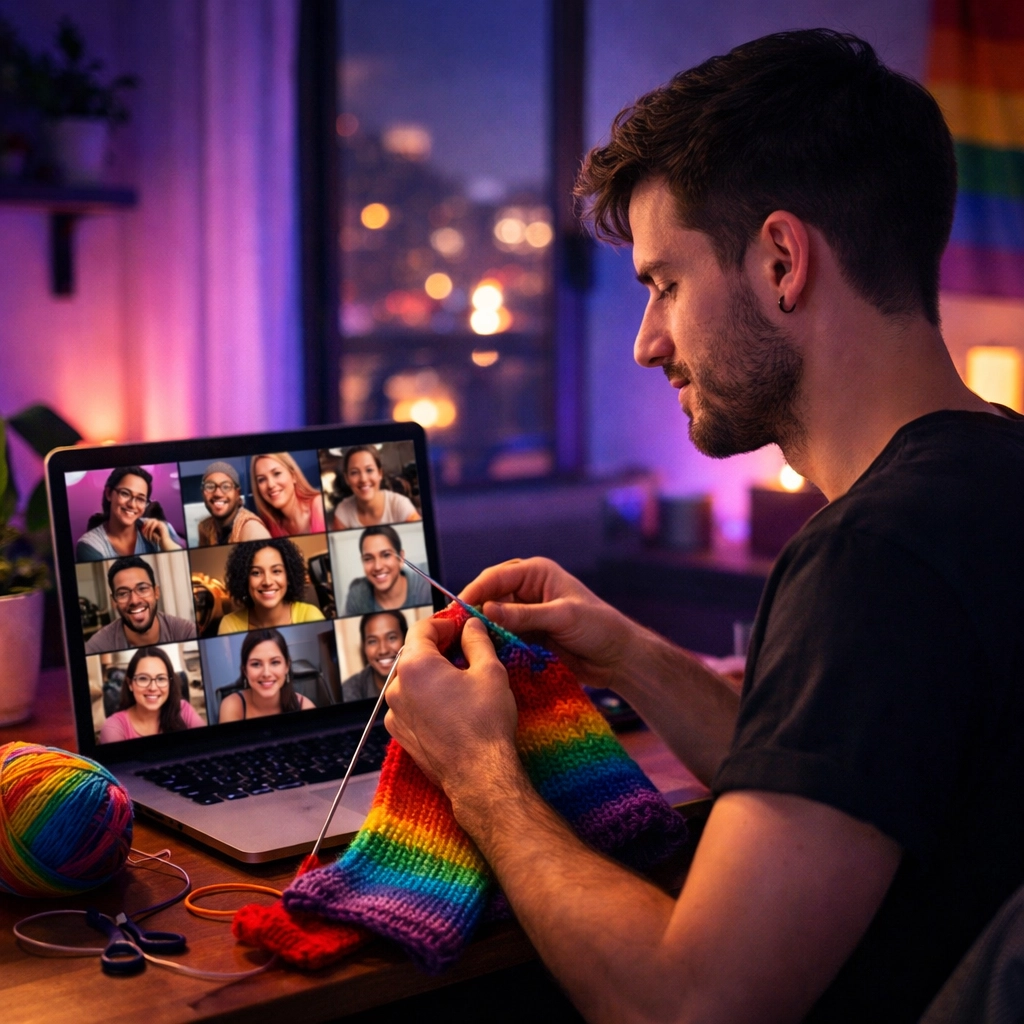
Why It Matters: The Radical Act of Queer Joy
In a world that can sometimes feel like a gay psychological thriller, finding joy in a hobby and sharing it with others is a radical act of resistance. Organizing a group around MM contemporary novels or a queer gardening club isn't "frivolous." It's grassroots organizing. It builds a safety net of people who know your name, know your interests, and will show up for you when things get tough.
Community building is the ultimate "happily ever after." It takes work, there are often misunderstandings (the classic "miscommunication trope" is real, folks!), but the payoff is a life filled with connection.
Get Involved with Read with Pride
Ready to turn your solo reading sessions into a movement? Whether you're looking for the best MM romance of 2026 to start your group discussion or you want to dive into gay historical romance for a themed costume party, we’ve got you covered.
Check out our latest collections and join the conversation:
- Explore our full range of LGBTQ+ ebooks at readwithpride.com.
- Follow our journey and connect with other readers on Facebook.
- Stay updated with the latest gay romance series and author news on our blog.
Your hobbies are more than just a way to pass the time. They are the seeds of a powerful, vibrant, and incredibly witty queer community. So, put down the book (just for a second!), reach out to a fellow nerd, and start your own "found family" subplot today.
#QueerHobbies #CommunityBuilding #MMRomance #ReadWithPride #LGBTQBooks #GayRomance #FoundFamily #2026Reads #QueerJoy #BookTokQueer #MMRomanceTropes

Leave a Reply
You must be logged in to post a comment.