


Hey there, fellow book lovers! If you’ve been hanging around the Read with Pride community for a while, you know we’re all about stories that do more than just scratch the surface. We’re looking for those deep, soul-stirring narratives that reflect the beautiful, messy, and often complex reality of being queer today.
Today, we’re diving into the heart of identity. Whether you're a long-time fan of MM romance or just starting your journey into LGBTQ+ ebooks, understanding the themes that drive our favorite characters can make the reading experience so much richer. From gender expression to the way we love, let’s explore 15 queer identity themes that are currently shaping the world of queer fiction.
1. The Beauty of Being Non-Binary: Living Beyond the Binary Gaze
We’re kicking things off with a big one. For too long, literature (and society) has been obsessed with the "either/or." You’re either a man or a woman, gay or straight, masculine or feminine. But the real magic happens in the "neither" and the "both."
Living beyond the binary gaze isn't just about pronouns; it’s about a fundamental shift in how a character perceives themselves and their place in the world. In M/M books that feature non-binary or gender-fluid protagonists, we see a beautiful subversion of traditional tropes. These characters challenge their partners: and the readers: to look past the surface. It’s about finding love that isn't dependent on a rigid performance of gender. When we read stories about non-binary joy, we’re witnessing a form of freedom that is as radical as it is necessary.

2. Sexual Fluidity: It’s Okay to Not Have a Label Yet
Labeling can be a source of pride, but it can also feel like a cage. One of the most resonant themes in modern gay fiction is the journey of sexual fluidity. We see this often in "awakening" stories where a character who previously identified as straight finds themselves falling for a man.
The focus here isn't just on the romance, but on the internal shift. It’s about the realization that identity isn't a destination you reach and then never leave. It’s a moving target. These gay love stories emphasize that it’s perfectly okay to be "in-between" or to realize that your attraction is more about the person than a category.
3. The Strength in Softness: Redefining Masculinity
In the world of MM romance books, we often see the "alpha" archetype. But some of the most powerful gay novels are those that explore the strength in vulnerability. Redefining masculinity is a core theme in many of our favorite gay contemporary romance hits.
It’s about showing that a man can be strong while being soft, that he can be a protector while also needing to be held. This theme breaks down the toxic "stiff upper lip" mentality and replaces it with emotional intelligence. If you’re looking for a story that really hammers this home, check out the emotional depth in The King of Spades and Broken Roses, which is one of Dick Ferguson’s most personal and emotional MM romance releases to date.
4. Found Family: Creating Your Own Safety Net
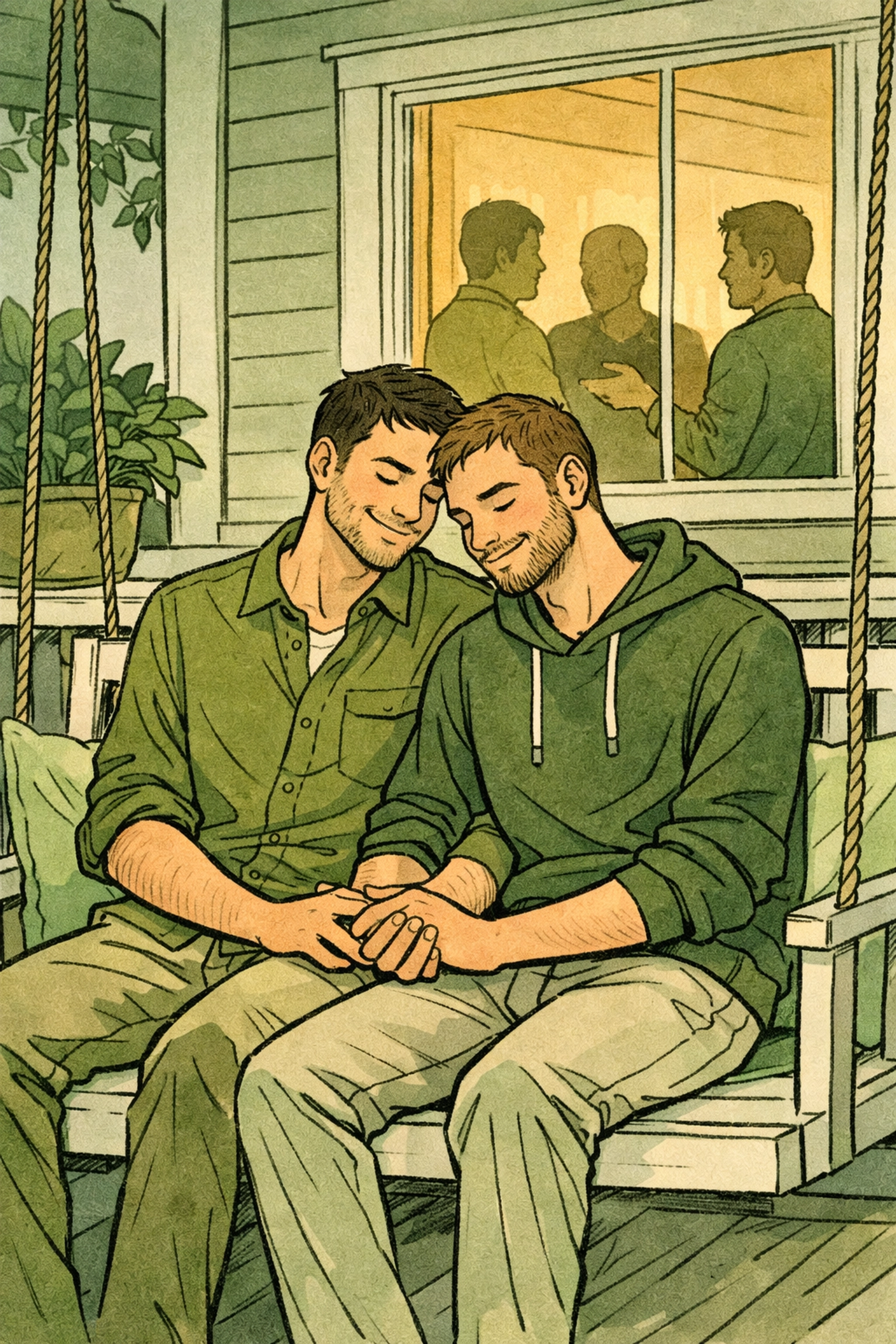
For many in the LGBTQ+ community, "family" isn't just about who you share DNA with. The "Found Family" trope is a staple for a reason. It represents the safety net we build for ourselves when our biological families fall short.
In queer fiction, this theme highlights the importance of community. Whether it’s a group of drag queens in a big city or a tight-knit circle of friends in a small town, these stories celebrate the bonds that are chosen. They remind us that we aren't alone and that there is always a place where we belong.
5. Intersectionality: Race, Culture, and Queerness
Identity doesn't exist in a vacuum. A gay man’s experience is shaped not just by his sexuality, but by his race, his religion, and his cultural background. Popular gay books are increasingly focusing on intersectionality, showing how these different facets of identity overlap and sometimes clash.
Reading about a character navigating both a queer identity and a specific cultural heritage adds layers of complexity that make the story feel incredibly real. It’s about the struggle to be your whole self in spaces that might only want to see one part of you.
6. The "Second Adolescence"
Many queer people didn't get to have a "normal" teenage experience. They spent those years hiding or trying to fit in. As a result, many gay romance stories explore the concept of a "second adolescence": the period in adulthood where a person finally feels safe enough to explore their identity, date, and make the mistakes they didn't get to make at sixteen. It’s a theme full of both heartache and incredible excitement.
7. Navigating Faith and Identity
The conflict between religion and queerness is a heavy theme, but an important one. Many gay literature classics deal with characters trying to reconcile their spiritual beliefs with their identity. These stories are often high-angst and deeply emotional, focusing on the search for a God or a community that loves them exactly as they are.
8. The Power of the "Quiet Life"
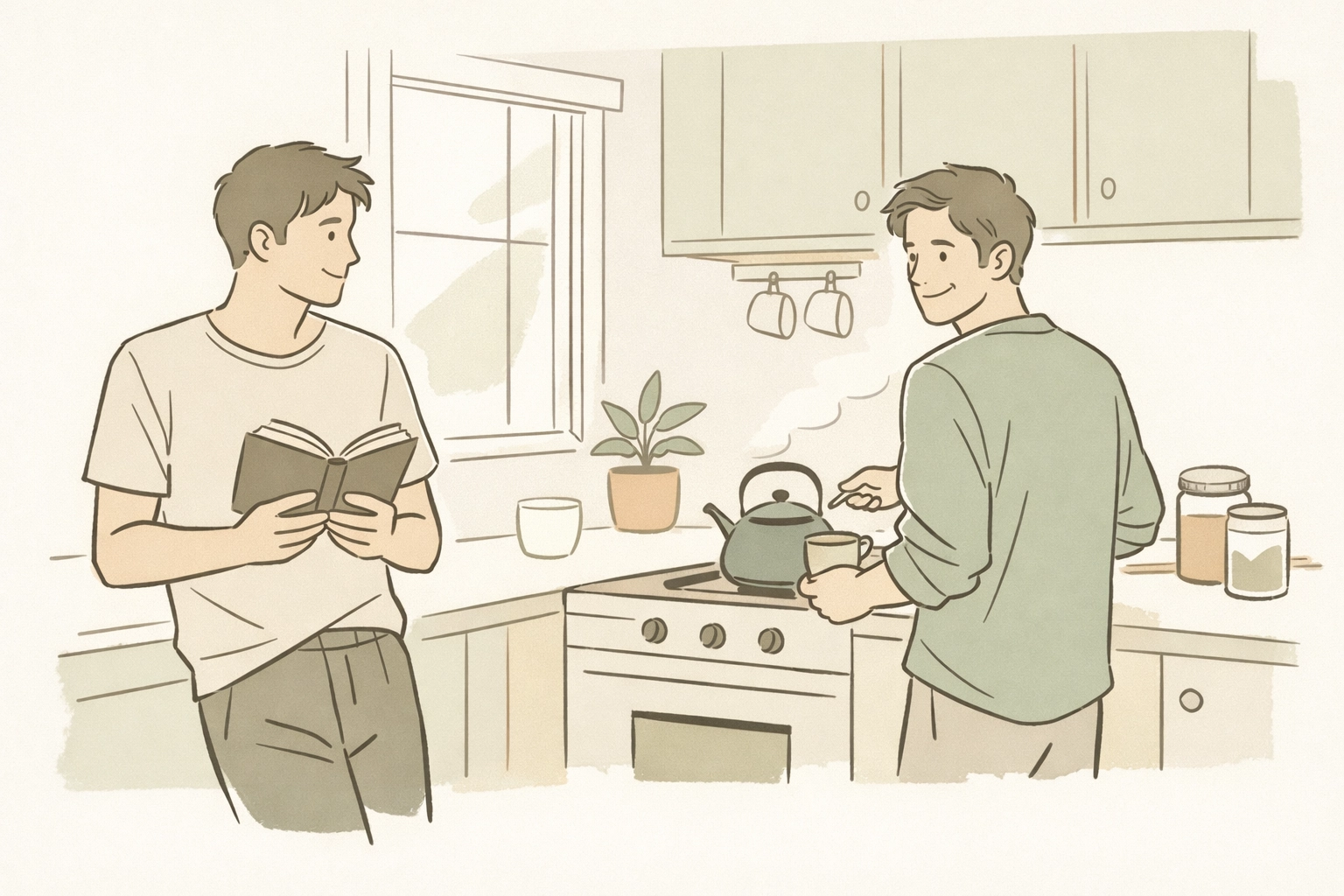
Not every queer story needs to be a tragedy or a political statement. A growing theme in MM contemporary fiction is the "quiet life": the simple, radical act of two men living a mundane, happy life together. It’s about domesticity, grocery shopping, and growing old. In a world that often politicizes our existence, these "low-stakes" gay romance books are a form of resistance through joy.
9. Trans Masc Joy and Visibility
While M/M books traditionally focused on cisgender men, there is a beautiful surge in stories featuring trans men and trans masc individuals. These stories aren't just about the "struggle" of transitioning; they are about the joy of finally living in the right body and finding a partner who sees and loves that person fully. It’s an essential part of the LGBTQ+ fiction landscape.
10. Neurodivergence in Love
Queerness and neurodivergence often go hand-in-hand in the community. Themes exploring how ADHD, autism, or other neurodivergent traits affect how we communicate and love are becoming more prominent. These stories offer a unique perspective on intimacy and the "unwritten rules" of dating, making them highly relatable for a huge portion of our readers.
11. Reclaiming History: The Gay Historical Romance
There have always been queer people; we just weren't always allowed to write our stories down. Gay historical romance and MM historical romance allow us to reclaim our past. By placing gay love stories in the Regency era, the Wild West, or the Victorian age, authors are reminding us that we have always existed and we have always loved.
12. Disability and Desire: Inclusivity Matters
Inclusivity in LGBTQ+ ebooks means representing all bodies. Themes involving disability and chronic illness are crucial for breaking down the "perfect body" myth often found in romance. These stories focus on how characters navigate desire, accessibility, and the unique challenges of dating while disabled, all while emphasizing that everyone is worthy of a grand, sweeping romance.
13. Rural Queerness: Beyond the Big City
The "gay man flees small town for the big city" trope is a classic, but there’s a new wave of fiction focusing on those who stay. Rural queer identity is about finding: or building: a community in places where you might feel isolated. These gay novels explore the connection to the land and the quiet bravery of being out in a small town.
14. The Evolution of the "Coming Out" Story
Coming out isn't a one-time event; it’s a lifelong process. Modern queer fiction is moving away from the "tragic coming out" and toward a more nuanced exploration. Sometimes coming out is easy; sometimes it’s irrelevant; sometimes it’s a series of small revelations to different people over decades. This theme reflects the reality that our identities are constantly evolving.
15. Joy as Resistance
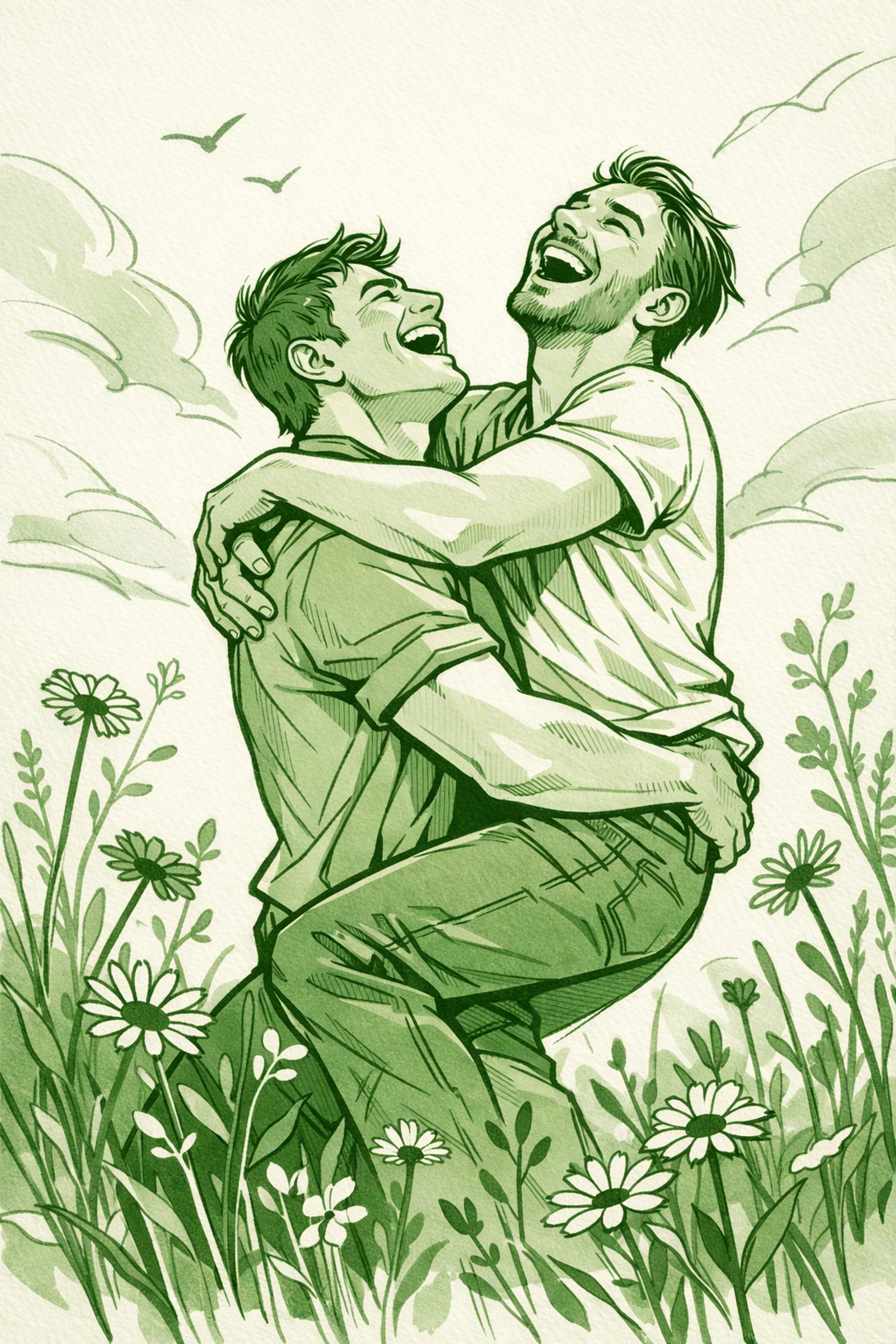
Finally, the theme of queer joy. In a world that can be harsh, choosing to be happy, to love loudly, and to celebrate our identities is an act of defiance. Whether it’s a gay fantasy romance with a happy ending or a gay spy romance where the hero gets his man, prioritizing joy is what keeps our community strong.
Whether you're looking for best MM romance recommendations or want to dive into a gay psychological thriller, these themes are the heartbeat of the genre. At Read with Pride, we’re committed to bringing you stories that reflect the full spectrum of the human experience.
Ready to find your next favorite read?
Check out our curated collection of LGBTQ+ Kindle books and more at our store:
👉 Shop the Dick Ferguson Collection on Read with Pride
Follow us on social media:
- Instagram: https://www.instagram.com/dickfergusonwriter
- X (formerly Twitter): https://www.x.com/DickFergus94902
- Facebook: https://www.facebook.com/profile.php?id=61572869844598
- Website: www.readwithpride.com
3 New Blog Post Options for Dick:
- The Grumpy/Sunshine Trope: Why we can’t get enough of opposites attracting in MM romance.
- From Dust and Bone: A deep dive into the gritty side of gay thrillers and why readers love high stakes.
- Beyond the Happy Ever After: Why emotional depth and "the messy middle" are the keys to a lasting queer story.
#ReadWithPride #MMRomance #LGBTQFiction #GayBooks #NonBinaryJoy #QueerLiterature #GayLoveStories #GayAuthors #ReadingWithPride

Leave a Reply
You must be logged in to post a comment.