

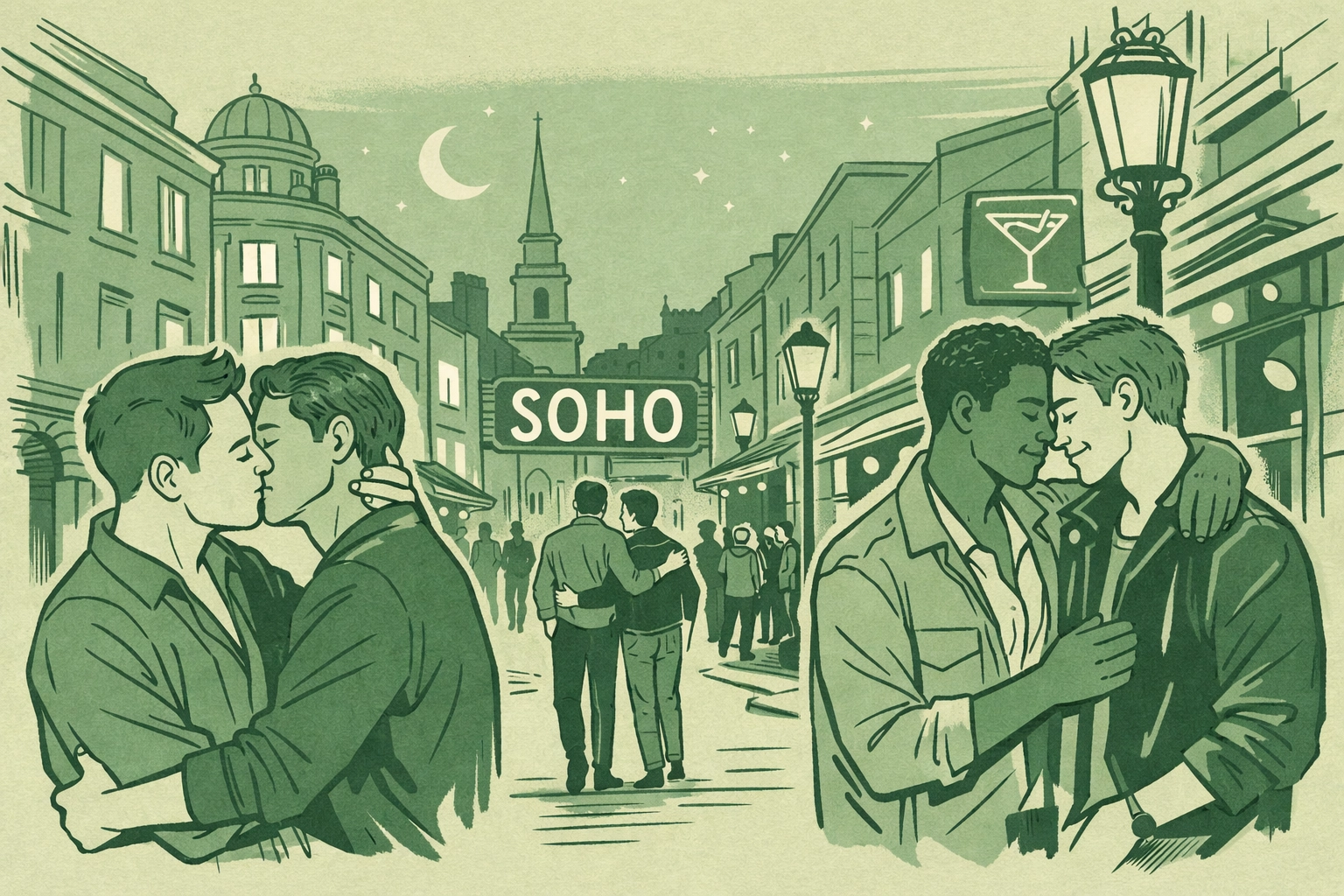
If these cobblestone streets could talk, they’d whisper centuries of secrets, scandals, and forbidden M/M romance. Soho has long been the beating heart of London’s queer scene, a place where identity wasn’t just found, it was forged in the basement bars and neon-lit alleys. But before we dive deep into the gin-soaked history of Old Compton Street, we need to take a moment for an essential part of our modern community: our ace and aro brothers and sisters.
As we celebrate the evolution of queer spaces, we must ensure every identity under our rainbow has a seat at the table.
A Guide to Understanding Asexuality and Aromanticism for Allies
Before we step back in time to the 1800s, let’s talk about the present. In the world of LGBTQ+ fiction and real-life community building, understanding the "A" in the acronym is vital for being a true ally.
Asexuality (Ace) and Aromanticism (Aro) are often misunderstood, especially in a community that frequently prioritizes high-heat steamy MM romance.
- Asexuality is an identity where a person experiences little to no sexual attraction to others.
- Aromanticism is where someone experiences little to no romantic attraction.
Being an ally means recognizing that attraction is a spectrum. In gay literature, we are seeing more "Ace-spec" characters who find deep, meaningful gay love stories based on emotional intimacy rather than physical heat. When you're browsing for your next MM contemporary read at Read with Pride, keep an eye out for these nuanced stories. They remind us that the queer experience is as diverse as the people who inhabit it.
The Underground Era: Soho’s Secret M/M Beginnings (1600s–1970s)
Now, let’s travel back. Long before the rainbow flags flew proudly, Soho was a place of shadows and "don’t ask, don’t tell" encounters. As early as the 1600s, this patch of London was a known spot for men to solicit other men. By the late 1880s, it had earned a gritty reputation as "the Meat Rack."
For the history lover, Soho is a treasure trove of gay historical romance tropes. Imagine the tension of the 1890s, the era of Oscar Wilde’s trials, where the district’s theatres and music halls provided the perfect cover for clandestine meetings.
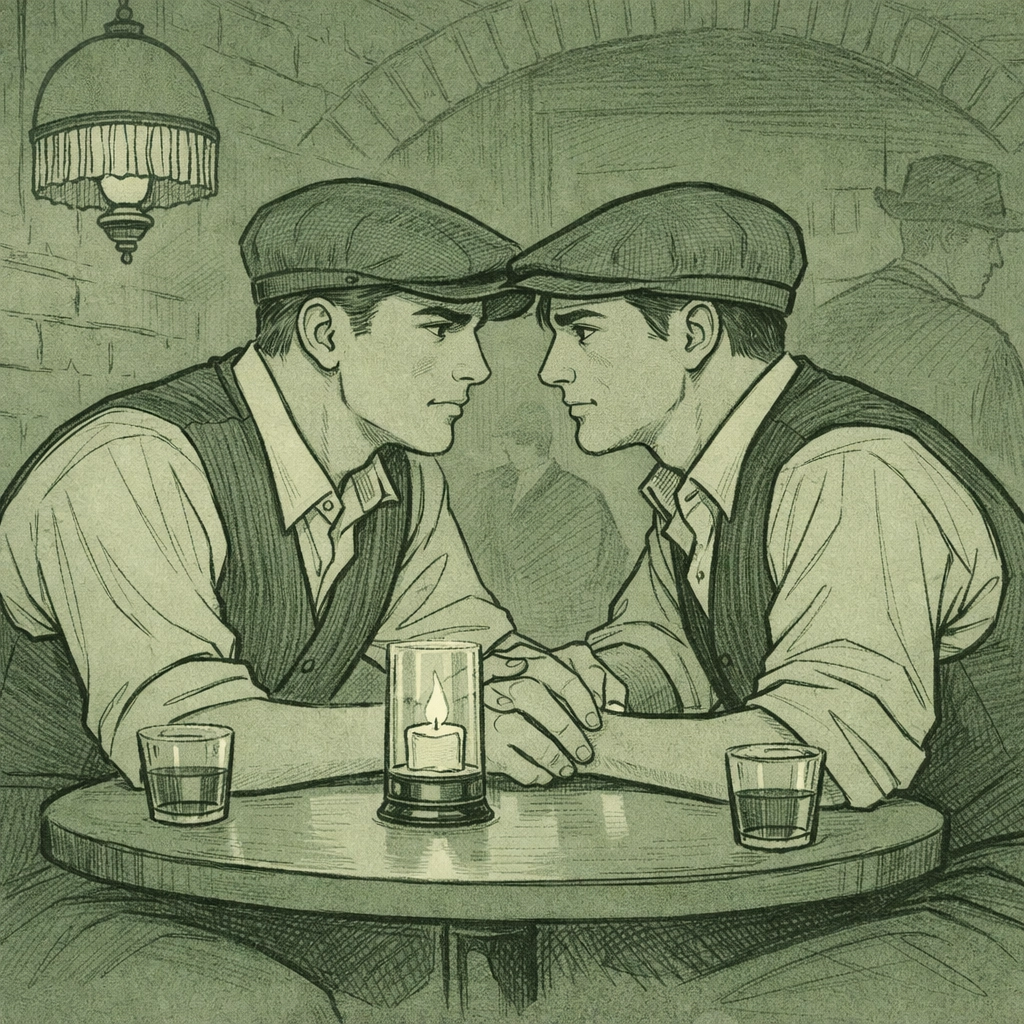
One of the most iconic spots was the Cave of the Golden Calf, which opened just before World War I. It was essentially the first recognizable "gay bar" in London, a place where gaiety was the order of the day and societal rules were left at the door. Shortly after, the Trocadero Long Bar became a legendary spot for homosexual liaisons. If you’re a fan of MM historical romance, you can almost see the sharp-dressed men of the 1920s catching each other’s eyes over a gin fizz.
The Caravan Club and the Price of Freedom
In the 1930s, the Caravan Club on Endell Street became the ultimate "bohemian rendezvous." It was a basement refuge where interracial couples and queer men could socialize freely, until a police raid in 1935 brought it all crashing down. These real-life stories of bravery and heartbreak are exactly what fuel the emotional MM books we love today. They remind us that our "Pride" was bought with the courage of those who lived underground.
The Modern Renaissance: 1980s and the Birth of the "Gay Catwalk"
After falling out of fashion post-WWII (when the scene moved temporarily to Earl’s Court), Soho came roaring back in the late 70s and 80s. This is the era that defined the Soho we know today.
The opening of Heaven in 1979 changed everything. As a world-famous mega club, it brought queer identity out of the basements and onto a global stage. But for the local community, the real shift happened in 1986 when the Swiss Tavern transformed into Comptons. Suddenly, there was a visible, unapologetic queer pub right on the corner.
This sparked a domino effect. Soon, venues like The Village, Rupert Street Bar, and The Yard turned Old Compton Street into the "Gay Catwalk." For readers who enjoy gay contemporary romance, this era is the perfect backdrop, a time of protest, the devastation of the AIDS crisis, but also an indestructible spirit of joy and community.
The Admiral Duncan: A Symbol of Resilience
We can’t talk about Soho’s history without mentioning the 1999 bombing of the Admiral Duncan. This tragic attack was meant to tear the community apart, but it did the opposite. It cemented Soho as our symbolic home. Today, the pub stands as a testament to queer resilience, a must-visit for anyone looking to connect with the roots of London’s LGBTQ+ history.
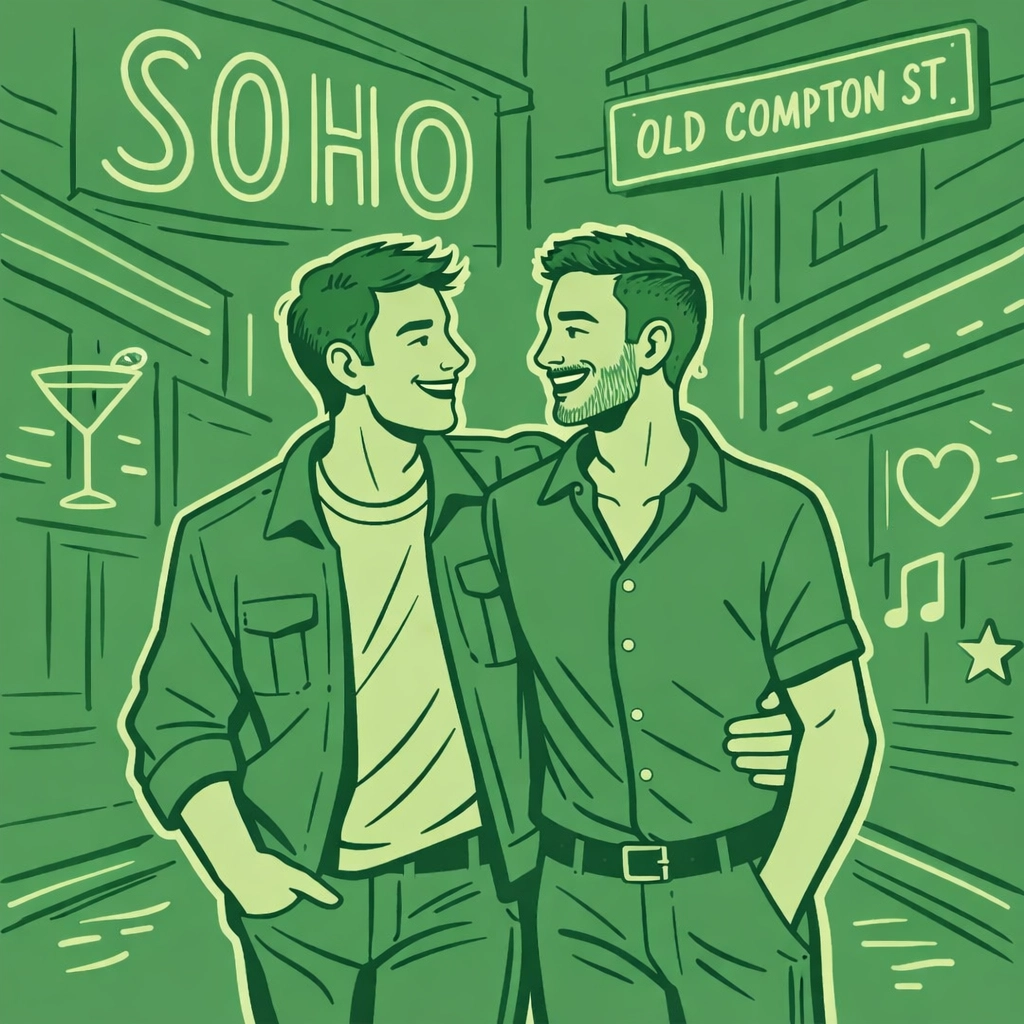
Where to Head Tonight: A Guide for the Modern Romantic
If you’re visiting Soho today, the choice can be overwhelming. Whether you’re looking for a quiet spot to discuss your favorite MM romance series or a place to dance until dawn, there’s a venue for every vibe:
- Comptons: The "Grand Dame" of Soho. Perfect for a pint and some people-watching. It usually attracts a slightly older, sophisticated crowd (men 30+).
- Ku Bar: If you’re in your 20s and looking for high energy and top DJs, this is your spot.
- The Yard: A beautiful courtyard space that feels like a hidden sanctuary, ideal for a first date inspired by a heartfelt gay fiction novel.
- Friendly Society: Tucked away in a basement, this kitschy, disco-ball-filled wonderland is as queer as it gets.
- G-A-Y Late: For when you just want to scream-sing pop anthems at 2 AM.
Why History Matters in Queer Literature
As a publisher at eBooks by Dick Ferguson, I often see how the grit and glamour of Soho’s past find their way into the M/M books we produce. There is a specific kind of magic in a gay thriller set in the fog-heavy streets of Victorian Soho, or a gay adventure romance that starts in a 1950s jazz club.
History gives our stories depth. When we write or read gay novels, we aren't just looking for a "happily ever after", we're looking for a connection to the lineage of men who walked these streets before us.
If you’re looking for your next obsession, whether it’s a gay spy romance or a steamy MM romance, check out our latest curated collections.
Explore the collection here: Read with Pride Store
Soho is more than a neighborhood; it’s a living, breathing testament to the fact that we have always been here. So next time you’re walking down Old Compton Street, take a second to look up at the windows and imagine the stories that unfolded there. Then, head to a bar, grab a drink, and start writing your own.
Follow us on social media for more queer history and book recommendations!
- Instagram: https://www.instagram.com/dickfergusonwriter
- X (Twitter): https://www.x.com/DickFergus94902
- Facebook: https://www.facebook.com/profile.php?id=61572869844598
- Website: www.readwithpride.com
#LGBTQ+ #SohoHistory #GayLondon #MMRomance #QueerLiterature #ReadWithPride #GayBooks #MMFiction #HistoricalRomance #GayTravel #LondonQueerScene
Hey Dick! Here are three blog post options for tomorrow’s schedule:
- "The 'Grumpy x Sunshine' Trope: Why We Can’t Get Enough of Opposites Attracting in MM Romance" – A deep dive into one of our most popular categories with book recommendations.
- "From Pulp to Prestige: How Gay Literature Moved from the Underground to the Mainstream" – A fascinating look at the evolution of queer publishing.
- "Top 5 Steamy MM Romances to Heat Up Your Spring Break" – A listicle targeting readers looking for their next binge-read.

Leave a Reply
You must be logged in to post a comment.