

The Beauty of Being Non-Binary: Living Beyond the Binary Gaze
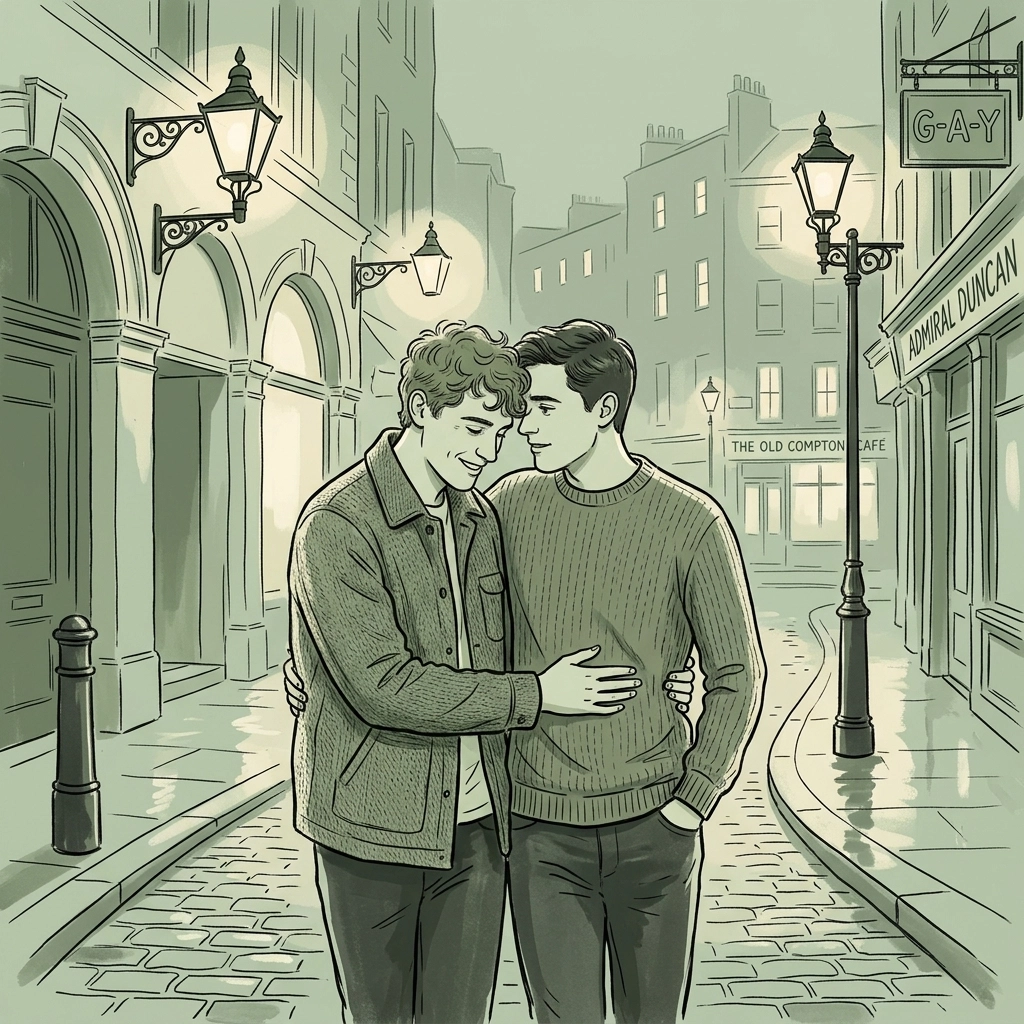
Before we dive deep into the cobblestone streets and neon-lit alleys of London’s most famous district, we have to talk about the spirit that makes Soho what it is. It’s a spirit that defies categories. Long before the term "non-binary" entered the mainstream lexicon, Soho was already a sanctuary for those living beyond the binary gaze.
For centuries, people who didn’t fit the rigid societal expectations of "man" or "woman," "straight" or "gay," found their way to these few square miles. There is a profound beauty in that existence: living authentically in a world that constantly tries to put you in a box. In Soho, the binary gaze was always met with a wink and a glass of gin. It was, and remains, a place where you can just be. This history of fluidity is exactly what makes Soho the beating heart of queer London. Whether you are looking for MM romance inspiration or a deeper connection to LGBTQ+ fiction, understanding Soho is essential.
Why Soho? The Soul of Queer London
If you’re a fan of gay historical romance or spend your nights devouring M/M books, you know that setting is everything. Soho isn't just a location; it's a character. It’s gritty, it’s glamorous, and it’s unapologetically queer. But how did this little patch of London become the global capital of LGBTQ+ life? It wasn't an accident. It was a centuries-long evolution of rebellion and community.
Here are 10 things you should know about the queer history of Soho.
1. The 17th Century: A Reputation is Born
Soho’s reputation as a den of "ill repute" isn't a modern invention. As far back as the 1600s and 1700s, this area was known for its "molly houses" and places where men would solicit other men. While other parts of the City of London were strictly policed, Soho’s maze-like streets and diverse immigrant population made it a bit of a "grey zone." It was the original home for those looking for gay love stories in a time when such stories had to be lived in whispers.
2. The Era of the "Meat Rack"
By the late 1880s, the development of Piccadilly Circus and the grand theatres of Shaftesbury Avenue changed the landscape. Soho became known as "the Meat Rack." This wasn't just about sex work; it was about the visibility of desire. It was a place where people from all walks of life converged, creating a melting pot of subcultures that you often see reflected in MM contemporary novels today.
3. The Cave of the Golden Calf (1912)
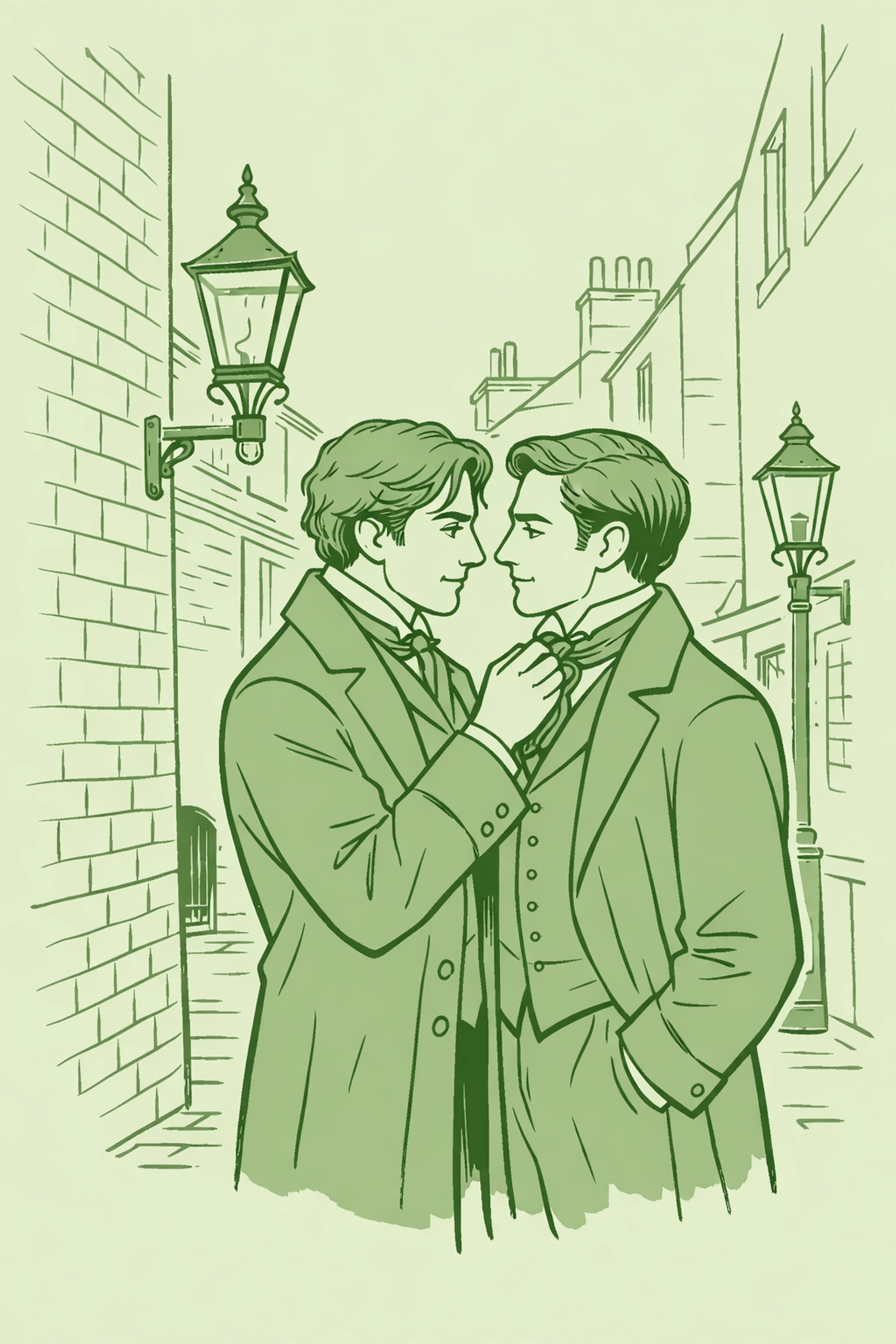
If you’re looking for the ancestor of the modern gay bar, look no further than Heddon Street. Just before World War I, the Cave of the Golden Calf opened its doors. It was an avant-garde cabaret club that welcomed everyone: bohemians, artists, and queer folk. It is widely considered the first true "gay bar" in the way we understand them today. It was a place where the "binary gaze" was well and truly left at the door.
4. The Trocadero Long Bar (1896)
For the gentlemen of the Victorian and Edwardian eras, the Trocadero Long Bar was the place to be. Located on the corner of Shaftesbury Avenue, it was a high-end establishment that became a notorious meeting spot for civil servants and queer men. Imagine a gay historical romance set here: the clinking of crystal, the smell of expensive tobacco, and the high-stakes tension of a forbidden glance.
5. The Oscar Wilde Connection
You can’t talk about queer history or gay literature without mentioning Oscar Wilde. Soho was his playground. He was a regular at Kettner’s (which is still there today!), where he was known to treat waiters with a level of "affection" that scandalized the public during his 1895 trials. Wilde’s presence in Soho cemented the district as a place of intellectual and sexual freedom, a theme we celebrate at Read with Pride.
6. Post-WWII: The Underground Resistance
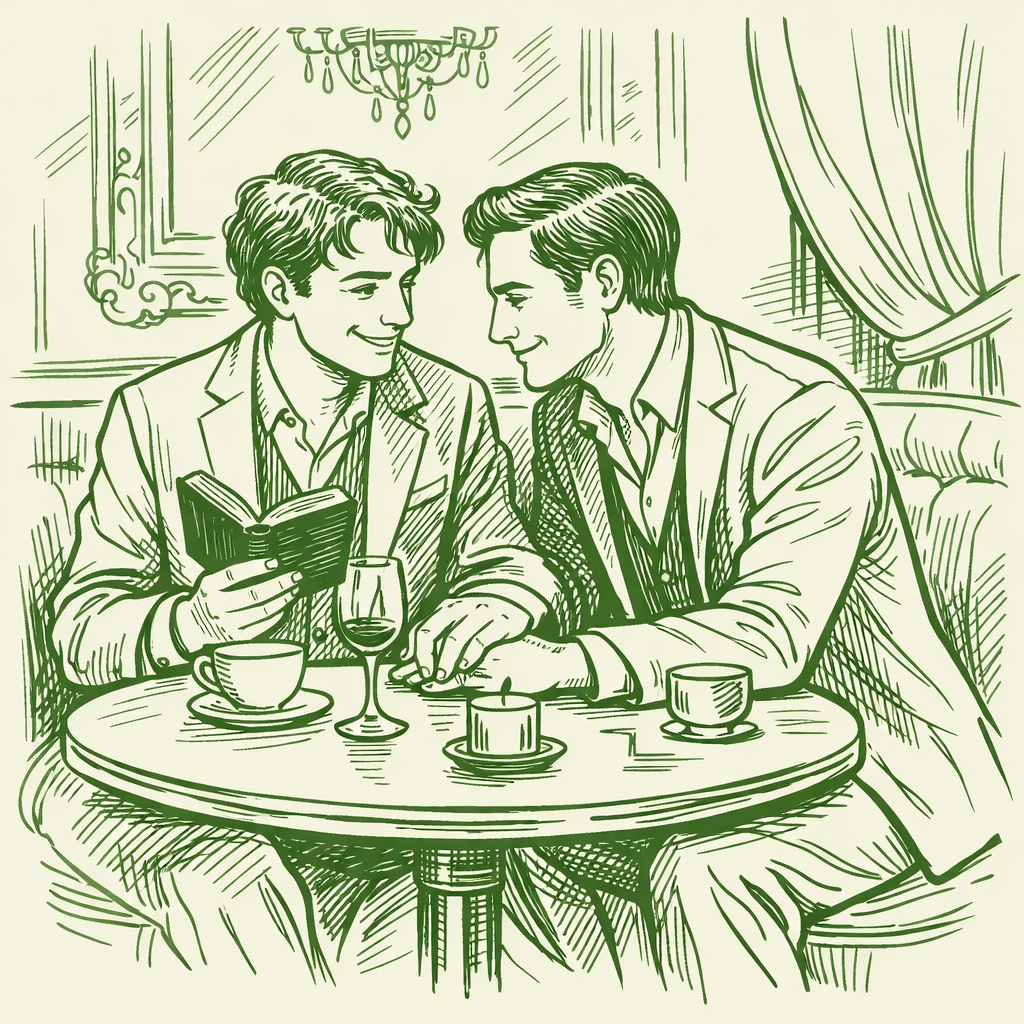
After the Second World War, the UK saw a period of intense repression. However, Soho’s queer pulse didn't stop; it just went underground. Bars like the City of Quebec (which is remarkably still open!) and the legendary Madame Jojo’s (opened in 1968) became beacons for the community. These spaces provided the "heartfelt gay fiction" moments of real life: places where people found family when their own had turned them away.
7. The 1980s Renaissance
While areas like Earl's Court were popular in the 70s, the 1980s saw the community flock back to Soho. The opening of Heaven in 1979 (just on the edge of Soho) and Comptons in 1986 transformed Old Compton Street into the "Gay Village" we know today. This era was filled with both joy and tragedy, providing the raw, emotional depth that many MM authors draw upon for high-angst themes and steamy MM romance.
8. The 1999 Admiral Duncan Bombing
It is impossible to discuss Soho without acknowledging the tragedy of the Admiral Duncan. In April 1999, a neo-Nazi targeted the pub with a nail bomb. It was a horrific attempt to shatter the community, but it had the opposite effect. The tragedy led to an unprecedented show of solidarity, proving that Soho was more than just a party spot: it was a home. This resilience is a cornerstone of queer fiction.
9. The 1990s Peak
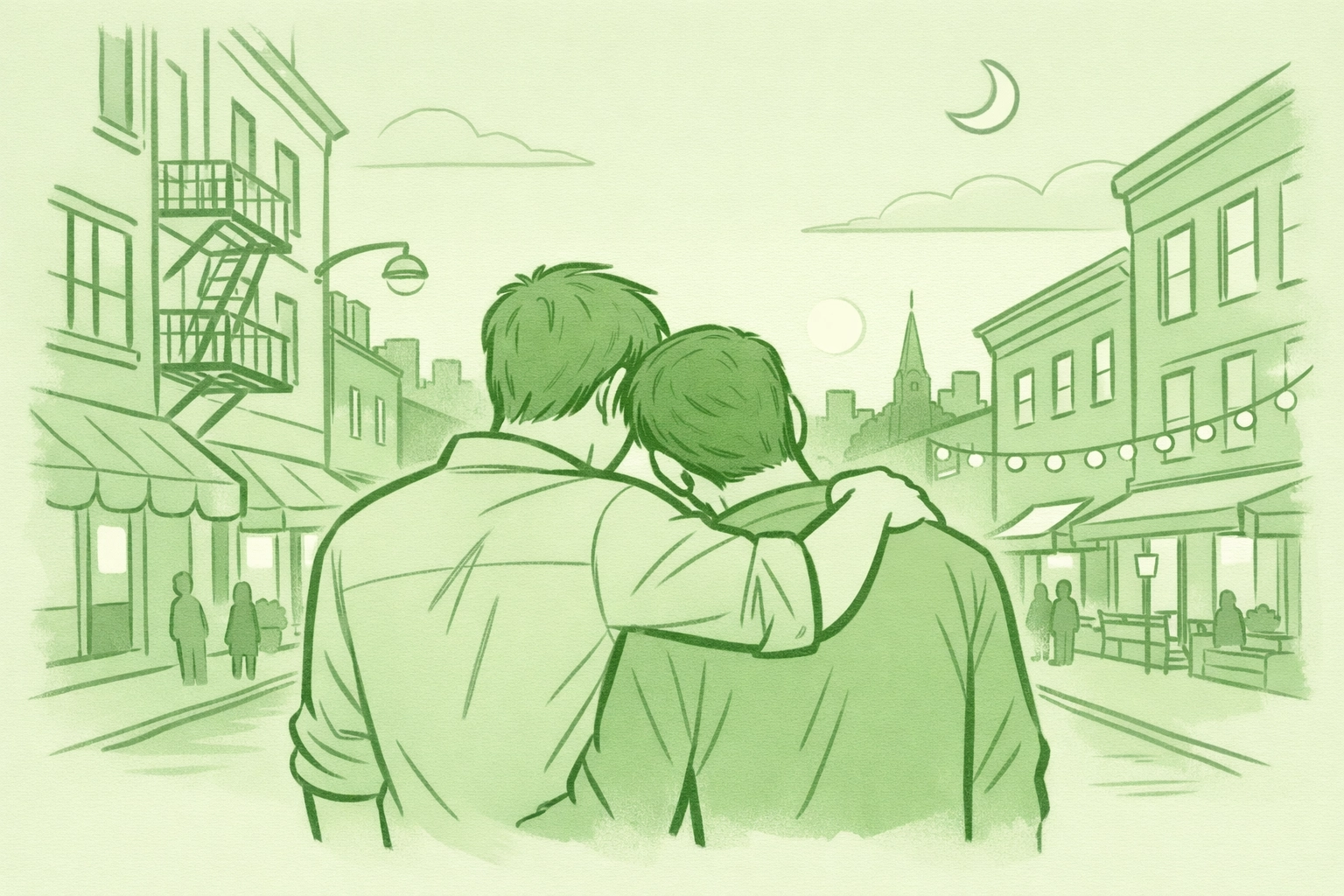
By the mid-90s, Soho was the undisputed center of queer life in Europe. Events like the Valentine’s Day "Queer Street" festival saw thousands of people taking over the streets. This was the era that inspired many of the popular gay books we read today, characterized by a sense of newfound pride and the explosion of queer culture into the mainstream.
10. The Battle Against Gentrification
Today, Soho faces a new challenge: gentrification. The construction of the Elizabeth line and rising rents have seen the closure of iconic spots like The Ghetto and First Out café. However, the spirit of Soho remains. Organizations are fighting to give venues like Heaven protected status. Soho’s history is still being written, and it remains a vital touchstone for anyone who loves gay novels and LGBTQ+ ebooks.
Why We Tell These Stories
At eBooks by Dick Ferguson, we believe that history and fiction are deeply intertwined. When we write or read MM romance books, we are standing on the shoulders of the people who walked Old Compton Street a hundred years ago. Their struggles, their triumphs, and their "love beyond the binary" are what fuel the stories we love today.
If you’re looking for a story that captures this kind of raw, personal emotion, you should definitely check out the announcement of my most personal work yet: The King of Spades and Broken Roses. It’s a dive into the kind of complex, beautiful male/male relationships that have always called Soho home.
And if you’re looking to stock up your digital library with the best MM romance and gay thriller titles, head over to our store: Read with Pride Store.
Soho is more than just a district; it’s a testament to the beauty of living beyond the binary gaze. Next time you walk those streets, remember the ghosts of the Mollys, the bohemians, and the rebels who paved the way.
#QueerHistory #SohoLondon #MMRomance #LGBTQFiction #ReadWithPride #GayLiterature #NonBinaryBeauty #LondonHistory #GayBooks
Follow us on social media!
Stay updated with the latest in MM romance and queer culture:
- Instagram: Follow Dick Ferguson
- X (Twitter): Join the conversation
- Facebook: Connect with us
- Website: www.readwithpride.com
Proactive Blog Post Options for Dick:
- "The Evolution of the Grumpy/Sunshine Trope in MM Romance: Why We Can’t Get Enough" – A deep dive into one of the most popular tropes in the genre, focusing on character dynamics and emotional pay-off.
- "Hidden Gems: 5 Gay Historical Romance Novels That Should Be on Your Radar in 2026" – A curated list of lesser-known titles that capture the spirit of different eras.
- "Writing the Perfect Slow Burn: How to Keep the Tension High in M/M Books" – A craft-focused post for aspiring authors and curious readers about the mechanics of romantic tension.

Leave a Reply
You must be logged in to post a comment.