

Let's be real, fashion has always been a bit of a safe haven for queer creatives. From the studios of Alexander McQueen to the runways of Marc Jacobs, the industry has historically made space for us when other industries wouldn't. But wanting to work in fashion and actually breaking in? That's where things get interesting.
If you've been sketching designs in the margins of your notebooks, obsessing over fabric textures, or daydreaming about one day seeing your creations on a runway, this one's for you. Here's your no-BS guide to making it happen in the fashion world, whether you're aiming for haute couture or just want to turn your passion into a paycheck.
Why Fashion Calls to Us
There's something about fashion that speaks to the queer experience. Maybe it's because we're used to crafting our own identities, playing with presentation, or understanding that what you wear is never just about the clothes, it's about telling your story. The fashion industry gets that in a way that few other fields do.
Plus, let's not forget the practical side: fashion has some of the highest representation of LGBTQ+ professionals in any creative industry. You're not just breaking into a career; you're joining a community that largely gets it. And yes, that includes plenty of those will-they-won't-they workplace dynamics that make for excellent gay workplace romance ebooks fodder. (More on that later.)

Start With the Foundations
Here's the truth that nobody wants to hear: natural talent will only get you so far. Breaking into couture, or any serious fashion work, requires actual skills. The good news? You can learn them.
Education options include:
- Fashion design programs at specialized institutes or universities
- Vocational schools for hands-on sewing and construction training
- Community college courses in textiles, pattern making, and design
- Online courses and workshops for specific skills
- Apprenticeships with established designers or tailors
You don't necessarily need a fancy four-year degree to make it, but you do need the skills. Your portfolio matters way more than your diploma. Employers and clients want to see what you can actually create, not where you studied.
Master the Technical Stuff
Couture isn't just about having a good eye, it's about execution. You need to develop a solid foundation in the technical aspects:
Pattern making is your bread and butter. Learn to draft patterns from scratch, manipulate basic blocks, and translate your sketches into actual garment pieces. This is the backbone of everything.
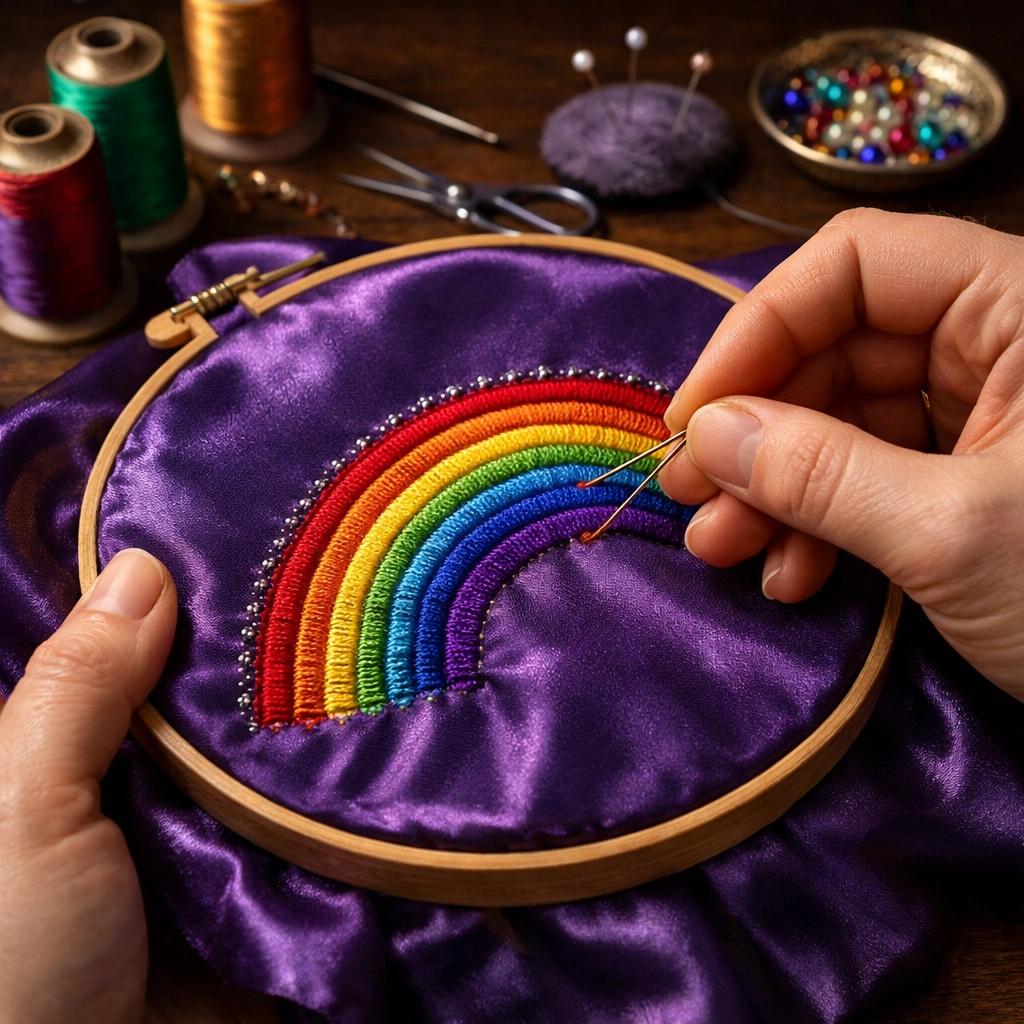
Sewing and construction skills separate the dreamers from the doers. Master different seam techniques, learn how to work with challenging fabrics, understand how garments are actually put together. Hand-sewing, embroidery, and finishing techniques are especially crucial for high-end work.
Draping lets you work directly with fabric on dress forms, which is where the magic happens. It's how you explore silhouette, volume, and fit in real-time.
Technical drawings (called "flats" in the industry) are essential for communicating your designs to pattern makers, factories, and clients. Learn industry-standard illustration techniques.
And please, please learn about fabrics. Understand how silk behaves differently from wool, why certain textiles drape the way they do, what works for structure versus flow. This knowledge will save you countless headaches down the road.
Get Your Hands Dirty (Literally)
Theory is great, but fashion is a hands-on industry. You need real-world experience working with actual garments, actual deadlines, and actual (sometimes demanding) clients or collaborators.
Where to gain experience:
- Tailoring shops and alteration services
- Costume departments for theater or film
- Fashion studios as an intern or assistant
- Boutiques with in-house alterations
- Freelance work for local designers
- Drag performers who need custom pieces (seriously, they're some of the best clients for pushing your skills)
Every project teaches you something. That impossible hem? The zipper that won't sit right? The client who changes their mind three times? These are your real education.
Build a Portfolio That Shows Who You Are
Your portfolio is your calling card, your resume, and your proof of concept all rolled into one. Make it count.
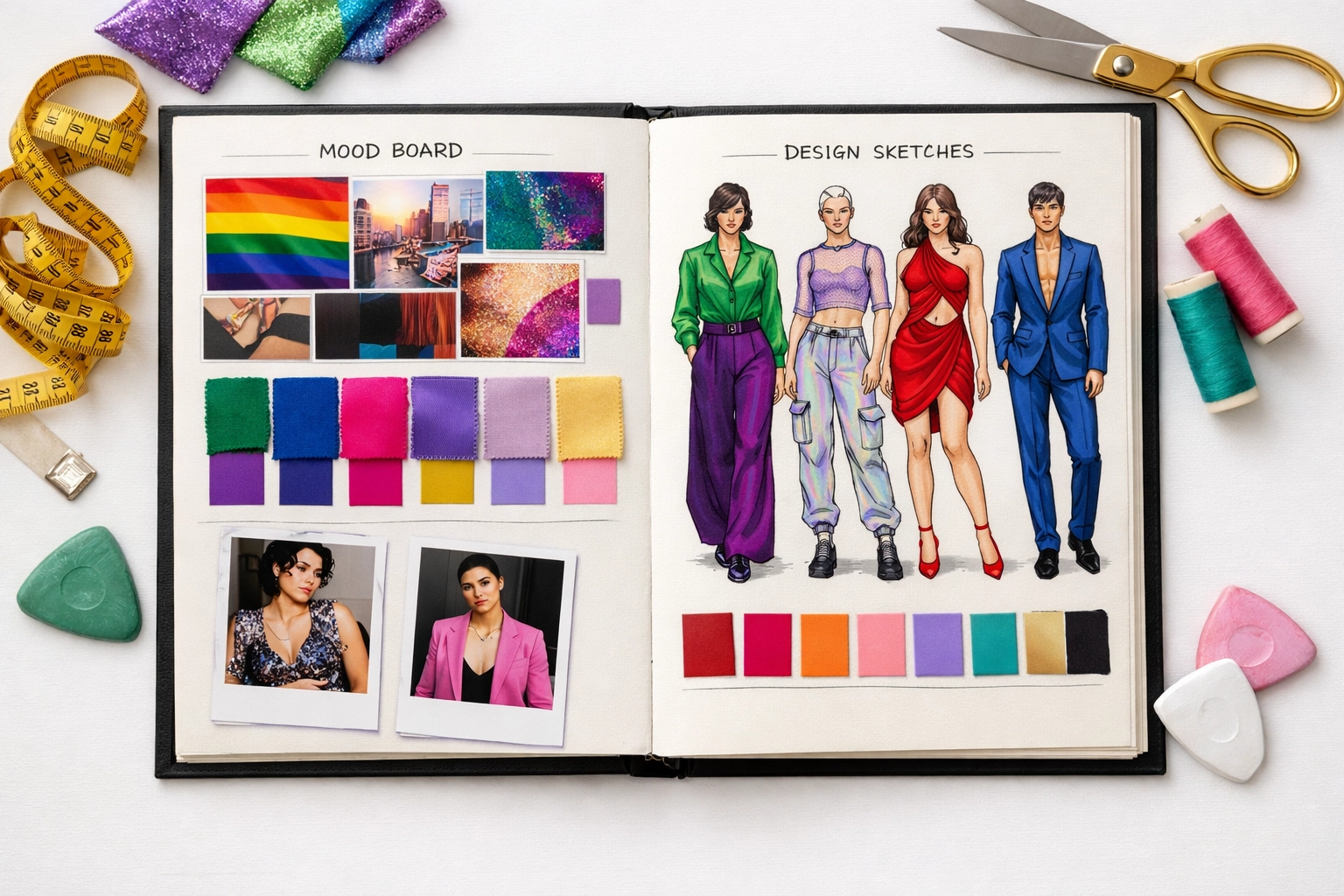
Include your complete design process: mood boards, concept sketches, technical flats, fabric swatches, and photos of finished garments. Show how you think, not just what you make.
Most importantly, let your authentic voice shine through. As a queer designer, your perspective is unique, whether you're creating gender-fluid pieces, challenging traditional silhouettes, or just bringing your own aesthetic to classic styles. Don't hide that. The fashion industry isn't looking for carbon copies; it wants fresh viewpoints.
Navigate the Industry As Your Authentic Self
Here's where it gets personal. Yes, fashion is generally queer-friendly, but that doesn't mean you won't encounter challenges. Some design houses are more progressive than others. Some clients will get you; others won't.
The beautiful thing about fashion in 2026? You have options. You can work for established houses, start your own label, freelance, work in costume design, focus on sustainable fashion, or carve out any number of niche markets. If one path doesn't feel right, pivot.
And let's talk about something that nobody mentions enough: workplace dynamics. The fashion industry is intense, passionate, and full of creative personalities working in close quarters under tight deadlines. Sound like the setup for a romance novel? That's because it kind of is. Those late nights finishing a collection, the rush of seeing your work on a runway, the shared victory after a successful showing: these create bonds. Sometimes professional, sometimes more.
If you're a fan of MM romance books or gay workplace romance ebooks, you'll recognize these scenarios. The tension between a designer and their head patternmaker. The assistant who's secretly more talented than the boss. The rival designers who hate each other until they don't. Real life doesn't always tie up as neatly as fiction, but the emotional intensity? That's real. (And if you want to explore those fantasies in a safe space, Read with Pride has an entire collection of workplace romance stories waiting for you.)
Build Your Network
Fashion is a people business. Your connections matter as much as your skills.
Networking strategies:
- Attend fashion shows, exhibitions, and industry events
- Join professional organizations and LGBTQ+ fashion groups
- Connect with designers on social media (Instagram is essential)
- Volunteer for fashion week events
- Reach out to designers whose work you admire
- Find a mentor who understands your perspective
The queer fashion community, in particular, tends to be supportive. We lift each other up. Don't be afraid to reach out, ask questions, and build genuine relationships. Some of my best industry contacts started as Instagram DMs.
Keep Growing
The fashion industry evolves constantly. What's cutting-edge today is dated tomorrow. Stay curious, keep learning new techniques, experiment with emerging technologies, and always be open to inspiration from unexpected places.
Take those embroidery classes. Learn digital pattern making. Experiment with sustainable materials. Follow what excites you, because that passion will fuel your career through the inevitable rough patches.
You Belong Here
Look, breaking into fashion isn't easy. It requires dedication, skill development, resilience, and often a healthy dose of side-hustle energy while you build your career. But here's what I want you to remember: the fashion industry has always been shaped by queer creatives. From designers to stylists to pattern makers to models, we've been here, pushing boundaries and redefining what's possible.
Your perspective matters. Your voice deserves to be heard. And that design idea that keeps you up at night? The world needs to see it.
So start sketching. Take that class. Build that portfolio. Reach out to that designer you admire. Your career in couture is waiting: you just have to take the first step.
And when you need a break from the hustle, curl up with some LGBTQ+ romance books that get what your world is like. Sometimes the best motivation comes from seeing yourself reflected in stories where queer professionals find love, success, and happiness: even in competitive industries. Check out the collection at readwithpride.com for stories that celebrate queer love in every setting, including the glamorous, dramatic world of fashion.
Ready to dive into more LGBTQ+ content? Follow us for daily inspiration and recommendations:
📘 Facebook
📷 Instagram
🐦 X/Twitter
#ReadWithPride #MMRomance #GayRomanceBooks #LGBTQBooks #QueerFiction #GayWorkplaceRomance #FashionCareer #QueerInFashion #GayFashion #LGBTQFiction #MMRomanceBooks #GayNovels #QueerCreatives #FashionIndustry #GayLoveStories #LGBTQRomance #2026GayBooks #MMContemporary #GayFiction #QueerAuthors

Leave a Reply
You must be logged in to post a comment.