

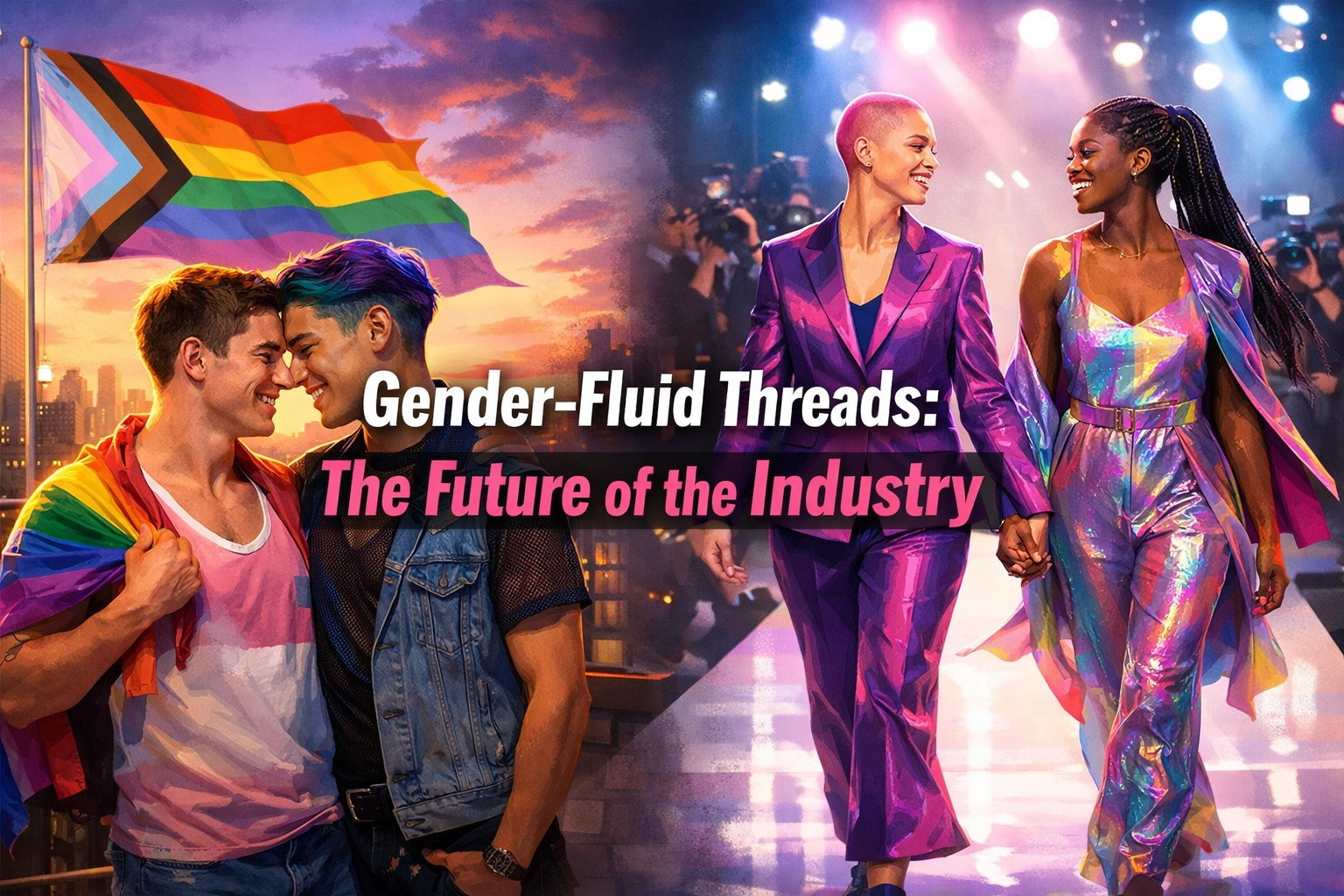
The fashion industry is having its long-overdue identity crisis, and honestly? It's about damn time.
For decades, clothing racks have been divided into rigid binary sections, as if fabric itself had a gender. But walk into any forward-thinking boutique in 2026, and you'll notice something revolutionary: those divisions are disappearing. Gender-fluid fashion isn't just a trend anymore, it's reshaping the entire industry from the ground up, and the transformation is absolutely stunning.
The Numbers Don't Lie: Fashion Is Getting Fluid
Let's talk cold, hard cash. Unisex fashion hit an estimated $3.2 billion globally in 2024, and that number keeps climbing. This isn't some niche market serving a small demographic, this is mainstream consumer behavior shifting in real time.
Here's what really blows my mind: according to recent consumer research, 36% of U.S. shoppers have already purchased fashion outside their traditional gender identity. But wait, it gets better. A whopping 70% of consumers expressed interest in buying gender-fluid fashion in the future. That's not just acceptance, that's enthusiasm.
Gen Z and millennials are driving this revolution, refusing to let outdated categories dictate their self-expression. They're not asking permission to wear what feels right; they're simply doing it, and brands are scrambling to keep up.
Major Brands Are Finally Catching On
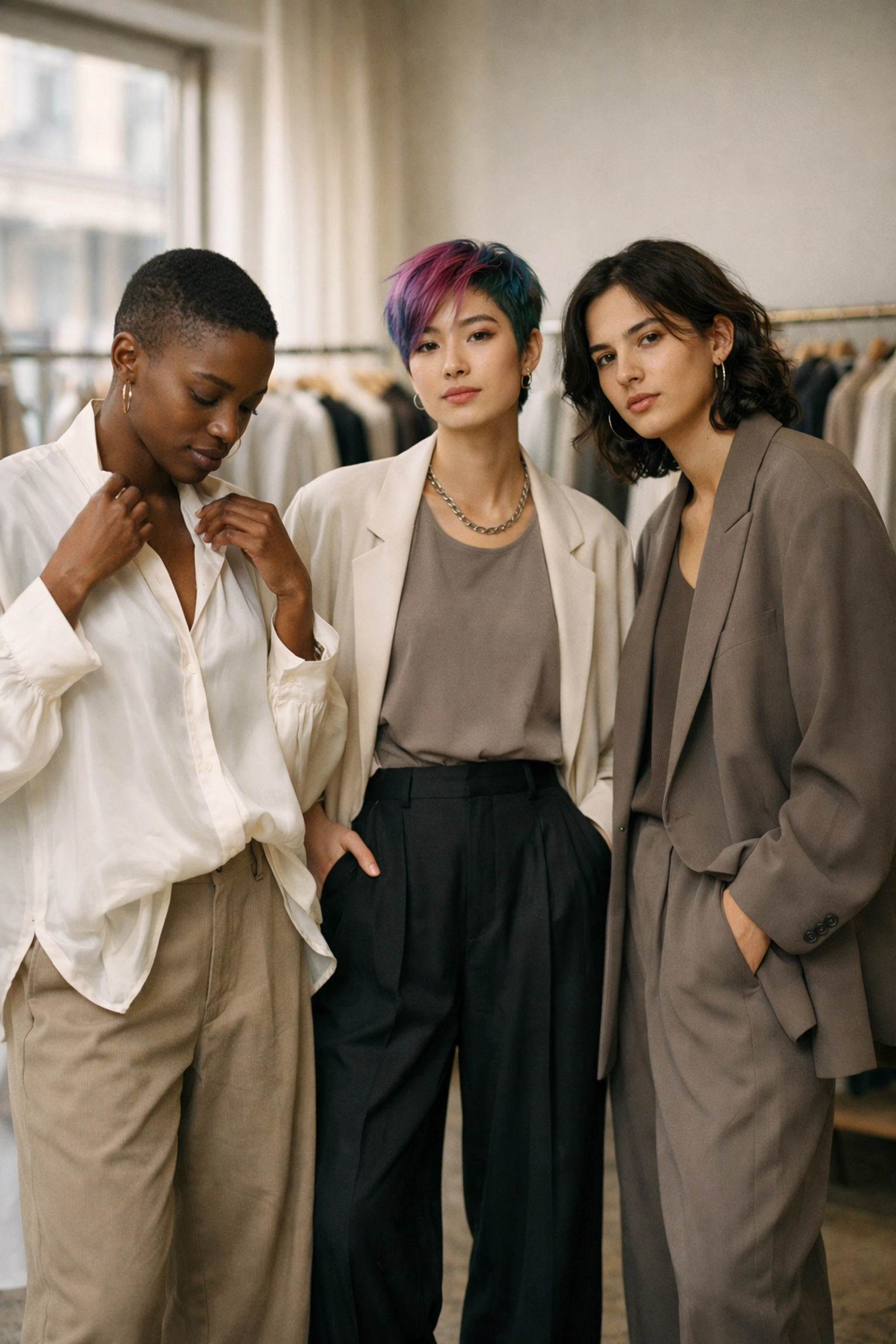
The luxury and mainstream fashion worlds have woken up to reality. Gucci, H&M, Zara, Nike, Levi's, names that once strictly divided their collections by gender, are now launching dedicated gender-fluid lines that prioritize universal fits and crossover appeal.
But here's what makes this different from previous "unisex" attempts: brands aren't just slapping neutral labels on existing gendered clothing. Forward-thinking designers are designing without gender first, fundamentally rethinking how garments are constructed. This means:
- Inclusive sizing that actually works across different body types
- Boxy, relaxed fits that don't assume your shape
- Fluid silhouettes that adapt to how you want to wear them
- Neutral color palettes that go beyond basic beige
- Multi-functional pieces that can be styled a thousand different ways
This isn't about making everything grey and shapeless (though there's nothing wrong with that if it's your vibe). It's about creating clothes that are tools for personal expression rather than markers of assigned gender.
The Design Revolution: What Gender-Fluid Actually Looks Like
So what does this new fashion landscape actually look like when you're browsing for gay romance novels at Read with Pride and want something fresh to wear while curled up with your latest MM romance obsession?
Picture oversized blazers that command attention regardless of who's wearing them. Drop-crotch pants that redefine comfort. Flowing robes that blur every traditional line. Unisex tailoring that makes everyone look sharp without forcing anyone into outdated molds.
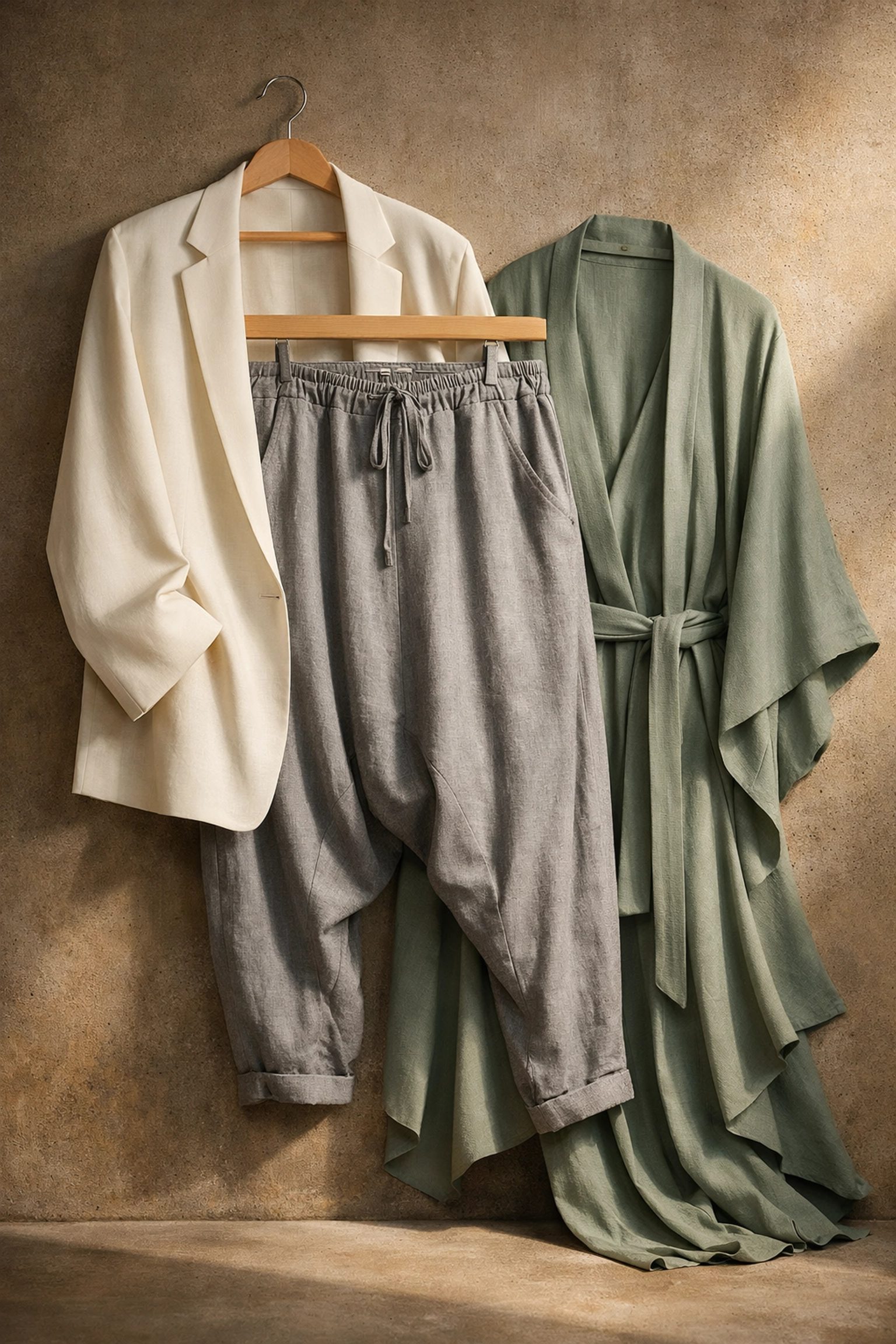
The fashion industry is finally learning what the queer community has known forever: clothes are just fabric and thread until we decide what they mean. A skirt doesn't have inherent gender. Neither does a tie, a dress, or a perfectly tailored suit.
Celebrity endorsement has helped normalize these aesthetics. Harry Styles in a dress on magazine covers. Bad Bunny in skirts and heels. Billy Porter turning every red carpet into a gender-revolution runway. Janelle Monáe making androgyny look effortlessly cool. These aren't gimmicks: they're artists showing the world what authentic self-expression looks like.
Shopping Itself Is Changing
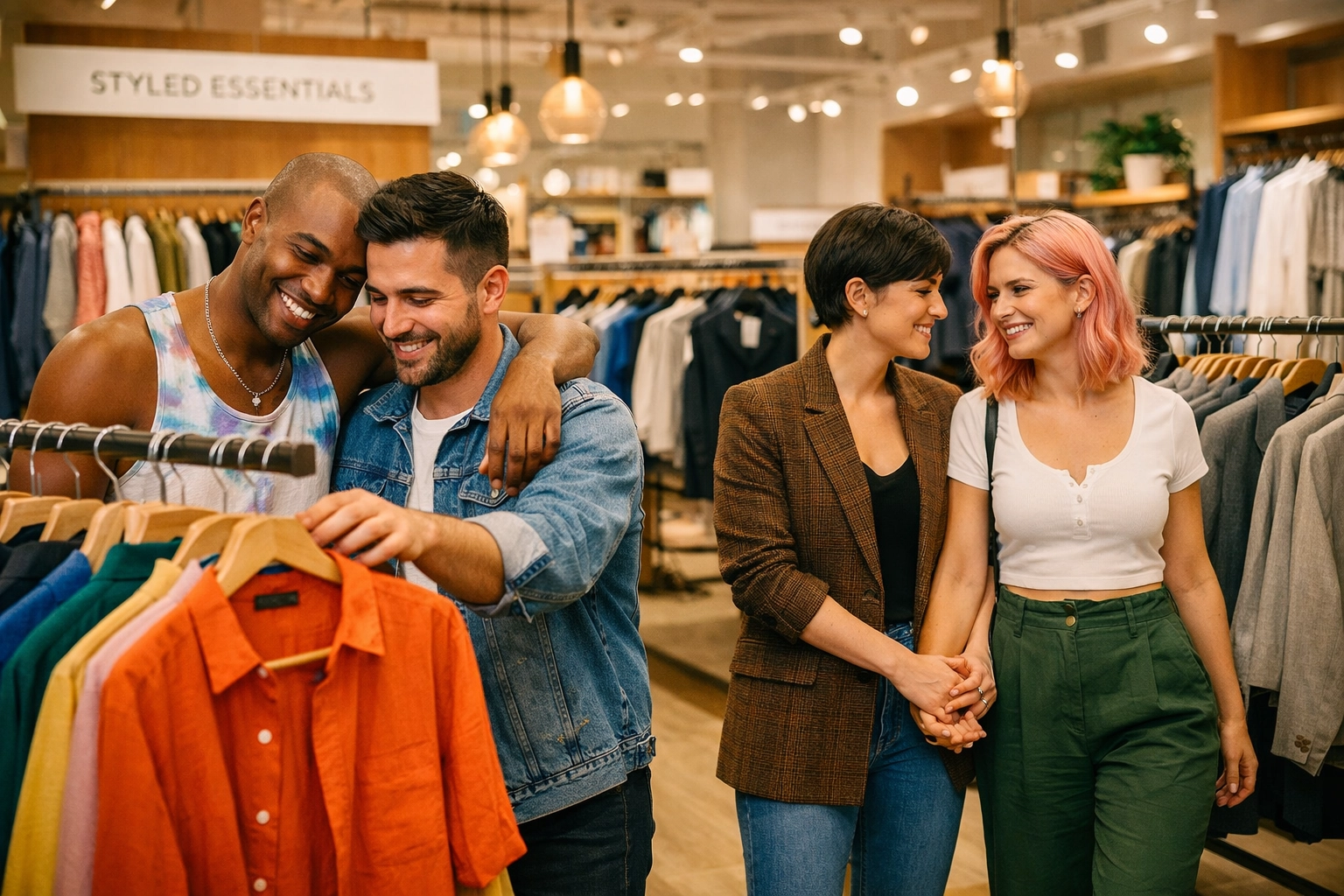
Here's where it gets really interesting: department stores are fundamentally restructuring their physical spaces. Instead of "Men's" and "Women's" sections, progressive retailers are organizing by function or aesthetic.
Looking for outerwear? There's a section for that: no gender labels required. Want something formal? Here's everything that fits that vibe, regardless of who it was "meant" for. Prefer athleisure? It's all together, because comfort doesn't have a gender.
This shift changes the entire shopping experience. You're no longer navigating arbitrary boundaries that might not match your identity. You're simply looking for what speaks to you, what fits your body, what makes you feel like yourself.
For many in the LGBTQ+ community, this is more than convenient: it's validating. Shopping is no longer a reminder of how society wants to categorize you. It's just… shopping.
Why This Matters for Authentic LGBTQ+ Representation
The rise of gender-fluid fashion represents something bigger than just clothing trends. It's a cultural shift toward recognizing that authentic LGBTQ+ representation means creating spaces: physical and metaphorical: where people can exist without being forced into boxes that never fit in the first place.
Every time a major brand launches a gender-fluid collection, they're making a statement: your identity is valid. Your way of expressing yourself matters. The fashion industry sees you, and it's finally responding.
This visibility matters. When a kid questioning their gender identity walks into a store and sees clothing that doesn't assume their identity before they've even touched a hanger, that's powerful. When someone who's been out for decades finds fashion that finally matches who they've always been, that's revolutionary.
The Business Case: Why Brands Are All In
Let's be real: corporations don't make changes out of pure altruism. There's a solid business case for gender-fluid fashion, and it's worth understanding.
Inclusive design deepens customer loyalty. When people feel seen and respected by a brand, they return. They tell their friends. They become advocates.
It also reduces product complexity. Instead of designing, manufacturing, and marketing separate lines for different genders, brands can streamline their operations around versatile, universal pieces.
Plus, companies positioning themselves at the forefront of this movement are betting on cultural trends that show no signs of reversing. Gen Z isn't going to wake up one day and decide that rigid gender categories in fashion make sense again. This is the future, and smart brands know it.
What's Next for Gender-Fluid Fashion
Looking forward, the vision for fashion is simple but radical: clothes as pure self-expression. No assumptions. No limitations. Just fabric, creativity, and the freedom to wear whatever the hell makes you feel like yourself.
We'll see more brands moving away from gendered collections entirely. More designers starting from a place of inclusivity rather than retrofitting it. More retail spaces that organize by style, function, or mood rather than outdated binary categories.
The technical innovations will keep coming too: fabrics that adapt to different body types, sizing systems that actually make sense, and design practices that consider the full spectrum of human diversity from the beginning.
Your Wardrobe, Your Rules
At the end of the day, gender-fluid fashion is about one thing: freedom. Freedom to express yourself authentically. Freedom to shop without navigating arbitrary barriers. Freedom to get dressed in the morning and feel like you.
Whether you're settling in with the latest MM romance books from Read with Pride, heading out to make your mark on the world, or just living your truth one outfit at a time, you deserve clothing that works for you: not the other way around.
The fashion industry is finally catching up to what the queer community has always known: gender is a social construct, but style is personal. And that's something worth celebrating.
Want more stories about LGBTQ+ culture, community, and the things that matter? Follow us on Facebook, Instagram, and X for daily inspiration, or check out our collection of authentic gay romance novels and queer fiction at Readwithpride.com.
#GenderFluidFashion #QueerFashion #LGBTQRepresentation #ReadWithPride #MMRomance #GayRomanceBooks #QueerFiction #AuthenticExpression #FashionRevolution #GenderFluidity #InclusiveFashion #LGBTQCommunity #QueerCulture #2026Fashion #GayLoveStories #MMRomanceBooks #LGBTQEbooks #PrideInFashion #BeYourself

Leave a Reply
You must be logged in to post a comment.