

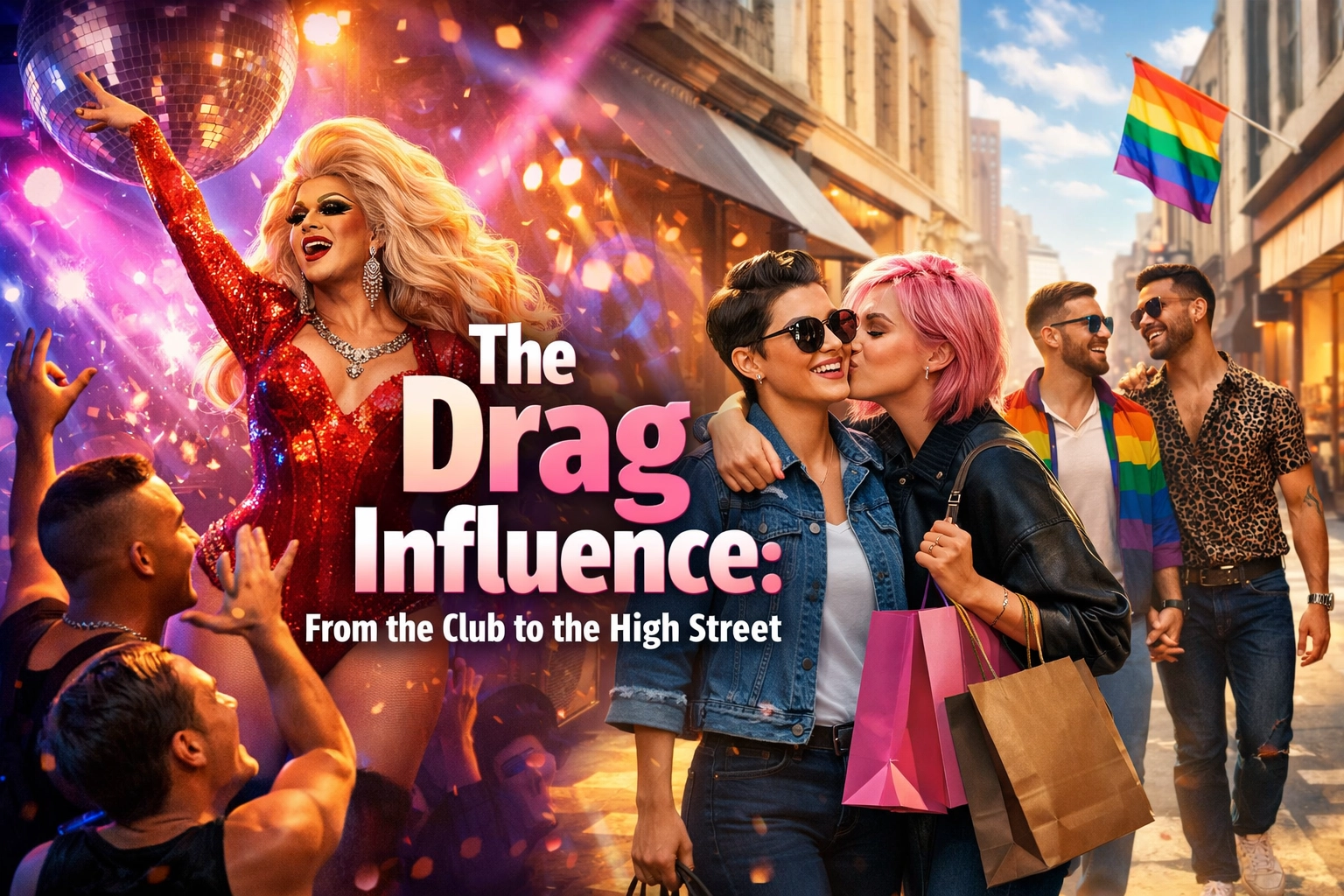
Let's talk about one of the most fabulous fashion revolutions of our time: the journey of drag aesthetics from underground clubs to your local high street. If you've noticed that fashion has gotten bolder, brighter, and a whole lot more fun lately, you can thank drag culture for that. What started as rebellion in dimly lit ballrooms has become the blueprint for how we all express ourselves through clothing today.
The Underground Revolution
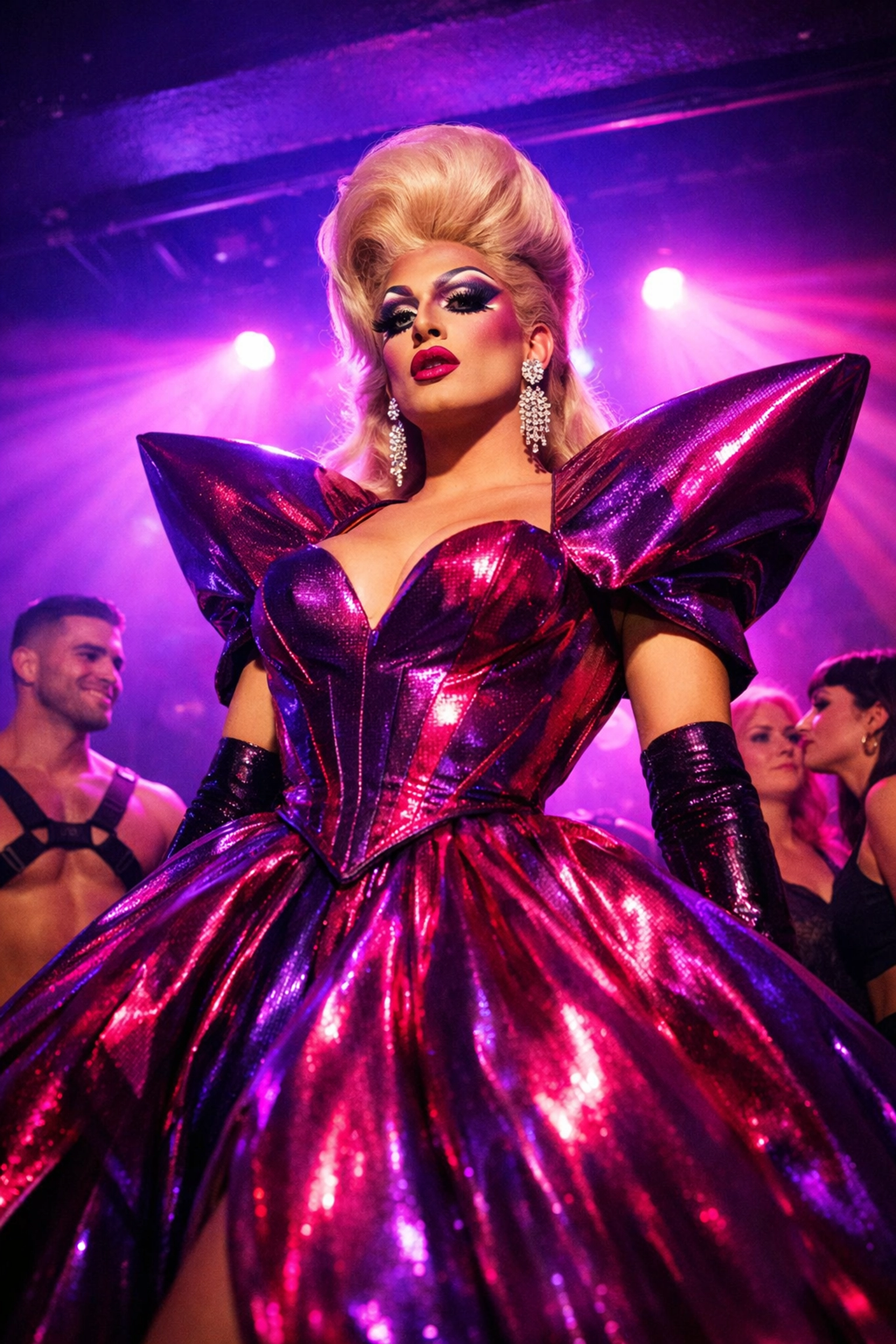
Drag didn't start on reality TV or designer runways. It began in the underground LGBTQ+ communities where drag balls served as creative battlegrounds: safe spaces where queer people could challenge every boring fashion rule society tried to impose. These weren't just parties; they were acts of defiance wrapped in sequins and served with a death drop.
In those spaces, drag queens pioneered looks that would seem outrageous anywhere else: exaggerated silhouettes, theatrical makeup, gender-bending ensembles that made people question everything they thought they knew about "men's" and "women's" clothing. The underground drag scene was doing gender-fluid fashion decades before it became a hashtag.
The 1990s: When Designers Started Paying Attention
The 1990s marked a seismic shift. Drag queens started appearing on television and runways, and suddenly high-fashion designers realized what the queer community had known all along: drag aesthetics were absolutely revolutionary.
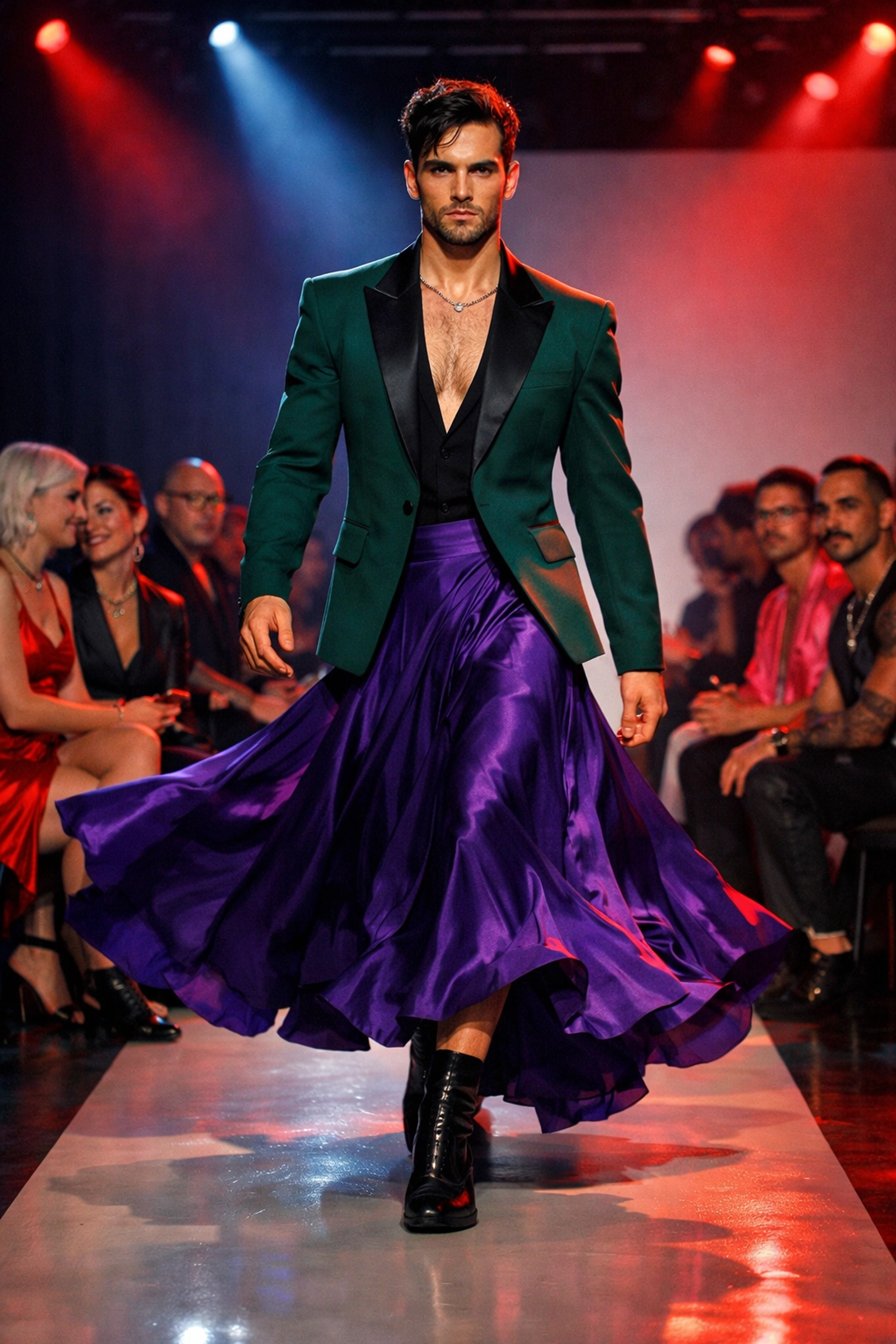
Jean Paul Gaultier threw down the gauntlet in 1992 with a collection that featured men strutting down runways in skirts and women owning pinstripe suits. This wasn't just fashion; it was a direct love letter to drag's gender-fluidity. Then Marc Jacobs came through with his infamous 1993 "Grunge Collection" for Perry Ellis, complete with exaggerated makeup and theatrical accessories that screamed drag influence.
Were these collections controversial? Absolutely. Did they change fashion forever? You bet your perfectly contoured cheekbones they did.
RuPaul's Drag Race: The Game Changer
Let's be real: RuPaul's Drag Race didn't just influence fashion; it detonated it in the best possible way. When the show launched, it introduced global audiences to the artistry, creativity, and sheer talent of drag performers. Suddenly, millions of people were learning about tucking, padding, contouring, and the fine art of serving lewks.
Designers who'd never stepped foot in a drag club were now glued to their screens, taking notes. The impact was immediate and massive. Drag queens weren't just performers anymore: they were fashion icons, beauty gurus, and style authorities. Queens like Tayce and Bimini landed professional modeling contracts. Major fashion houses started calling. The underground had officially gone mainstream.
What Drag Brought to Your Wardrobe
So what exactly did drag culture gift to mainstream fashion? Let's break down the fabulousness:
Exaggerated Silhouettes: Drag taught fashion that bigger is often better. Those accentuated waists, dramatic shoulders, and sculptural hips? Pure drag energy. Alexander McQueen's SS99 collection was basically a drag ball on a runway: sculptural shapes, intense makeup, and an unapologetic attitude.
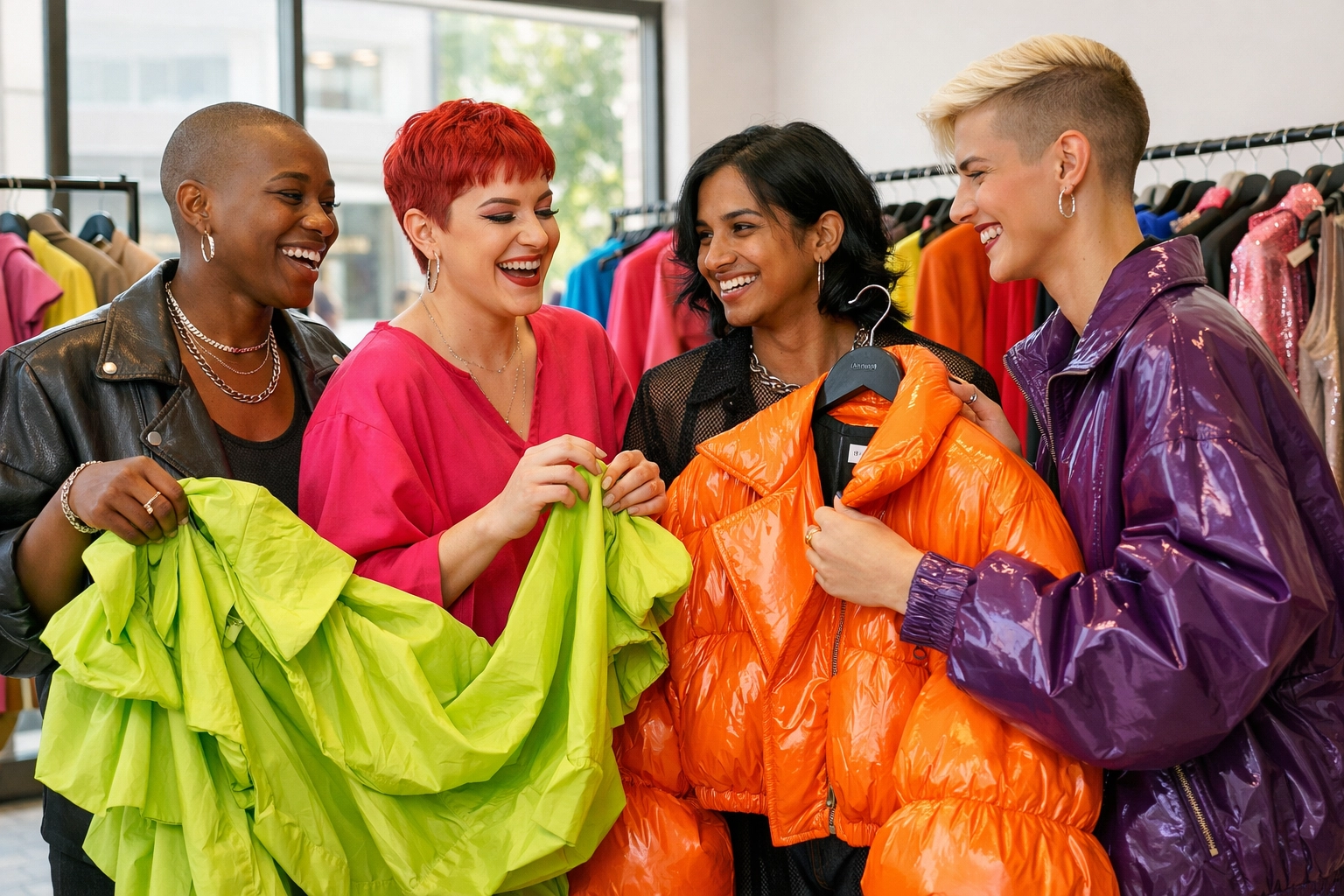
Bold, Vibrant Colors: Before drag went mainstream, fashion played it safe with neutrals. Drag queens said "absolutely not" and brought neon hues, electric blues, and colors that don't even have names yet. When Lady Gaga and Nicki Minaj started rocking bright hair colors, they were channeling pure drag aesthetics.
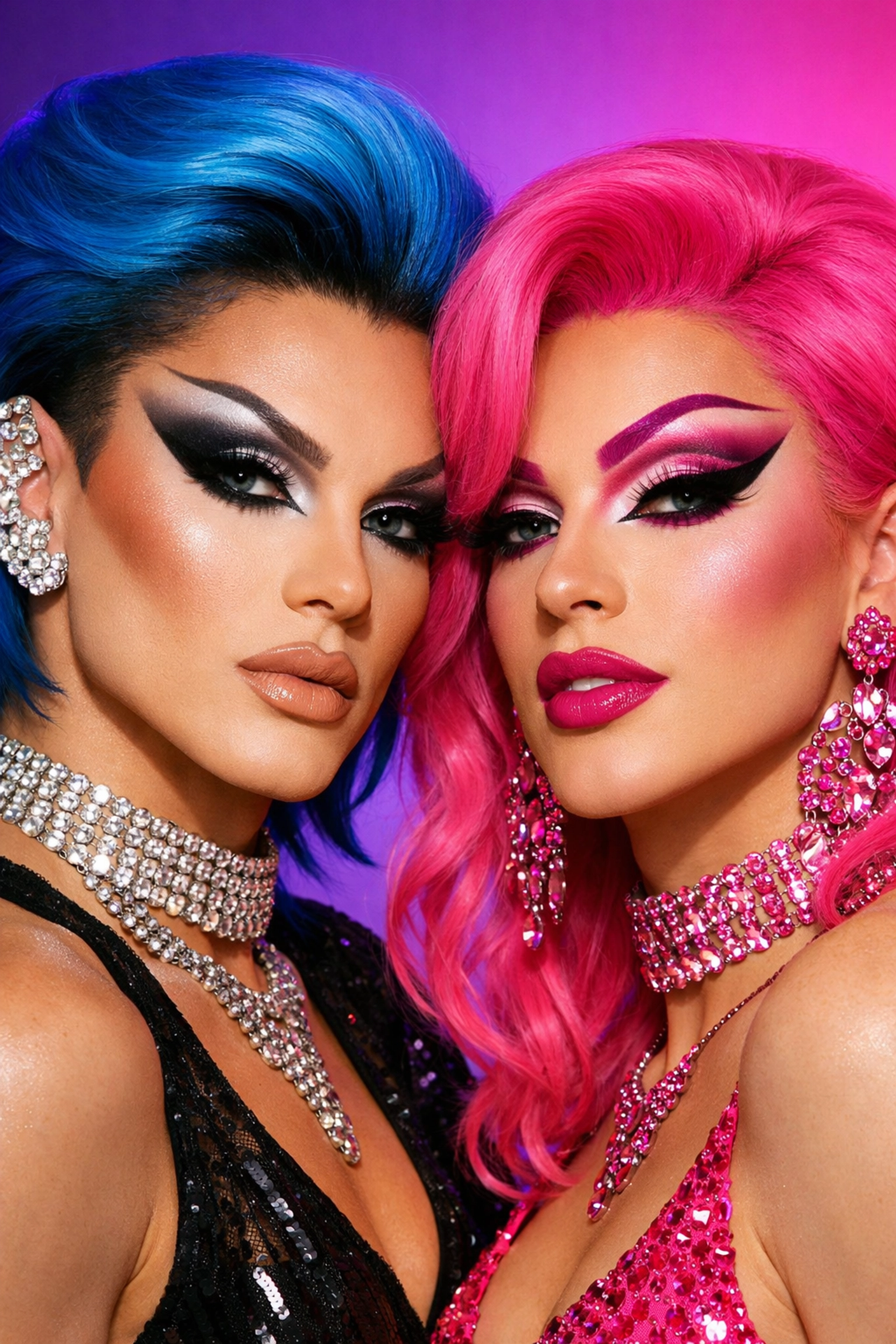
Theatrical Makeup: The art of contouring, cut creases, and bold lips didn't come from YouTube beauty tutorials: it came from drag queens who'd been perfecting these techniques for decades. Now everyone's contouring like they're about to perform at a club.
Gender-Nonconforming Fashion: Perhaps drag's greatest gift to fashion is the demolition of gender boundaries in clothing. Skirts for men, suits for women, clothes that just exist without needing a gendered label: drag showed us that clothes are just fabric and self-expression knows no gender.
From Haute Couture to High Street
The influence didn't stop at designer runways. Walk into any high street store today, and you'll see drag's fingerprints everywhere. Brands like Wildfang, Kirrin Finch, and Telfar: queer-owned companies that prioritize inclusive, gender-nonconforming designs: have moved from niche to mainstream recognition.
Major retailers caught on too. Pretty Little Thing and Nasty Gal partnered with Drag Race alumni on collections that brought drag aesthetics to everyday fashion. Moschino's Jeremy Scott has been serving drag-inspired looks for years: theatrical, bold, and completely unafraid.
The best part? This isn't just about high-end fashion anymore. Your local mall probably has pieces influenced by drag culture: oversized blazers with dramatic shoulders, statement accessories that demand attention, bold prints that refuse to blend into the background.
The Business of Being Fabulous
Let's talk opportunities. The drag influence has created an entire ecosystem of fashion innovation. We're seeing more inclusive sizing, more diverse marketing, and fashion that celebrates all bodies and identities. Brands are realizing that the future of fashion isn't about limiting who can wear what: it's about expanding possibilities for everyone.
This shift represents real economic power too. Queer-owned fashion brands are thriving. Drag performers are launching their own fashion lines. The LGBTQ+ community's spending power: estimated in the billions: is forcing the industry to pay attention and do better.
Reading the Fashion Revolution
At Read with Pride, we celebrate these authentic queer narratives that shape our culture. Fashion is storytelling, and drag culture has written some of the most compelling chapters in modern style history. Just like the MM romance books and gay fiction we publish showcase diverse love stories, drag's influence on fashion showcases diverse ways of existing in the world.
The journey from underground clubs to high street stores isn't just about clothes: it's about visibility, acceptance, and the power of authentic self-expression. It's about queer people saying "we're here, we're fabulous, and we're changing the game."
The Future Is Fabulous
Today's fashion landscape would be unrecognizable without drag's influence. Those gender-neutral collections? Drag did it first. That bold makeup look you're rocking? Drag queens perfected it. That confidence to wear whatever makes you feel powerful? That's pure drag energy.
The beautiful thing is, this is just the beginning. As more people discover and celebrate drag culture: whether through reality TV, local performances, or social media: the influence will only grow. Fashion is becoming more inclusive, more creative, and more fun because drag showed us it was possible all along.
So next time you're browsing the racks at your favorite store and you spot something bold, dramatic, or delightfully extra, remember: that's drag culture's legacy. That's queer creativity changing the world, one fabulous outfit at a time.
Want more authentic queer narratives and LGBTQ+ stories? Follow us on Instagram, Facebook, and X/Twitter for daily doses of MM romance, gay fiction, and queer culture content.
#ReadWithPride #DragCulture #QueerFashion #LGBTQFashion #DragInfluence #MMRomance #GayFiction #QueerNarratives #AuthenticStories #FashionRevolution #GenderFluid #InclusiveFashion #DragRace #HighStreetFashion #QueerCreativity #LGBTQBooks #GayRomanceBooks #QueerLiterature #2026Fashion #PrideInFashion

Leave a Reply
You must be logged in to post a comment.