

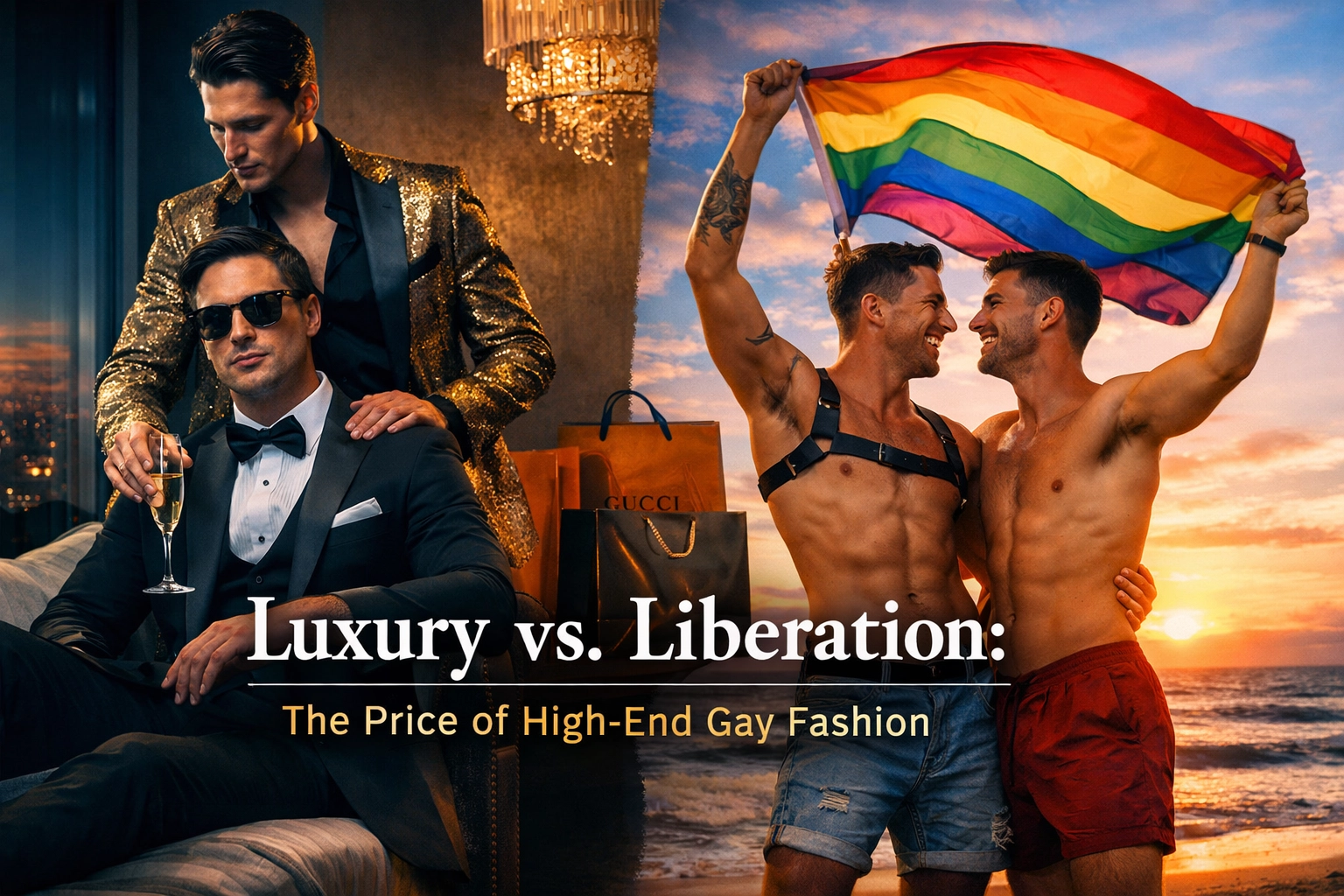
Let's talk about something that sits at the uncomfortable intersection of queer visibility and capitalism: luxury gay fashion. You know, those $200 harnesses, $150 pride-themed sneakers, and designer jockstraps that cost more than your monthly gym membership. Are we celebrating liberation or just getting really good at monetizing it?
It's complicated: and like the best MM romance books 2026 has to offer, there's no simple answer. Just layers of tension, conflict, and maybe a redemption arc if we're lucky.
The Runway to Visibility
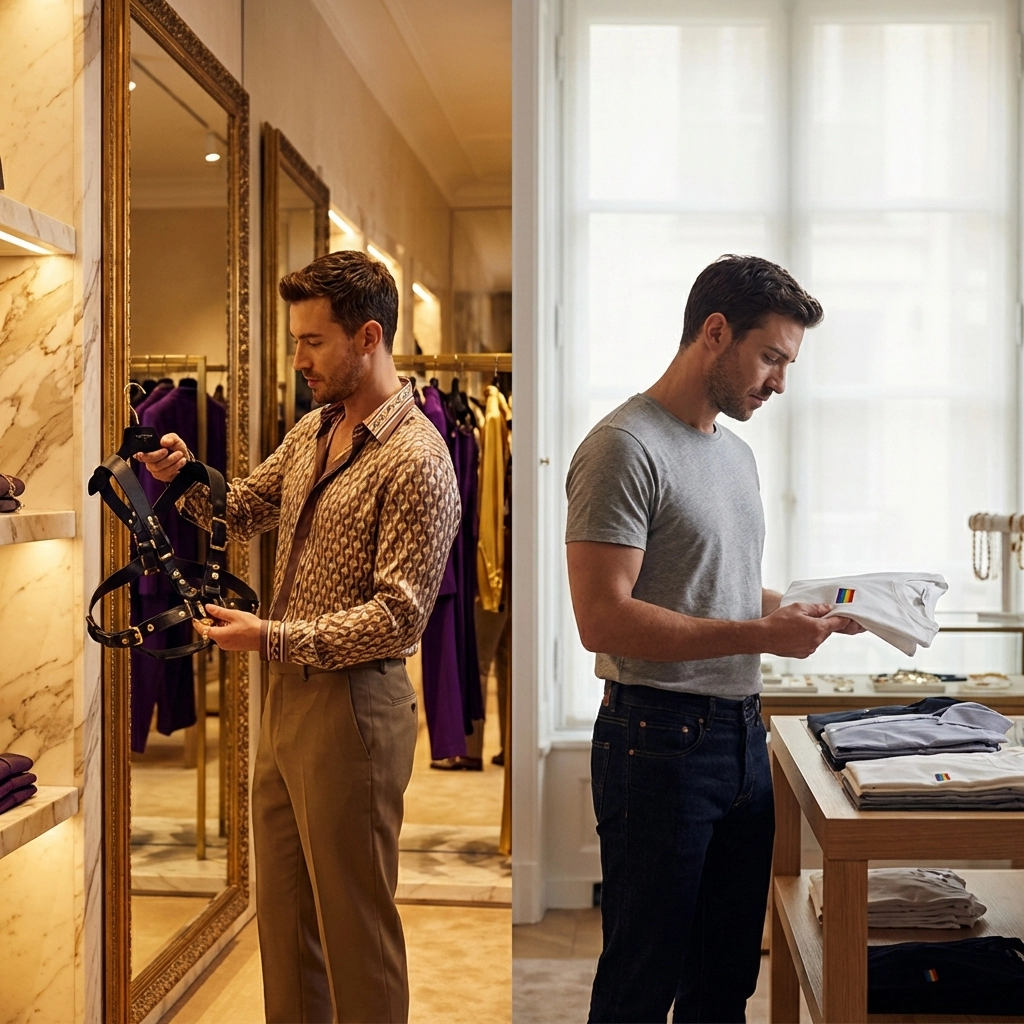
Here's the thing: fashion has always been a language for queer people. When we couldn't say it out loud, we wore it. A particular earring, a specific color handkerchief, a carefully chosen accessory: these were the coded messages that helped us find each other in a hostile world.
Fast forward to 2026, and the landscape has shifted dramatically. We've got openly gay designers at major fashion houses, rainbow capitalism during Pride month (for better or worse), and an entire industry dedicated to "gay fashion." Brands like ES Collection and Timoteo position themselves as premium options specifically for queer men, offering everything from basics to statement pieces that scream "I'm here, I'm queer, and my credit card limit is astronomical."
But here's where it gets interesting: when liberation becomes a luxury good, who gets left behind?
The Price Tag on Pride
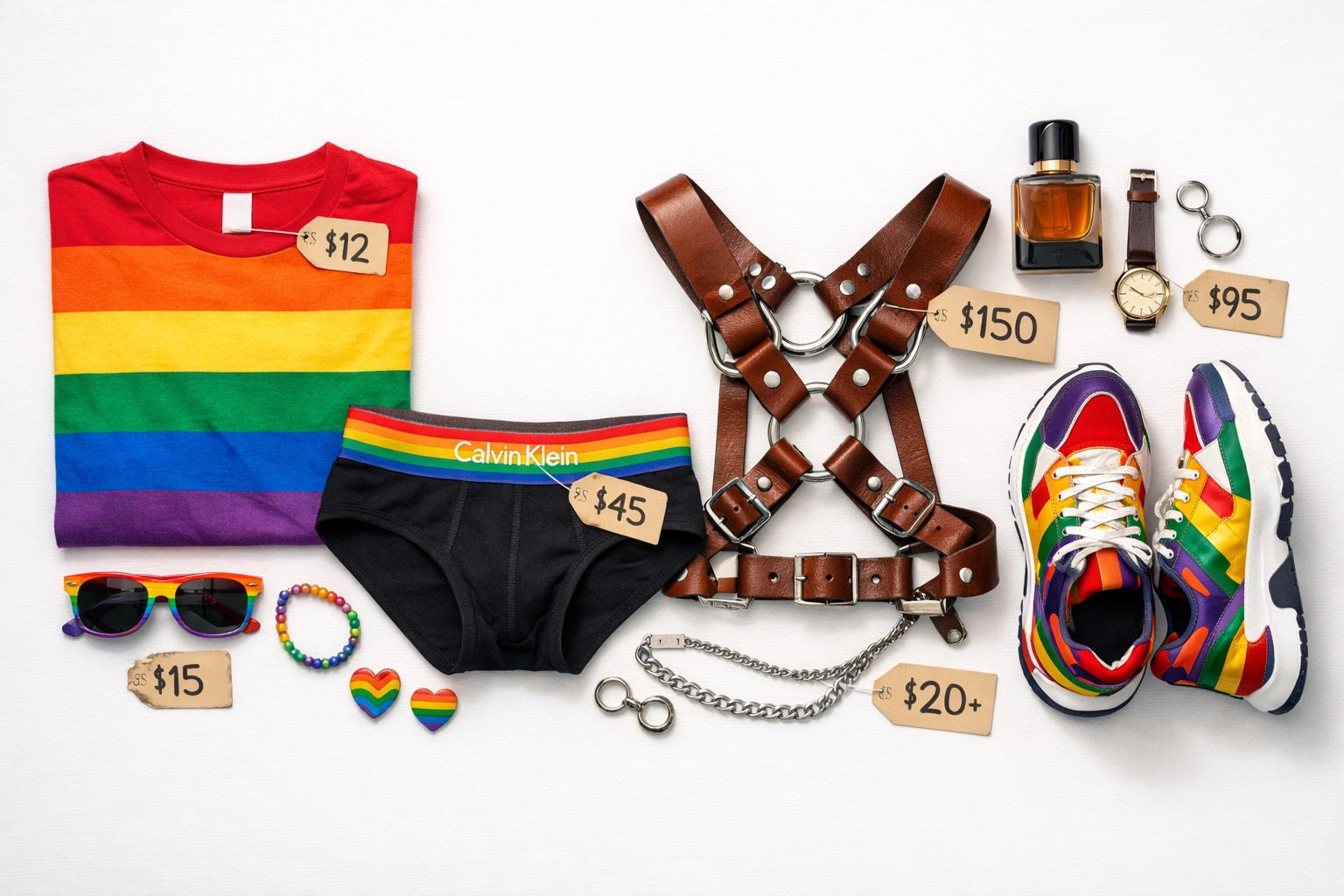
Let's break down the numbers. Entry-level gay fashion pieces hover around $12-$25: your basic pride tees, simple accessories, the stuff that says "I'm part of the community" without requiring a second mortgage. Mid-range items span $25-$55, where you start getting better quality and more distinctive designs. Then there's the luxury tier, where brands operate in the $50-$100+ range, sometimes way beyond.
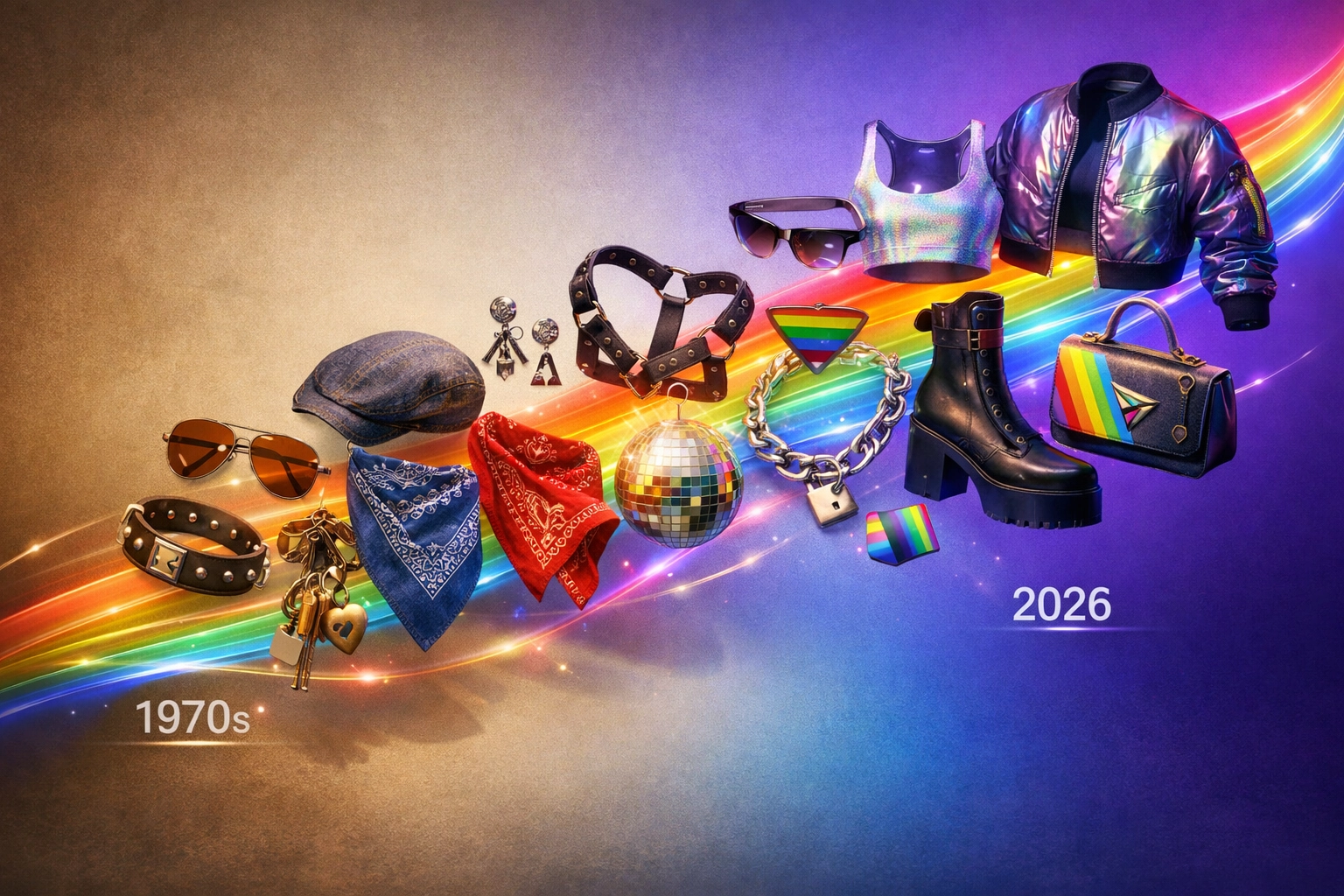
Compare that to mainstream fashion, and you'll notice something: we're often paying a premium for the same quality, just with a rainbow flag attached. It's like the pink tax, but make it gay.
The argument from luxury gay fashion brands? Quality, craftsmanship, and the importance of supporting LGBTQ+-owned businesses. Fair points, all of them. But there's a gnawing question underneath: if fashion was once our survival language, does pricing it out of reach for working-class queer folks contradict the liberation we're supposedly celebrating?
The Designer Closet Debate
Premium gay fashion brands will tell you they're not just selling clothes: they're selling confidence, community, and visibility. And you know what? They're not entirely wrong.
There's something undeniably powerful about wearing fashion that was designed for you, by people who understand your body and your experiences. It's the difference between reading a generic romance novel and diving into authentic MM romance that gets the emotional landscape right. Representation matters, whether it's on the page or on your body.
Brands like TOPGAY emphasize "best brands" with premium quality and innovation in design. Retailers like JJ Malibu offer both accessible basics and higher-end statement pieces, creating a spectrum of options. There's intentionality here: these aren't just random products with rainbows slapped on them.
But (and it's a big but), when does celebration become gatekeeping? When does "premium quality" become code for "only certain queer people can afford to look this good"?
Fashion as Storytelling
Here at Read with Pride, we think a lot about storytelling and representation. The best MM romance books don't just feature gay characters: they explore the full complexity of queer experiences, from the joy to the struggle to the messy middle ground where most of us actually live.
Fashion works the same way. It tells stories about who we are, who we want to be, and how we want the world to see us. A $200 harness tells a different story than a $15 pride shirt, but neither is inherently more "valid" or "queer" than the other.
The problem isn't luxury itself: it's when luxury becomes the only narrative. When fashion media only celebrates the expensive, the exclusive, the out-of-reach, we're replicating the same hierarchies that excluded us in the first place.
The Capitalism Conundrum
Let's be real: there's something deeply ironic about packaging liberation as a luxury product. The queer liberation movement was built on radical inclusivity, on rejecting the systems that said we weren't good enough, rich enough, respectable enough to deserve rights and recognition.
So when we create fashion brands that essentially say, "Welcome to the community: that'll be $150," we're doing something complicated. We're simultaneously celebrating our visibility and restricting access to that celebration based on economic class.
It's like reading a gorgeous MM romance novel where all the characters are millionaires with private islands. Beautiful fantasy, sure, but where are the stories about queer people working retail, struggling to pay rent, figuring out their identity while juggling three jobs?
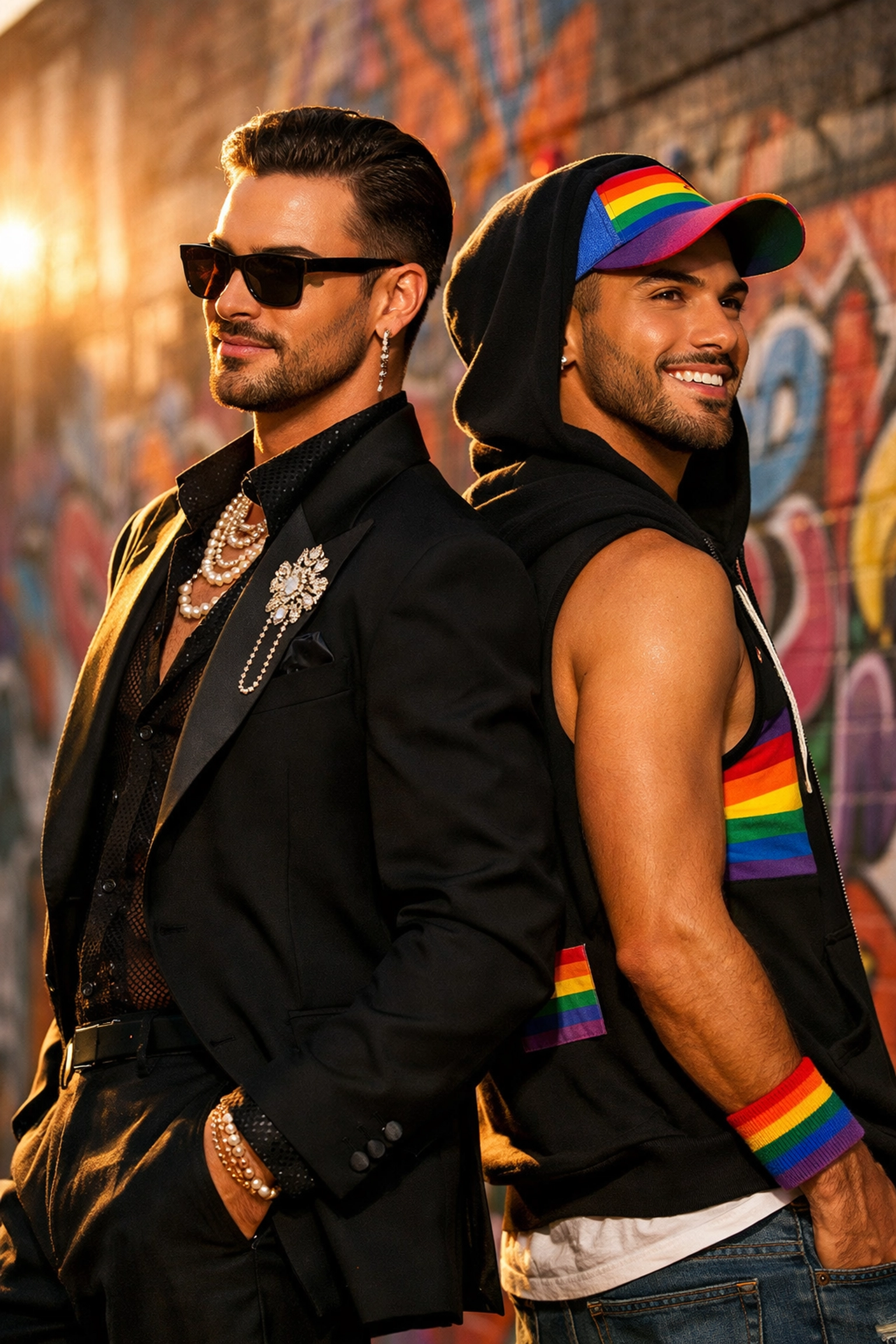
Finding the Balance
Here's where my critical appreciation comes in: I genuinely believe there's room for luxury gay fashion. Artists and designers deserve to be paid for their work. Quality materials and craftsmanship cost money. Supporting LGBTQ+-owned businesses is important.
But we need the full spectrum. We need the $12 pride shirt and the $200 designer piece. We need fast fashion that lets broke queer kids express themselves and sustainable luxury for those who can afford to invest. We need Target's Pride collection and boutique brands pushing creative boundaries.
Just like we need sweet, fluffy MM romance and complex, challenging queer literature. Just like we need mainstream gay books and experimental queer fiction that pushes boundaries. Diversity in fashion mirrors diversity in storytelling: and both are essential for authentic representation.
The Real Question
So, luxury vs. liberation? Maybe we're asking the wrong question. Maybe it's not about choosing one or the other but about ensuring that fashion: like all forms of self-expression: remains accessible across the economic spectrum.
The price of high-end gay fashion shouldn't be our liberation. The price should be fabric, labor, design, and fair compensation for artists. Liberation should be free: messy, complicated, available to everyone regardless of their bank balance.
Because at the end of the day, whether you're wearing a designer harness or a thrifted pride tee, whether you're reading literary queer fiction or devouring the steamiest MM romance novels, you're valid. You're part of this community. You're living your truth.
And that's the only luxury that really matters.
Want more authentic LGBTQ+ content that doesn't break the bank? Check out our collection of MM romance books featuring diverse characters and authentic queer storytelling. Follow us on Facebook, Instagram, and X for daily recommendations.
#MMRomance #GayFashion #LGBTQPride #QueerFashion #ReadWithPride #GayRomanceBooks #BestMMRomance2026 #QueerLiberation #LuxuryFashion #GayBooks #MMRomanceBooks #LGBTQFiction #AuthenticRepresentation #QueerCommunity #PrideMonth #GayLiterature

Leave a Reply
You must be logged in to post a comment.