

SAVE 15% on all LGBTQ+ ebooks at Read with Pride – Use code WAREHOUSE15 at checkout. Limited time offer.
Where It All Started: 206 South Jefferson Street
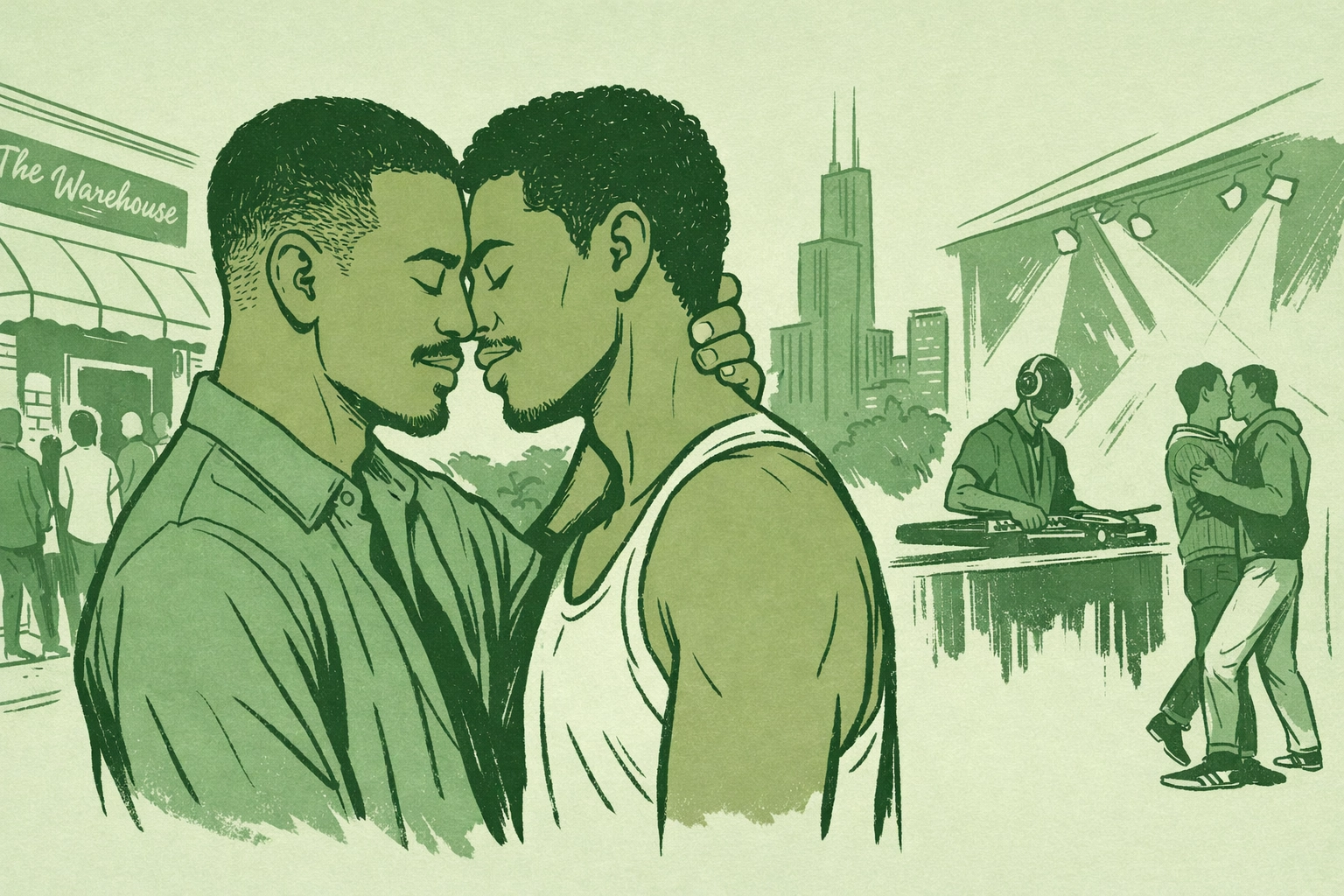
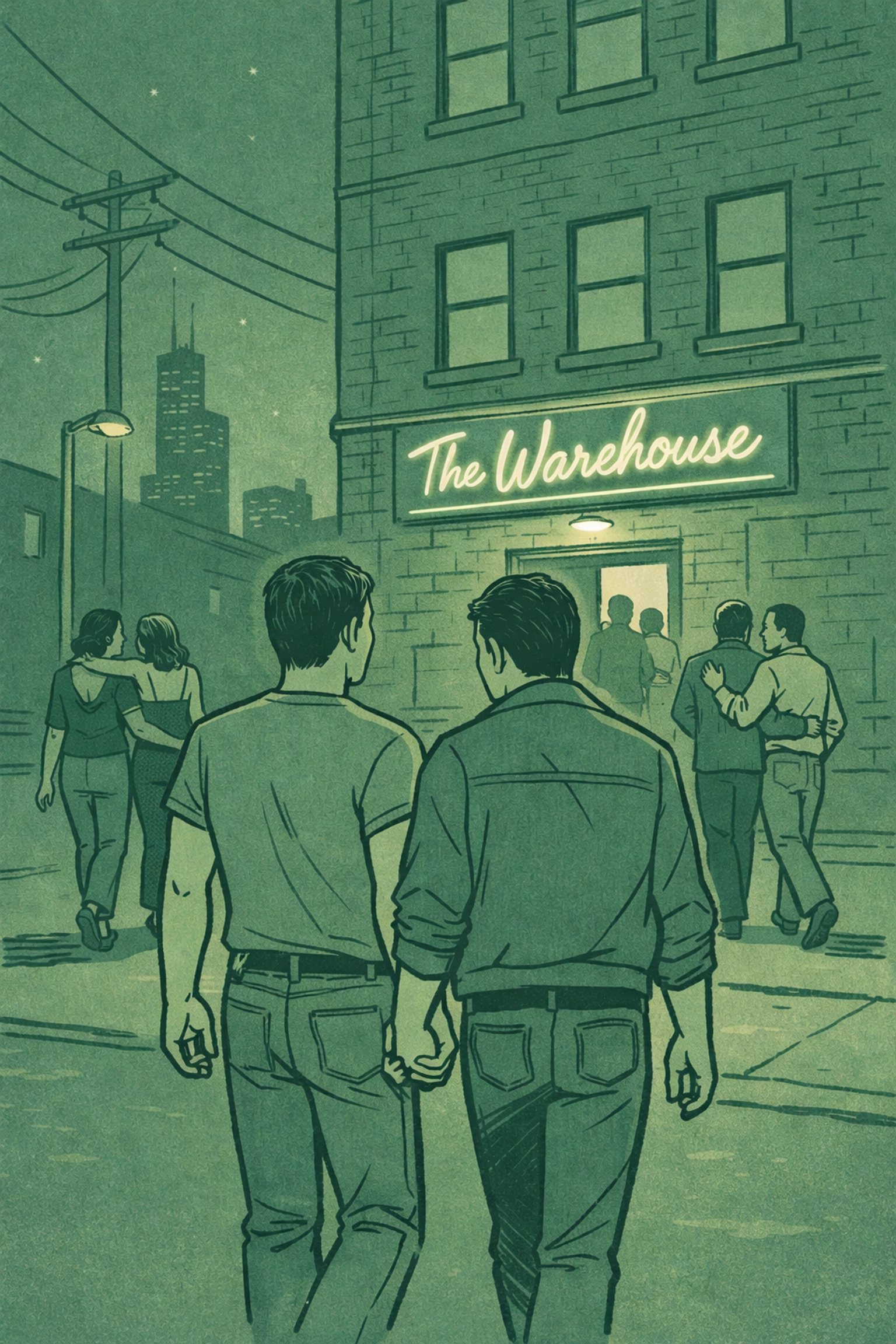
In 1977, a three-story former factory building in Chicago's West Loop became something extraordinary. The address was 206 South Jefferson Street. The name was simple: The Warehouse. But what happened inside those walls would change music history forever and create a sanctuary for Black and Latino queer youth when the world outside wasn't exactly welcoming.
Robert Williams, fresh from New York, opened the club with a vision. This wasn't just another disco. This was a safe space: and in the late '70s, when being openly gay could cost you your job or worse, safe spaces weren't just nice to have. They were essential.
Enter Frankie Knuckles: The Godfather of House
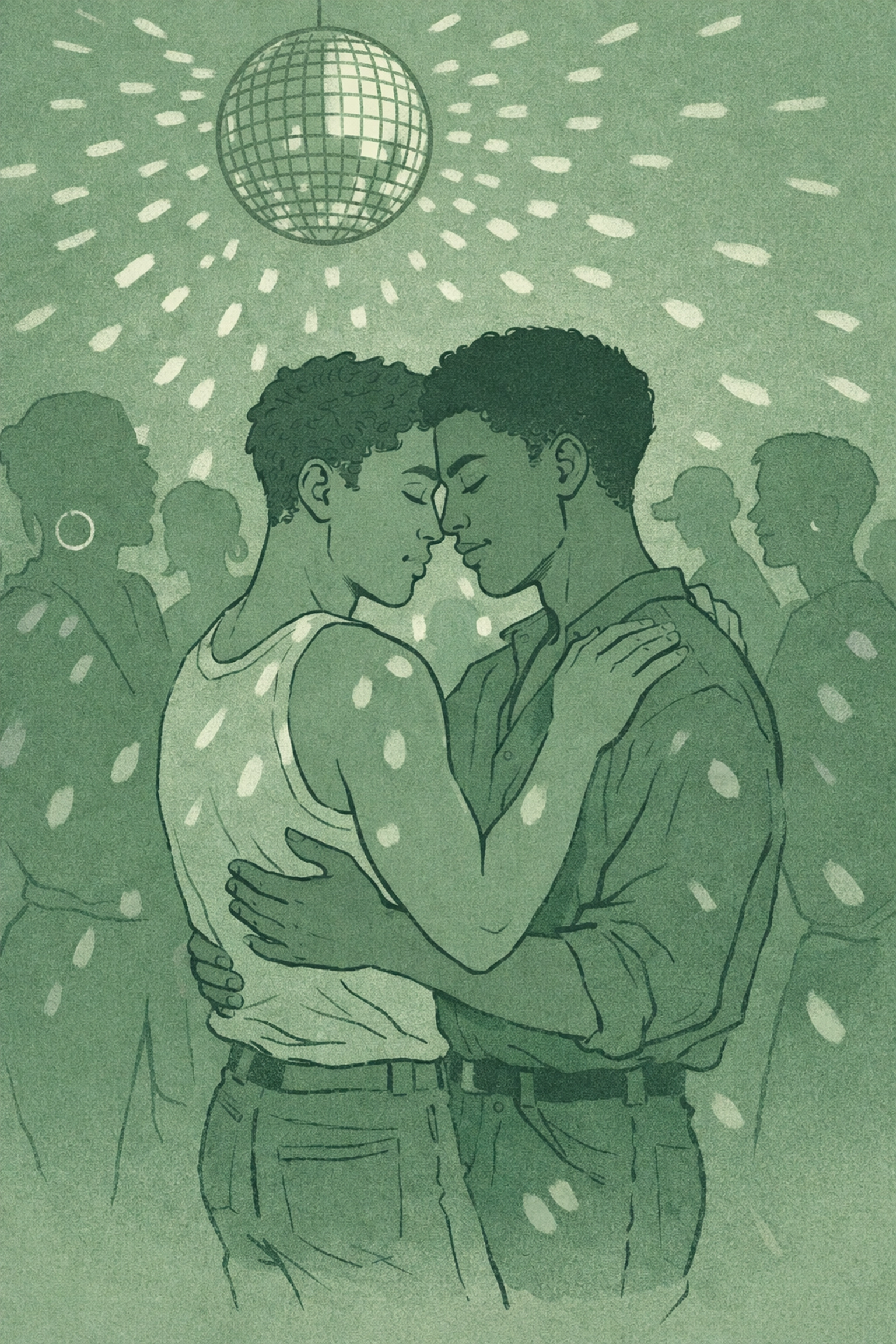
Williams knew he needed someone special behind the decks. He found him in Frankie Knuckles, a DJ he recruited from New York's club scene. What Knuckles created over his five years at The Warehouse wasn't just a sound: it was a revolution.
While disco was dying everywhere else, Knuckles refused to let the dance floor go silent. He blended disco with electronic beats, soul, gospel, and raw Chicago energy. He experimented. He pushed boundaries. He played The Clash's "Magnificent Seven" alongside classic R&B and remixed tracks live, creating something entirely new.
People started asking what kind of music this was. The answer? "That's house music: because it's from The Warehouse."
Explore MM romance books that celebrate music, nightlife, and queer liberation at dickfergusonwriter.com/collections/all
More Than Music: A Community Sanctuary
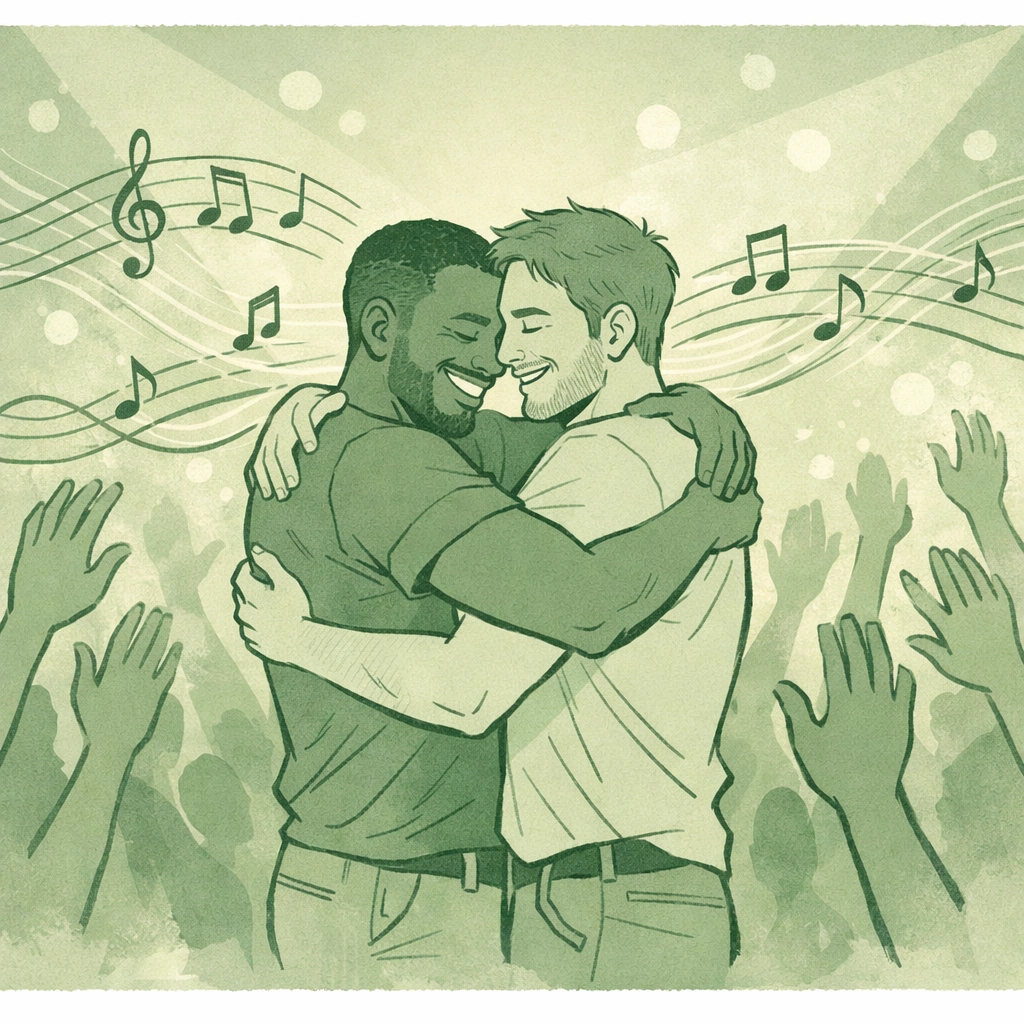
The Warehouse wasn't just about the beats. It was about belonging. In a city where queer people: especially Black and Latino queer people: faced discrimination and violence, The Warehouse offered something precious: freedom.
Freedom to dance. Freedom to love. Freedom to be exactly who you were without apology.
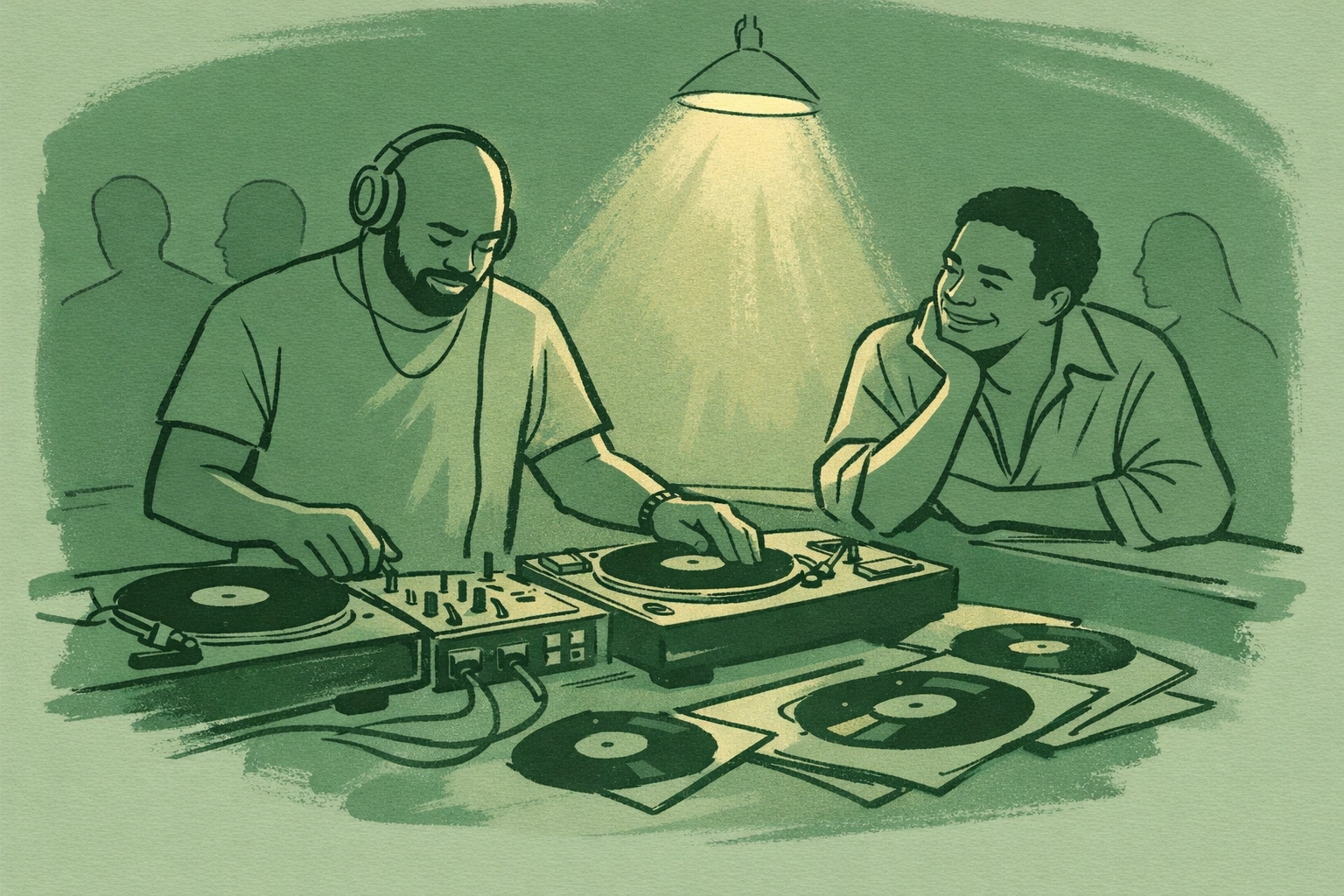
The club operated primarily on weekends, drawing crowds who traveled from across Chicago and beyond. The three-story building vibrated with energy as bodies moved together, sweat dripping, hands in the air, connected by Knuckles' carefully crafted soundscapes. This was church for people who'd been told they didn't belong in church. This was family for people whose families had rejected them.
The Birth of a Genre
What made house music house music? Knuckles took the four-on-the-floor beat of disco and made it deeper, rawer, more electronic. He used drum machines, synthesizers, and reel-to-reel tape editing to create extended mixes that kept dancers moving for hours. The tempo stayed around 120 beats per minute: fast enough to energize, steady enough to lose yourself in.
But it was more than technical innovation. House music had soul. It had gospel roots. It had the pain and joy of queer Black and Latino experiences woven into every beat. It was resistance and celebration rolled into one.
Discover gay fiction exploring Black and Latino queer experiences: The Private Self
The Split and What Came After
In late 1982, The Warehouse doubled its admission price. Knuckles, unhappy with the decision, left to open his own club: The Power Plant. The original venue continued as the Music Box under DJ Ron Hardy, who took the raw aesthetic even further and inspired the next generation of Chicago producers.
But by then, the magic had already spread. House music was escaping Chicago's boundaries. It traveled to Detroit, influencing techno. It crossed the Atlantic to the UK, where it sparked rave culture in the late 1980s. From Berlin to Ibiza to Tokyo, house music became the soundtrack of queer liberation and dance floor ecstasy worldwide.
Frankie Knuckles became known as the "Godfather of House," a title he carried until his death in 2014. His legacy? Every time you hear a house beat in a club, at a pride parade, or streaming through your headphones: that's The Warehouse echoing through time.
Chicago Recognizes Its Own
The original Warehouse building eventually gained landmark status from the City of Chicago: a recognition that what happened there mattered. It wasn't just a club. It was a cultural revolution. A safe harbor. A birthplace.
Today, the building stands as a reminder that some of the most important cultural movements don't start in fancy venues or corporate boardrooms. They start in warehouses, in basements, in spaces where marginalized people create their own freedom.
FREE SHIPPING on all orders over $30 at Read with Pride – Stock up on gay romance books, MM novels, and LGBTQ+ fiction today.
Why The Warehouse Still Matters
The Warehouse's story is about more than music history. It's about what happens when queer people claim space and create culture on their own terms. It's about Black and Latino contributions to global culture that often go uncredited. It's about the power of the dance floor as a site of resistance, healing, and joy.
When you read about Stonewall, remember The Warehouse. When you celebrate Pride, remember The Warehouse. When you dance to house music anywhere in the world, remember that it started in a factory building on South Jefferson Street, where a DJ named Frankie Knuckles and a community of queer Black and Latino youth changed everything.
Shop MM romance, gay fiction, and queer literature celebrating nightlife, music, and liberation at dickfergusonwriter.com
SIGN UP for the Read with Pride newsletter and receive 10% OFF your first order plus exclusive access to new gay romance releases, MM fiction recommendations, and LGBTQ+ book club selections. Newsletter subscribers get first access to sales and limited editions.
Subscribe at www.readwithpride.com
Follow Us On Social Media
Stay connected with Read with Pride and Dick Ferguson Writer for daily LGBTQ+ book recommendations, MM romance releases, gay fiction spotlights, and queer literary news:
📸 Instagram: https://www.instagram.com/dickfergusonwriter
🐦 X/Twitter: https://www.x.com/DickFergus94902
📘 Facebook: https://www.facebook.com/profile.php?id=61572869844598
🏳️🌈 Read with Pride: www.readwithpride.com
#ReadWithPride #LGBTQHistory #HouseMusic #TheWarehouse #FrankieKnuckles #QueerHistory #BlackLGBTQ #LatinoLGBTQ #ChicagoHistory #GayClubHistory #MMRomance #GayFiction #LGBTQBooks #QueerFiction #GayRomanceBooks #ReadingWithPride #GayNovels #LGBTQLiterature #GayLoveStories #MMNovels #QueerAuthors #GayBookClub #LGBTQ2026 #GayHistoricalRomance #QueerCulture #DanceFloorLiberation #DiscoHistory #ClubCulture #SafeSpaces

Leave a Reply
You must be logged in to post a comment.