

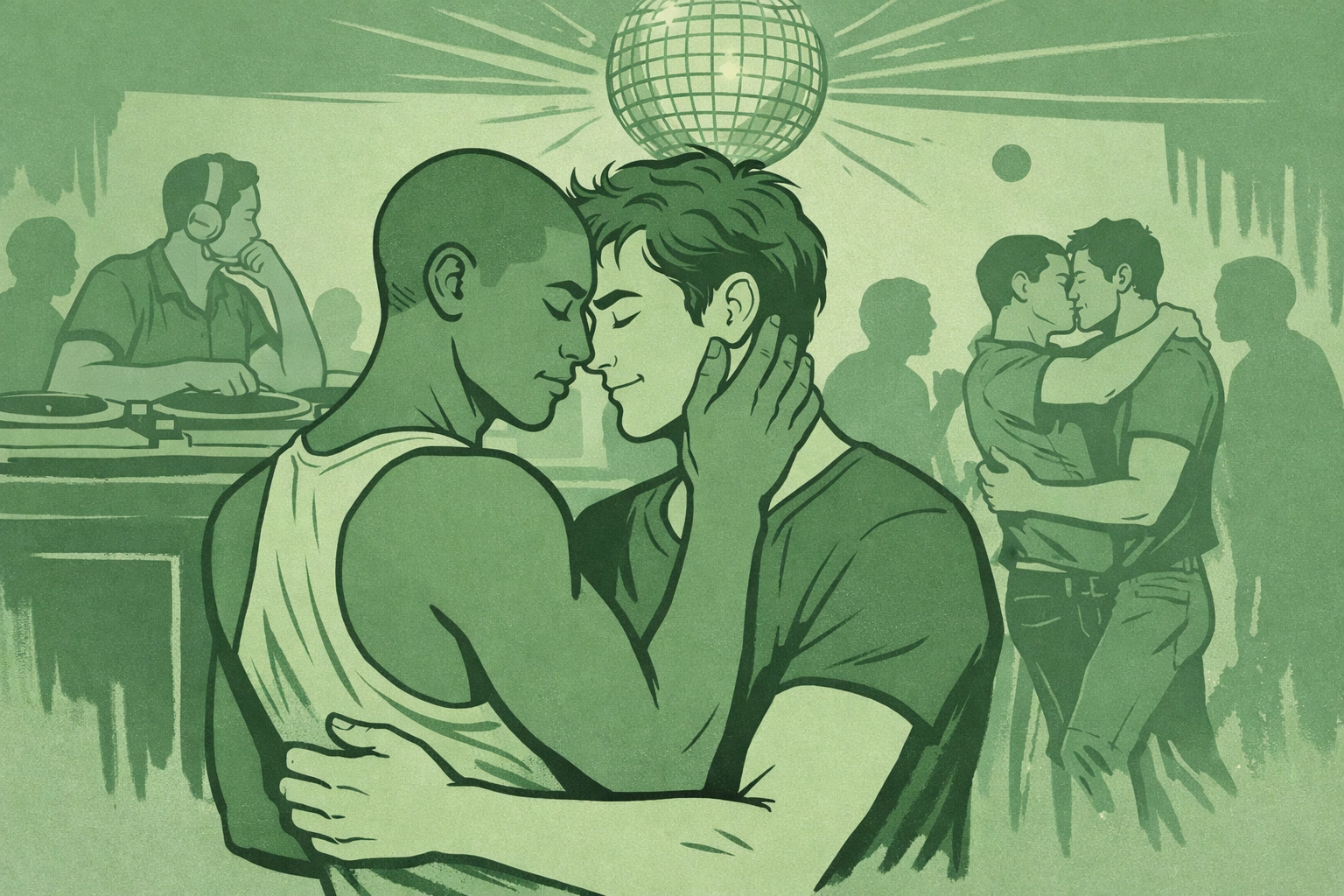
The Heartbeat Starts at 84 King Street
Before there were superstar DJs. Before house music had a name. Before the word "club culture" even existed. There was a garage in SoHo where something magical happened every weekend from 1977 to 1987.
Paradise Garage wasn't just a nightclub. It was church. It was therapy. It was home.
Located at 84 King Street in Manhattan's Hudson Square neighborhood, this 10,000-square-foot former parking garage became the birthplace of modern dance culture. And at the center of it all stood Larry Levan: a DJ who didn't just play records, he conducted symphonies of emotion on a 5,000-square-foot dance floor.
DISCOVER LGBTQ+ STORIES: Explore our collection of gay romance books and MM fiction that celebrate queer love and community. Use code PRIDE15 for 15% off your first order.
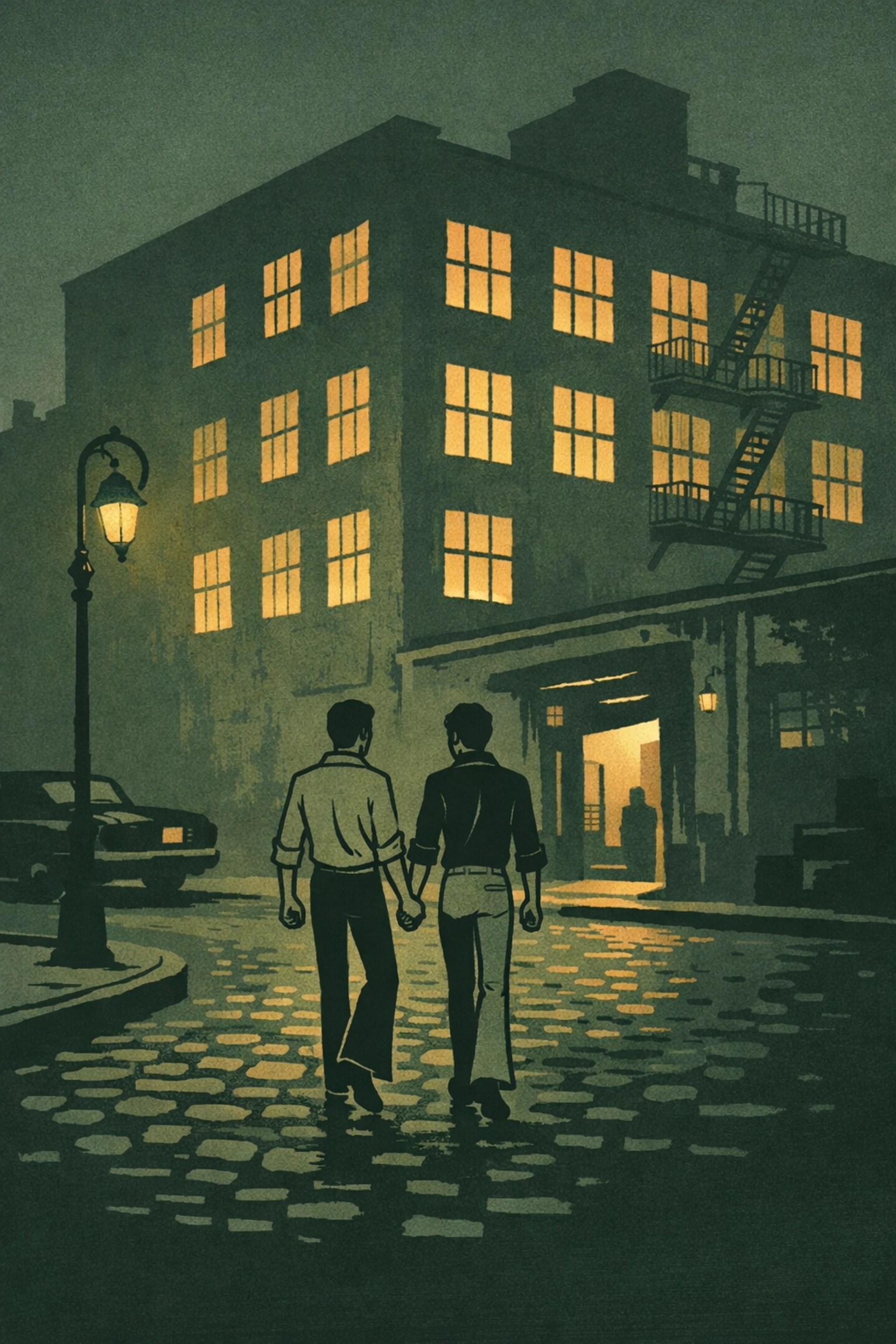
Larry Levan: The DJ as Spiritual Guide
Larry Levan didn't see himself as entertainment. He was a curator of experience, a master of mood, a sculptor working with sound instead of stone.
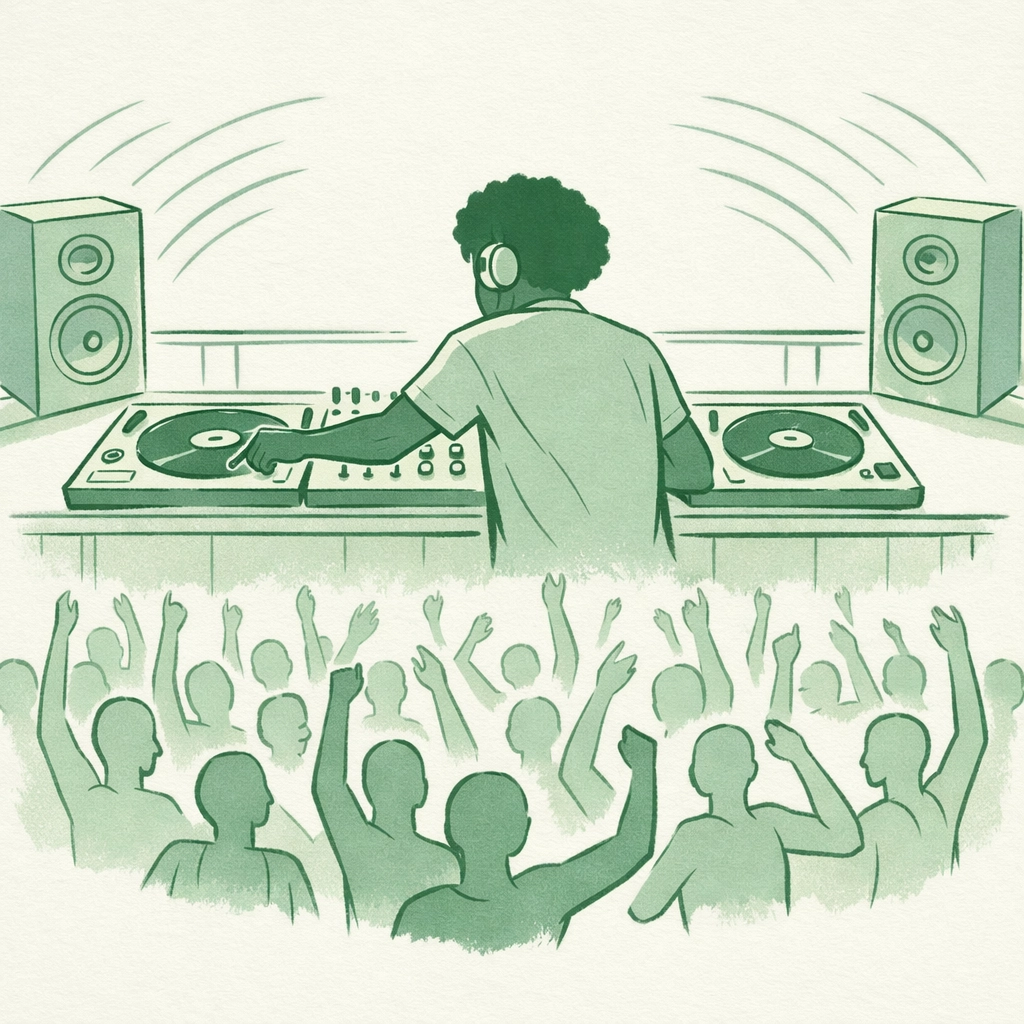
Every Friday and Saturday night, Levan would step into his booth: not hidden in a corner but elevated, visible, central: and take 2,000 people on a journey. He'd play for eight, ten, sometimes twelve hours straight, building tension and releasing it, reading the crowd's energy like a novelist reads their characters.
Levan pioneered techniques that are standard now but were revolutionary then: beatmatching across genres, using the mixer as an instrument, creating seamless transitions that made four hours feel like forty minutes. He'd drop a disco classic, blend it into a new wave track, layer in some dub reggae, then bring everyone home with a soul ballad that made grown men cry.
The sound system: custom-built by Richard Long & Associates and tuned twice weekly: was the best in New York City. Some say it was the best in the world. Bass you could feel in your chest. Highs so crisp they sparkled. Mid-range so warm it felt like a hug.
A Community, Not Just a Crowd
Paradise Garage operated as a membership-only venue. No alcohol. No food. No velvet ropes or celebrity culture. This wasn't Studio 54 with its glitter and exclusivity. This was something deeper.
Inspired by David Mancuso's legendary Loft parties, founder Michael Brody and financial backer Mel Cheren created a space where the music mattered more than who you knew. Where dancing wasn't a social activity: it was a spiritual practice.
EXPLORE QUEER LITERATURE: Check out The Berlin Companions and The Divided Sky for MM romance exploring underground communities and forbidden love.
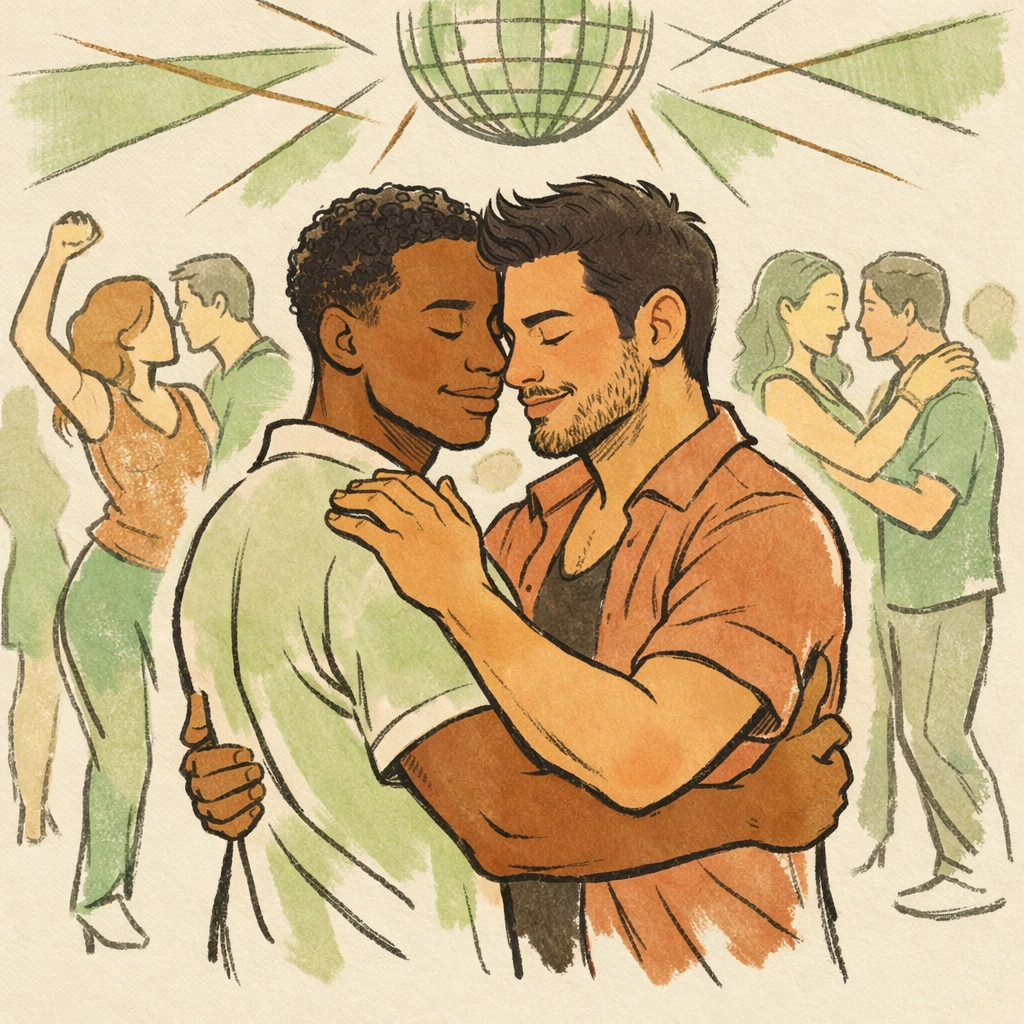
Friday nights were mixed. Saturday nights were primarily for gay men, though in practice, Paradise Garage attracted everyone: African-American gay men formed the core community, but straight folks, lesbians, people of every ethnicity and background came together. Sexual identity, race, class: none of it mattered on that dance floor.
What mattered was how you moved. How you felt. How you connected.
The club stayed open after regular bar hours, often until 10 AM or noon the next day. People would arrive at midnight and leave when sunlight streamed through the skylights, blinking like newborns, transformed.
The Music That Changed Everything
Levan's sets became legendary. Diana Ross visited. Madonna came before she was Madonna. Musicians who heard what he could do with their tracks in that space were forever changed.
He had an uncanny ability to find obscure records: imports, white labels, acetates that nobody else had: and make them into anthems. Songs like "Love Is the Message" by MFSB, "Ain't No Stoppin' Us Now" by McFadden & Whitehead, and "I'll Be Your Friend" by Robert Owens became Paradise Garage classics.
In 1979, Tim Curry even released a single called "Paradise Garage" about visiting the club. That's how legendary the place had become.
But Levan wasn't just playing disco. He was creating something new: a sound that would eventually be called house music, though that term didn't exist yet. He was mixing emotions, not just beats. Building narratives through his selections. Creating a safe space through sound.
READ WITH PRIDE: Discover gay fiction and LGBTQ+ ebooks that capture the spirit of queer community and underground culture. Sign up for our newsletter and receive exclusive recommendations.
More Than Music: A Lifeline During Crisis
Paradise Garage's importance transcended entertainment. In April 1982, as the AIDS crisis began devastating New York's gay community, Gay Men's Health Crisis (GMHC) held its first fundraiser at the club and raised over $50,000.
The dance floor became a place of resistance. A place of memory. A place where people could forget their fear for a few hours and just be.
When Michael Brody was diagnosed with AIDS, the club's heart began to break. Operations declined. The magic became harder to sustain. The community could feel it: the way you can feel a relationship ending before anyone says the words.
The Last Dance
On September 26, 1987, Paradise Garage closed its doors forever. The final party lasted 48 hours. Larry Levan played his last set in that legendary space, and 2,000 people danced like they were trying to hold onto something that couldn't be held.
Two months later, Michael Brody died. Larry Levan would follow in 1992 at just 38 years old.
The building stood empty for years. In 2018, it was demolished: another piece of LGBT historic sites erased from New York's landscape. But the spirit? That can't be demolished.
The Legacy Lives On
Paradise Garage's influence is everywhere in modern club culture. London's Ministry of Sound was directly inspired by it. Every DJ who sees themselves as more than a jukebox, every club that prioritizes sound quality over bottle service, every dance floor where people of all backgrounds come together: they're all descendants of what happened at 84 King Street.
House music, garage music, the entire culture of underground dance: it all flows from that fountain.
Larry Levan taught us that a DJ could be an artist. That a nightclub could be sacred. That a community of outsiders could create their own world, their own rules, their own heaven.
CELEBRATE QUEER HISTORY: Explore MM romance books and gay love stories that honor LGBTQ+ resilience and community. Follow us for daily recommendations and exclusive content.
The Beat Goes On
Today's club kids might not know the name Paradise Garage. But they know the feeling: that moment when the bass drops and 2,000 people move as one. That sense of belonging. That freedom.
That's Larry Levan's gift. That's Paradise Garage's legacy.
Every time a DJ takes a crowd on a journey. Every time a dance floor becomes a sanctuary. Every time music makes us feel less alone: that's 84 King Street, still alive, still beating, still relevant.
The garage is gone. But paradise? Paradise is wherever we create it together.
Explore more LGBTQ+ stories and MM romance at Read with Pride
Follow us on social media:
- Instagram: @dickfergusonwriter
- X/Twitter: @DickFergus94902
- Facebook: Dick Ferguson Writer
- Website: www.readwithpride.com
#ParadiseGarage #LarryLevan #LGBTQHistory #GayHistory #QueerCulture #HouseMusic #DanceMusic #NYCNightlife #GayNightlife #UndergroundCulture #LGBTQBooks #MMRomance #GayRomance #ReadWithPride #QueerFiction #GayLiterature #LGBTQPride #GayBooks #QueerHistory #ClubCulture #DiscoEra #1980sNYC #GayFiction #LGBTQEbooks #MMFiction #ReadingWithPride

Leave a Reply
You must be logged in to post a comment.