

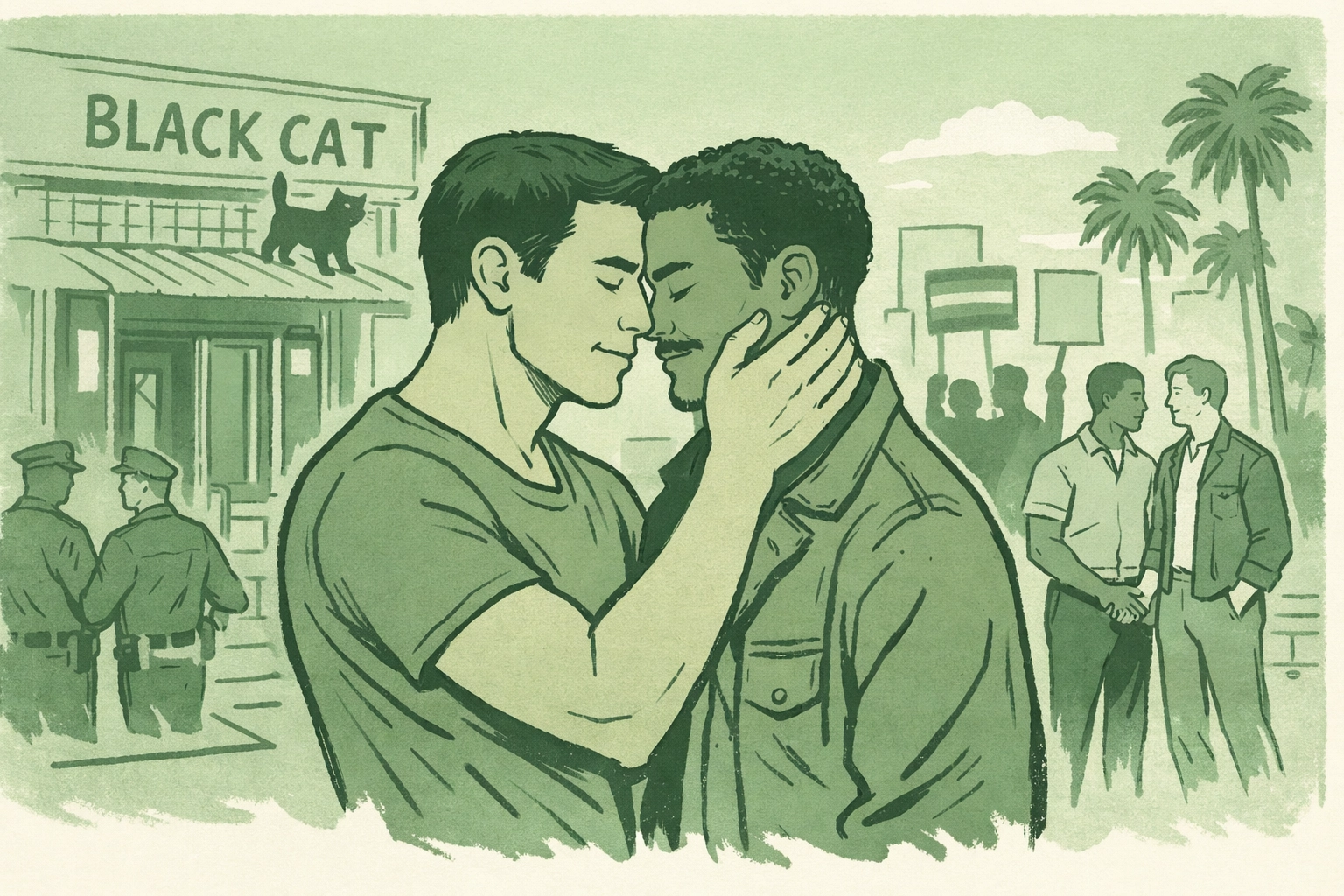
When we talk about the beginning of the modern LGBTQ+ rights movement, most people immediately think of Stonewall. June 1969. New York City. The spark that lit the fire. But here's something you might not know: two years earlier, a different bar in a different city staged its own act of defiance that would change everything.
Welcome to the story of The Black Cat Tavern in Los Angeles: where the real revolution began.
A New Year's Kiss That Changed History
The Black Cat opened its doors in October 1966 in Los Angeles's Silver Lake neighborhood. It was more than just a bar; it was a sanctuary. A place where gay men could gather, laugh, dance, and: for a few precious hours: just be themselves without fear.
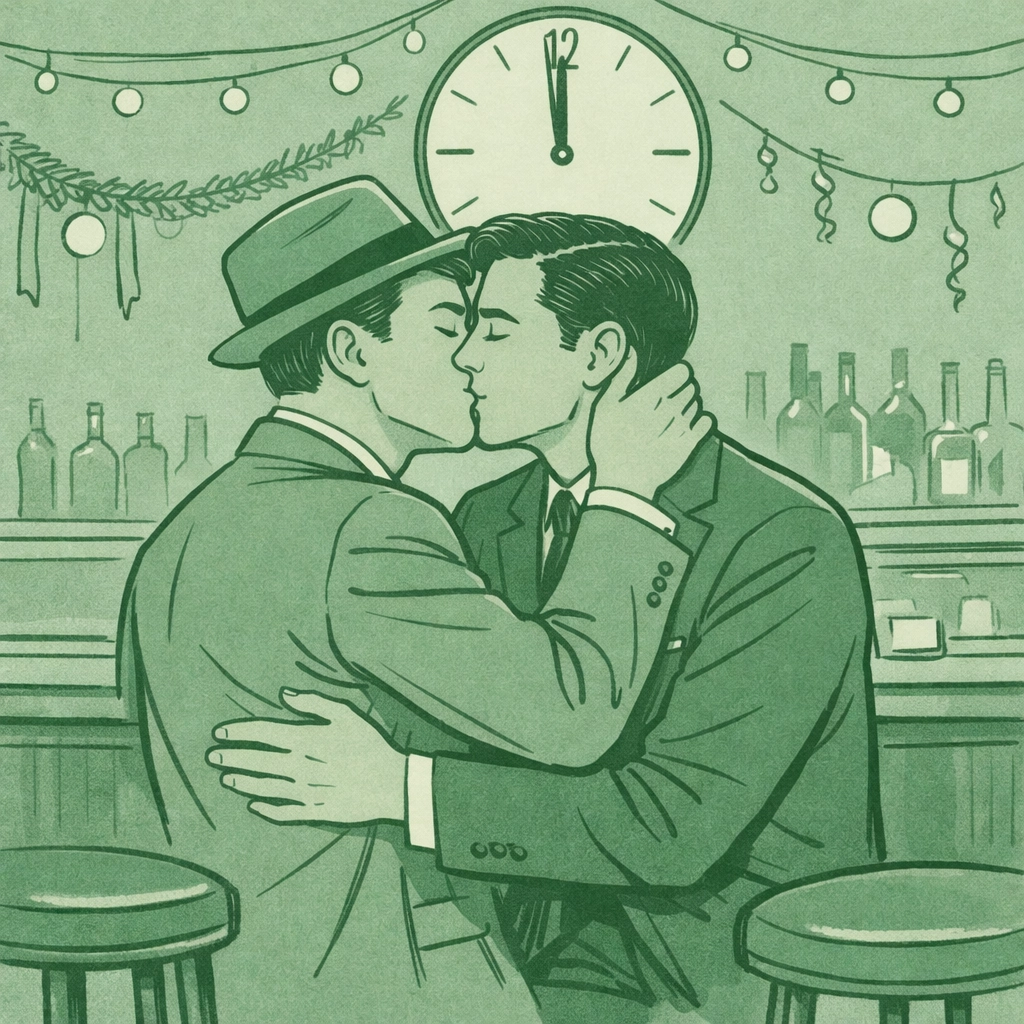
On New Year's Eve 1966, as the clock ticked past midnight into January 1, 1967, patrons were doing what people do when a new year arrives: celebrating with kisses and embraces. It should have been a moment of joy. Instead, it became a moment that would define a movement.
Eight undercover vice officers from the Los Angeles Police Department stormed the bar. What happened next was brutal. Officers didn't just make arrests: they beat patrons, dragged them into the street, and made sure everyone understood that being gay in Los Angeles came with a price.
Fourteen people were arrested that night on charges of assault and public lewdness. Two men who had simply shared a New Year's kiss were forced to register as sex offenders: a label that would follow them for the rest of their lives. One bartender ended up with a ruptured spleen.
The message was clear: you are not welcome here. You are not safe. You are not equal.
The Breaking Point
What made the Black Cat raid particularly devastating was timing. For two years, there had been an uneasy truce between police and gay establishments in Los Angeles. Bar owners paid protection money, kept their heads down, and tried to create small pockets of safety for their communities. The raid shattered that fragile peace.
But something else happened that night. Something the LAPD didn't anticipate.
Instead of accepting this brutality as business as usual, the LGBTQ+ community of Los Angeles decided to fight back.
February 11, 1967: The Day Everything Changed
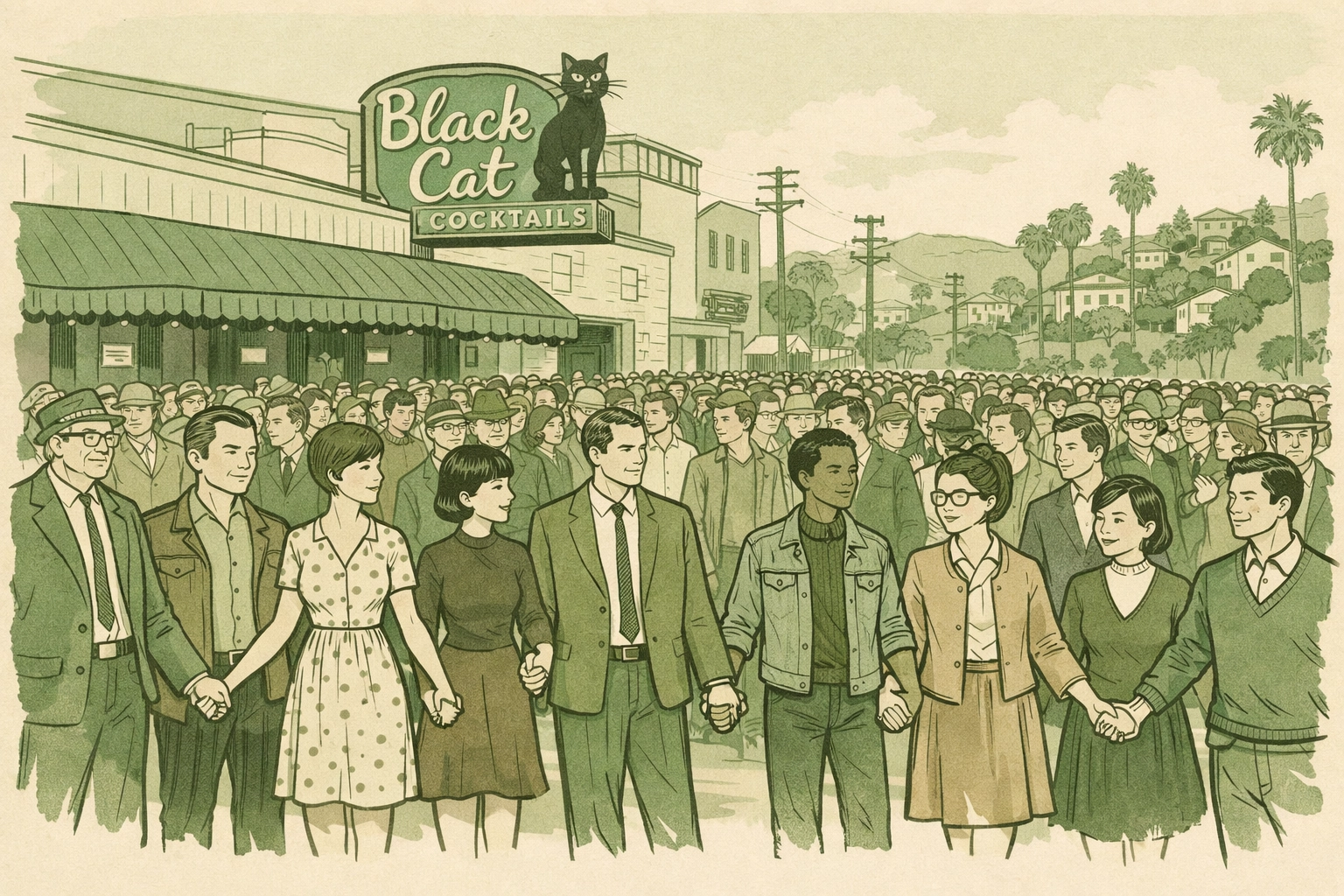
Six weeks after the raid, on February 11, 1967, something unprecedented happened. Over 200 LGBT patrons and allies gathered outside The Black Cat in what would become the nation's largest documented LGBTQ+ civil rights protest at that time.
Think about that for a moment. In 1967, when being gay could cost you your job, your family, your freedom: over 200 people stood together in broad daylight and said: enough.
The demonstration was organized by activist groups including PRIDE (Personal Rights in Defense and Education), founded by Steve Ginsberg, and the Southern California Council on Religion and Homophile. These weren't random protesters throwing bricks. This was organized, peaceful, strategic activism.
The demonstrators were meticulous. They followed every law, adhered to every ordinance, gave police no legitimate grounds for arrest. They understood something crucial: this wasn't just about one night of violence. This was about changing the system itself.
The Ripple Effect
The Black Cat protests didn't just make history: they created it.
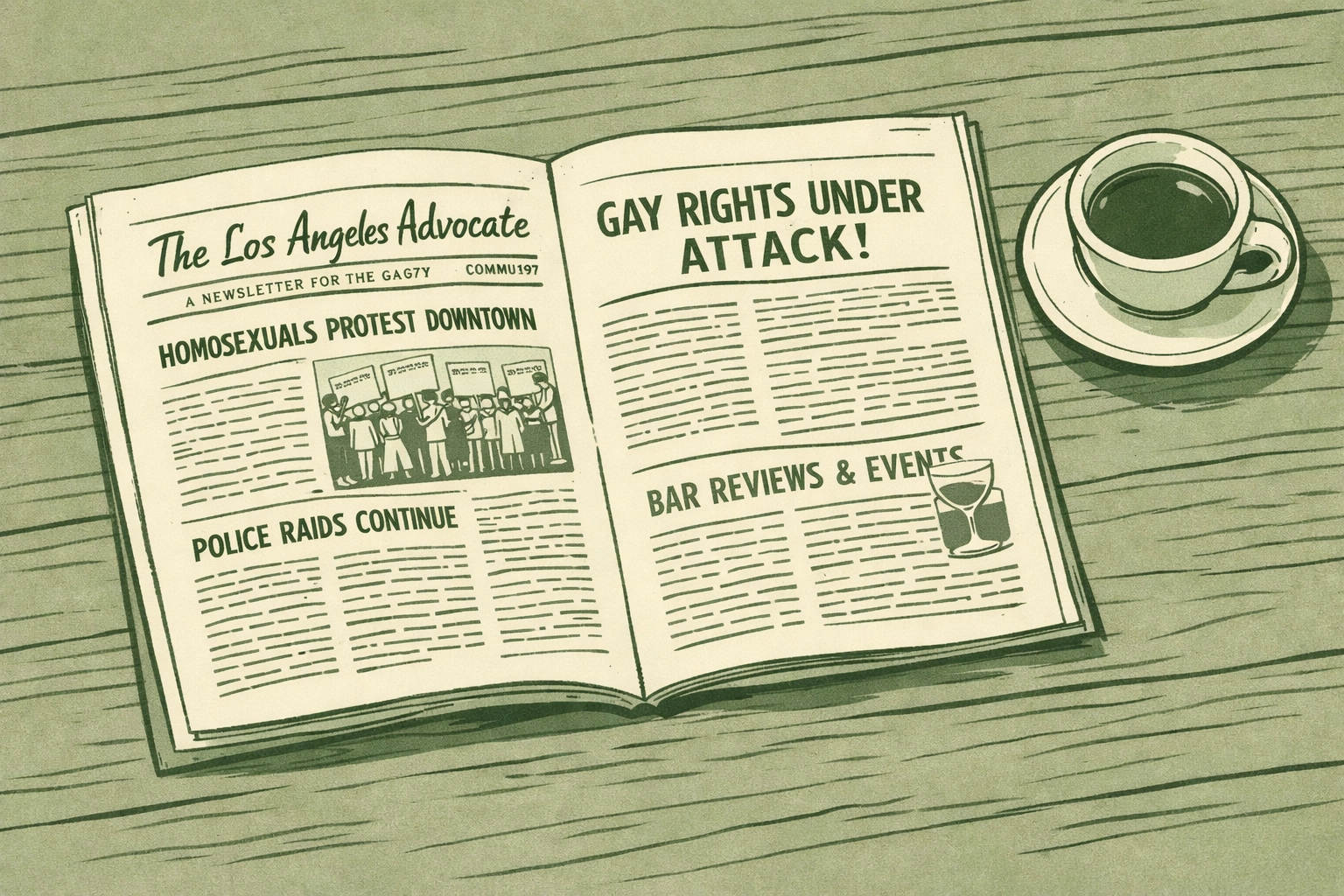
Directly inspired by the demonstration, The Los Angeles Advocate launched in September 1967. This publication would later become The Advocate, the national magazine that would document LGBTQ+ uprisings across the country, including Stonewall two years later. Without The Black Cat, we might not have had the journalism that captured and amplified our community's stories during those critical years.
The protest also built on earlier activism in Los Angeles. The Mattachine Society, one of the first gay rights organizations in America, was founded in LA in 1950. The 1959 Cooper's Donuts uprising: another lesser-known moment of resistance: had shown that the LGBTQ+ community wouldn't always go quietly. The Black Cat brought all these threads together into a powerful, unified statement of defiance.
Recognition and Legacy
For decades, The Black Cat's story was overshadowed by Stonewall's larger narrative. But history has a way of correcting itself.
In 2008, The Black Cat was designated a Los Angeles Historic-Cultural Monument. In 2022, it became California's first historical landmark dedicated solely to LGBTQ+ history. The small Silver Lake bar that once provided sanctuary now stands as a permanent reminder of courage in the face of oppression.
Today, when you walk past the building at 3909 Sunset Boulevard, you're standing on hallowed ground. You're standing where people risked everything to demand basic human dignity.
Why This Story Matters for MM Romance Readers
If you're reading this, chances are you love stories about gay men falling in love, overcoming obstacles, and building lives together. MM romance gives us those happy endings we all deserve: but they wouldn't exist without the people who stood outside The Black Cat in 1967.
Every time you read about two men holding hands without fear, kissing without looking over their shoulders, or building a future together openly: you're reading the dream those protesters fought for. Books like The Berlin Companions or The Campaign for Us celebrate the love that people like the Black Cat protesters defended with their bodies and their bravery.
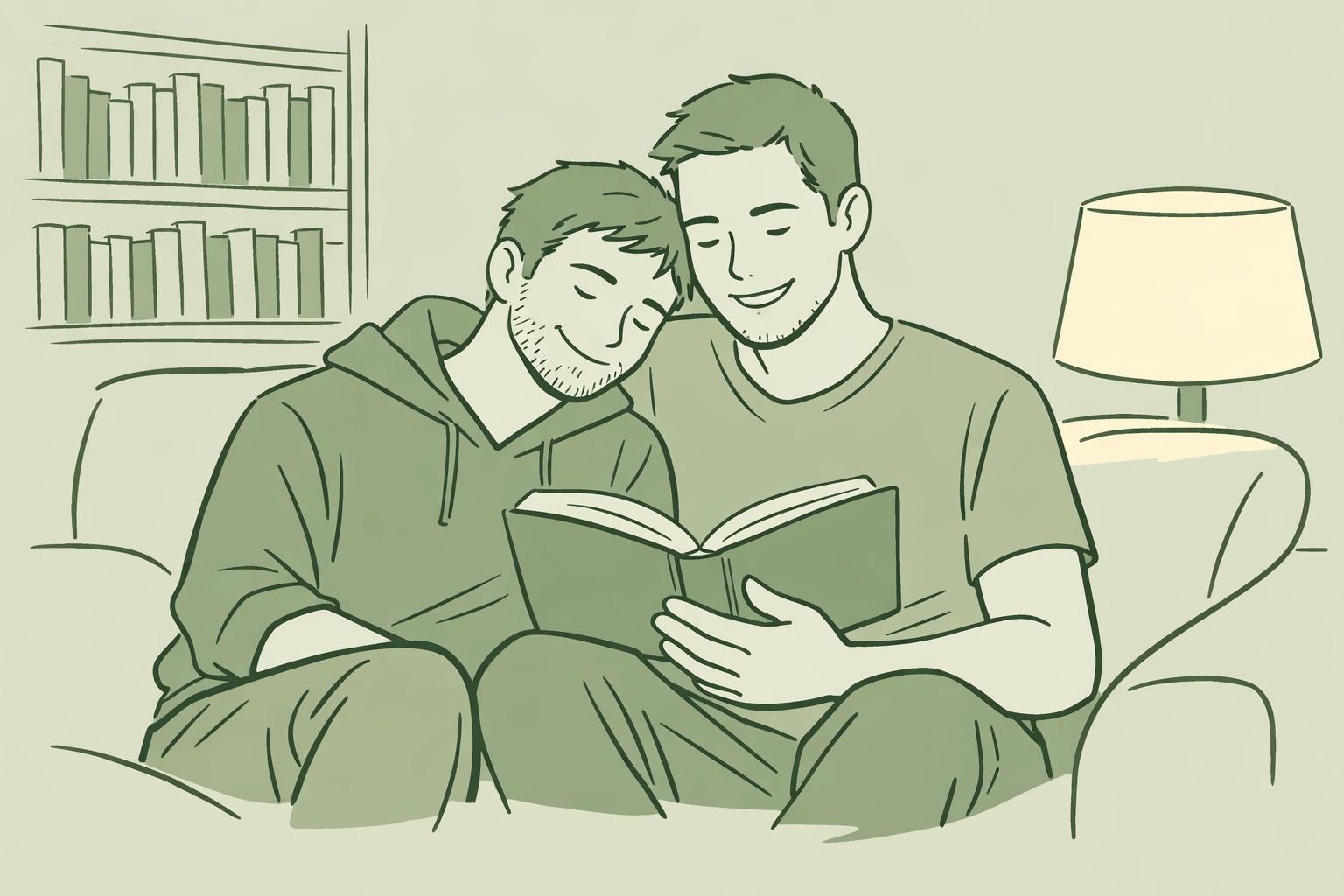
The fiction we consume today exists because of the reality people created in the streets of Silver Lake. When we read gay romance, gay fiction, or LGBTQ+ literature, we're participating in the legacy of The Black Cat. We're saying: these stories matter. These lives matter. This love matters.
From Silver Lake to Stonewall to Now
The Black Cat protests proved that change was possible. They showed that visibility, organization, and peaceful resistance could work. When Stonewall happened in 1969, it wasn't an isolated incident: it was part of a growing wave of LGBTQ+ activism that The Black Cat helped set in motion.
And the wave continues. Every Pride parade, every rainbow flag, every coming out story, every legal victory: they all trace their lineage back to moments like February 11, 1967, when ordinary people did something extraordinary.
Keep the Story Alive
History isn't just something that happened: it's something we choose to remember and honor. By learning about The Black Cat, sharing its story, and recognizing the bravery of those early activists, we ensure that their sacrifice wasn't in vain.
Want to explore more stories about LGBTQ+ history and romance? Visit Read with Pride for a curated collection of gay romance books, MM novels, and queer fiction that celebrate our community's past, present, and future. From contemporary romance to historical fiction, from emotional love stories to steamy adventures: every book is a testament to the freedom those Black Cat protesters fought for.
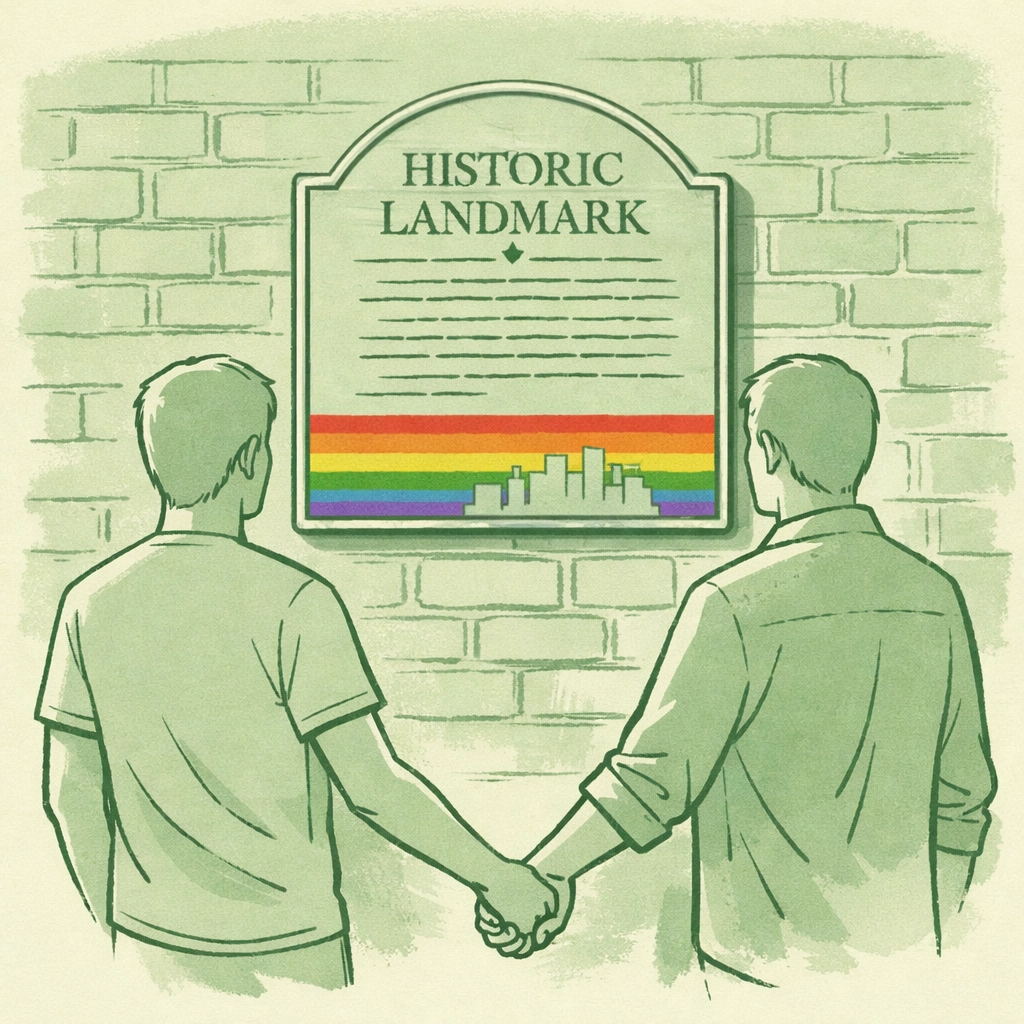
The next time you read an MM romance novel or recommend a gay book to a friend, remember: you're part of a continuum that started in places like The Black Cat. You're keeping the revolution alive, one story at a time.
Follow us on social media for more LGBTQ+ history, book recommendations, and MM romance news:
Instagram: @dickfergusonwriter
X/Twitter: @DickFergus94902
Facebook: Dick Ferguson Writer
Visit our main site: dickfergusonwriter.com
Read with Pride: www.readwithpride.com
#ReadWithPride #ReadingWithPride #LGBTQHistory #TheBlackCat #GayRights #MMRomance #GayRomance #GayBooks #LGBTQBooks #QueerHistory #GayFiction #MMFiction #GayLiterature #LGBTQPride #GayHistoricalRomance #GayContemporaryRomance #BestMMRomance #GayBookClub #LGBTQReading #GayLoveStories #QueerFiction #GayNovels #2026GayBooks #SilverLakeHistory

Leave a Reply
You must be logged in to post a comment.