

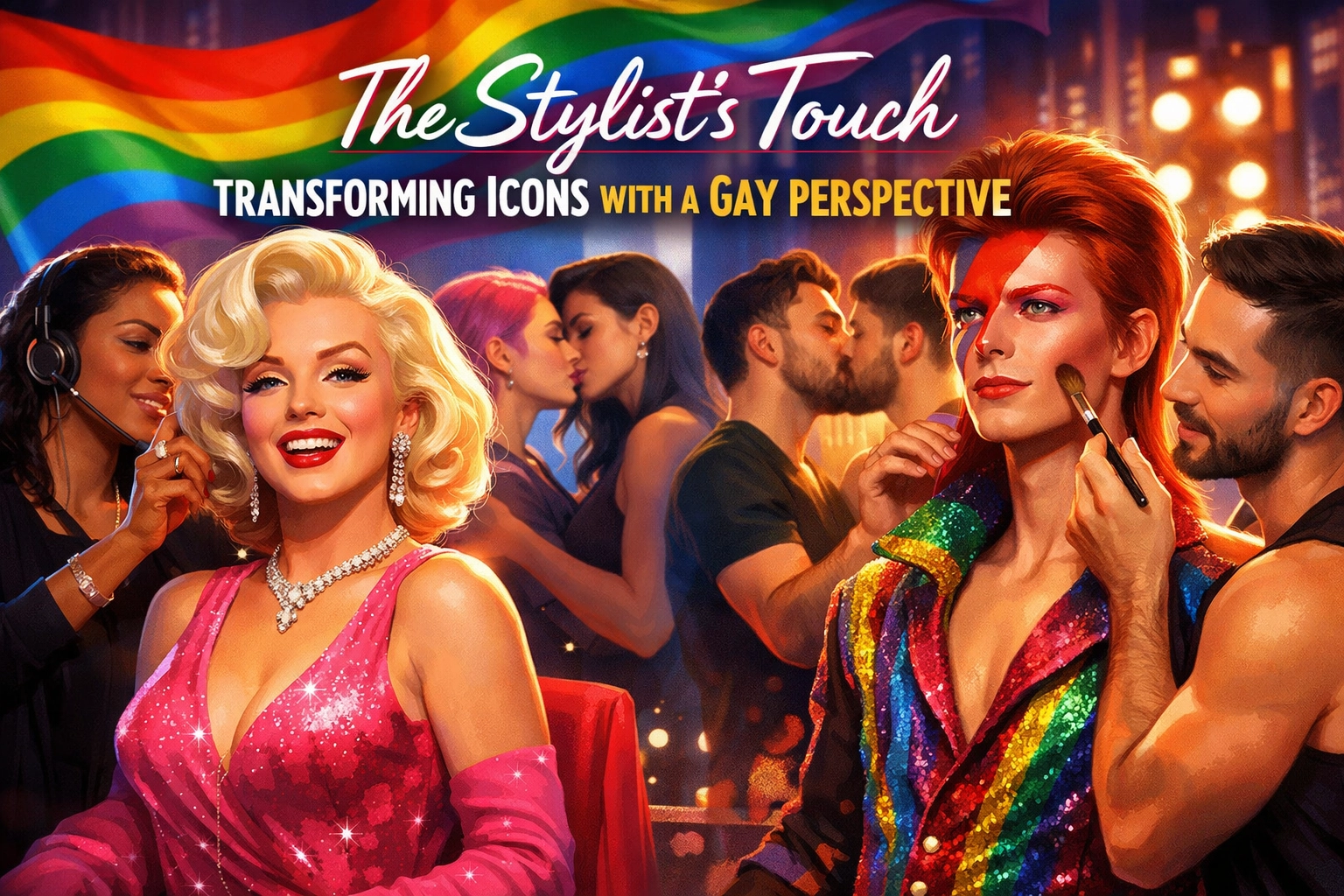
There's a moment that happens on every red carpet: that split second when a celebrity steps out of their car and the world collectively gasps. The dress is perfect. The suit is impeccable. The entire look is chef's kiss. And more often than not, there's a gay fashion stylist behind that magic, orchestrating every detail from the shoes to the statement jewelry.
Let's be real: gay stylists haven't just influenced red carpet culture: they've completely revolutionized it. They've taken celebrities from safe and predictable to bold and unforgettable, transforming not just what people wear, but how we think about fashion, identity, and self-expression.
The Secret Language of Style
Historically, fashion has been a coded language for the gay community: a way to signal identity when it wasn't safe to be open. From the subtle cues of a colored handkerchief to the bold statements of the liberation movement, gay men have always understood that clothes are never just clothes. They're armor, art, and declaration all rolled into one.
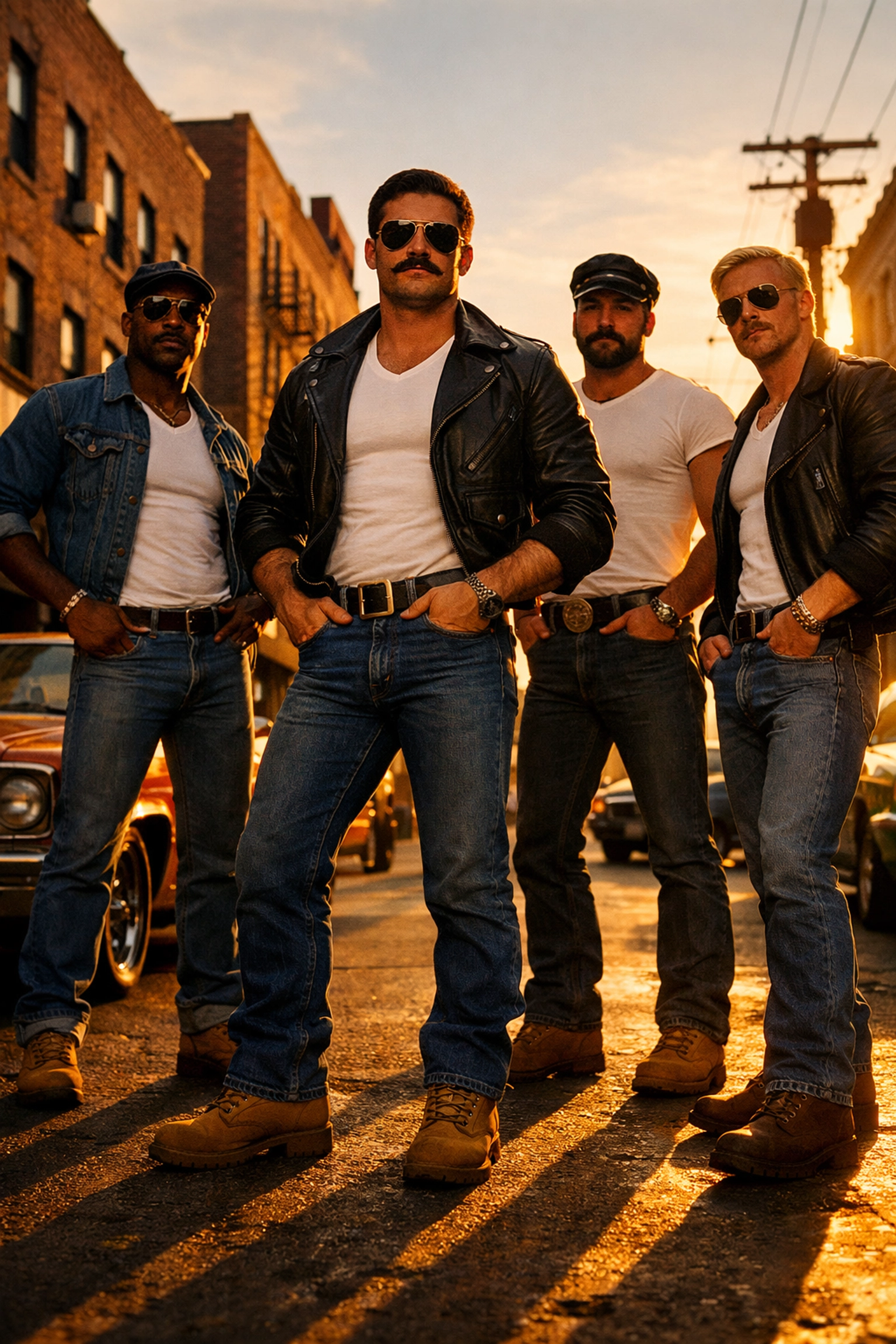
In the 1970s, during the early gay liberation movement, two distinct fashion philosophies emerged. Some embraced hyper-masculine presentation: think the "clone look" with tight white t-shirts, Levi's 501s, and construction boots. This wasn't just copying straight masculinity; it was subverting it, sexualizing it, and essentially creating what fashion historians call "butch drag." It revealed that masculinity itself was a performance with costumes just as contrived as any theatrical production.
Others went the opposite direction with "genderfuck" aesthetics: mixing stereotypically masculine and feminine elements to highlight gender's artificial nature. Both approaches did something revolutionary: they made people question the rules they'd always taken for granted about how men and women "should" dress.
The Red Carpet Revolution
Fast forward to today's red carpets, and you can see this legacy everywhere. Gay stylists bring a perspective that prioritizes authenticity over conformity, fit over trends, and the person over the clothes. They understand that fashion is about revealing who someone truly is, not hiding them under layers of "appropriate" or "safe" choices.
This approach has given us some of the most iconic red carpet moments in history. The daring tuxedo dress that challenged gender norms. The revenge dress that reclaimed power. The statement suit that said "I'm here, and I'm not apologizing." Behind each of these moments was a stylist who understood that clothing could be transformative: not just aesthetically, but psychologically and culturally.
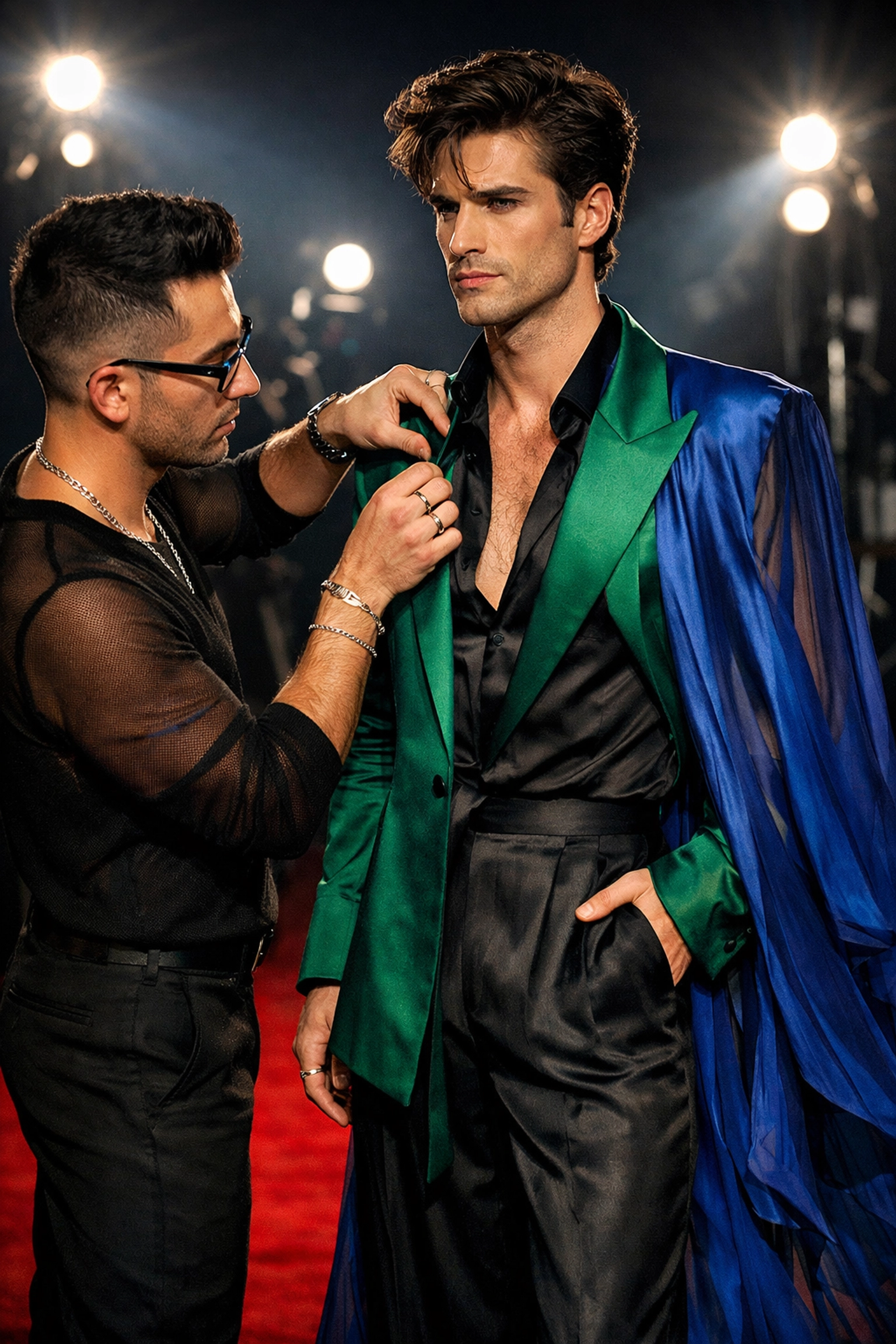
What makes the gay perspective so powerful in styling is the lived experience of existing outside the mainstream. When you've spent your life navigating a world that tells you who you "should" be, you develop an almost supernatural ability to see who people actually are. Gay stylists don't just dress bodies; they dress souls.
Beyond the Gown: Philosophy Meets Fashion
The best styling isn't about following trends: it's about understanding proportion, color, and how to accentuate what makes each person unique. Gay stylists excel at this because they approach fashion as a tool for personal authenticity rather than conformity. They ask questions like: "What makes you feel powerful?" "What story are you telling tonight?" "How do we honor who you are while pushing boundaries?"
This philosophy has profoundly influenced mainstream culture. Over the past century, mainstream fashion has continuously borrowed from gay subcultures: from the perfumed dandies of the early 20th century to the fierce voguing divas of the '90s, from New Romantic excess to contemporary gender-fluid fashion. Each wave has pushed the boundaries of what's acceptable, making space for everyone to express themselves more freely.
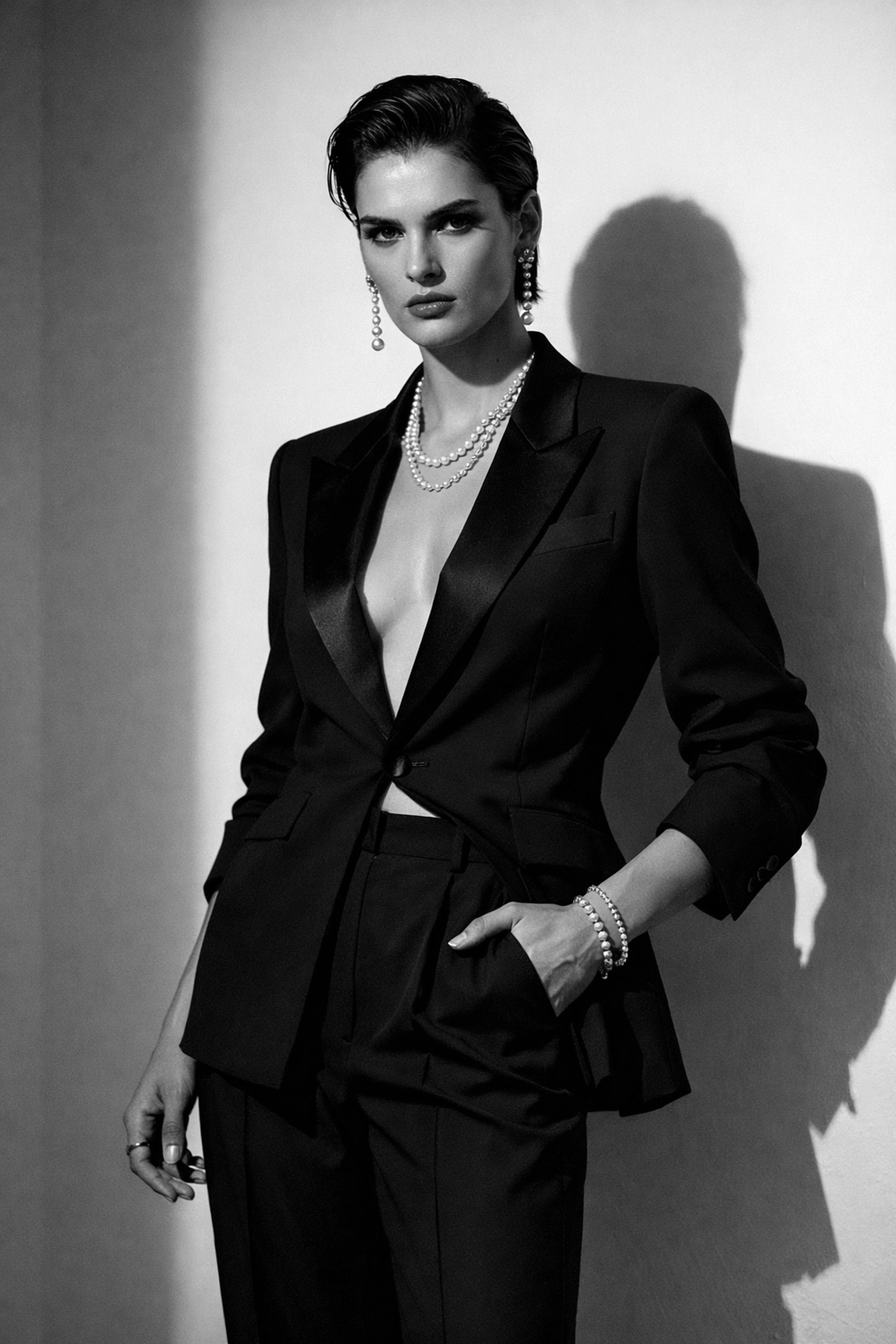
Consider how modern celebrity styling increasingly embraces gender-neutral clothing and mixed aesthetics. Male celebrities wearing skirts, pearls, or traditionally "feminine" colors. Female celebrities in power suits and combat boots. These aren't just fashion choices: they're cultural statements made possible by decades of gay stylists challenging binary gender norms.
The Art of Transformation
What separates a good stylist from a great one is the ability to see potential. It's not about making someone into something they're not; it's about revealing who they've always been but maybe couldn't fully express. This is where the gay perspective becomes invaluable.
Many gay stylists have spent years crafting their own identities, experimenting with presentation, and developing a keen eye for authenticity. They know what it's like to try on different versions of yourself until you find the one that feels right. They understand the difference between wearing clothes and embodying them.
This expertise translates into red carpet styling that tells stories. The actress who's transitioning from ingénue to serious talent gets a sophisticated look that commands respect. The pop star reclaiming their narrative after a scandal gets an outfit that screams confidence and rebirth. The actor stepping into a new chapter gets clothing that honors their journey while pointing toward their future.
Cultural Impact Beyond the Red Carpet
The influence of gay stylists extends far beyond celebrity culture. They've shaped how everyday people think about getting dressed in the morning. The idea that you should dress for yourself, not for others' expectations? That's a direct lineage from gay fashion philosophy. The notion that rules are meant to be broken? Same origin story.
Contemporary gay styling emphasizes fit and authenticity above fleeting trends. It's about the person first and the clothes second: prioritizing how garments accentuate the positives and make you feel like your best self. This approach has trickled down to become mainstream wisdom, appearing in fashion magazines, styling advice columns, and countless TikTok videos.
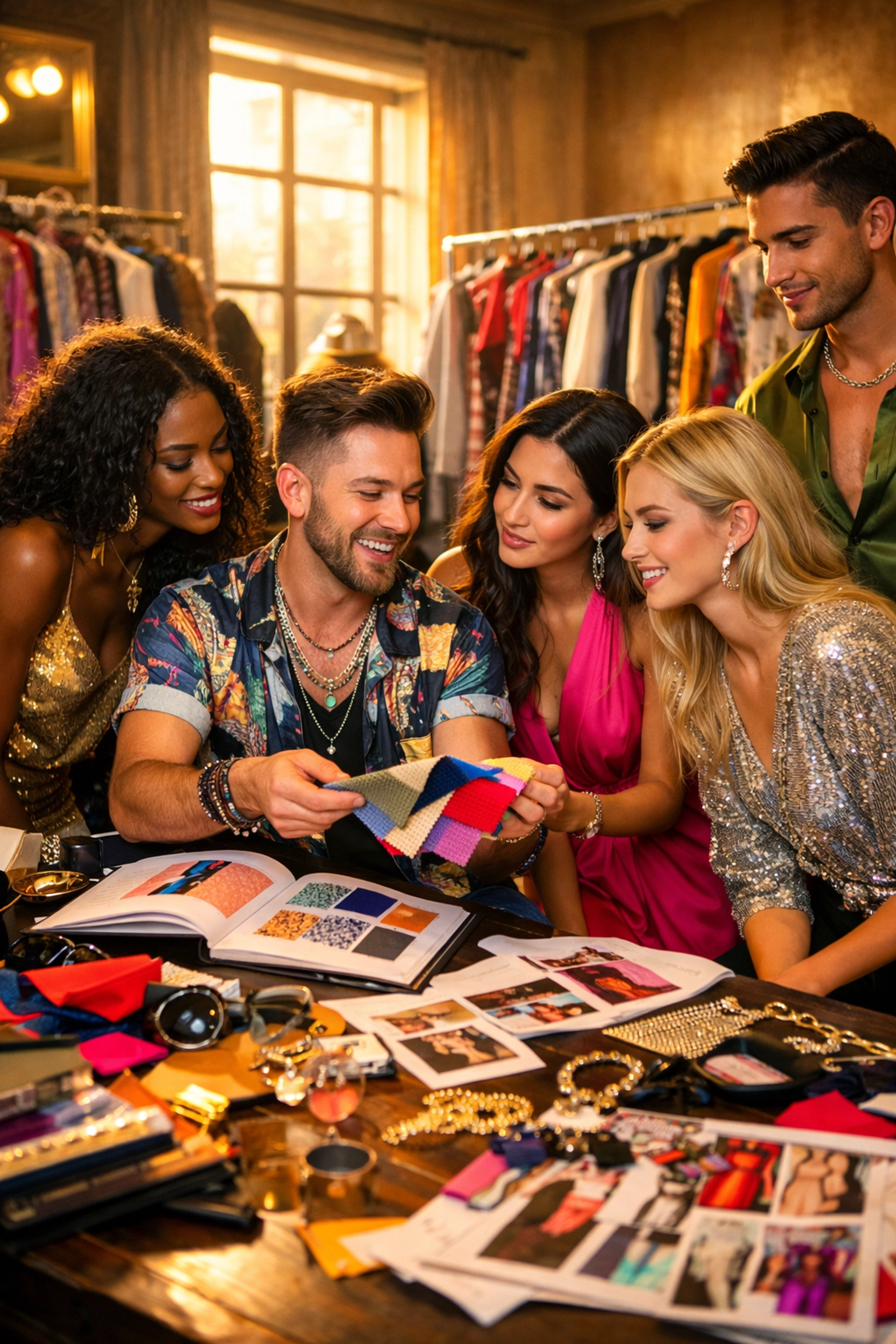
The revolution continues today as more people embrace gender-neutral clothing and mixed aesthetics. Gay men and queer people generally are increasingly combining traditionally feminine and masculine elements, challenging binary gender norms by mixing fabrics, textures, and signifiers that were once rigidly categorized. And celebrity stylists are leading this charge, using their high-profile platforms to normalize what was once radical.
The Future of Fashion
As we move through 2026 and beyond, the impact of gay stylists on celebrity and mainstream culture only grows stronger. They're not just creating looks: they're creating movements. They're showing that fashion can be a form of activism, that getting dressed can be an act of revolution, and that the red carpet can be a platform for challenging everything we thought we knew about gender, identity, and self-expression.
The next time you see a jaw-dropping red carpet moment, remember: there's likely a gay fashion stylist behind it, bringing decades of coded language, subversive aesthetics, and hard-won authenticity to create something that makes the world stop and stare.
At Read with Pride, we celebrate these stories of LGBTQ+ excellence across all creative fields. Whether you're into gay romance novels, MM romance books, or simply stories that honor queer perspectives, we've got you covered. Because representation matters: on the red carpet, in literature, and everywhere in between.
Follow us on Facebook, Instagram, and Twitter for more stories celebrating LGBTQ+ culture and creativity.
#ReadWithPride #GayFashion #LGBTQStyle #MMRomance #GayRomanceBooks #QueerFiction #RedCarpetStyle #FashionHistory #GenderFluid #LGBTQ2026 #GayBooks #GayFiction #QueerCulture #FashionRevolution #StyleIcon #CelebrityFashion #AuthenticStyle #LGBTQReading #PrideReading #GayLiterature

Leave a Reply
You must be logged in to post a comment.