

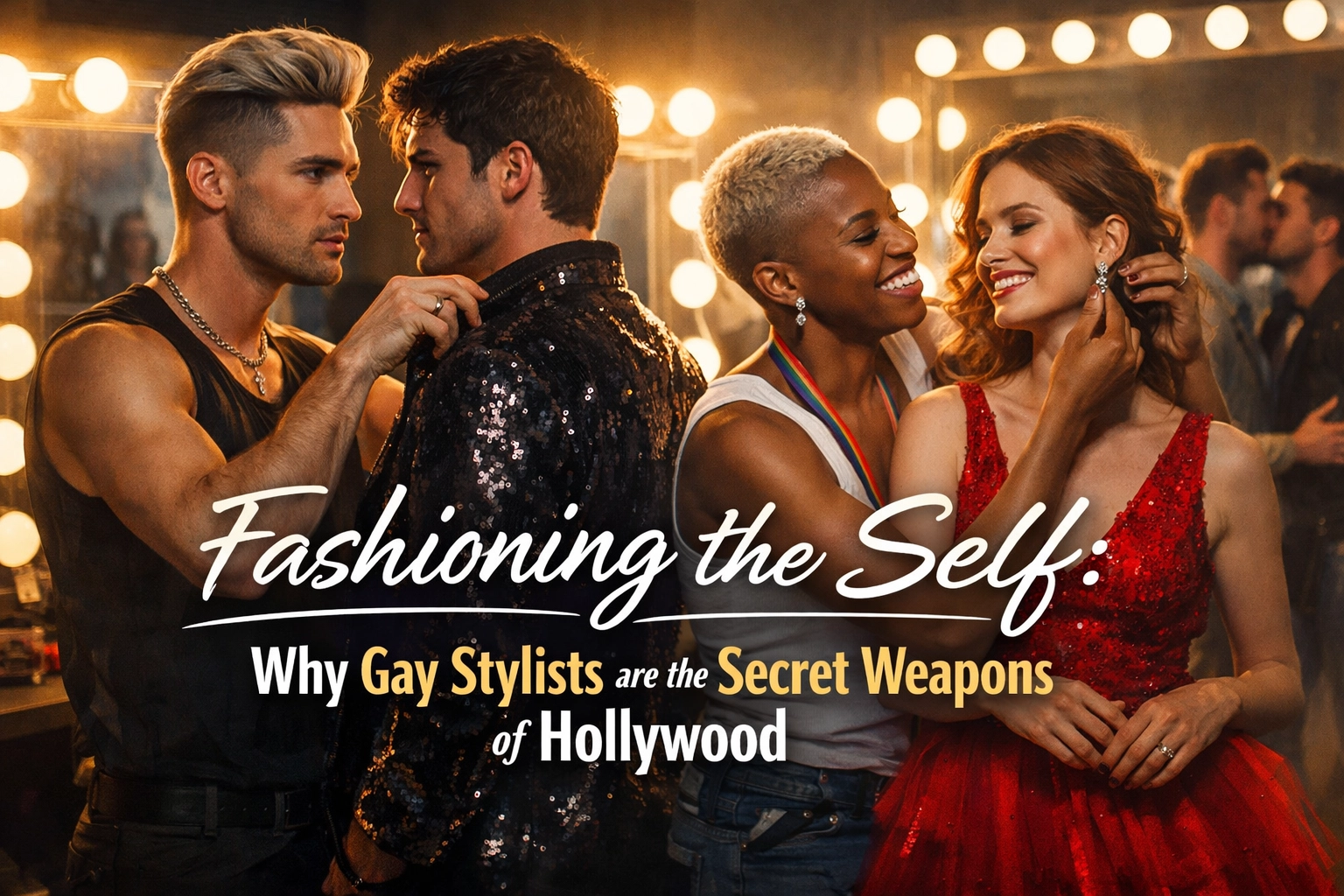
Let's talk about something Hollywood doesn't always want to acknowledge: behind almost every iconic red carpet moment, every unforgettable costume, and every perfectly styled movie star, there's often a gay stylist working absolute magic.
From Joan Crawford's shoulder pads to Zendaya's showstopping Met Gala looks, LGBTQ+ stylists have been the architects of Hollywood's most memorable fashion moments. And yet, they've remained largely invisible: the ultimate secret weapons in an industry obsessed with image.
The Golden Age: When Studios Knew the Truth
Here's a wild fact: back in the 1930s, when society was aggressively enforcing conformity and Hollywood was carefully managing its "moral" image, the major studios actively sought out gay male stylists. Why? Because they understood something fundamental: these artists possessed a unique creative vision and technical expertise that nobody else could match.
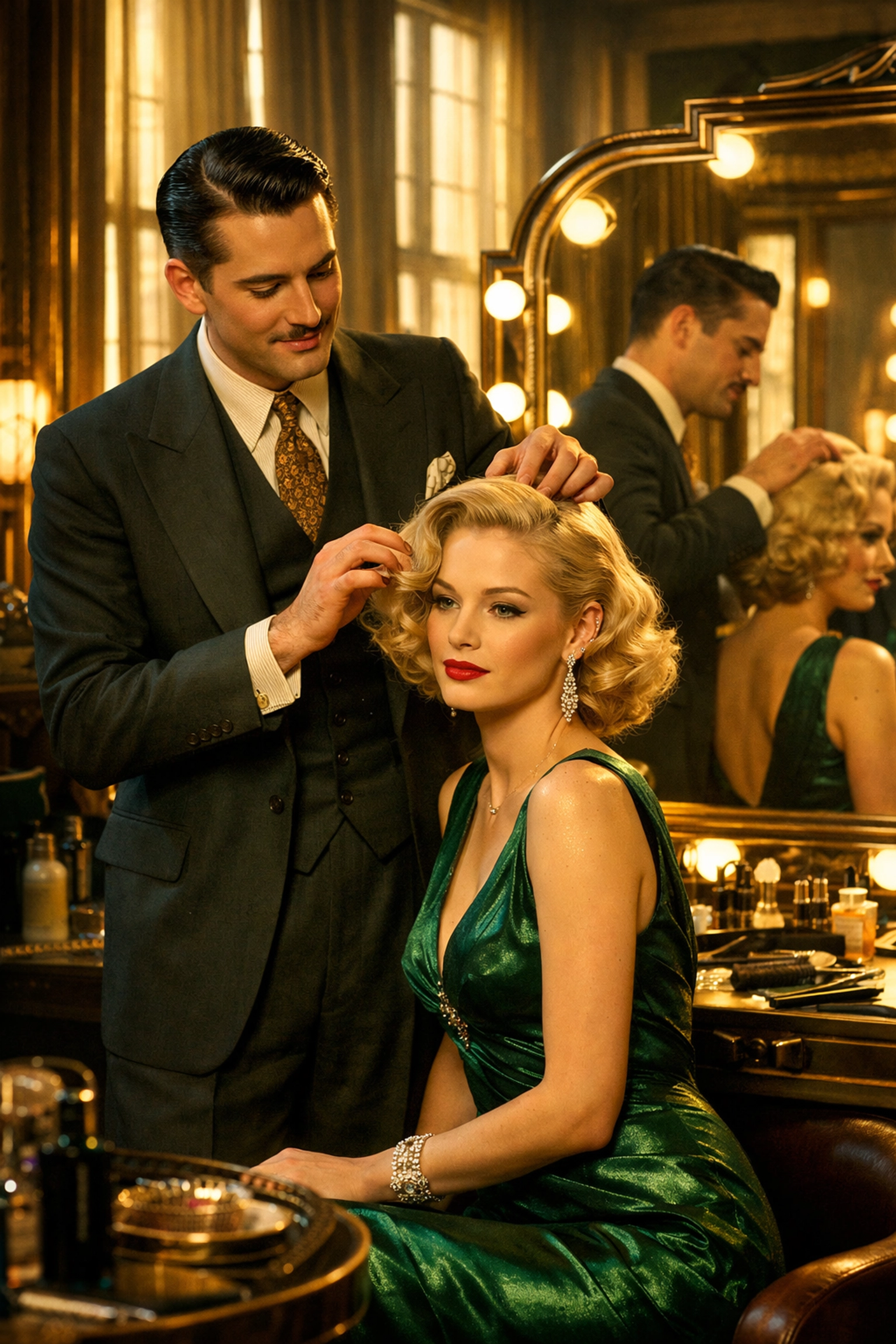
Joan Crawford famously declared that "only a male hairstylist, particularly one who was gay, knew how to make her look desirable to men." Bold statement, right? But she backed it up by personally recruiting Sydney Guilaroff to MGM, where he became chief stylist from 1934 until the late 1970s. For over four decades, Guilaroff shaped how Hollywood's biggest stars presented themselves to the world.
Think about that timeline. While gay men faced discrimination in nearly every other professional sphere, Hollywood's elite were literally fighting over their services. Crawford, Garbo, Taylor: they all knew the secret.
The Innovation Factor
What made these stylists so revolutionary wasn't just their technical skill: it was their ability to merge high fashion with practical studio needs while creating entirely new cultural movements.
Take Adrian, one of the early LGBTQ+ costume designers who basically invented Hollywood glamour as we know it. His iconic square-shouldered silhouette for Joan Crawford didn't just become her signature look: it sparked a nationwide fashion trend that defined women's style throughout the 1930s and 40s. That's not styling; that's cultural engineering.
These weren't people following trends. They were creating them, often drawing from an outsider's perspective that gave them a sharper, more daring eye for what could work. When you've spent your life navigating spaces that don't quite accept you, you develop an intuitive understanding of how presentation, clothing, and image can be used as armor, as expression, as transformation.
The Secret Sauce: Why They're Different
So what's the actual magic here? Why have gay stylists consistently delivered looks that become career-defining moments for their clients?
First, there's the creative fearlessness. Many LGBTQ+ stylists channeled their experiences of exclusion and hiding into fashion as a form of radical self-expression. They understood viscerally that clothing isn't just fabric: it's communication, identity, and sometimes defiance.
Second, they brought sophistication mixed with subversion. They knew the rules intimately enough to break them in exactly the right ways. They could make someone look conventionally beautiful while sneaking in elements of edge, humor, or rebellion that made the look memorable rather than merely pretty.
Third: and this is crucial: they understood transformation on a deeper level. For many queer people, especially in eras of intense discrimination, the ability to present different versions of yourself wasn't just professional; it was survival. That intimate knowledge of how clothing can reshape how the world sees you translates directly into creating show-stopping celebrity moments.
The Modern Era: Still Leading the Way
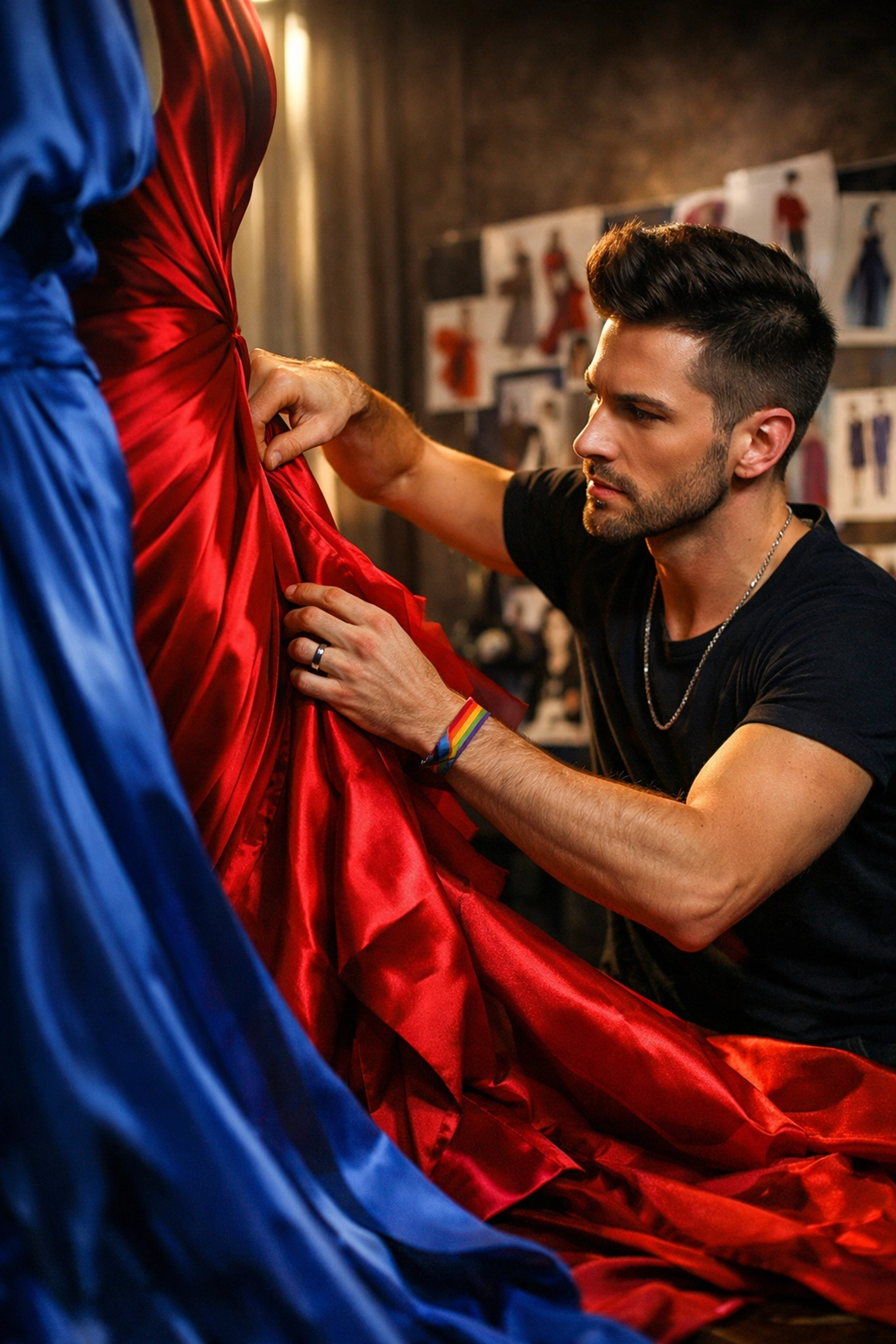
Fast forward to today, and LGBTQ+ stylists continue dominating the industry. Law Roach orchestrated Zendaya's stunning red carpet evolution, including that unforgettable 2019 Met Gala appearance as Cinderella: complete with a dress that literally lit up and changed color. Jason Bolden, LJ Perez, and Yashua Simmons are shaping how today's biggest stars present themselves to the world.
These contemporary stylists aren't just following in their predecessors' footsteps: they're expanding the playbook. They're bringing bolder risks, more diverse cultural influences, and a celebration of individuality that feels particularly resonant right now.
The difference is that now, at least some of these artists are getting credit. Social media has changed the game, making stylists visible in ways they never were during the studio system. When a celebrity slays on the red carpet, fans want to know who styled them. That visibility matters.
The Unsung Heroes Getting Their Due
Here's what's important to understand: calling gay stylists Hollywood's "secret weapons" shouldn't mean they stay secret. These artists have been foundational to how we understand celebrity, fashion, and visual culture for nearly a century.
Their contributions go beyond making people look good. They've shaped cultural movements, challenged gender norms through clothing, and created visual languages that communicated things that couldn't always be said aloud: especially during eras when being openly gay could destroy careers.
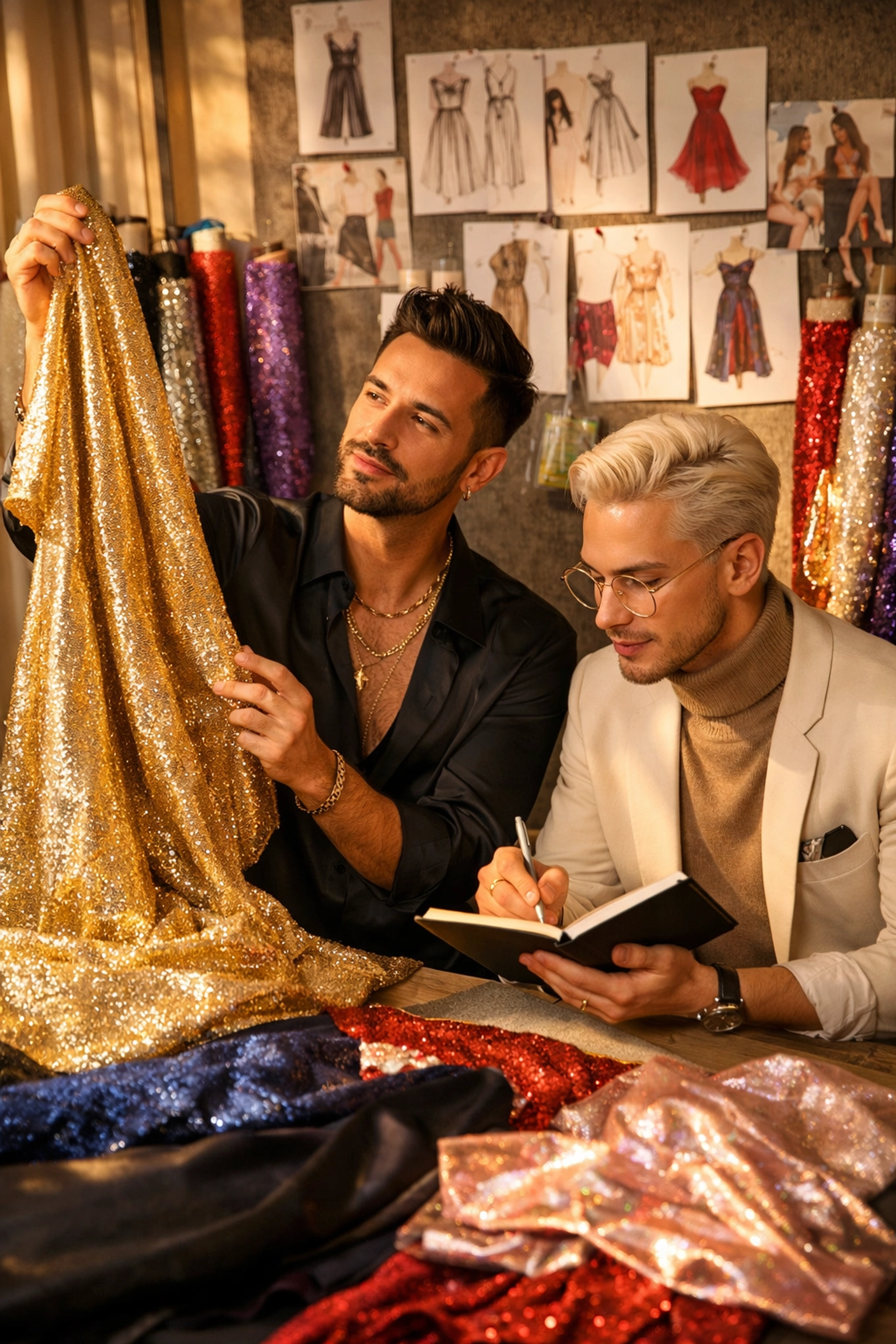
At Read with Pride, we believe in celebrating these stories, whether they're told through MM romance books that explore creative industries or through articles like this one that spotlight LGBTQ+ excellence in fashion and beyond. Because representation isn't just about seeing ourselves in romantic leads: it's about recognizing queer genius in every field where it's flourished, often despite incredible obstacles.
Why This History Matters Now
Understanding this legacy is crucial for several reasons. First, it counters the narrative that LGBTQ+ people are somehow recent additions to creative industries. We've been here all along, often doing the most innovative work while receiving the least recognition.
Second, it highlights how oppression and creativity can intersect. The same outsider status that made life harder also provided unique perspectives that enriched culture for everyone. That's not to romanticize discrimination: it's to acknowledge the resilience and brilliance of people who transformed barriers into artistic fuel.
Finally, it reminds us that visibility and credit matter. For decades, these stylists worked behind the scenes, their contributions minimized or erased. Today's generation of LGBTQ+ stylists deserves to be celebrated openly, their names known alongside the stars they dress.
The next time you see a celebrity absolutely slaying a red carpet, remember: there's probably an LGBTQ+ stylist behind that moment, continuing a tradition of excellence that stretches back to Hollywood's golden age. They're not just making people look good: they're creating icons.
Want more LGBTQ+ stories celebrating creativity, passion, and the people who shape our culture? Explore our collection of gay romance novels and MM fiction at ReadwithPride.com 🌈
Follow us for more inspiring stories:
- Instagram: @read.withpride
- Facebook: Read With Pride
- Twitter/X: @Read_With_Pride
#ReadWithPride #LGBTQHistory #GayFashion #HollywoodStyle #QueerCreatives #LGBTQCulture #MMRomance #GayBooks #QueerFiction #FashionHistory #LGBTQExcellence #GayRomanceBooks #CelebStyling #QueerArtists #PrideInFashion

Leave a Reply
You must be logged in to post a comment.