

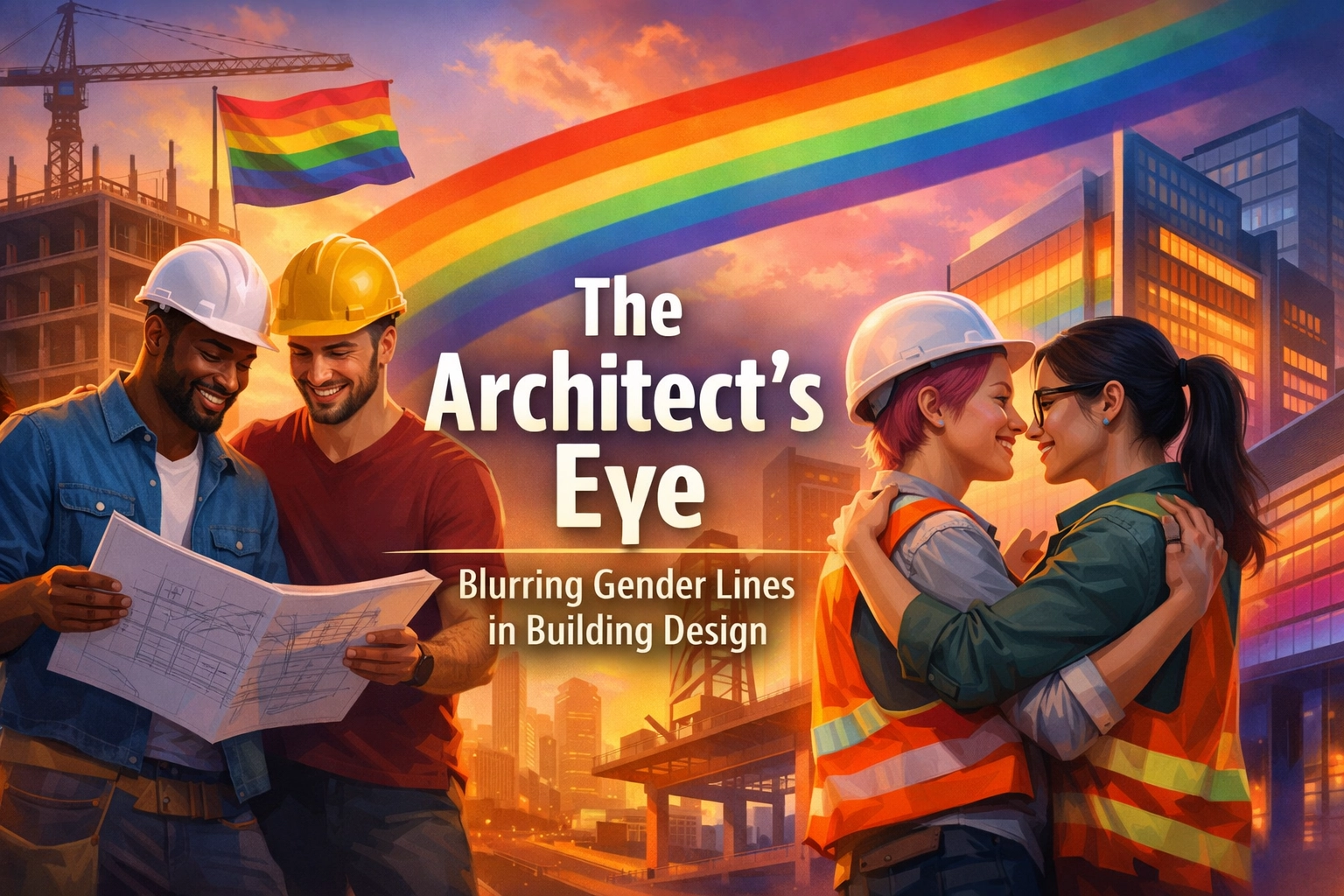
There's something quietly revolutionary happening in the world of architecture. While most of us walk past buildings without giving them a second thought, a growing movement of gay architects and queer designers are fundamentally reshaping how we think about space, form, and function. They're not just designing buildings: they're dismantling centuries of heteronormative assumptions about who spaces are for and how they should feel.
Think about it: architecture has always been gendered. The "man cave" versus the "she shed." Board rooms designed for power suits and dominance. Public restrooms that force everyone into binary boxes. But what happens when the people holding the blueprints have spent their lives navigating spaces that weren't built with them in mind?
Magic happens. That's what.
Beyond Pink Triangles and Rainbow Flags
Let's be clear: when we talk about gay architects breaking down gender norms, we're not talking about slapping a pride flag on a building and calling it a day. We're talking about something far more profound and, frankly, far more interesting.
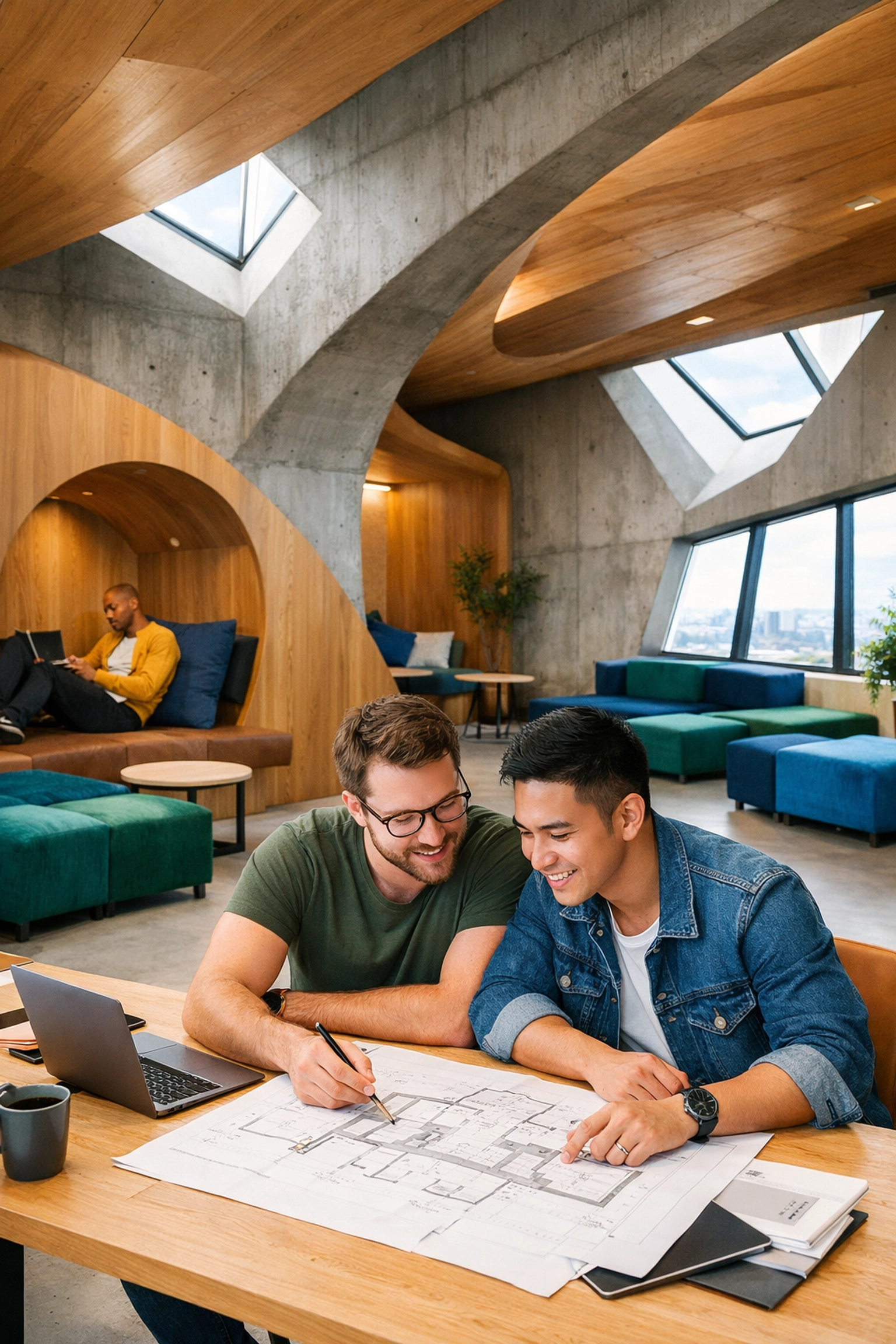
Gay and queer architects are approaching design with a fundamentally different lens. Many have spent their lives existing in liminal spaces: not quite fitting into the boxes society prepared for them. That lived experience translates into architectural vision that questions every assumption. Why should a home office be separated from family spaces? Why do we design restaurants with only couples or traditional families in mind? Why are bathrooms still the most anxiety-inducing spaces in public buildings?
The answer, increasingly, is that they shouldn't be. And gay architects are leading the charge in reimagining these spaces from the ground up.
Designing for Fluidity, Not Fixed Categories
One of the most exciting developments in contemporary architecture is the move toward gender-neutral and flexible spaces. This isn't just about adding a third bathroom option (though that's important too). It's about creating environments that adapt to people rather than forcing people to adapt to them.
Take residential design. Traditional architecture has long been obsessed with rigid room designations: the master bedroom, the man cave, the sewing room. But queer designers are championing open, adaptable spaces that can transform based on how people actually live. A home office that becomes a drag preparation station on weekends. A dining room that flows seamlessly into entertaining space for chosen family gatherings. Bedrooms that don't scream "masculine" or "feminine" but simply feel like you.
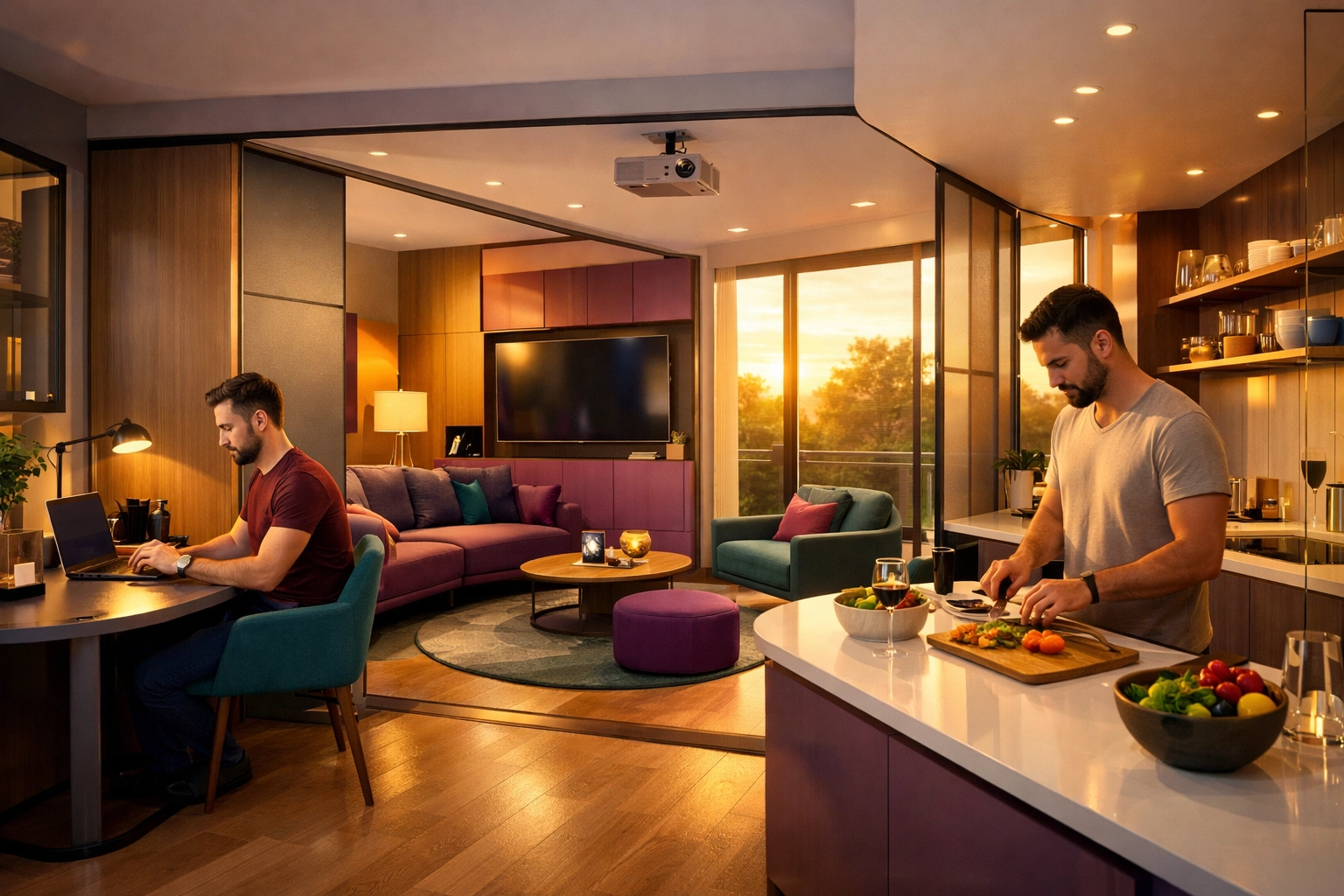
This approach resonates far beyond the LGBTQ+ community. Parents working from home, multi-generational families, roommate households, and anyone who doesn't fit the 1950s nuclear family template all benefit from these more fluid, adaptable designs.
The Politics of Public Space
Here's where things get really interesting: and political. Gay architects aren't just redesigning private homes; they're reimagining public spaces in ways that challenge power structures and promote genuine inclusivity.
Consider how traditional urban planning has favored certain bodies and behaviors while marginalizing others. Wide sidewalks and ample public seating might seem like small details, but they're crucial for people with disabilities, elderly folks, and anyone who doesn't fit the "productive worker bee" ideal. Queer architects, many of whom have experienced marginalization themselves, are particularly attuned to these details.
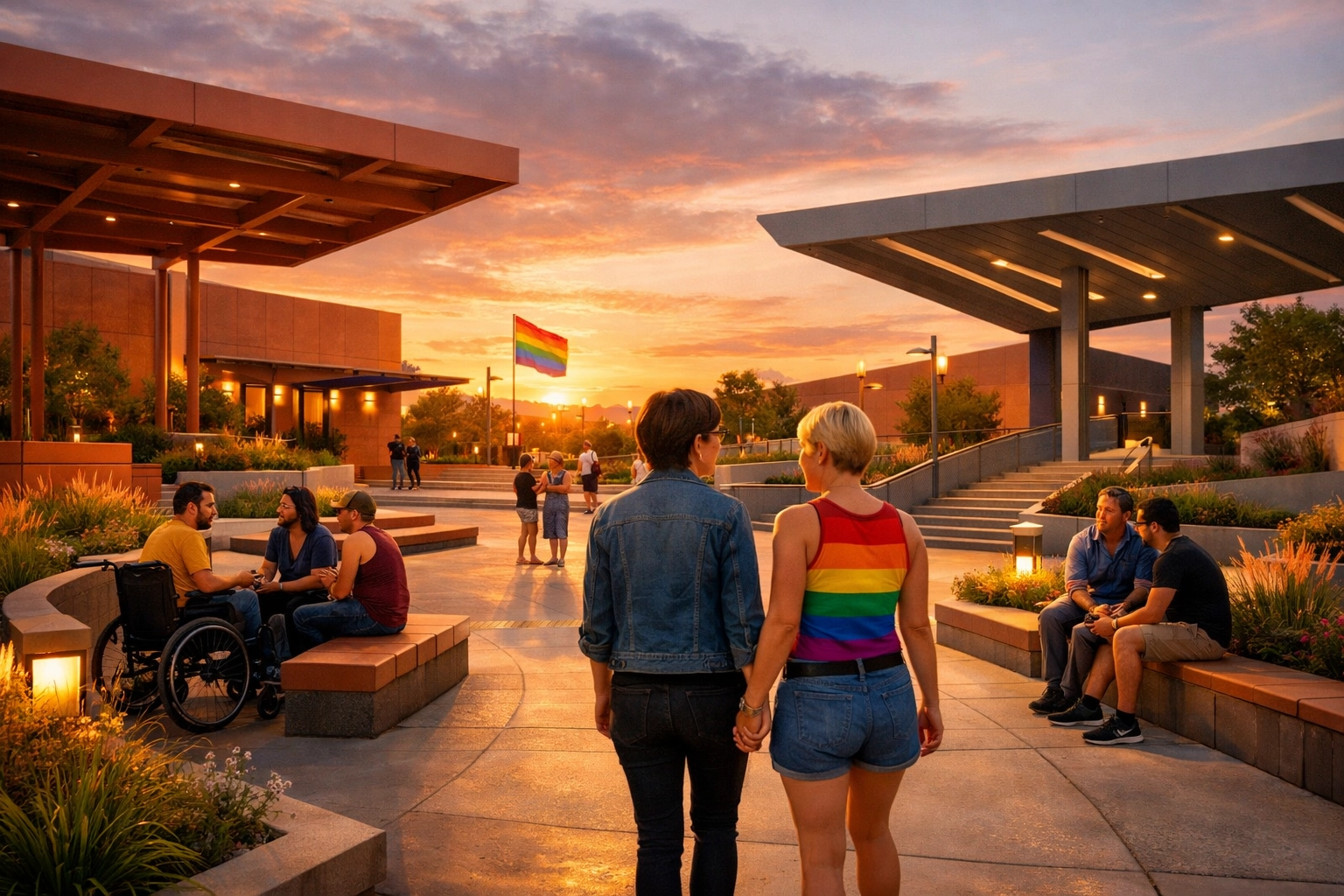
They're designing community centers that actually feel communal, with flexible gathering spaces instead of intimidating institutional layouts. They're creating affordable housing that includes shared amenities and encourages social connection: because they understand that chosen family often matters just as much as biological family. They're planning parks and public plazas that feel safe and welcoming for everyone, not just those who've always felt entitled to occupy public space.
Workplace Transformation
The corporate world has a long way to go when it comes to inclusivity, but progressive architects are pushing the envelope. Gender-neutral bathrooms are becoming standard in new office designs. Lactation rooms and quiet spaces for prayer or meditation are no longer afterthoughts. Open floor plans are being reconsidered in favor of designs that offer both collaboration and privacy: because not everyone thrives in the same environment.
Some of the most innovative workplaces now feature design elements that support diverse needs: adjustable lighting for people with sensory sensitivities, multiple types of seating arrangements, and spaces that accommodate different work styles. This isn't just good for LGBTQ+ employees: it's good for everyone. When you design for the margins, you often create better solutions for the center too.
The Aesthetic Revolution
Let's talk about aesthetics, because this matters too. For decades, "masculine" design meant hard lines, dark colors, leather, and steel. "Feminine" design meant curves, pastels, florals, and softness. Gay and queer architects are gleefully torching this binary and creating something far more interesting.
Contemporary queer-influenced architecture embraces paradox: strength and softness, industrial materials with organic forms, bold colors that don't read as "gendered." There's a playfulness and experimentation that comes from not feeling bound by traditional rules. Why can't a library feel intimate and expansive at the same time? Why can't a restaurant be both elegant and irreverent?
This aesthetic freedom is showing up in everything from boutique hotels to residential towers. Designers are mixing materials and styles that conventional wisdom said "shouldn't" go together: and proving that conventional wisdom was boring anyway.
Building the Future We Deserve
The shift toward more inclusive, gender-fluid architecture isn't just about aesthetics or politics: it's about creating a built environment that reflects the actual diversity of human experience. And while we're seeing meaningful progress, there's still work to do.
The architecture profession itself remains predominantly white and male, though things are slowly changing. More diverse voices in architecture mean more diverse perspectives in design. Every time a gay architect, trans designer, or queer urban planner joins the conversation, the range of possibilities expands.
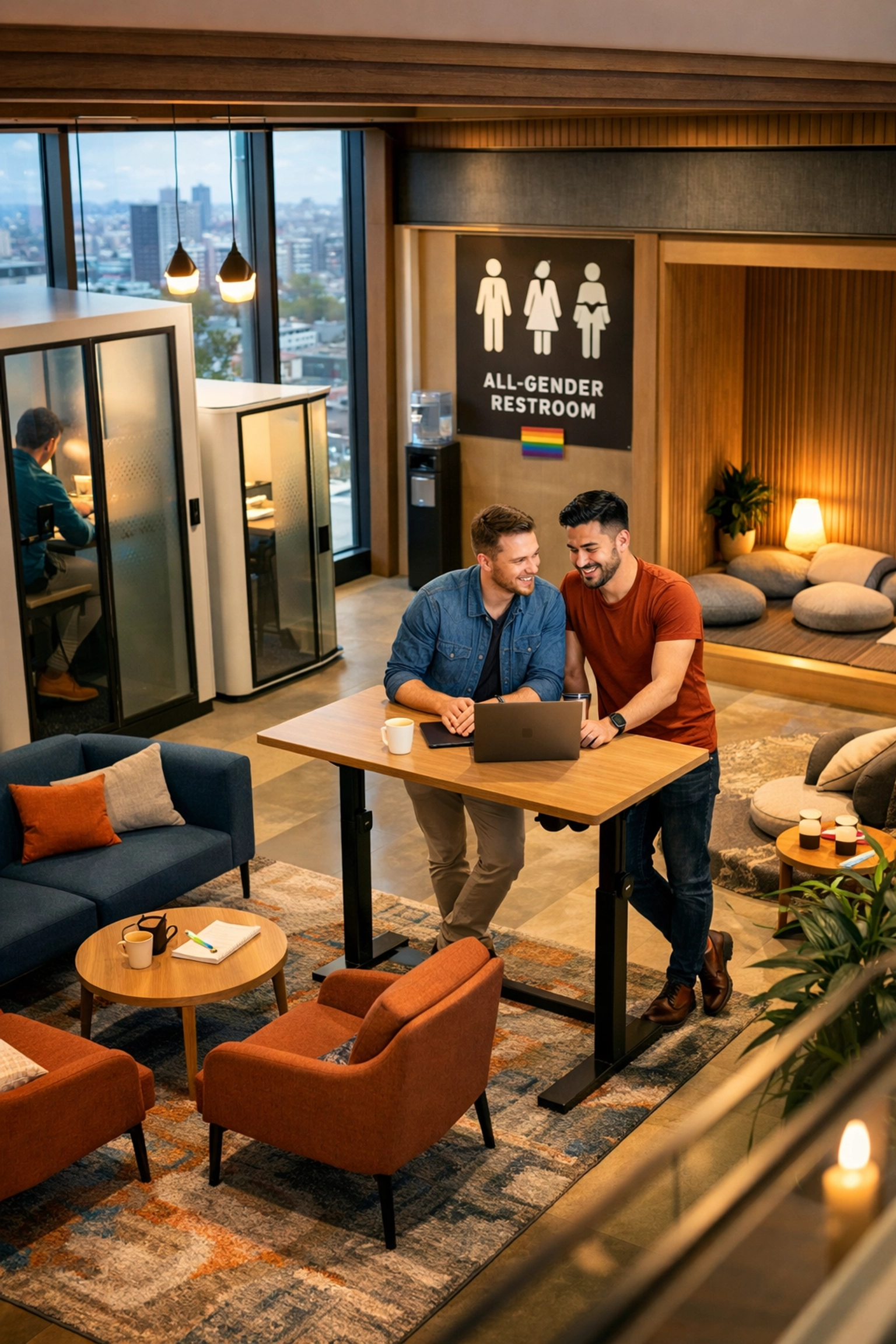
For those of us who love LGBTQ+ fiction and gay romance novels, there's something familiar about this story. Just like the characters in our favorite MM romance books who refuse to fit into society's narrow boxes, these architects are writing their own narratives: in steel, glass, and concrete. They're creating spaces where people can truly be themselves, where identity isn't something to hide but something to celebrate.
Why This Matters to Readers
You might be wondering what architecture has to do with reading. At Read with Pride, we believe in celebrating LGBTQ+ creativity and innovation in all its forms. The same spirit that drives writers to create authentic queer fiction and gay love stories animates architects who are reimagining our physical world.
Whether you're curling up with a contemporary MM romance or walking through a thoughtfully designed public space, you're experiencing someone's vision of what the world could be. Both are acts of creation, resistance, and hope.
#ReadWithPride #LGBTQArchitecture #QueerDesign #InclusiveSpaces #GayArchitects #GenderFluidDesign #QueerCreativity #LGBTQInnovation #BuildingPride #ArchitecturalRevolution #QueerFiction #MMRomance #LGBTQBooks #PrideInDesign #BreakingBoundaries
Discover more stories celebrating LGBTQ+ creativity and culture at readwithpride.com

Leave a Reply
You must be logged in to post a comment.