

![[HERO] Wendy Carlos: The Sound of Transformation](https://cdn.marblism.com/qiZ5gmFwwWWi.webp)
In the late 1960s, a revolutionary sound was about to change music forever. Wendy Carlos stood at the intersection of classical tradition and electronic innovation, creating something the world had never heard before. But while she was transforming the soundscape of an entire generation, she was also navigating her own deeply personal transformation: one she would keep private for nearly two decades.
The Revolutionary Behind the Synthesizer
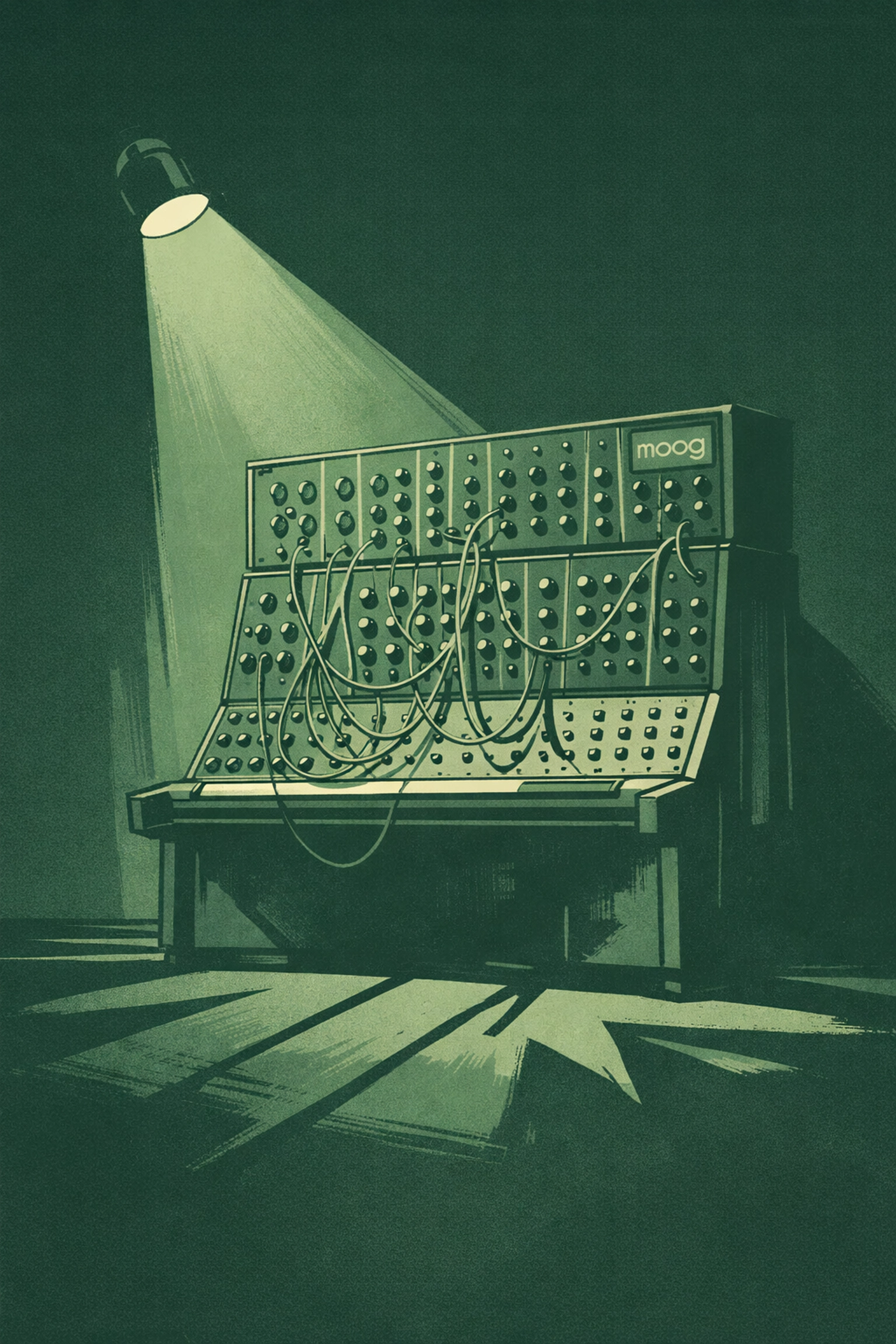
Wendy Carlos didn't just play electronic music: she helped invent it. Working alongside Robert Moog in the mid-1960s at the Columbia–Princeton Electronic Music Center, she became one of the first musicians to truly understand and harness the power of the modular synthesizer. Her feedback and suggestions directly influenced Moog's development of his groundbreaking instrument, shaping the technology that would define electronic music for decades to come.
In 1968, Carlos released Switched-On Bach, an album that performed Johann Sebastian Bach's compositions entirely on a Moog synthesizer. The project took approximately 1,000 hours to complete: all while she maintained her regular job. Working with a monophonic synthesizer that could only play one note at a time, she painstakingly layered tracks to create full orchestrations. The album became a phenomenon, winning three Grammy Awards and introducing synthesizers to mainstream audiences worldwide.
From Classical to Cinema
Carlos's innovative approach caught the attention of filmmaker Stanley Kubrick, who commissioned her to compose the soundtrack for his controversial 1971 masterpiece A Clockwork Orange. Her haunting electronic interpretations of classical pieces, combined with original compositions, created an unsettling sonic landscape that perfectly matched Kubrick's dystopian vision. The collaboration established her as a serious film composer and opened doors to Hollywood.
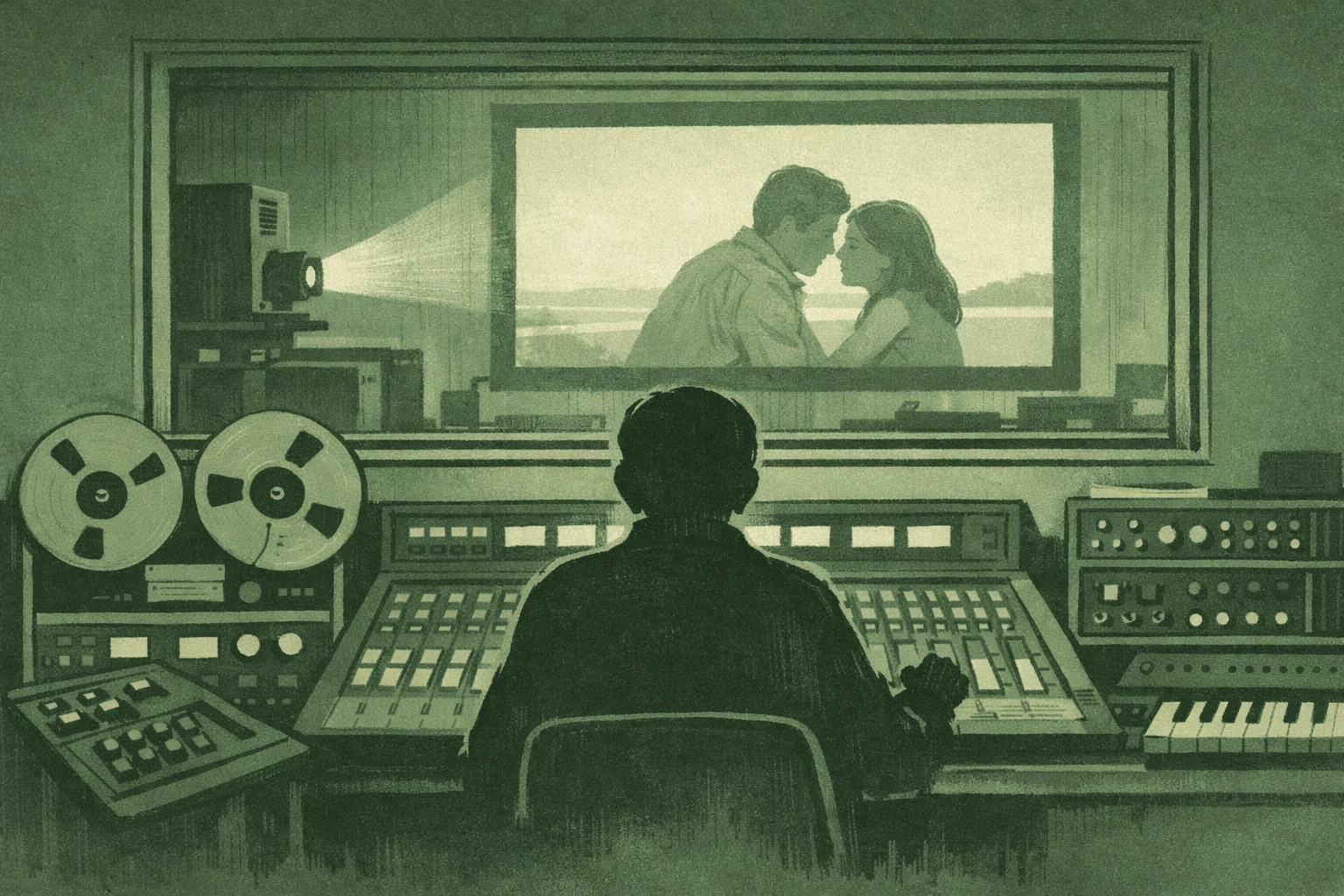
She would go on to score Kubrick's The Shining (1980) and Disney's Tron (1982), cementing her status as one of the most influential electronic music composers of her generation. But throughout this period of professional triumph, Carlos was living a dual existence that few in the public knew about.
The Private Journey
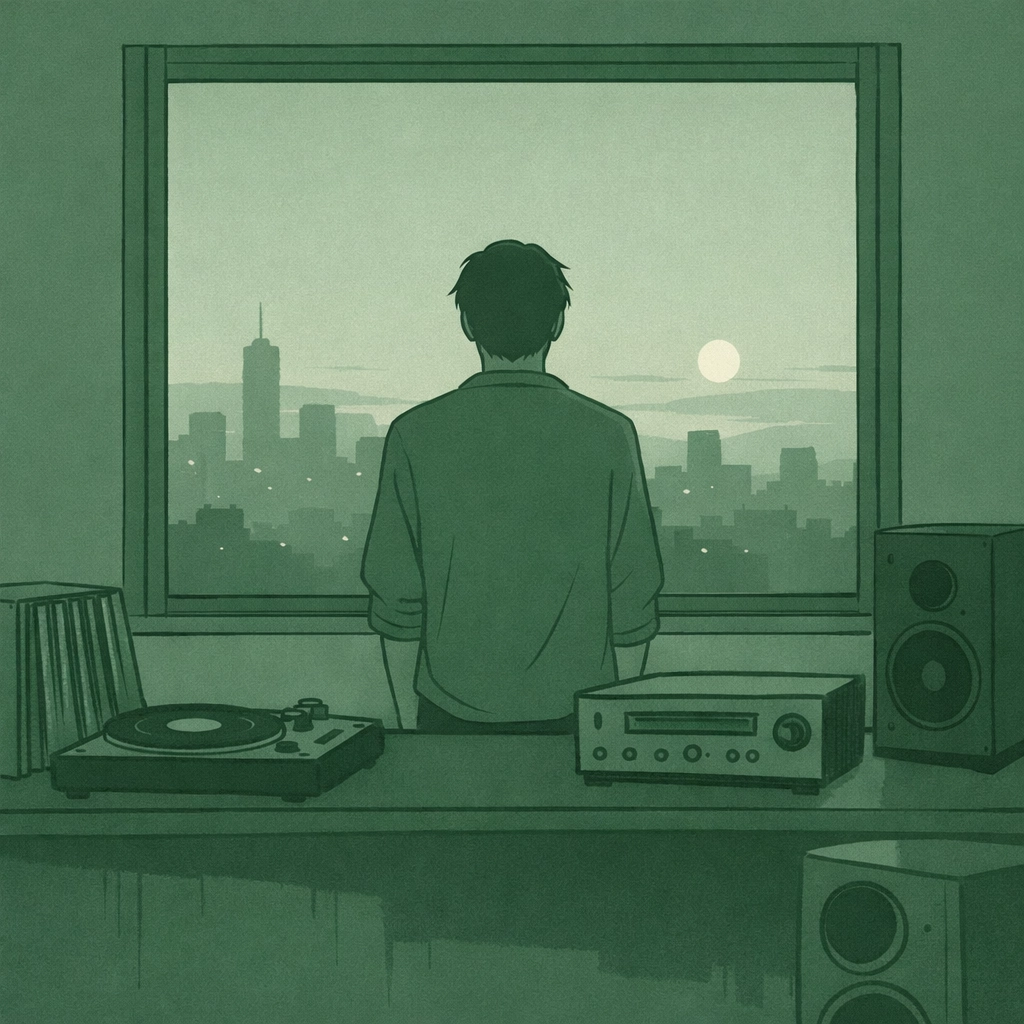
While achieving international acclaim and revolutionizing electronic music, Wendy Carlos was undergoing hormone replacement therapy and beginning her transition. She had begun the process in 1968: the same year Switched-On Bach was released: and underwent gender confirmation surgery in 1972, just as her career reached new heights following A Clockwork Orange.
For years, Carlos lived in what she later described as a "self-imposed prison of silence." She continued working, creating, and composing, but she did so in extreme privacy, rarely appearing in public and conducting interviews primarily through written correspondence. The fear of professional repercussions and public scrutiny kept her from living openly as the woman she was.
The music industry of the 1970s and early 1980s was far from welcoming to transgender people. Carlos understood that coming out could mean the end of her career, the loss of her artistic credibility, and public ridicule. So she protected herself the only way she knew how: through silence and seclusion.
Breaking the Silence
In 1979, Carlos made the courageous decision to come out publicly in an interview with Playboy magazine. The revelation was met with mixed reactions. Some fans and colleagues were supportive, while others struggled to understand or accept her identity. The music industry, notorious for its conservatism despite its rebellious image, didn't always know how to respond.
What's remarkable about Carlos's story is that she never let the fear of exposure stop her from creating. Even while living in privacy, she continued to push boundaries, experiment with new sounds, and compose groundbreaking work. Her resilience and dedication to her art, combined with her courage to eventually live authentically, make her a true pioneer: not just in music, but in LGBTQ+ history.
Legacy and Impact
Today, Wendy Carlos is recognized not only as an electronic music innovator but as a transgender trailblazer who paved the way for future generations. Her story reminds us that transformation: whether sonic or personal: requires courage, patience, and an unwavering commitment to authenticity.
For readers interested in stories of courage, identity, and living authentically, explore the LGBTQ+ fiction collection at Read with Pride, including titles like The Private Self: A Guide to Honoring Your Truth in Your Own Time and Beyond the Closet Door.
Carlos's contributions to music remain unparalleled. Her early adoption and mastery of synthesizer technology influenced everyone from Kraftwerk to Daft Punk. Her film scores continue to be studied and celebrated. And her courage in living as her authentic self, despite the enormous professional risks, has inspired countless transgender and non-binary people in the arts and beyond.
The Sound Lives On
Wendy Carlos proved that true innovation requires authenticity. Her revolutionary approach to electronic music came from a place of deep personal truth: a willingness to explore, experiment, and challenge conventions. That same spirit guided her through her transition and her eventual decision to live openly.
Her story is a reminder that transformation: in art, in life, in identity: is not a single moment but an ongoing process of becoming. The sound of transformation is sometimes quiet, sometimes thunderous, but always authentic.
Discover more inspiring LGBTQ+ stories at Read with Pride and explore our complete collection at dickfergusonwriter.com.
Follow us on social media:
- Instagram: @dickfergusonwriter
- X/Twitter: @DickFergus94902
- Facebook: Dick Ferguson Writer
- Visit: www.readwithpride.com
#ReadWithPride #WendyCarlos #TransgenderHistory #LGBTQPride #TransPride #ElectronicMusic #QueerHistory #TransIcon #LGBTQBooks #QueerFiction #GayBooks #TransgenderRights #LGBTQLiterature #PrideReading #TransVisibility #QueerLegacy #MusicalPioneers #TransgenderTrailblazers #ReadingWithPride

Leave a Reply
You must be logged in to post a comment.