


When you think about LGBTQ+ pioneers who changed history, your mind probably jumps to names like Marsha P. Johnson or Harvey Milk. But there's one name that deserves equal recognition in queer history: Roberta Cowell, the first British trans woman to undergo gender-affirming surgery. Her story isn't just about transition; it's about raw courage, speed, survival, and living authentically when the world wasn't ready.
Racing Into Life
Born in Croydon, England in 1918, Roberta Cowell didn't start her journey as the woman she would become. But from the beginning, she had two passions: engineering and speed. While studying at University College London, she wasn't just hitting the books: she was tearing up race tracks.
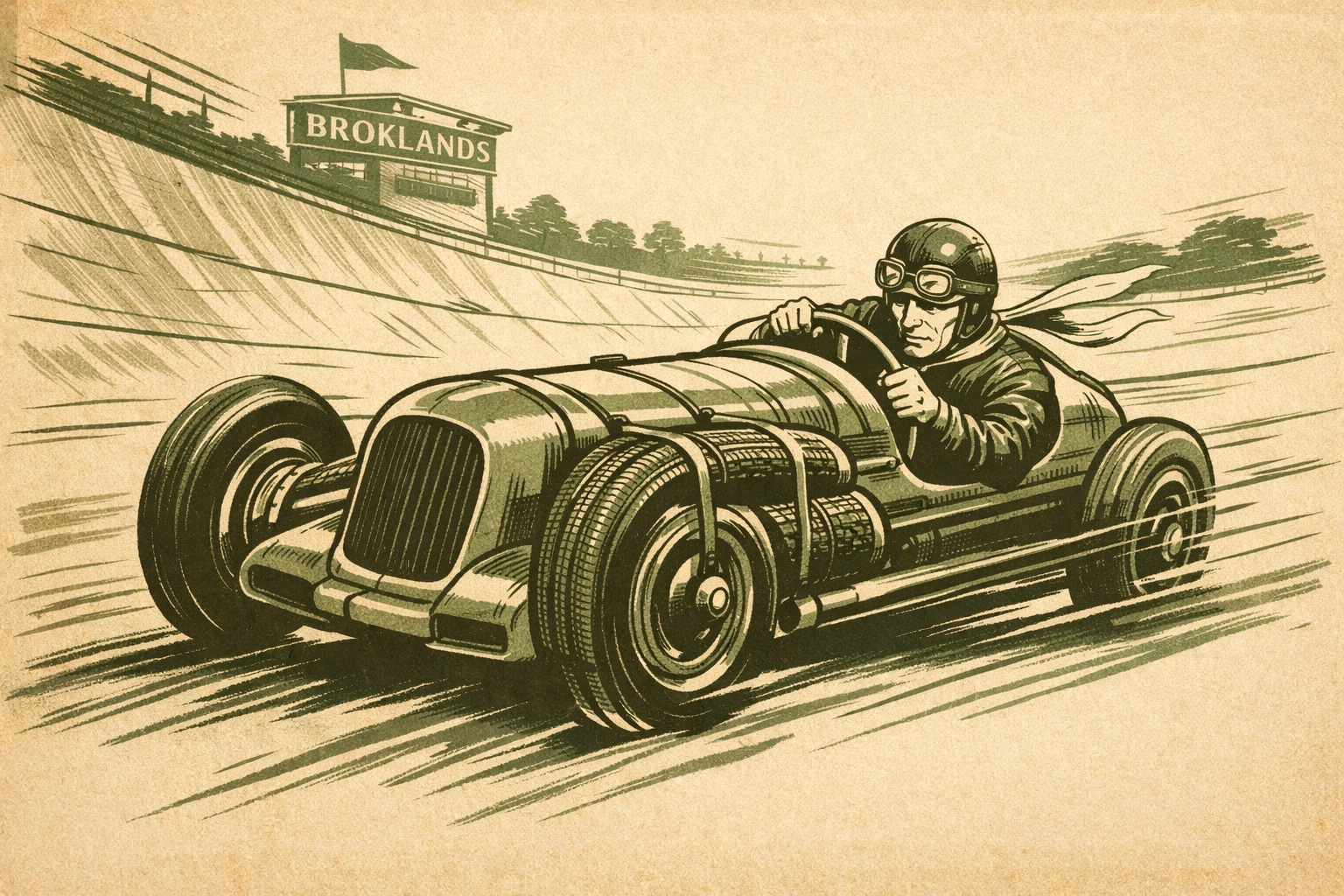
By 1939, Cowell had established herself at Brooklands, one of the most prestigious racing circuits in Britain. She won the Land's End Speed Trial and competed in the Antwerp Grand Prix, holding her own in a brutally male-dominated sport. This was someone who refused to play it safe, who needed to feel alive behind the wheel, engine roaring beneath her.
War, Survival, and Hidden Truths
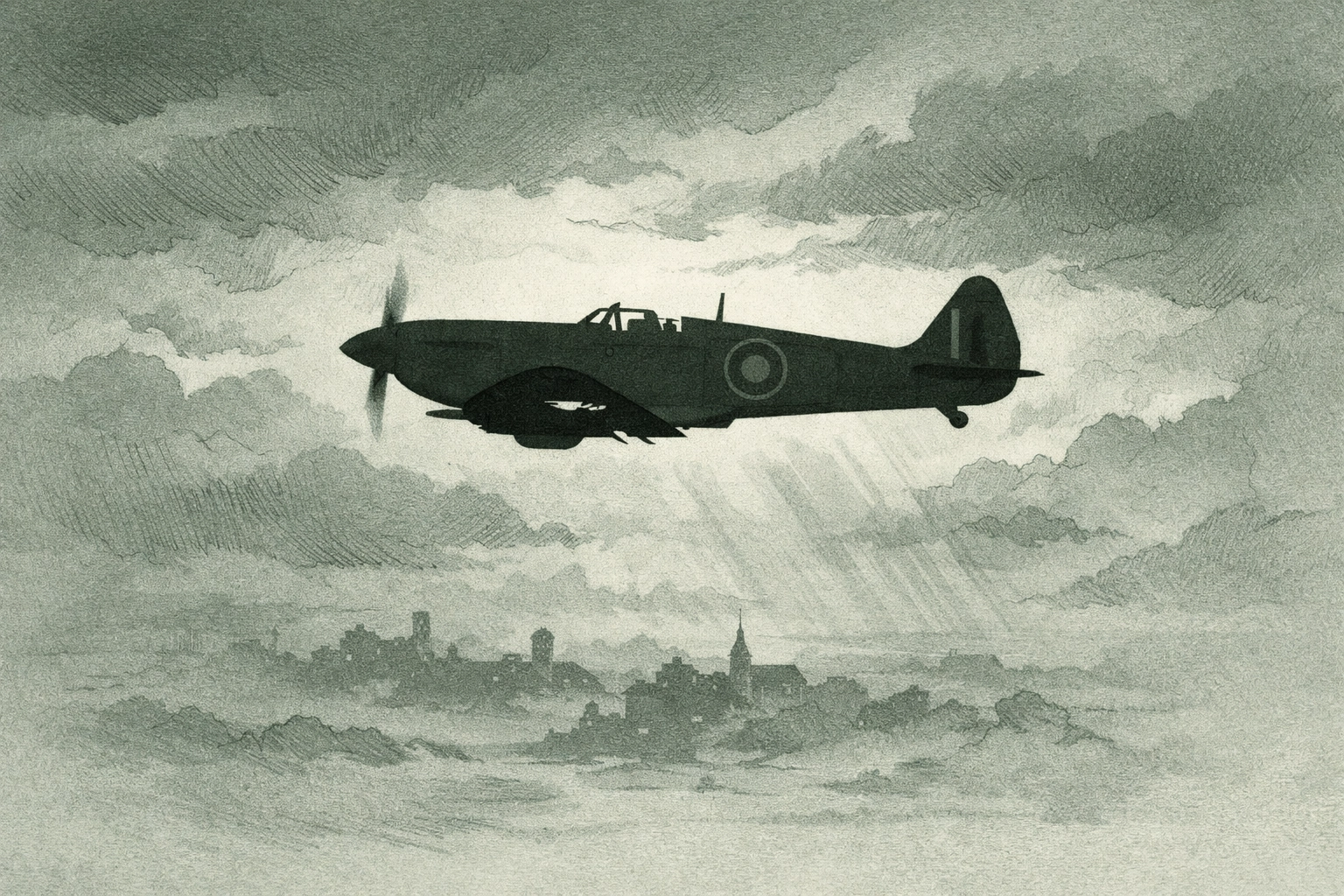
When World War II broke out, Cowell joined the Royal Army Service Corps before transferring to the RAF as a pilot officer in 1942. Flying Spitfires wasn't glamorous: it was terrifying. In 1944, she experienced a near-fatal oxygen system malfunction mid-flight, then later survived being shot down by German anti-aircraft fire.
German forces captured her, and she spent five brutal months as a prisoner of war at Stalag Luft I. She lost 50 pounds. She endured conditions that would break most people. But she survived.
Yet something deeper was breaking inside her: something that had nothing to do with the war.
The Depression That Wouldn't Lift
After returning home, Cowell tried to rebuild her life. She resumed racing, established a motor-racing engineering company, and attempted to continue where she'd left off. But severe depression consumed her. Her marriage to Diana Carpenter dissolved in 1948, and nothing: not the speed, not the success, not the accolades: could fill the void inside.
She finally sought psychiatric help, and there, she discovered the source of her anguish: gender dysphoria. The person everyone saw wasn't who she truly was. Living as a man wasn't just uncomfortable: it was suffocating.
In 1948, this realization must have felt both liberating and terrifying. Britain in the late 1940s wasn't exactly known for its progressive attitudes toward gender identity. But Roberta Cowell had never played it safe.
Finding Her Path Forward
Cowell began taking female hormones, and through extraordinary circumstances, she connected with Michael Dillon: the first person in Britain to undergo female-to-male gender reassignment. Dillon understood. He helped guide her through what would become an unprecedented medical and legal journey.
Together, they worked with pioneering plastic surgeon Harold Gillies, who had developed groundbreaking techniques during the war reconstructing soldiers' faces. In 1951, Gillies performed the first male-to-female sex reassignment surgery in Britain on Roberta Cowell.
The procedure allowed her to be legally reclassified and obtain a new birth certificate identifying her as female. By May 18, 1951, as she later stated, she had become "woman physically, psychologically, glandularly and legally."
Living Authentically in the Public Eye
For three years, Roberta lived quietly as herself, finally aligned in body and spirit. But in March 1954, everything changed. Picture Post magazine published her autobiography and personal account, earning her £8,000: equivalent to over £230,000 today.
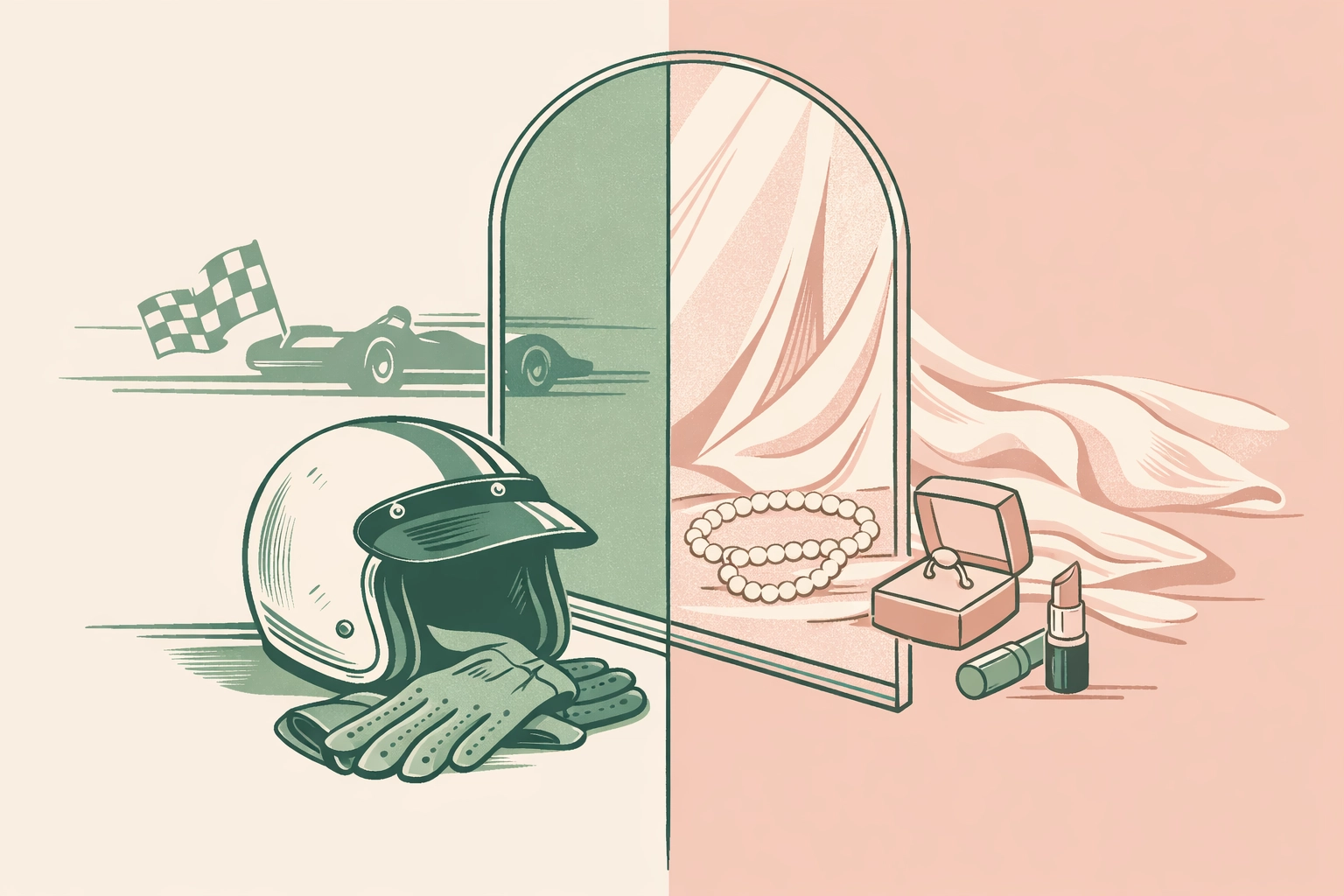
Overnight, she became international news. Her story made headlines around the world. Some celebrated her courage. Others condemned her. But Roberta Cowell had never lived for other people's approval.
Remarkably, she didn't retreat from public life. Instead, she returned to what she loved: racing. In 1957, she won the Shelsley Walsh Speed Hill Climb, proving that transitioning hadn't diminished her competitive spirit or skill behind the wheel.
However, her legal gender change made her ineligible to compete in Grand Prix racing: one of many ways society continued to punish her for living authentically. Financial difficulties eventually forced her to step back from competitive motorsport, but she'd already proven her point: she was still the same fearless competitor she'd always been.
The Price of Being First
Being a trans pioneer in the 1950s came with a cost. Roberta gave her final public interview in 1972, then withdrew from the spotlight entirely. We can only imagine the toll that constant scrutiny, prejudice, and misunderstanding took on someone who simply wanted to live as herself.
She passed away in 2011, having lived to see tremendous progress in transgender rights: but also knowing she'd paved the way at enormous personal sacrifice.
Why Roberta's Story Matters Today
Reading about Roberta Cowell's life in 2026, it's easy to focus on how far we've come. Gender-affirming care is more accessible (though still under attack in many places). Legal protections exist that didn't in her time. Transgender visibility has increased dramatically.
But it's also sobering to recognize how much hasn't changed. Trans people still face discrimination in sports. Medical access remains a battleground. Violence against the trans community continues at alarming rates.
Roberta Cowell's story reminds us that transgender people have always existed, have always been part of our communities, and have always demonstrated extraordinary courage. She wasn't just racing cars: she was racing toward her true self in a world designed to keep her from reaching it.
Celebrating Trans Stories and LGBTQ+ Literature
At Read with Pride, we believe in amplifying voices and stories from across the LGBTQ+ community. Whether you're looking for gay romance books, MM fiction, queer literature, or simply want to learn more about transgender history and experiences, we've got you covered.
Our collection includes everything from gay historical romance to contemporary MM novels, from emotional queer fiction to award-winning gay literature. We're committed to celebrating the diversity and resilience of our community: past, present, and future.
Check out our full collection of LGBTQ+ ebooks at dickfergusonwriter.com/collections/all, where you'll find stories that honor authenticity, courage, and love in all its forms.
For those exploring questions of identity and coming out, we recommend The Private Self: A Guide to Honoring Your Truth in Your Own Time and Beyond the Closet Door: A Gay Man's Coming Out Plan.
Roberta Cowell raced toward her true self when the world told her to stay hidden. Her legacy reminds us that living authentically is the bravest thing any of us can do.
Follow us on social media:
Instagram: @dickfergusonwriter
X/Twitter: @DickFergus94902
Facebook: Dick Ferguson Writer
Visit us at readwithpride.com | dickfergusonwriter.com
#RobertaCowell #TransHistory #TransgenderPioneers #LGBTQHistory #ReadWithPride #QueerHistory #TransVisibility #GenderAffirmingCare #TransRights #LGBTQBooks #QueerLiterature #TransStories #LGBTQEbooks #ReadingWithPride #HistoricLGBTQFigures #TransWomen #CourageAndAuthenticity #QueerFiction #GayBooks #MMRomance #LGBTQFiction

Leave a Reply
You must be logged in to post a comment.