

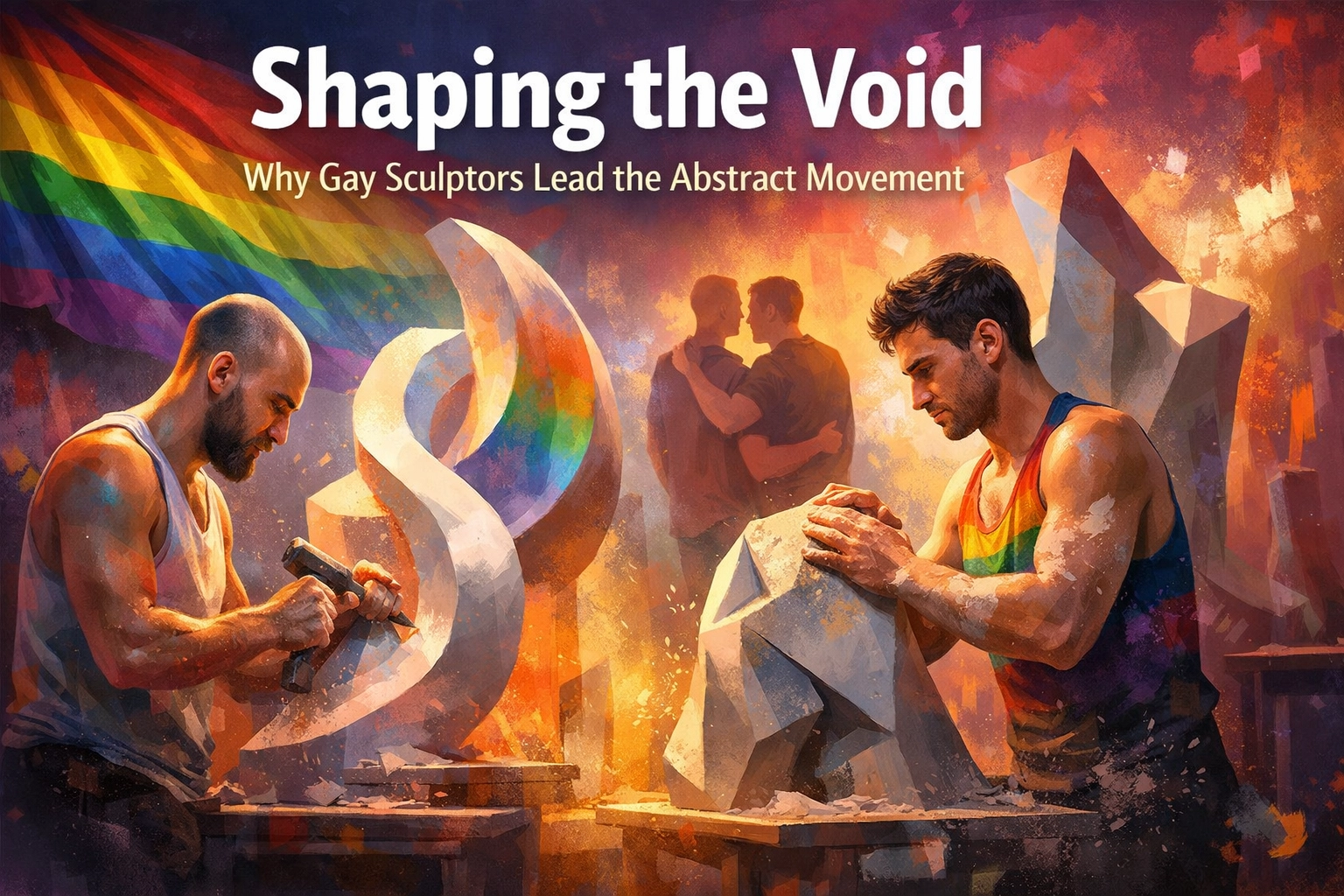
There's something beautifully ironic about abstraction. In a world that demanded queer people stay hidden, abstract art became the loudest whisper: a language that said everything without saying anything at all. And nowhere is this more apparent than in sculpture, where gay artists didn't just participate in the abstract movement; they fundamentally shaped it.
For over a century, LGBTQ+ sculptors have turned to abstraction not as an aesthetic choice, but as a survival strategy. When being yourself could land you in prison: or worse: abstract forms became a refuge. These artists discovered that you could embed desire, identity, and entire worlds of meaning into shapes that the straight world would simply read as "art."
The Art of Coded Language
Let's rewind to the mid-20th century, when homosexuality was criminalized across much of the Western world. Imagine being an artist with something urgent to say about love, desire, and the body, but knowing that explicit representation could destroy your career: or your life. Harassment, discrimination, and very real violence hung over every creative decision.
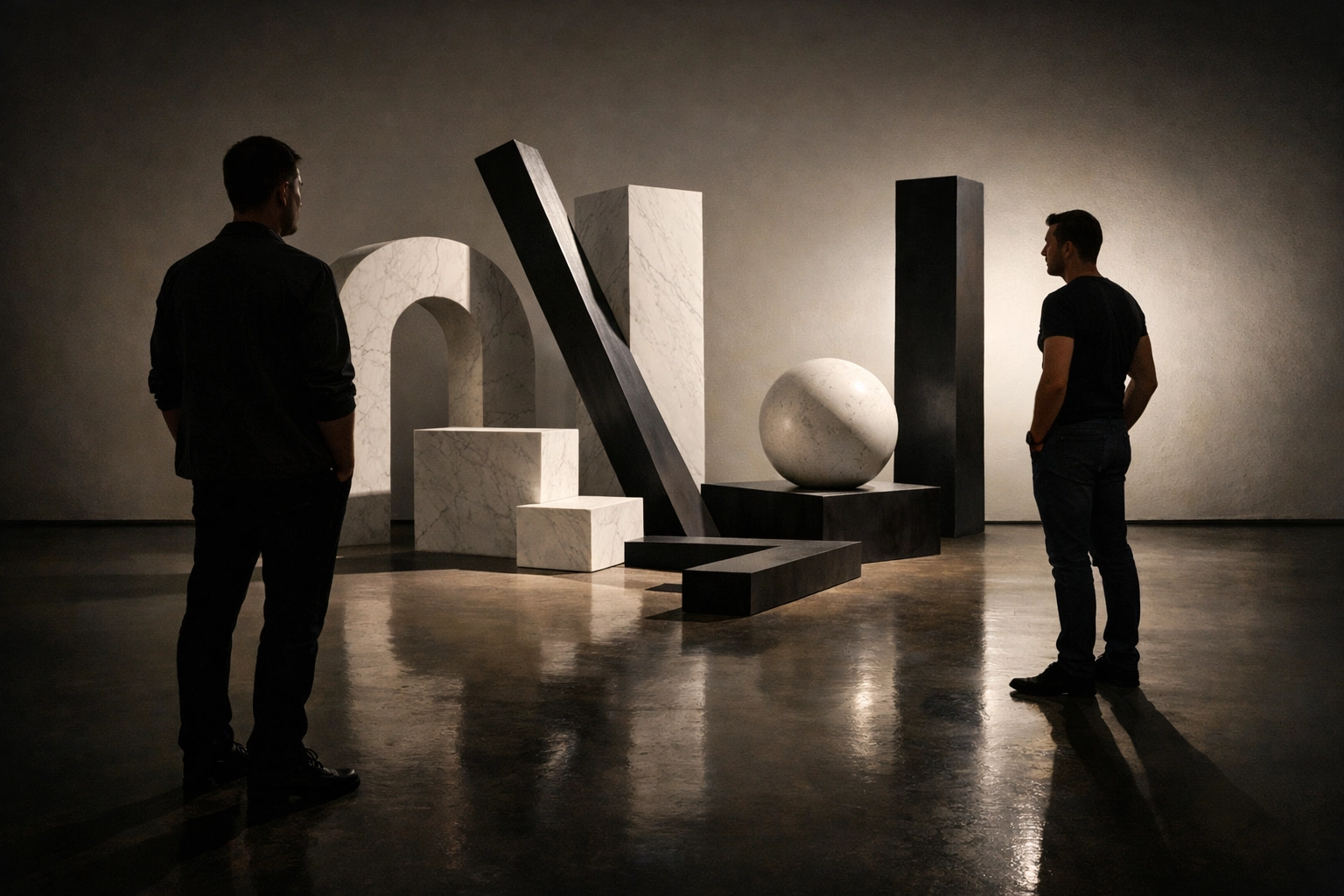
Enter abstraction. For queer sculptors, abstract forms offered what figurative work couldn't: plausible deniability. A curved form could be just a curved form to a gallery owner or critic. But to those who knew, who understood the code, it could represent bodies intertwined, the architecture of desire, the negative space where love exists in secret.
This wasn't cowardice. It was genius. These artists created a visual vocabulary that operated on multiple frequencies simultaneously: formal enough to hang in museums, intimate enough to speak directly to queer viewers who recognized themselves in the work.
Spatial Dynamics and Secret Encounters
Here's where sculpture gets particularly interesting. Unlike painting, which exists on a flat plane, sculpture creates actual relationships between bodies and space. And gay sculptors weaponized this quality brilliantly.
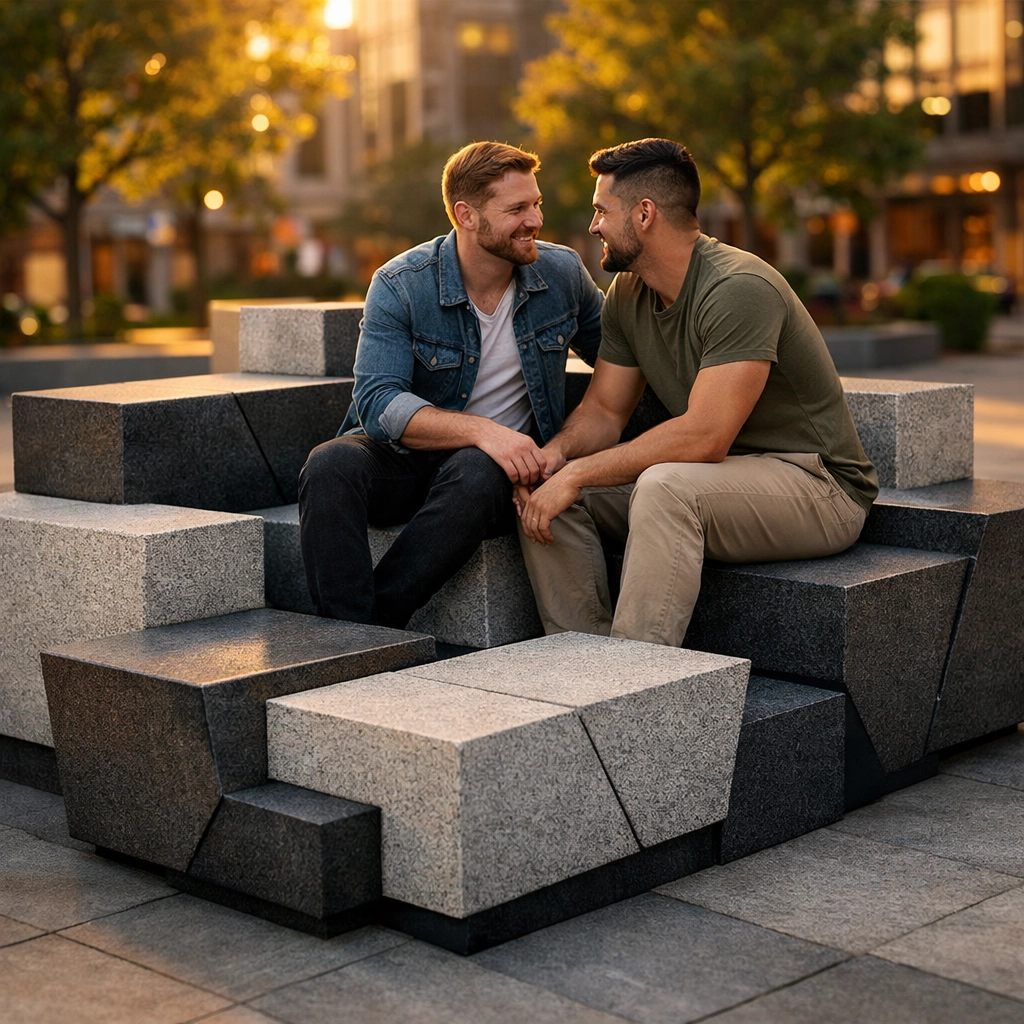
Take Scott Burton's work: those geometric granite benches that looked like pure minimalism to most viewers. But look closer at how they nest together, how they create pockets of intimacy in public spaces. Burton was literally designing sculptures that referenced bodies coming together, placed strategically in locations where men might encounter each other. The benches weren't just about sitting; they were about proximity, connection, and the choreography of cruising culture.
Or consider Tom Burr's wooden and steel partitions. To the uninitiated, they're elegant minimalist installations. To anyone familiar with gay history, they're immediate references to bathroom stalls, the dividers in cruising spaces, the infrastructure that facilitated secret encounters. Burr took the architecture of queer survival and elevated it to high art, all while maintaining a formal aesthetic that could pass through the gates of any major gallery.
This is the brilliance of abstract queer sculpture: it creates relationships between bodies in space without depicting bodies at all. The work makes you feel something in your own body: a sense of unease, recognition, or desire: without pointing to anything explicit.
The Body Without the Body
Gordon Hall's sculptural practice exemplifies what we might call "embodied abstraction." Their work achieves queerness not through recognizable sexual imagery, but by making viewers feel strange: askew: in exhibition spaces. That feeling is deeply rooted in the body, even as the sculptures themselves remain abstract.
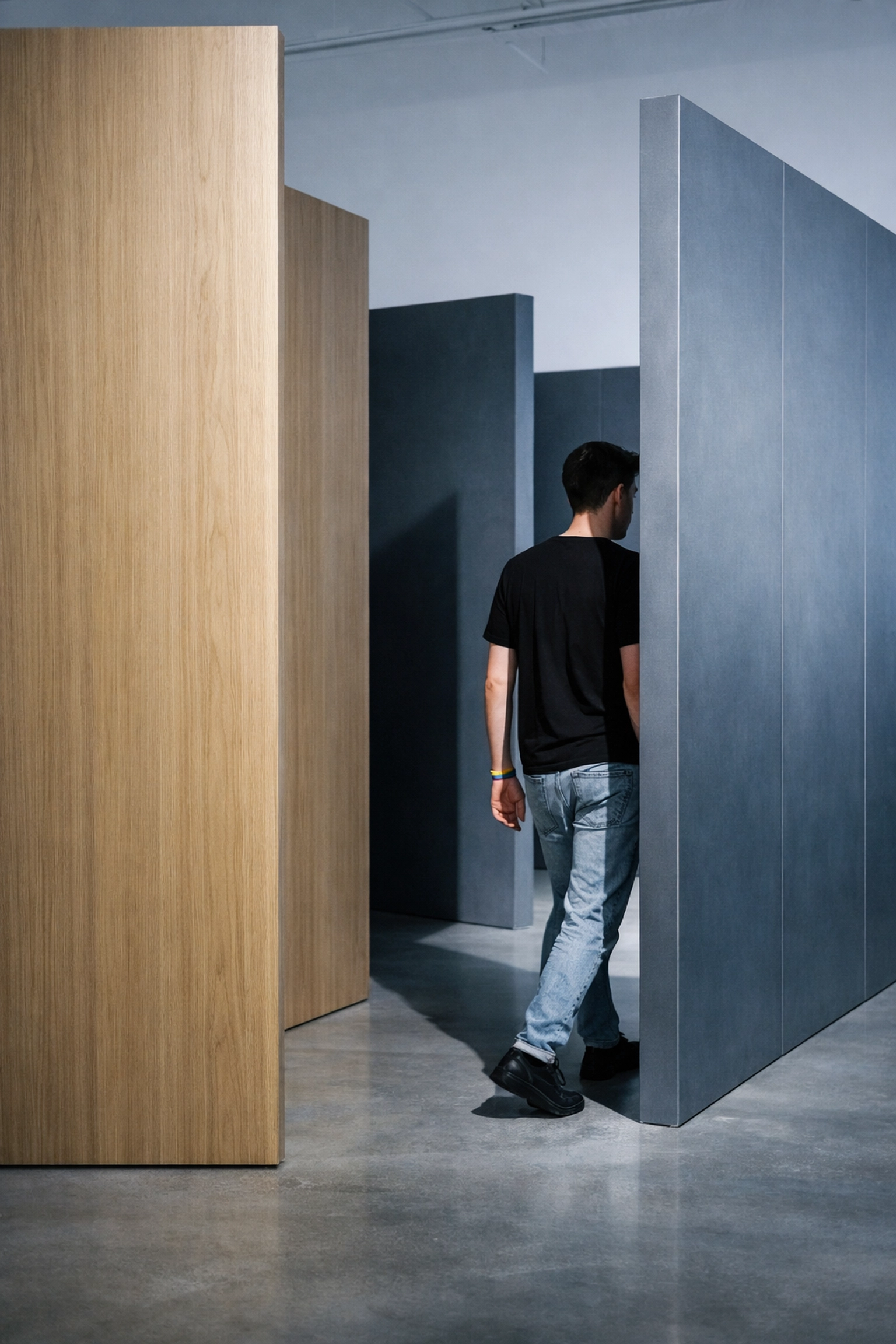
This approach mirrors the queer experience itself: existing in spaces that weren't designed for you, negotiating relationships to architecture and social norms that feel slightly off, finding community and connection through subtle signals rather than explicit declaration.
When you're reading MM romance books or exploring gay fiction, you're often drawn to stories about characters navigating similar tensions: finding ways to express identity and desire within constraining circumstances. The best LGBTQ+ fiction understands that queer experience is often about reading between the lines, catching coded signals, and creating meaning in the margins. Abstract sculpture does the same thing, but in three dimensions.
Hard Edges, Soft Meanings
The minimalist movement in sculpture: all those hard edges, geometric forms, and industrial materials: became particularly popular among gay sculptors. Why? Because minimalism's formal austerity provided the perfect camouflage for personal content.
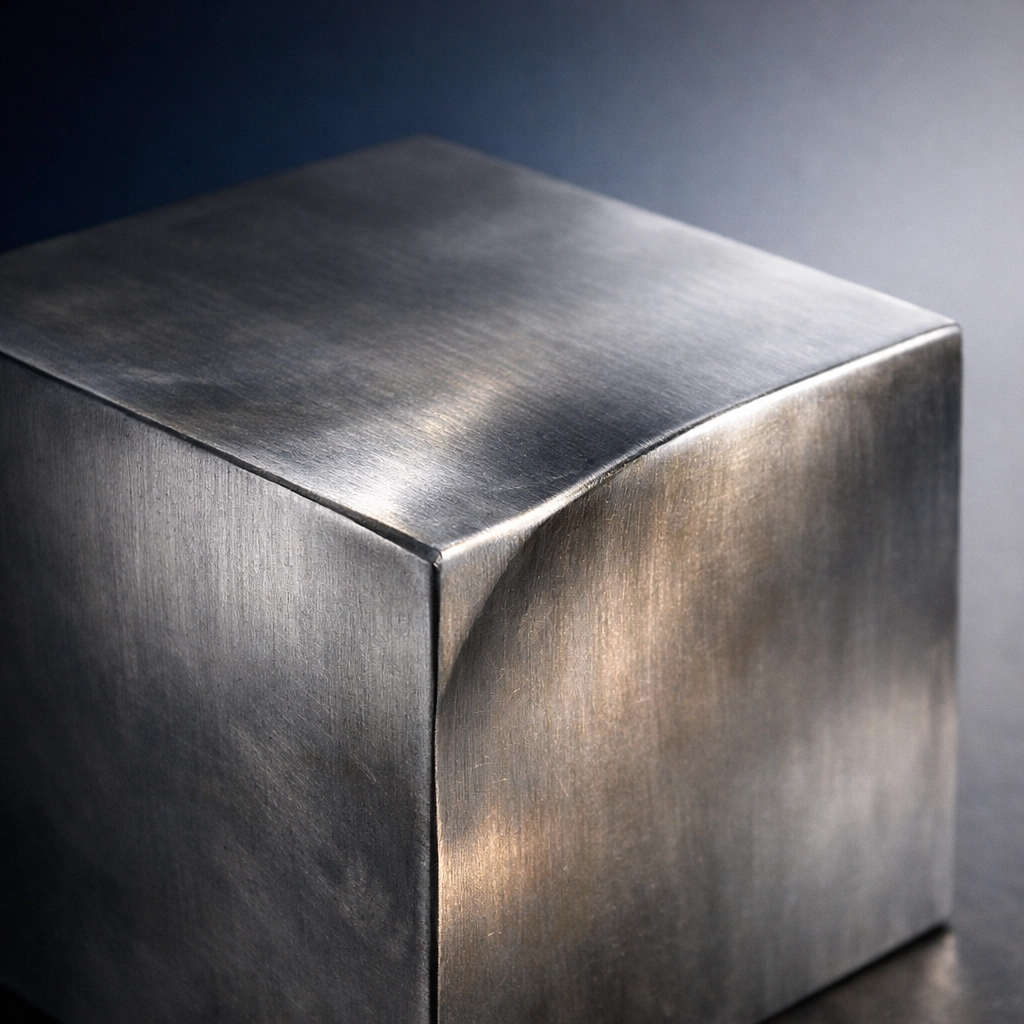
A steel cube could just be a steel cube. Or it could be everything you couldn't say out loud about desire, constraint, the closet, liberation. The gap between form and meaning became a space where queer artists could operate freely. The more formally "pure" and "objective" the work appeared, the more room there was to smuggle in subjective, personal, deeply queer content.
This strategy wasn't limited to sculpture, of course. But sculptors had a particular advantage: their work occupied real space, created actual encounters, and shaped how bodies moved through galleries and public areas. They weren't just making objects to be looked at; they were choreographing experiences.
Legacy and Liberation
Today's queer sculptors have more freedom than their predecessors, but many still work in abstract modes. Some because abstraction remains the most effective way to explore certain ideas about identity, fluidity, and space. Others because they're consciously engaging with this rich history of coded communication.
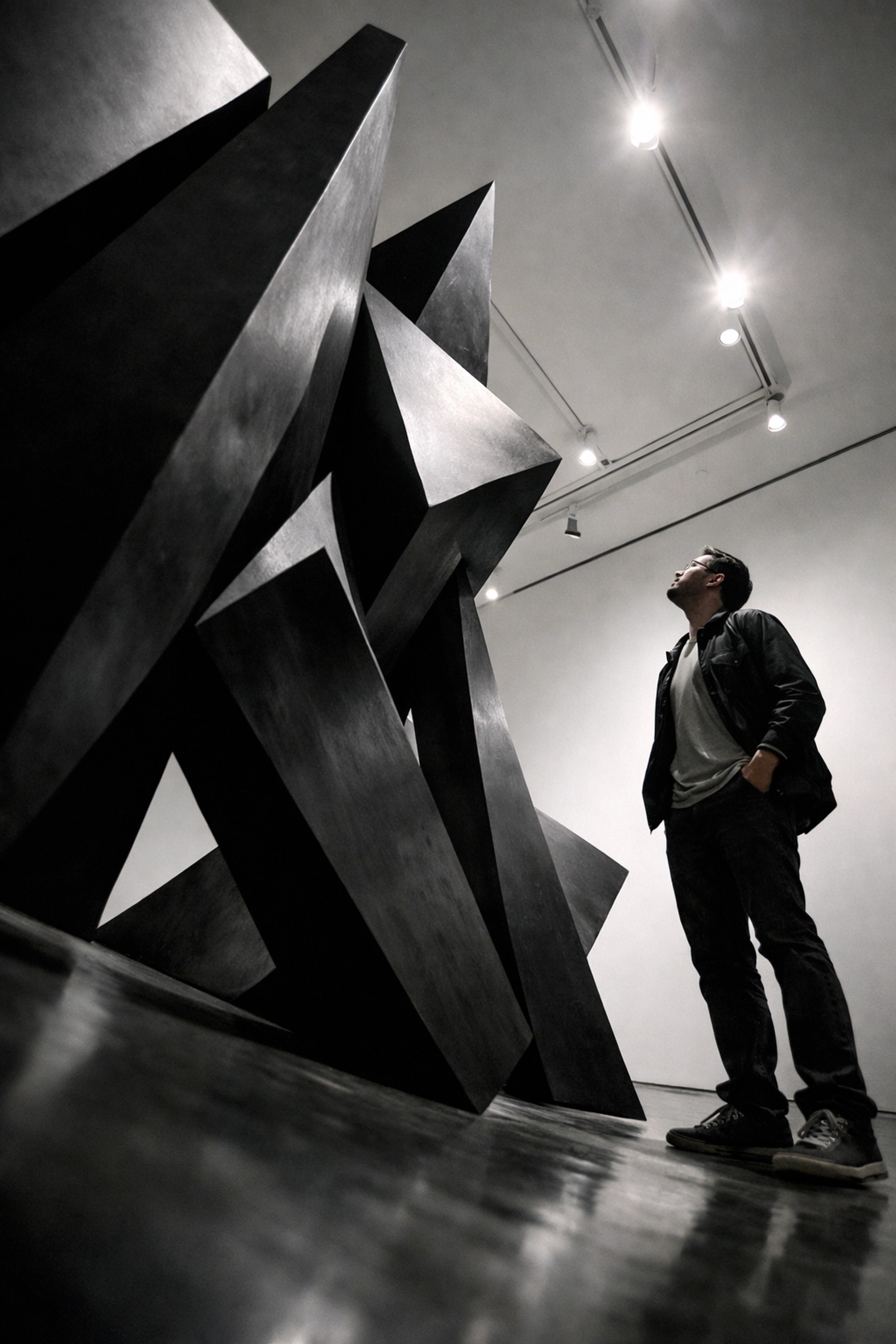
The abstract tradition in queer sculpture represents something profound: proof that restrictions on expression often fuel rather than limit creativity. When you can't show something directly, you find other ways. You become ingenious. You develop new visual languages that end up influencing entire art movements.
At Readwithpride.com, we celebrate these stories of creative resistance and coded communication. Just as abstract sculptors found ways to express forbidden desires through form and space, gay authors and queer authors have always found ways to tell our stories: even when the world said we shouldn't. From classic gay literature to contemporary MM romance, the LGBTQ+ creative tradition is built on saying the unsayable, showing the invisible, and creating beauty in the margins.
Reading Between the Forms
The next time you encounter abstract sculpture: particularly minimalist work from the mid-20th century onward: ask yourself what might be hiding in those clean lines and geometric forms. Consider the negative spaces, the relationships between objects, the way the work makes your body feel in space.
Chances are, if it makes you feel something you can't quite name, something slightly off or deeply familiar, a queer artist might be speaking to you through the work. They're using the oldest trick in the LGBTQ+ playbook: hiding in plain sight, encoding truth in forms that appear neutral, creating whole worlds of meaning that only certain viewers can access.
This tradition continues in gay romance books and MM fiction today, where authors use genre conventions to explore serious themes, where love stories become vehicles for discussing identity, acceptance, and resistance. The form provides cover for the content: until you're ready to see what's really there.
Gay sculptors didn't just participate in the abstract movement. They helped define it, expand it, and imbue it with layers of meaning that straight artists never imagined. They proved that limitation breeds innovation, that secret languages can become universal, and that sometimes the most powerful statement is the one that never explicitly declares itself.
That's not just art history. That's survival, creativity, and triumph, all shaped into form.
Discover more LGBTQ+ stories and perspectives at Readwithpride.com: your home for authentic gay romance novels, MM contemporary fiction, and LGBTQ+ ebooks that celebrate our community's creative spirit.
Follow us for daily inspiration:
- Facebook: Read With Pride
- Instagram: @read.withpride
- X/Twitter: @Read_With_Pride
#ReadWithPride #LGBTQArt #QueerSculpture #AbstractArt #GayArtists #MMRomance #QueerFiction #GayBooks #LGBTQReading #QueerHistory #AbstractExpressionism #LGBTQCulture #GayLiterature #MMRomanceBooks #QueerArtHistory #GayRomanceBooks #LGBTQEbooks #GayFiction #PrideReading #QueerCreativity

Leave a Reply
You must be logged in to post a comment.